
Making a Difference
Ethical reporting on gender issues in Afghanistan
UN-supported Afghan journalism training has helped place ethical reporting, accurate verification and the safety of sources at the centre of coverage about women and girls. Gender-sensitive journalism is not a matter of using softer language. It requires reporters to understand power, consent, privacy, cultural context and the consequences that a published story may create for an interviewee.
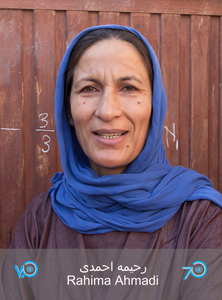
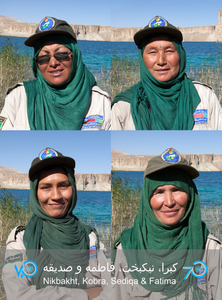
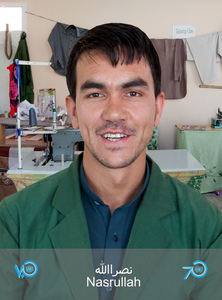
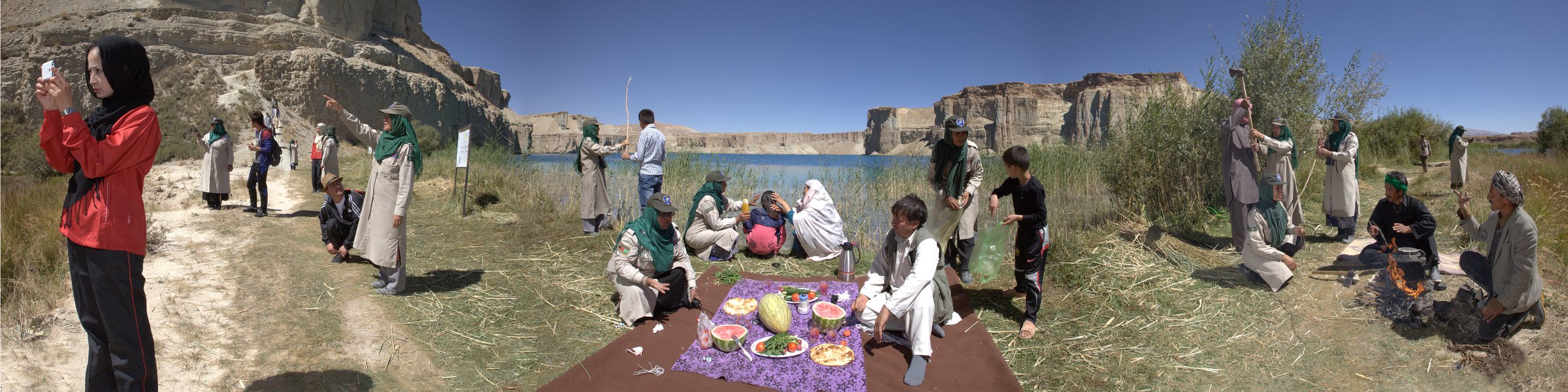
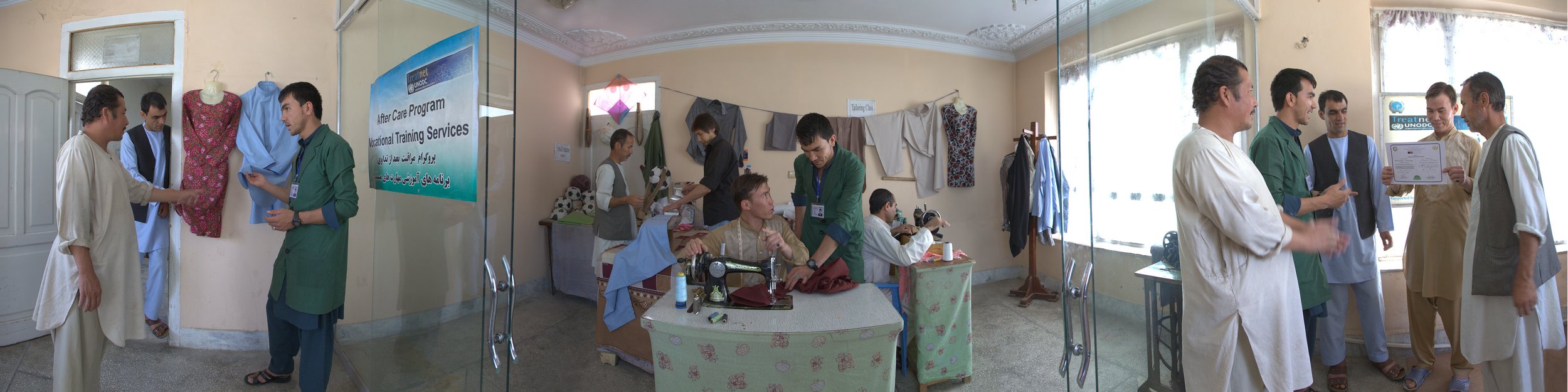
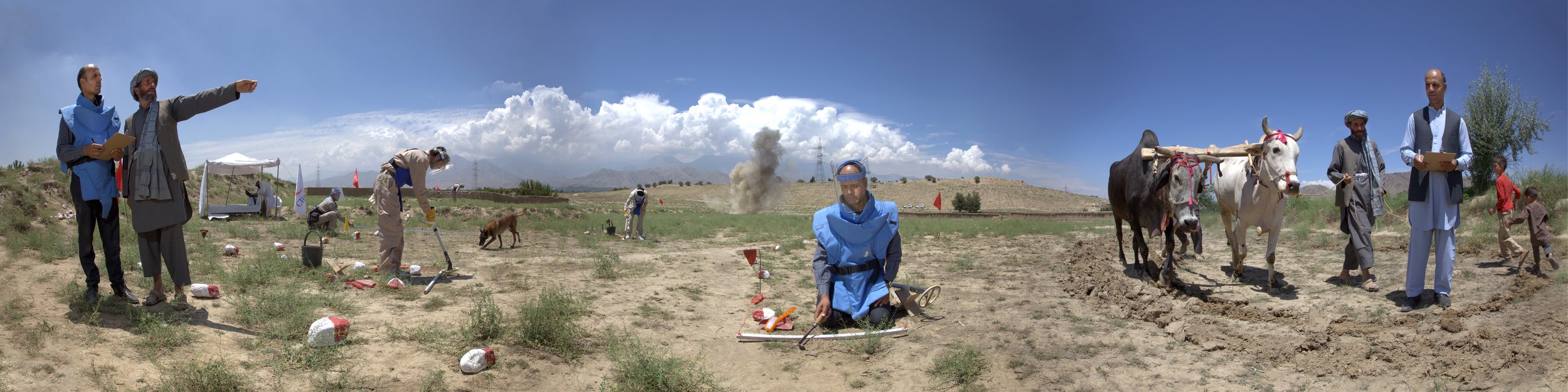
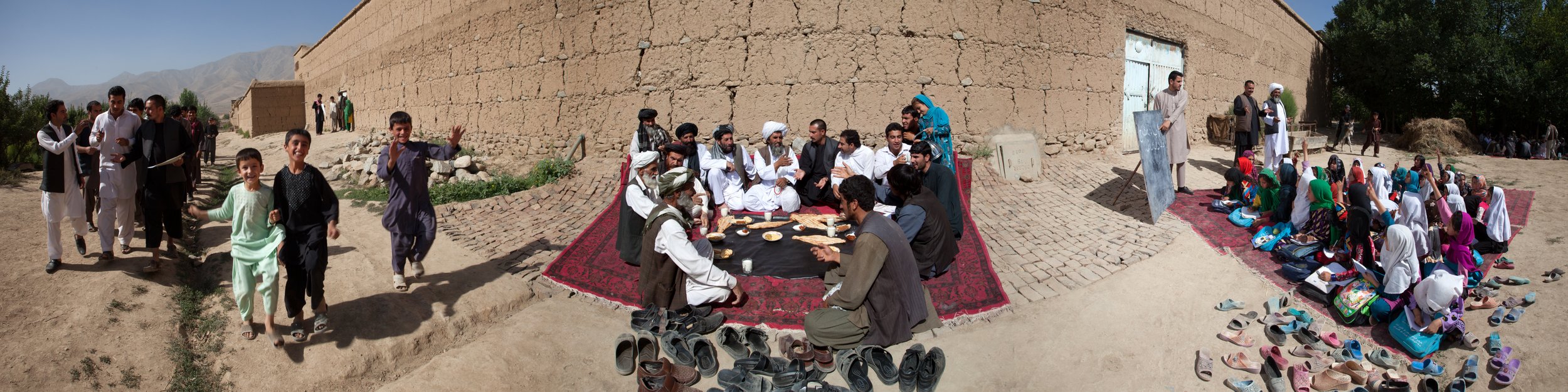
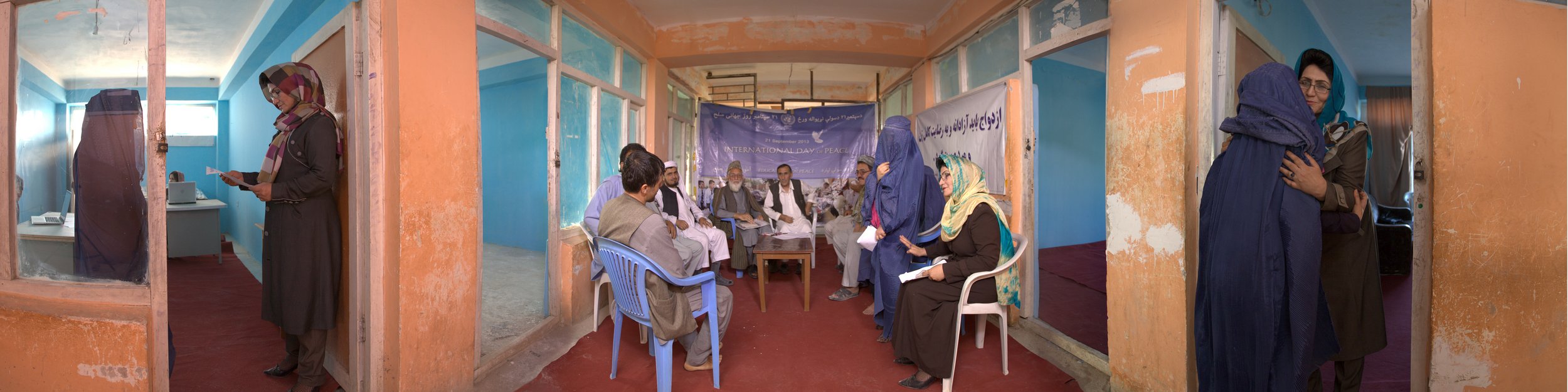
The archived UN Afghanistan UN70 campaign, built around the message “Strong UN. Strong Afghanistan.”, recorded Afghan people and communities contributing to national life. Its photographs, news material and messages from the Special Representative remain useful context for understanding how public storytelling can recognise Afghan agency. For Australian readers accustomed to ABC standards, multicultural reporting and strong defamation awareness, the same principles offer a practical framework for covering gender issues responsibly.
Why gender-sensitive reporting matters
Stories about gender can influence public debate, aid priorities and community attitudes. They can also expose people to retaliation, social isolation or renewed trauma. A report about a woman seeking education, employment or justice may reveal her identity to relatives, local authorities or armed actors even when the journalist believes the story is positive.
Training therefore begins with the idea that accuracy includes consequences. A technically correct article can still be harmful if it publishes identifying details without informed consent, treats a survivor as a symbol, or presents a single urban experience as representative of Afghanistan. Reporters need to ask who benefits from publication, who carries the risk and whether the public interest justifies that risk.
Afghan journalists also work across linguistic, ethnic, rural and urban settings. A source in Kabul may have different expectations from a woman in a provincial district, while a diaspora reader in Melbourne may interpret a story through a different cultural lens. Ethical practice makes these differences visible without turning them into stereotypes.
What effective journalism training should teach
A strong programme combines reporting skills with human rights principles. Participants need instruction in interviewing, source protection, digital security, fact-checking, translation and the use of statistics. They also need to learn how gender intersects with disability, age, displacement, poverty, ethnicity and access to education.
Role-play can make these lessons practical. A trainee might practise interviewing a survivor of violence, reporting on girls’ schooling or covering a women-led business while an editor tests the draft for privacy risks and loaded wording. The exercise should distinguish between public-interest information and unnecessary personal detail.
Training should include editorial decision-making, not just field techniques. Reporters can be taught to record consent, explain where a story will appear, offer a safe way to withdraw, and consult an editor when a source faces unusual danger. In a market where small outlets may rely on freelance contributors, a clear standard helps prevent safety responsibilities from being passed informally between reporters and publishers.
Listening, consent and representation
Consent is an ongoing conversation rather than a signature collected at the end of an interview. A journalist should explain the purpose of the story, the likely audience, the use of names or images and the possibility that material may circulate online. If a source has limited literacy, the explanation should be given in a language and form that she understands.
An interview should leave room for silence and refusal. Pressuring someone to describe sexual violence, family conflict or displacement can produce an unreliable account and deepen distress. A trauma-informed reporter avoids demanding graphic detail, lets the source set boundaries and does not equate visible emotion with credibility.
Representation also depends on whose voices are included. Coverage improves when women are quoted as professionals, farmers, teachers, business owners and community leaders, rather than appearing only as victims. Men and boys can be included in reporting about gender equality, care responsibilities and violence prevention, while experts and institutions are held accountable for their decisions.
The UN’s reporting on women’s civic participation provides a useful reminder that advocacy is connected to public dialogue and policy. A relevant example is this women’s advocacy story, which can help journalists examine how women describe their own priorities instead of allowing institutions to speak for them.
Verification in a difficult information environment
Gender-related claims often spread quickly through social media, messaging apps and partisan outlets. A photograph may be miscaptioned, an old statement reposted as current news, or a rumour presented as evidence of a wider trend. Journalists should verify the date, location, original source and wording before publication.
Verification also requires careful use of numbers. A claim about school attendance, domestic violence or women’s employment should identify the population measured, the period covered and the method used. If figures come from a survey, the report should explain its limitations. A small sample cannot automatically describe every Afghan province.
Translation presents another risk. Terms relating to marriage, customary law, harassment or sexual violence may carry different meanings across Dari, Pashto and English. Reporters should consult trusted language specialists where possible and retain the source’s meaning rather than choosing the most dramatic English expression. Editors should ask whether a headline intensifies a claim beyond what the evidence supports.
Public administrative information can also be difficult for audiences to interpret across languages and jurisdictions. A newsroom teaching verification might use practical examples such as voting applications to show how reporters check dates, eligibility, official wording and the reliability of translated notices before sharing them.
Language, headlines and images
Words can either clarify a gender issue or reinforce a harmful frame. Labels such as “honour killing”, for example, may repeat a perpetrator’s justification unless the article explains that the act is violence and identifies responsibility. Headlines should avoid implying that a survivor caused the harm or that a woman’s clothing, movement or occupation explains abuse.
A fair report separates allegation, evidence and established fact. “Police are investigating a reported assault” is different from declaring guilt. When legal proceedings are involved, journalists should explain the status of the case and avoid publishing information that could identify a protected person or prejudice a trial.
Images deserve the same scrutiny as text. A photograph of a grieving woman may attract attention, but it can invade privacy and reduce a person to suffering. Images should be selected with consent, accurate captions and consideration of whether faces, locations, uniforms or family members create danger. Stock photographs must never be presented as evidence from the event being reported.
Australian editors can recognise this challenge in local reporting on domestic violence, asylum seekers or First Nations communities. Guidelines used by public broadcasters, community outlets and metropolitan newspapers often stress dignity, context and the avoidance of gratuitous detail. Those habits can inform international reporting while still respecting Afghan editorial and cultural contexts.
Safety, digital security and editorial independence
Journalists covering gender issues may face threats from armed groups, political actors, families or online networks. Women journalists can experience gendered harassment designed to silence them, while male reporters may face pressure to conform to restrictive ideas about authority. A safety plan should cover travel, communications, safe contacts, emergency procedures and the protection of unpublished material.
Digital security is part of source protection. Reporters should consider device access, location metadata, cloud storage, group chats and the possibility that a phone may be inspected. Sensitive recordings should be stored securely, and identifying details should be removed when they are not needed for verification. Training should explain these steps in practical language rather than treating technology as an abstract specialist issue.
Editorial independence matters when a funder, official or influential community leader wants a story shaped in a particular way. A newsroom can disclose relevant funding, keep a record of corrections and establish a process for challenging pressure. Freelancers need the same protections as staff members, especially when they work in smaller provincial markets.
There are useful parallels with Australia’s media environment. A regional newsroom in Darwin, Perth or western New South Wales may have fewer reporters and limited legal resources than a Sydney or Melbourne organisation, yet it still needs procedures for conflicts of interest, defamation risk and source confidentiality. Resource constraints should encourage prioritisation and cooperation, not lower ethical standards.
Building accountable newsroom practice
Ethical reporting becomes more reliable when it is built into routine workflow. Editors can require reporters to identify vulnerable sources, record consent decisions and explain why a particular detail is necessary. Peer review is valuable because a colleague may notice a privacy risk or stereotype that the original writer missed.
Newsrooms should also measure the quality of representation. A simple review can examine how often women are quoted, whether experts come from varied backgrounds and whether stories identify institutions responsible for policy. The aim is not to impose a quota on every article, but to reveal patterns that develop when deadlines and familiar contacts determine coverage.
For Australian outlets publishing international material, commissioning editors should check whether syndicated copy has preserved context. A short wire story may omit local perspectives or use language that sounds neutral but carries assumptions. Adding an Afghan journalist’s analysis, a clearly identified local source or an explanation of competing views can make the report more accurate.
A practical newsroom routine can include these actions:
- Explain publication risks before recording an interview.
- Verify names, dates, locations and translated claims.
- Remove identifying details that do not serve the public interest.
- Offer a clear correction and complaint pathway.
Editors can also ask these questions before approval:
- Does the headline match the evidence?
- Is the source represented as a person with agency?
- Could the image or detail create avoidable danger?
- Have local voices and institutional responsibilities been included?
| Reporting choice | Ethical risk | Stronger practice |
|---|---|---|
| Naming a survivor for emotional impact | Identification, retaliation or stigma | Use anonymity unless explicit, informed consent and public interest justify naming |
| Publishing a dramatic image | Loss of dignity and misleading context | Confirm consent, caption accurately and choose a non-exploitative image |
| Repeating an official statistic | False certainty or political framing | Check methodology, date, scope and independent corroboration |
| Describing a woman only as a victim | Erasure of agency and expertise | Include her decisions, work, views and relevant achievements |
| Translating a sensitive allegation quickly | Distortion or legal risk | Check meaning with a qualified translator and attribute the claim clearly |
| Relying on a single urban source | Incomplete national picture | Add provincial, rural, minority or specialist perspectives where safe |
UN-supported Afghan journalism training is most valuable when it strengthens both individual reporters and the institutions around them. Ethical gender reporting depends on time, editorial backing, secure communication and the willingness to correct mistakes. It also depends on recognising that Afghan women and men are sources of knowledge, not simply subjects of international attention.
For Australian media organisations, universities, NGOs and community broadcasters, the principles are practical: fund local expertise, commission safely, verify translations, protect vulnerable contributors and publish with context. Applying them can help produce coverage that informs audiences in Sydney, Melbourne, Brisbane and regional communities without flattening Afghanistan into a crisis narrative. Ethical journalism gives people room to speak for themselves while holding powerful institutions to account.