
Making a Difference
Afghan women’s advocacy and the UN platforms for national dialogue
Afghan women have long shaped public life through community organizing, education, health services, journalism, mediation, business, and local leadership. Their work often takes place outside formal political institutions, yet it has a direct influence on how families, communities, and decision-makers understand peace, justice, and social change.
National dialogue becomes meaningful when it includes the people most affected by political decisions. For Afghan women, participation is tied to practical concerns such as access to education, protection from violence, economic opportunity, freedom of movement, and a voice in local and national governance. United Nations platforms can help connect these priorities to wider conversations about Afghanistan’s future.
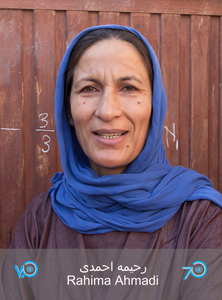
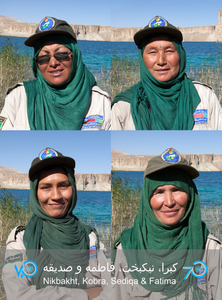
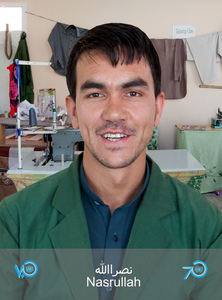
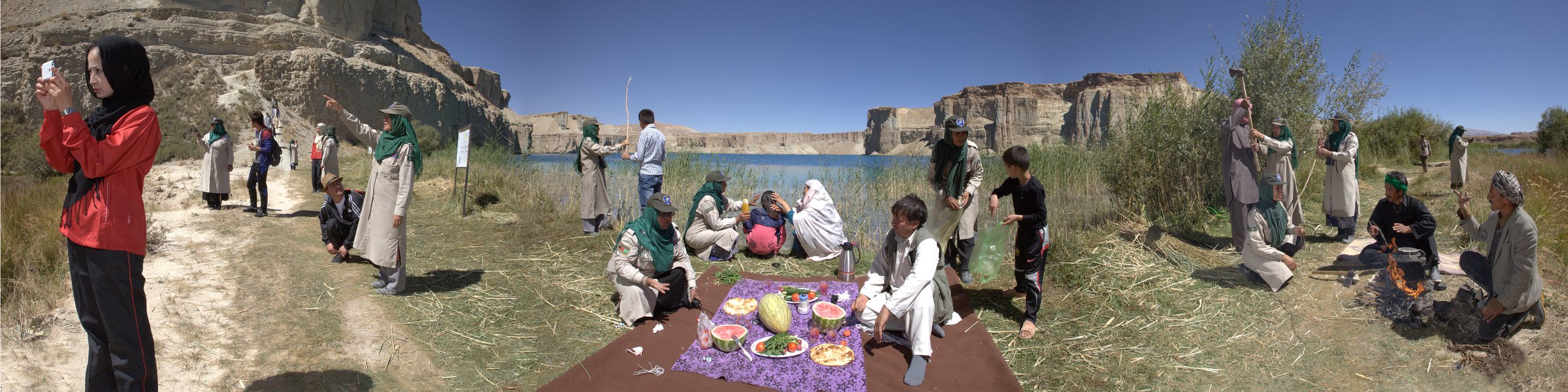
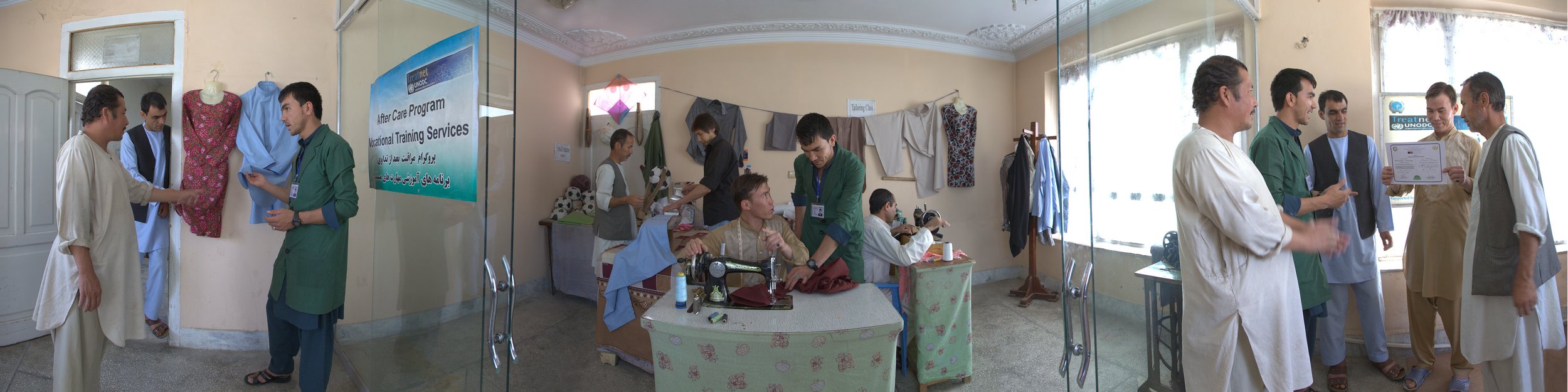
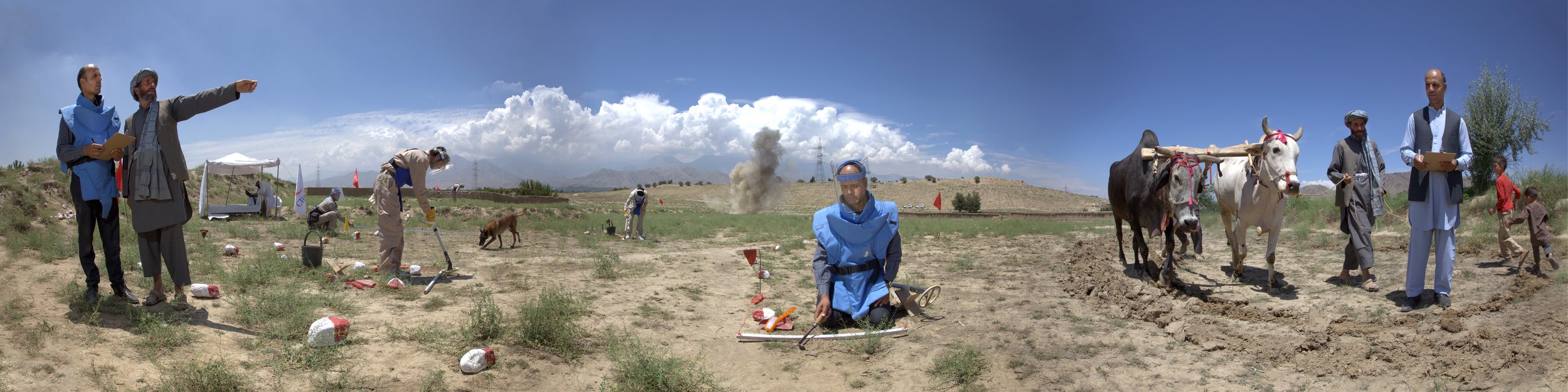
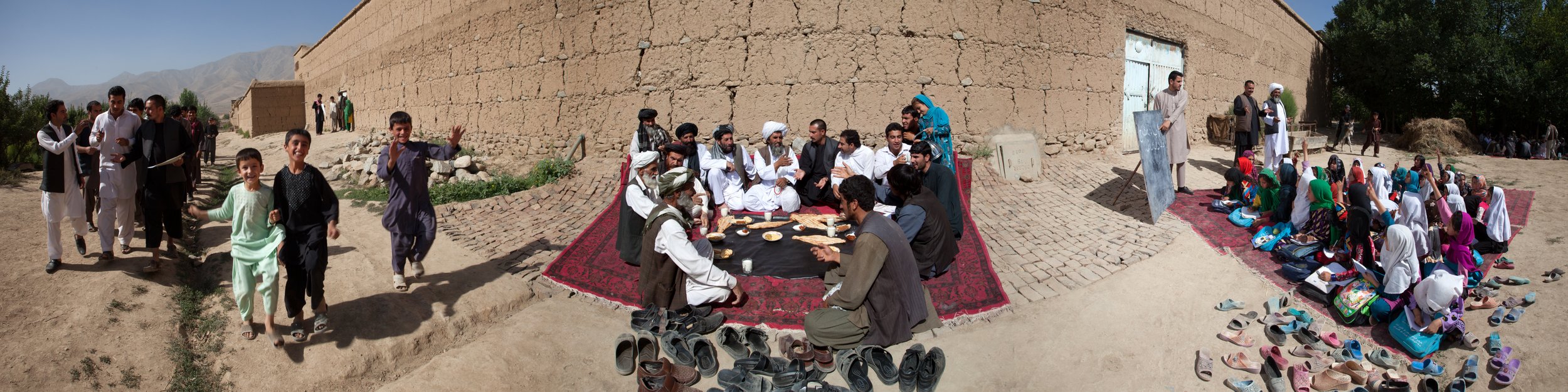
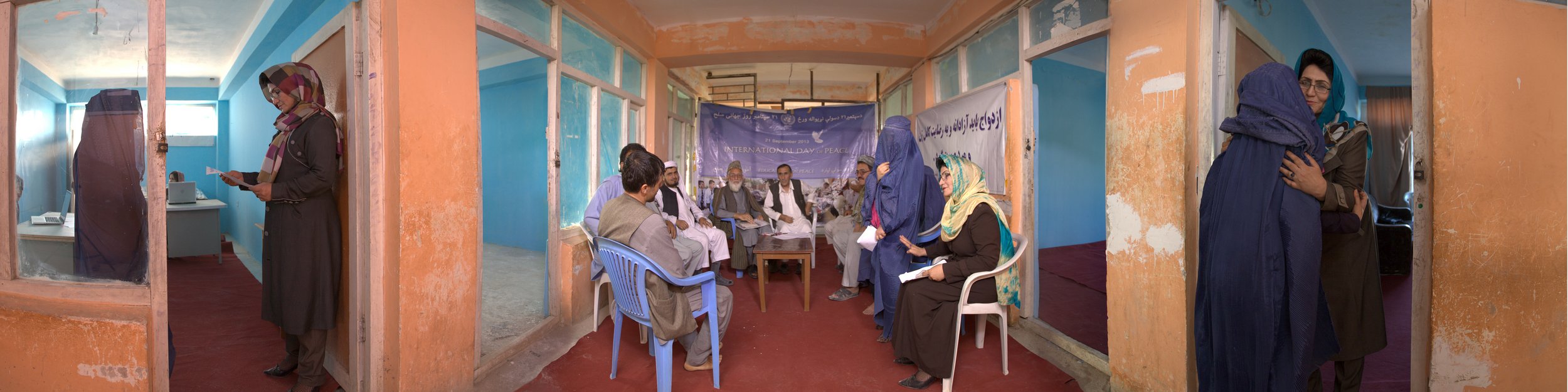
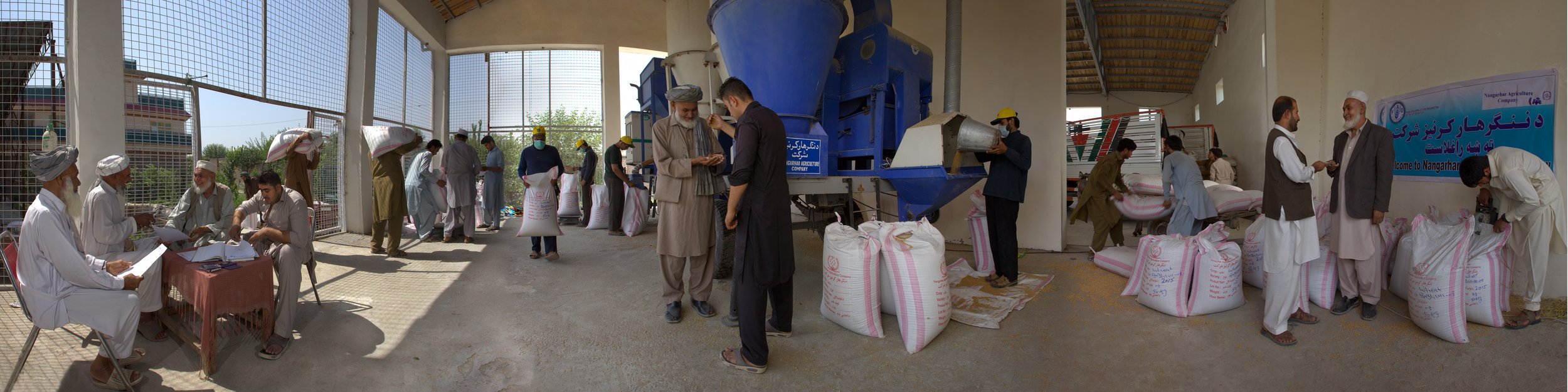
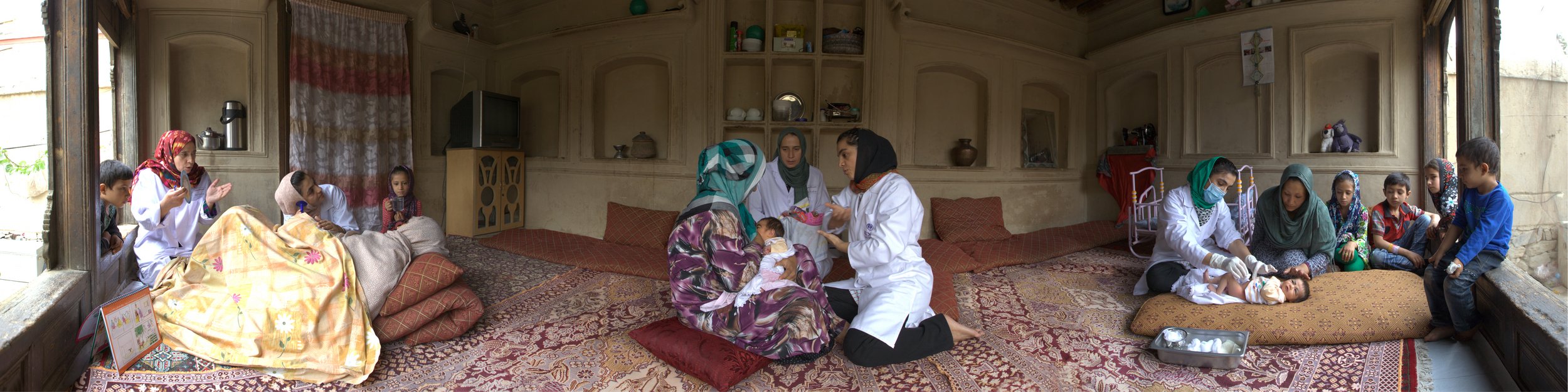
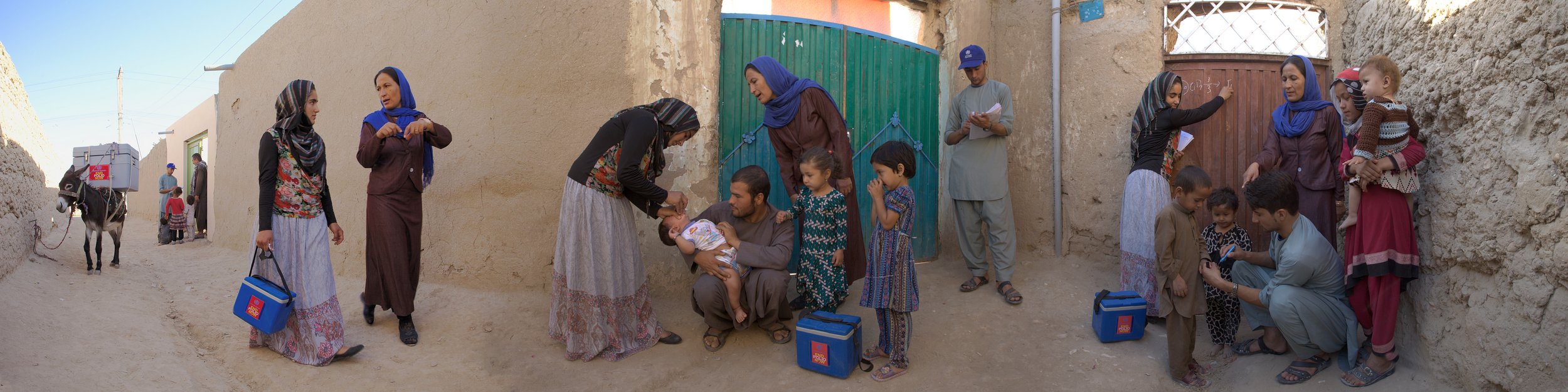
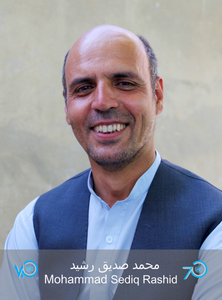
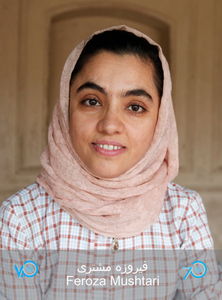
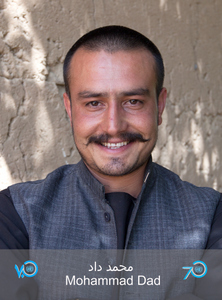
The archived UN70 campaign, presented under the message “Strong UN. Strong Afghanistan,” offers a useful lens for understanding how international organizations communicate Afghan stories. Its photographs, messages, and profiles placed individuals at the center of the discussion rather than treating communities as passive recipients of assistance. The UN Afghanistan archive preserves that campaign context and the wider public-facing work of the United Nations in the country.
Why women’s advocacy matters to national dialogue
National dialogue is more than a meeting among political representatives. It is a process through which communities identify grievances, negotiate competing interests, and develop ideas about legitimate government. When women are absent, the process loses knowledge of household economies, displacement, education, healthcare, conflict prevention, and the social effects of insecurity.
Afghan women’s advocacy has often linked personal experience with public policy. A women’s rights defender may raise concerns about a local protection gap, while also documenting how that gap reflects broader weaknesses in law enforcement or public administration. A teacher, health worker, farmer, journalist, or civil society organizer can bring evidence from daily life into discussions that might otherwise remain focused on institutions and elites.
Women also contribute to peacebuilding in ways that are not always recorded. They may mediate family disputes, support displaced neighbors, provide psychosocial assistance, or maintain communication between communities divided by conflict. These activities create trust, which is an essential foundation for any national reconciliation process.
UN platforms that connect local voices with wider policy
The United Nations can provide several forms of support for women’s participation. Public campaigns create visibility, consultations collect views, humanitarian and development programmes establish practical channels for engagement, and political missions can carry community concerns into diplomatic discussions. Each platform has a different purpose, but together they can make advocacy more consistent and recognizable.
Public storytelling is especially important in a country where women’s contributions are frequently overlooked. Profiles of Afghan women can challenge narrow portrayals that focus only on vulnerability. They can show women as organizers, professionals, negotiators, entrepreneurs, educators, and decision-makers. The UN70 campaign’s emphasis on individual stories demonstrated how communications can connect an international institution to lived experience.
UN platforms also help create a bridge between national and international audiences. A local campaign about girls’ education, for example, can gain wider attention when it is documented through a trusted institutional channel. That visibility does not replace local leadership, and it should never turn personal stories into promotional material without consent. Used responsibly, it can strengthen recognition, solidarity, and accountability.
From visibility to meaningful participation
Visibility is a starting point, not a substitute for influence. Afghan women need opportunities to shape agendas, review proposals, speak in consultations, and see how their recommendations affect decisions. Participation becomes meaningful when institutions explain what they heard, what they accepted, what they could not implement, and why.
Accessible formats matter. Consultations should account for language, literacy, disability, travel restrictions, security risks, and unequal access to technology. Women in rural areas, displaced communities, minority groups, and households affected by poverty may require different channels from those available to urban professionals. Radio discussions, women-led community forums, confidential interviews, and trusted civil society networks can broaden participation.
The following framework shows how different UN-supported channels can contribute to national dialogue when they are designed around agency and follow-through:
| Platform or channel | Contribution to women’s advocacy | Safeguard for effective participation |
|---|---|---|
| Community consultations | Gather local priorities and identify emerging concerns | Use inclusive facilitation and provide safe, accessible settings |
| Public storytelling campaigns | Increase recognition of women’s civic and social contributions | Obtain informed consent and avoid reducing women to symbols |
| Civil society partnerships | Connect grassroots organizations with policy discussions | Support independent voices and transparent selection processes |
| Humanitarian and development programmes | Link urgent needs with longer-term rights and governance goals | Include women in programme design, monitoring, and evaluation |
| Political dialogue mechanisms | Bring community perspectives into national discussions | Publish responses to recommendations and track implementation |
| Media and digital channels | Expand public debate and share evidence across regions | Protect privacy, verify information, and address digital exclusion |
Building trust through Afghan-led partnerships
International platforms are most effective when Afghan women and Afghan organizations help design them. Local actors understand social expectations, regional differences, security conditions, and the forms of language that encourage participation. They can identify respected community figures, explain risks, and advise on how to avoid exposing participants to retaliation.
Partnership must involve more than contracting a local group to deliver a predetermined programme. Afghan women’s organizations should have a role in setting priorities, managing resources, collecting evidence, and assessing results. Their institutional knowledge should be treated as expertise rather than simply as access to beneficiaries.
Trust also depends on continuity. Short campaigns may attract attention, yet advocacy requires sustained relationships. Women who share testimony or policy recommendations need to know whether their contributions will be protected, revisited, and connected to decision-making. Regular feedback sessions and public reporting can show that dialogue is a process rather than a one-time consultation.
The UN’s role is therefore strongest when it supports an ecosystem of Afghan-led action. That ecosystem may include women’s rights groups, professional associations, local councils, journalists, educators, religious scholars, youth networks, and humanitarian organizations. Each brings a different constituency and a different understanding of how change can occur.
Protecting participation in difficult conditions
Women’s advocacy carries real risks. Activists may face threats, harassment, social pressure, economic retaliation, or restrictions on movement and employment. Public exposure can sometimes increase danger, particularly when campaign materials identify participants without a careful assessment of their circumstances. Protection must be considered before a story is published, not added after harm occurs.
A responsible platform uses informed consent that explains where material will appear, who may see it, and whether the participant can withdraw. It protects personal data, limits unnecessary identifying details, and offers confidential routes for raising concerns. Translators, interviewers, photographers, and programme staff should understand do-no-harm principles and gender-sensitive safeguarding.
Digital participation requires additional care. Women may have limited access to devices, face surveillance, or share phones with relatives. Online discussions can reproduce intimidation and misinformation. Secure communications, moderation policies, and offline alternatives help prevent digital engagement from becoming another barrier.
Protection should also include emotional and professional support. Advocacy can involve recounting violence, displacement, or discrimination. Participants may need referral pathways for psychosocial care, legal assistance, or emergency protection. A platform that gathers stories without considering these needs risks extracting testimony rather than supporting civic participation.
Turning advocacy into policy influence
For women’s voices to affect national dialogue, institutions need systems that translate testimony into evidence and evidence into decisions. This can involve thematic reports, policy briefs, issue trackers, public hearings, and regular meetings between community representatives and officials. The process should preserve the original concerns while presenting them in a form that decision-makers can use.
Monitoring is central to accountability. If women call for improved access to education, a dialogue mechanism should track relevant commitments, budgets, implementation barriers, and outcomes. If survivors request protection, the response should be measured through service availability, referral quality, and safety indicators. Clear benchmarks help distinguish public promises from practical progress.
Representation should also be broad enough to reflect Afghanistan’s diversity. Afghan women are not a single constituency. Their experiences differ by province, age, ethnicity, disability, socioeconomic status, displacement history, and urban or rural location. National platforms should avoid relying on a small circle of familiar spokespeople while presenting them as representative of everyone.
Practical steps can make dialogue more inclusive and durable:
- Fund Afghan women-led organizations with flexible, multi-year support rather than short project cycles.
- Create confidential consultation channels alongside public meetings so participants can choose a safer form of engagement.
- Publish clear responses to women’s recommendations, including reasons for delayed or rejected actions.
- Measure participation by influence and follow-through, not only by the number of women invited.
- Protect the privacy, security, and wellbeing of advocates throughout documentation and outreach.
Preserving stories as part of Afghanistan’s civic record
Campaign archives have lasting value because they preserve evidence of how Afghans described their hopes, responsibilities, and contributions at a particular moment. Photographs and personal profiles can become part of a broader civic record, especially when conflict and political change disrupt institutions that would otherwise document social history.
An archive should be read critically and respectfully. It may highlight selected voices rather than provide a complete picture of Afghan society. Its value lies in opening a conversation about whose work was recognized, which issues received attention, and how international organizations represented partnership. These questions can guide future communications and advocacy programmes.
For Afghan women, documentation can affirm that civic participation has deep roots. It can show that women’s leadership did not begin with a single project or depend entirely on international attention. At the same time, preservation should not freeze people in the roles assigned to them by a campaign. Women remain active interpreters of their own experiences, and their current consent and security should govern any reuse of archived material.
The wider lesson is that national dialogue needs both memory and action. Remembering women’s contributions helps challenge narratives that erase them; building safer institutions gives those contributions a path toward policy. United Nations platforms can support both aims when they combine public recognition with Afghan-led decision-making, responsible communication, and transparent accountability.
Support inclusive dialogue by sharing credible Afghan women’s stories, strengthening women-led civic organizations, and holding institutions to the commitments they make. A stronger Afghanistan depends on public processes where women are heard, protected, and able to shape the decisions that govern their lives.