
Making a Difference
Weapons collection and the path to Afghan peace
The archived UN Afghanistan page for the UN70 “Strong UN. Strong Afghanistan.” campaign brings together campaign photographs, news, messages from the Special Representative of the Secretary-General and stories of Afghan contributions. The archive reflects a completed campaign, so it offers a historical record rather than a current collection programme. Its central message remains relevant: peace is sustained when Afghan people can shape the institutions and decisions affecting their daily lives.
UN-supported Afghan disarmament campaigns have used weapons collection, cash buybacks and reintegration support to reduce armed violence. The best-known framework is disarmament, demobilisation and reintegration, commonly called DDR, while smaller collection and buyback schemes address weapons outside formal DDR processes. Together, these measures can protect communities and open routes out of armed service, but their results depend on local consent, credible oversight and a credible future for those who lay down their arms.
From conflict to civilian security
Afghanistan’s decades of conflict left weapons in cities, villages, remote districts and neighbouring countries. Rifles, pistols, machine guns and ammunition moved with fighting forces, militias and criminal networks. Once fighting slows, that material can remain available to armed groups, criminals or individuals seeking to intimidate communities. Civilian protection therefore depends on more than the absence of battle: it also requires fewer weapons in circulation and institutions able to maintain public security.
After the 2001 international intervention, Afghanistan’s government and international partners began building national security institutions while offering routes out of armed service to former fighters. UNAMA, the United Nations Assistance Mission in Afghanistan, supported parts of this wider peacebuilding environment through coordination, advice and assistance to national and local actors. The precise role changed over time, but the principle endured: collection operations needed Afghan ownership, public consent and links to jobs, public administration and community dispute resolution.
These efforts also exposed a basic tension. A state may need armed forces and police, yet a rapid weapons drive can look like confiscation if it ignores legitimate livelihoods, local security arrangements or the rights of people carrying arms. Security sector reform therefore had to accompany collection. Training, pay, supervision, vetting and public confidence were as important as counting or destroying weapons, and success could not be measured by the number of guns gathered alone.
How weapons collection campaigns operate
A weapons collection campaign usually starts with mapping where weapons are held, identifying armed groups and assessing community concerns. Public announcements then invite voluntary surrender at designated centres, while local authorities, police and international partners establish rules for registration, compensation and transport. Depending on the location, weapons may be stored temporarily, inspected and either returned to legitimate security forces or destroyed. Ammunition and equipment require separate handling because they can remain dangerous long after a firearm is deactivated.
Buybacks add a financial or material incentive to surrender. Participants may receive cash, food, vouchers, livestock support, education places, tools or employment referrals. Cash can be effective when livelihoods and local markets are stable and payment is prompt, yet it can also attract fraud, draw weapons from illicit suppliers or disadvantage people without identity documents. In-kind support and reintegration services may suit some communities better, especially where literacy, banking access and formal employment are limited.
Timing and sequencing matter as much as the incentive. A collection event held before local agreements are settled can create resentment or allow one armed actor to dominate access. Campaigns work better when community councils, women’s groups, religious leaders, former combatants and local officials help design the process and hear complaints. Independent monitoring, public reporting and clear appeal channels can strengthen confidence. After collection, secure storage, destruction or controlled reallocation must be documented so weapons do not simply return to hidden stocks.
Buyback schemes and reintegration
A formal DDR process differs from a general buyback. DDR identifies eligible members of armed forces or armed groups, provides a verified route out of military life and links them to reintegration. Buyback schemes may be shorter and more flexible, collecting individual weapons without certifying that the holder has left a combat organisation. In Afghanistan, national and provincial buybacks were sometimes connected to DDR and security-sector programmes, but they were not all administered by the United Nations.
Reintegration is where a weapon-for-cash exchange either gains durability or loses legitimacy. A former fighter who receives only a one-off payment may need to find work, repay debts or support relatives in a place where armed groups still operate. Training, public works, agricultural grants, business services, disability support and access to local dispute mechanisms can turn surrender into a sustainable decision. These programmes also help communities accept the process when benefits are visible and distributed fairly.
Participation is rarely evenly distributed. Men who have carried weapons may be the direct recipients, while widows, disabled veterans, female combatants and families affected by violence need distinct protection and services. Local power can influence who is paid, who is suspected and whether complaints are heard. Confidential reporting, accessible appeals, protection from retaliation and age-appropriate referral for children can prevent collection from becoming another source of pressure. Any assistance linked to collection should follow international humanitarian, human-rights and child-protection standards.
Limits, safeguards and wider protection
No collection campaign can remove the political causes of renewed violence or guarantee that surrendered weapons stay out of circulation. New arms can replace old ones, and armed groups may use buybacks to identify supporters or capture resources. Diverted payments, forged documents and corruption are recurring risks where oversight is weak. Safeguards therefore include independent financial monitoring, credible eligibility checks, careful weapons accounting and sanctions for misuse, alongside a clear plan for what happens after a collection closes.
Force has limited value when households fear being targeted after providing information. Community acceptance often depends on assurances that collection teams are not gathering intelligence for military purposes and that participation will not be used to expose political or ethnic identities. Local mediators can help, but they also need protection and the ability to escalate concerns. A durable process measures changes in civilian safety, armed-group activity and access to services, rather than treating a ceremonial handover as proof of peace.
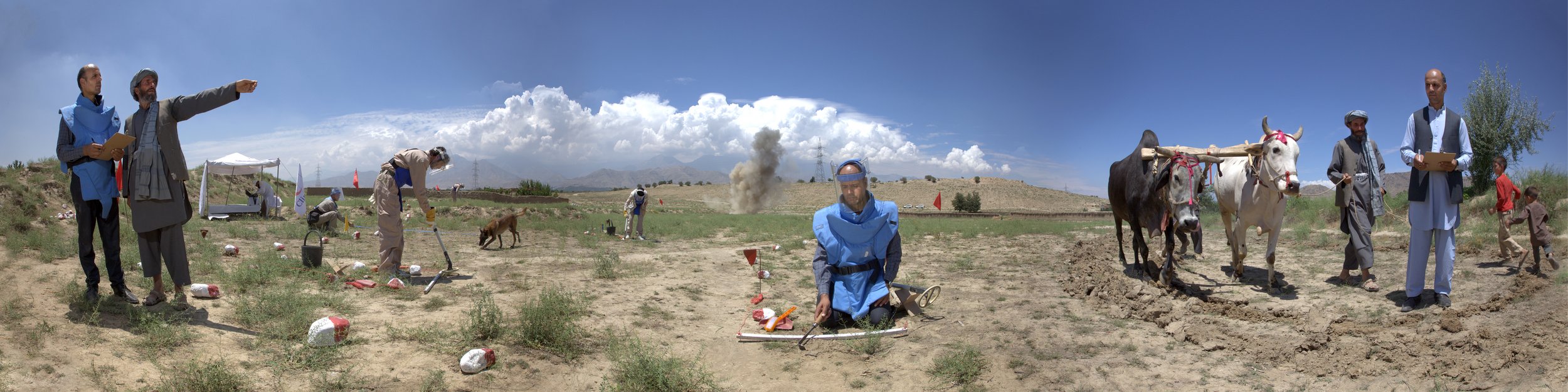
Protection from armed violence is also part of a wider safety system. The UN Afghanistan account of early warning systems in the Afghan mountains shows how trusted local information and practical warnings can save lives in remote terrain. Weapons collection cannot substitute for disaster preparedness, emergency response or mine action. Where mines and unexploded ordnance remain, they require specialist clearance and community education; they should never be treated as ordinary weapons eligible for buyback.
What Australia can learn
For Australia, the comparison should begin with a very different legal and social setting. Firearm ownership is legal but tightly controlled through state and territory regimes, national registration and Commonwealth rules governing manufacture, import, export and interstate movement. Licensed dealers must verify a buyer’s eligibility and records, while ammunition purchases are documented and controls vary between jurisdictions. Australia’s legal firearms market is therefore highly traceable, a contrast with conflict zones where state authority and borders are porous.
Everyday experience also varies sharply by place. In Sydney, Melbourne, Brisbane and Perth, licensed firearms are uncommon in crowded streets, transport hubs and entertainment districts, where police and venue procedures focus on immediate risks and suspicious behaviour. In rural and regional New South Wales, Victoria, Queensland and Tasmania, hunting and agricultural use are more visible, making locked storage, safe transport and seasonal demand at licensed dealers familiar community concerns. Secure storage and responsible transfer are therefore practical habits, not merely legal formalities.
Australian experience offers useful governance lessons, though it cannot be copied into Afghanistan. Accurate registers, accountable dealers, traceable ammunition and enforceable storage rules reduce opportunities for diversion, while community-based policing and health services help address the human consequences of firearm harm. The closer parallel concerns reintegration: people leaving violent roles need lawful livelihoods, social acceptance and a way to resolve disputes without guns. Arms control works best when public safety and livelihood support are planned together.
Australia’s support for Afghanistan has included humanitarian assistance, development partnerships and engagement with United Nations and regional peacebuilding work. Those capabilities remain relevant after formal security missions end: locally led early recovery, health care, education, mine clearance, evidence-based firearms safety and support for Afghan civil society can all strengthen communities. The most credible contributions respect Afghan decision-making, fund transparent delivery and sustain relationships long after headlines move elsewhere.
Use the archived UN70 campaign to learn from Afghan stories, share verified UN Afghanistan material through schools, workplaces and community organisations, and keep Afghan perspectives visible in public discussions about peace. In Australia, invite speakers from Afghan communities, connect audiences with current UN humanitarian and peacebuilding priorities, and direct people to the National Firearms Register and relevant state or territory rules when discussing firearm safety.
Then support practical campaigns for weapons collection, community protection, mine action and reintegration wherever they remain possible, and choose partners that publish transparent safeguards for civilian participation and demonstrate local ownership. A safer future depends on more than counting weapons: it depends on civilian control, trusted institutions, livelihoods and Afghan people shaping the peace that follows.