
Making a Difference

Afghan COVID-19 action and lessons for Australia
COVID-19 arrived in Afghanistan alongside conflict, displacement and a damaged health system. Some clinics operated with reduced staffing or inadequate equipment, while families in remote districts faced long journeys, winter roads and limited access to oxygen and protective supplies. The virus did not affect every community in the same way, but disrupted schooling, livelihoods and routine immunisation across the country.
The UN-supported Afghan COVID-19 response paired vaccination with public information, local health services and emergency assistance. It supported Afghan health workers, helped maintain vaccine supply chains and promoted practical steps against infection. The approach also treated confidence as part of public health: a dose could not protect someone if people did not know where to receive it, whom to trust or what to expect.
For readers in Australia, this history offers useful comparisons without erasing sharp differences. Australia had stronger transport, laboratory and health infrastructure, and no nationwide displacement crisis of the same scale. Yet the pandemic also showed how public communication, pharmacy access and trusted local voices shape uptake here. The strongest lessons concern delivery and trust, not a simple transfer of one country’s campaign to another.
Why vaccine access mattered
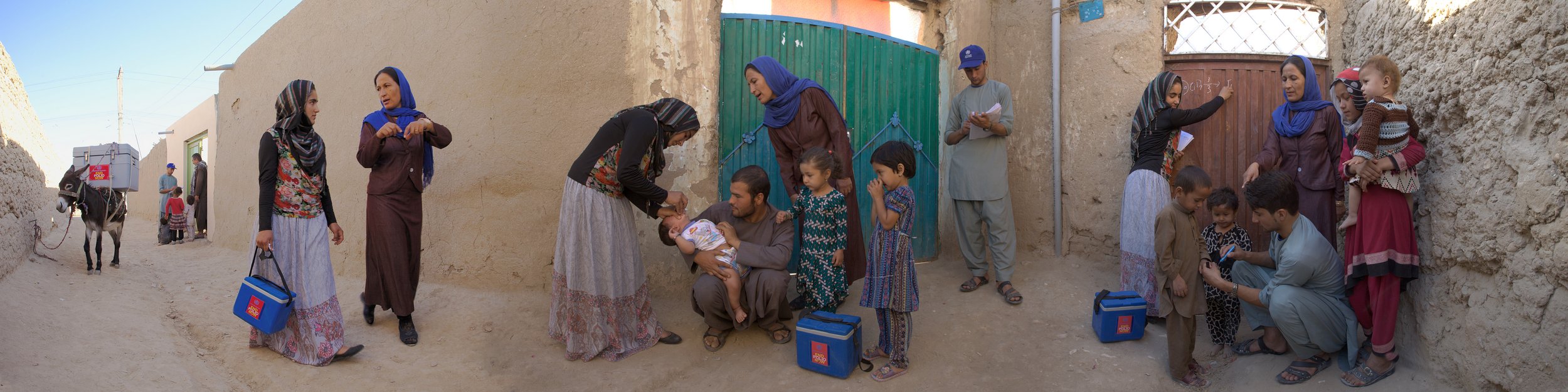
Access determined whether vaccination reached people beyond major cities. In Afghanistan, fixed sites could serve populated areas, but mobile teams and outreach clinics were vital for villages, displaced households and communities cut off by snow or insecurity. Teams needed generators, cool boxes, trained staff and reliable reporting systems to move vaccines safely and record each dose.
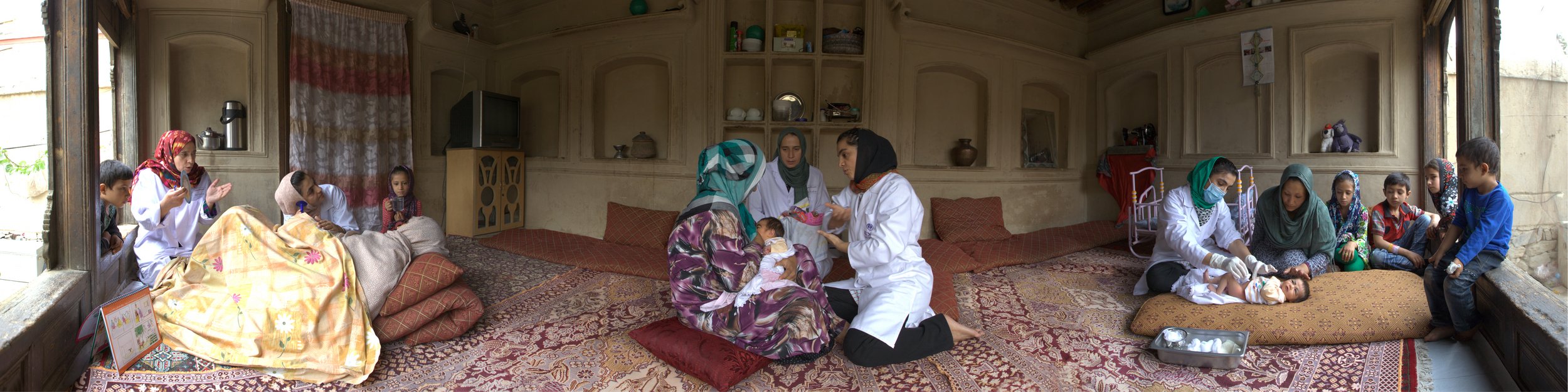
That work depended on national and local health personnel rather than a parallel UN structure. Afghan doctors, nurses, vaccinators and district teams adapted sessions to local hours, transport links and household patterns. Where women preferred female staff or needed separate spaces, female health workers played a central role in making services acceptable and usable.
The response therefore combined vaccine delivery with basic clinical care, infection prevention and referrals for other illnesses. People who came for a COVID-19 vaccine often needed advice, treatment or supplies unrelated to the pandemic. Integrating those services reduced repeated journeys and made it easier to follow up problems, particularly for older people, pregnant women and people with disabilities.
Vaccination sites also had to anticipate barriers that a national schedule could hide. A woman might need child care and permission to travel; an older man might distrust an unfamiliar team; or a community might lack a safe place to wait. Local teams used these observations to adjust hours, transport support and the language of consent forms. That practical detail determined whether nominal availability became real access.
Trust grew through local conversation
Public trust grew through conversation shaped by local language and circumstance. Dari and Pashto messages had to explain eligibility, side effects, dose schedules and the difference between misinformation and legitimate questions. Radio, community meetings, posters and social media worked best when they created room for dialogue rather than repeating slogans.
Community health workers, women’s groups and trusted religious figures often carried messages further than official announcements. They could answer a neighbour’s concern in a familiar dialect, explain why a clinic needed certain records and report changing access needs back to health authorities. Such two-way communication also helped teams spot rumours, shortages and misinformation quickly.
Australia offers a useful parallel in its multilingual suburbs and regional towns. During the rollout, pharmacies and temporary hubs in Melbourne and Sydney, alongside general practices in Bendigo and Geelong, became familiar vaccination access points. “Vax” entered everyday Australian speech, but informal language did not replace the need for clear, timely and locally relevant information.
Health workers carried the response
Health workers carried both the clinical and communication burden. They needed infection-prevention training, protective equipment, safe waste disposal, dependable rest and support for difficult conversations. Supervisors also required tools for registering doses, tracing adverse events and checking whether people had received later doses on time.
Training worked best when it was practical and delivered close to the workplace. Simulated sessions, supported vaccination days and regular feedback from clinics allowed staff to adjust without waiting for distant guidance. This mattered in a fragmented system where shortages and staff movement could interrupt a campaign even when vaccine stocks were available.
Health workers also faced stigma if they became ill after a shift, while families worried about taking a jab and then missing work. Peer support and clear guidance from supervisors helped staff answer patients’ concerns without dismissing them. Staff, provincial coordinators and community partners could discuss cases and agree on follow-up, reducing both errors and alarm.
Health priorities extended beyond immediate infection control. Children orphaned by COVID-19, conflict or poverty needed continuity of care, safe spaces and help recovering from grief and fear. The UN’s psychosocial support for orphans demonstrated how a public-health response can protect children and families whose losses affect everyday health, education and community stability.
Awareness had to fit daily life
Awareness campaigns had to fit daily life. Many people balanced essential travel, work, childcare and caring for sick relatives, so information delivered once on a poster was quickly forgotten. Short radio segments, household visits and messages at clinics and shops placed guidance where decisions were actually being made.
Digital tools offered speed but did not reach everyone. Mobile networks could carry updates and reminders, yet some families had limited data, shared devices or no reliable signal. Community radio and printed materials remained important, as did trusted intermediaries who could translate a changing set of rules into practical actions.
The Australian response used similar channels at different scales. State health services used SMS reminders, hotlines and multilingual campaigns, while pharmacies and general practices gave people direct access to advice. In regional areas, local health networks helped maintain a steady flow of information when state headlines and changing national advice made national uncertainty obvious.
Good campaigns also made space for questions that did not fit a one-way slogan. People asked whether a vaccine would prevent severe illness, how side effects should be managed and whether a dose meant abandoning other precautions. Honest answers included what was known, what was being studied and where to seek care. That clarity helped audiences interpret changing advice without treating every update as a reversal.
Lessons for Australia’s next emergency
The Afghan campaign shows that emergency vaccination succeeds when logistics and listening advance together. Cold-chain support, mobile delivery and accurate records made a dose usable; trusted messengers made the service feel legitimate. Treating these as one programme gave communities a reason to engage and gave health teams information they could act on.
Australia’s mixed delivery market offers a lesson in coordination. The Commonwealth financed vaccine access, states operated hubs and public-health communications, while general practices and pharmacies provided convenient points of care. Pandemic experience also highlighted the importance of Aboriginal community-controlled health services, whose local relationships and cultural authority were essential to trustworthy communication.
Transparency was equally important when information changed. Corrections had to reach the same audiences as the original rumour, through the same trusted channels. Teams that admitted uncertainty, explained the evidence and stated what remained unknown could preserve credibility. Concealing gaps in supply or eligibility left local rumour to fill the void.
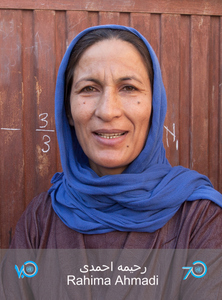
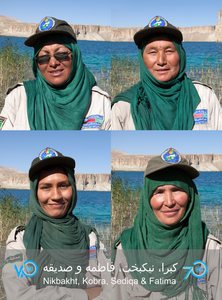
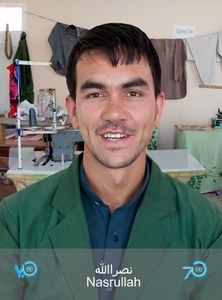
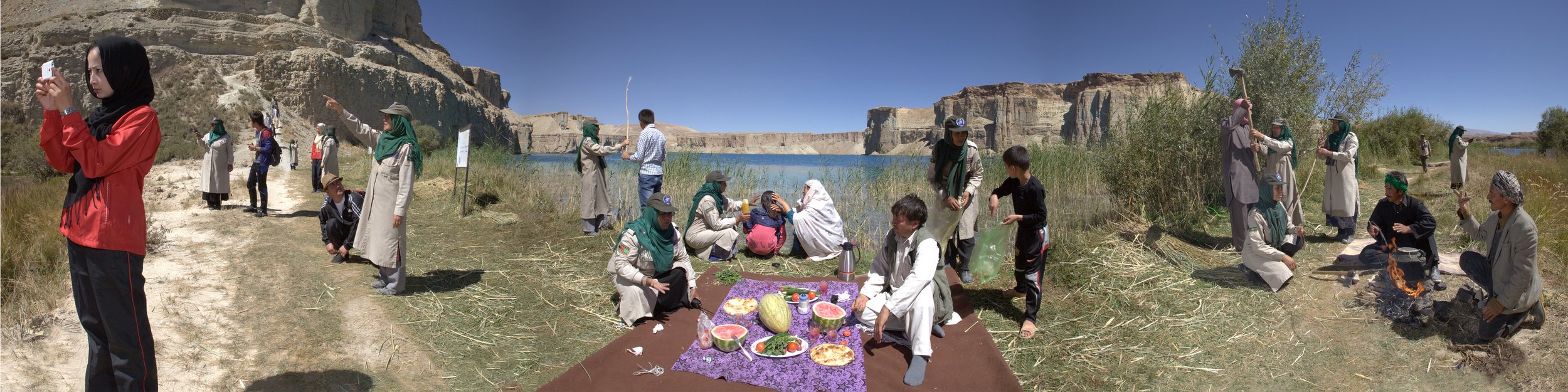
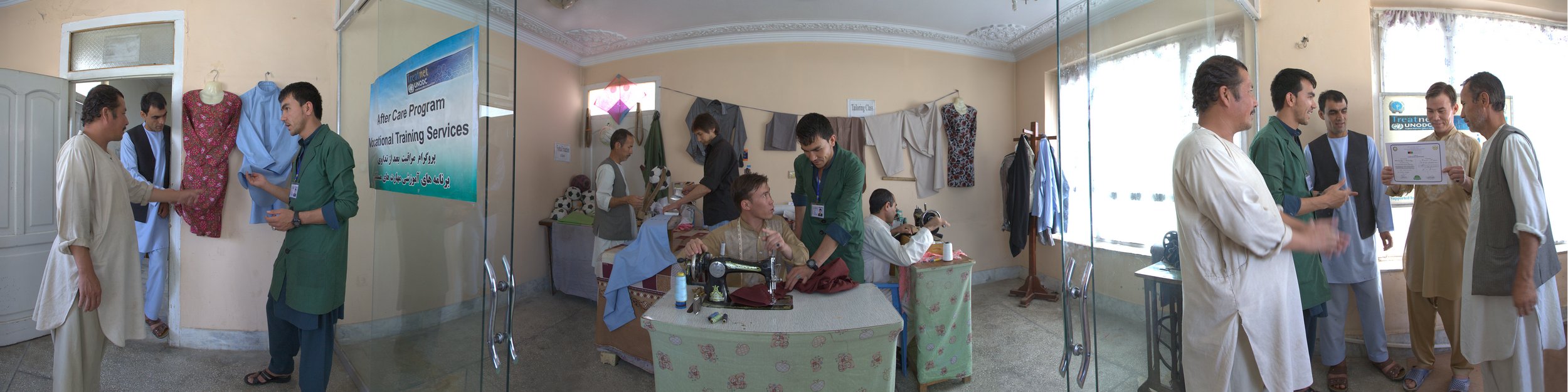
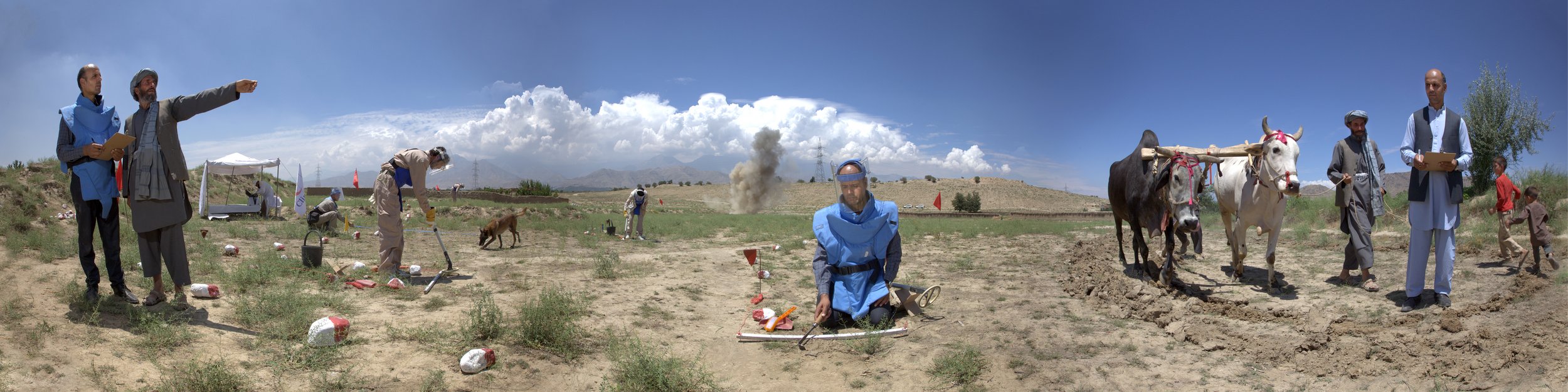
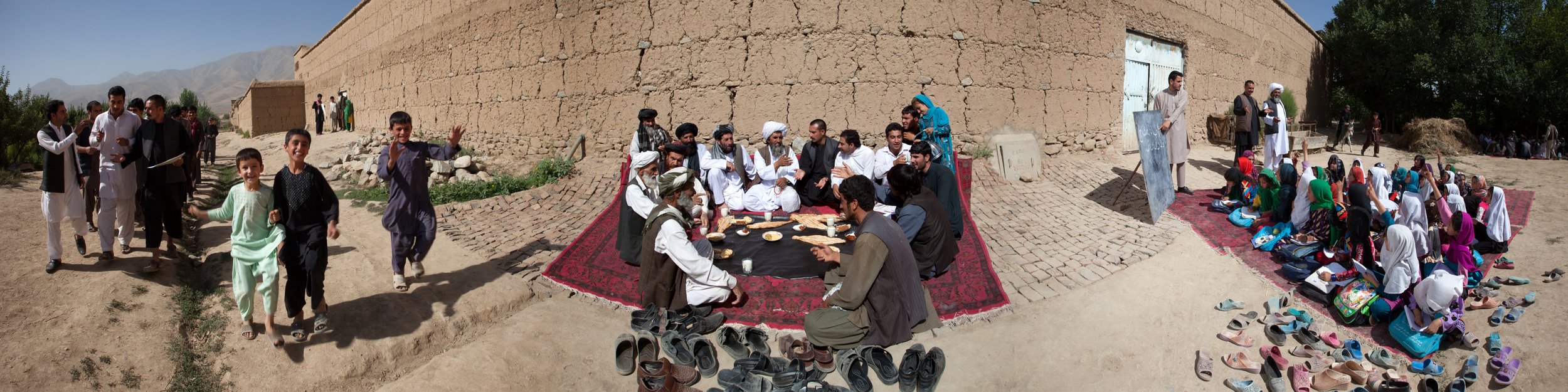
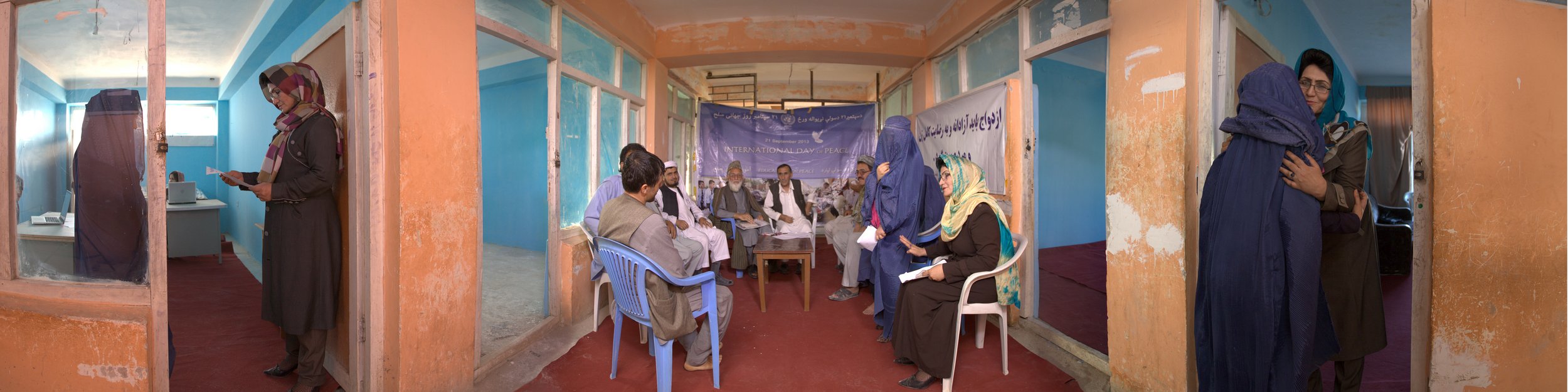
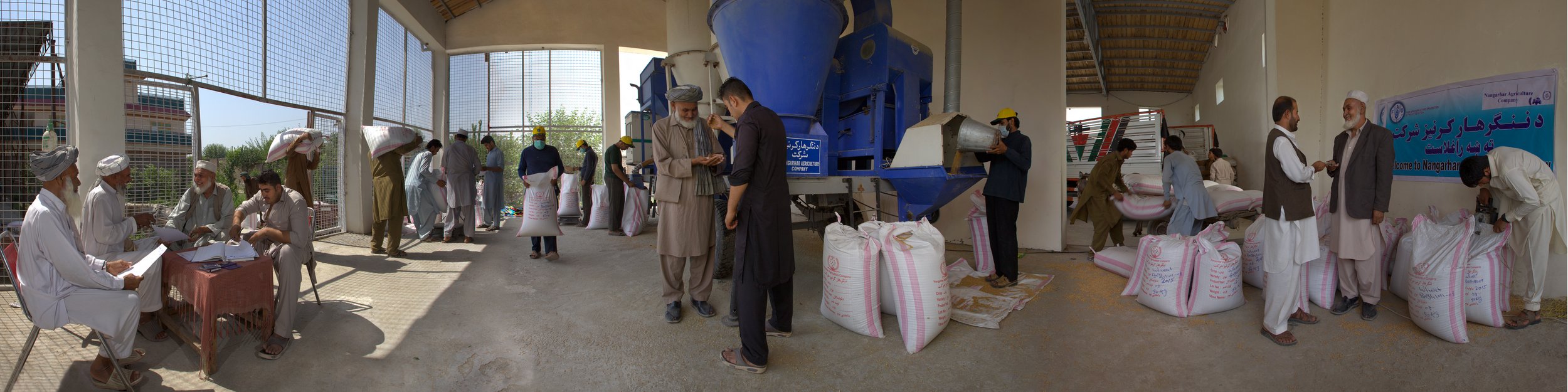
The archived “Strong UN. Strong Afghanistan.” campaign preserves stories of Afghan vaccinators, health workers and communities who kept services moving. The official site is now an archived snapshot rather than a live campaign hub. Its value extends beyond its historical record. It documents adaptable methods—community feedback, female-led outreach, clear referral pathways and practical education—that can inform Australian emergency planning when the next health threat arrives.
The shared lesson is straightforward: protection becomes possible when services reach people where they live and when communication earns confidence over time. Afghan health workers showed that dignity, safety and reliable information can turn a medical programme into a community partnership. Australian institutions can draw on that experience without pretending the operating conditions were alike.
Explore the archived UN Afghanistan campaign, read the Afghan voices and share one practical lesson with a local health, community or education network. Keep the focus on informed access and trusted delivery, and carry those principles into the next Australian public-health response.