
Making a Difference
Supporting Afghan children through care, protection and healing
Afghan children who have lost one or both parents, or who have become separated from their families, may face grief alongside displacement, poverty, violence and interrupted education. Their needs are practical and emotional at the same time. A safe place to sleep does not remove fear, and food assistance cannot by itself address bereavement, loneliness or the stress of living without a trusted caregiver.
The United Nations presence in Afghanistan has supported a broader child protection system in which psychosocial care forms one part of a coordinated response. This work involves UN agencies, Afghan authorities, local organizations, health workers, teachers, community leaders and families. Support may include psychological first aid, case management, family tracing, referrals, safe learning spaces and help for caregivers.
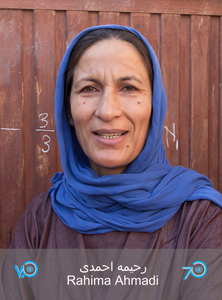
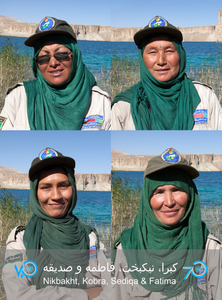
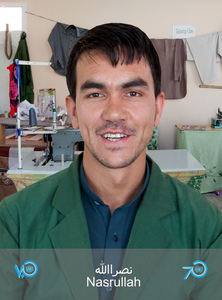
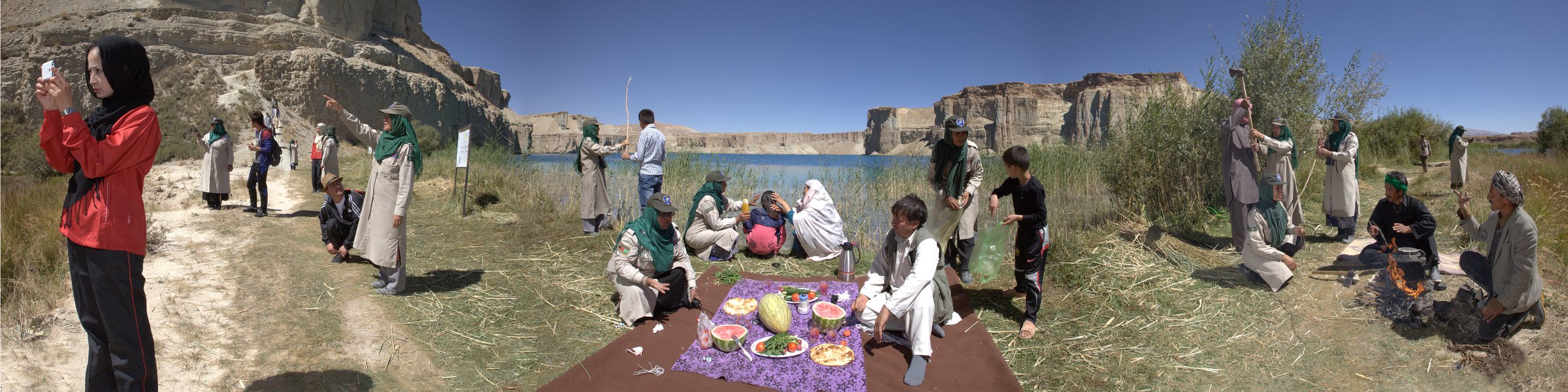
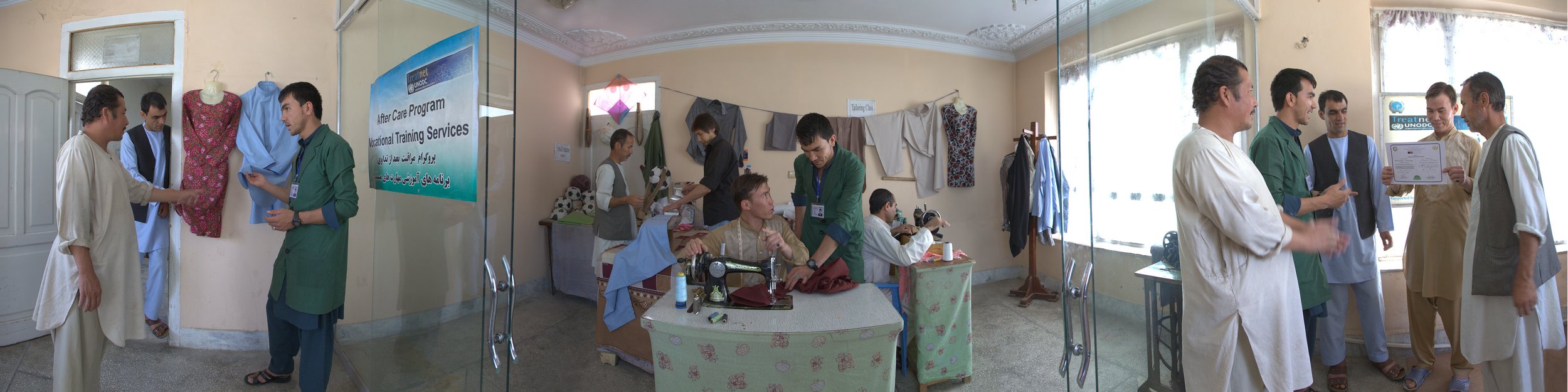
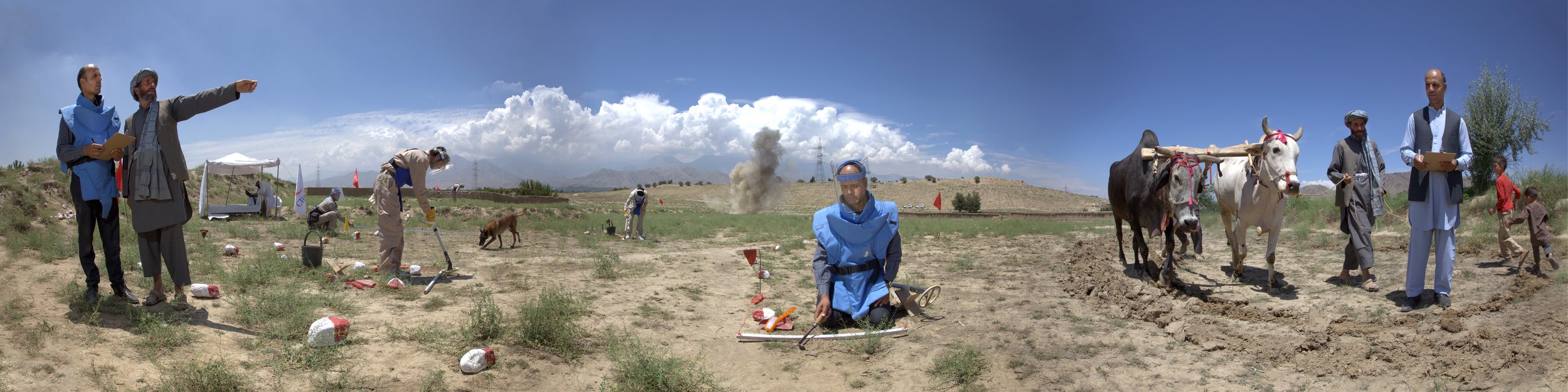
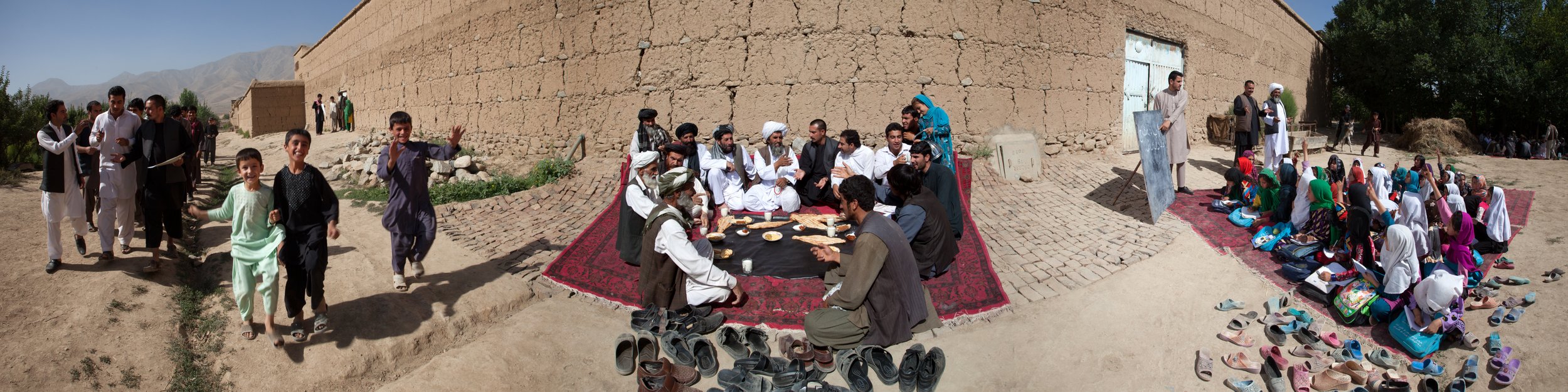
The UN70 campaign featured Afghan people and their contributions under the message “Strong UN. Strong Afghanistan.” Although the campaign website is an archived record rather than an active service portal, its emphasis on partnership remains relevant. Children’s wellbeing depends on Afghan communities having the resources and relationships needed to protect them.
Understanding the needs behind the label
The word “orphan” can describe a child who has lost a parent, but it does not capture every situation facing children without parental care. Some children have been separated from their families during conflict or displacement. Others live with extended relatives, move between households or have an adult caregiver who is unable to provide consistent protection. In child protection work, these distinctions matter because the safest response depends on the child’s circumstances.
A child may show distress through silence, aggression, sleep problems, withdrawal, fear of separation or difficulty concentrating. Younger children may return to earlier behaviors, while adolescents may take risks or carry responsibilities beyond their age. These reactions are not automatically signs of a mental disorder. They can be understandable responses to loss and insecurity, yet they deserve compassionate attention and professional assessment when they persist or interfere with daily life.
Psychosocial support recognizes that emotional wellbeing is shaped by family relationships, safety, education, income, health and community acceptance. For Afghan children, culturally familiar routines, trusted adults and faith or community networks can provide important protection. Effective care therefore avoids treating a child’s distress as an isolated medical issue.
A layered model of psychosocial care
Psychosocial support usually works best as a layered system. The first layer is a safe and supportive environment: protection from abuse and exploitation, access to basic services, predictable routines and opportunities to learn and play. The next layer strengthens family and community support through parenting guidance, peer activities, teacher training and community-based awareness.
More focused services are provided when children show greater distress or face complex risks. These may include individual or group counseling, psychological first aid, specialized mental health referrals and sustained case management. A trained caseworker can assess needs, agree on a care plan, coordinate services and follow up over time. This continuity is essential for a child who has experienced repeated moves or the loss of several caregivers.
Care must remain voluntary, confidential and appropriate to the child’s age and development. Practitioners should explain services in language children understand, obtain informed consent through proper procedures and avoid forcing a child to retell traumatic experiences. Confidentiality also requires careful handling of information, particularly where disclosure could expose a child to stigma, retaliation or further separation.
Protection, family care and community connection
For many children without parental care, the most helpful intervention is a stable, safe family environment. UN-supported child protection efforts can help identify relatives, trace family members, assess possible placements and support reunification when it is safe and in the child’s best interests. Reunification should never be automatic; children need protection from returning to abuse, neglect, trafficking or other serious risks.
When reunification is not possible, kinship care and other family-based arrangements may offer continuity and belonging. Caregivers may need assistance with documentation, food security, school enrollment, health care and access to social services. Practical support can reduce the pressure that sometimes leads families to place children in institutions or send them away for work.
Community participation helps prevent children from being defined only by loss. Art, sport, storytelling and classroom activities can provide safe ways to express feelings and rebuild relationships. The UN’s children’s art exhibition illustrates how creative work can give Afghan children a public voice and connect personal expression with messages of peace.
How partners can divide responsibilities
A coordinated response is more effective when each institution understands its role. Child protection actors can manage safeguarding concerns, case referrals and family-based care. Health services can identify serious mental health needs and provide clinical treatment or referrals. Schools can offer routine, observe changes in behavior and connect children with trusted support, while humanitarian organizations can help address displacement, disability, shelter and household vulnerability.
| Area of support | What children may need | Possible community and institutional response |
|---|---|---|
| Immediate emotional support | Calm adults, reassurance and a safe place | Psychological first aid, child-friendly spaces and trusted caregivers |
| Family care | Identification, tracing and safe reunification | Case management, family tracing and best-interest assessments |
| Daily stability | Learning, play, nutrition and health care | School access, referrals and household assistance |
| Specialized care | Help with severe or persistent distress | Qualified mental health services and supervised referrals |
| Protection | Safety from violence, exploitation and harmful work | Confidential reporting, safeguarding procedures and follow-up |
| Recovery and participation | Belonging, expression and hope | Art, sport, peer activities and community-led initiatives |
The strongest systems also establish clear referral pathways. A teacher who notices a child’s withdrawal should know whom to contact, just as a health worker should know how to refer a child facing violence or family separation. Without that connection, identification may occur without meaningful help. Training, supervision and regular coordination are as important as the initial service.
Afghan staff and local civil society organizations are central to this work. They understand languages, customs, community dynamics and the practical barriers families face. International support is most useful when it strengthens local capacity, protects humanitarian principles and provides resources that can be adapted to different provinces and communities.
Making care safe, accessible and culturally grounded
Psychosocial services must be available beyond major cities. Children in rural areas, informal settlements and displacement sites may face long distances, transport costs and a shortage of trained specialists. Community-based workers, mobile teams, school-linked support and carefully supervised task-sharing can extend basic assistance, while complex cases should have access to qualified professionals.
Gender, disability and age also shape access to care. Girls may face restrictions on movement or limited opportunities to speak privately. Children with disabilities can be overlooked or excluded from activities. Adolescents may avoid services they associate with younger children. Programs should provide discreet referral options, accessible spaces, female and male staff where appropriate, and methods that respect privacy and dignity.
Language and cultural sensitivity are essential. Staff should avoid presenting grief as a personal failure or implying that religious belief and professional care are in conflict. Collaboration with respected community and faith leaders can help families understand psychosocial support, provided confidentiality and the child’s rights remain protected. Cultural adaptation should mean respectful communication, not the acceptance of harmful practices.
Monitoring should focus on safety, continuity and wellbeing rather than simply counting counseling sessions. Useful indicators may include whether children remain in safe family care, return to education, receive referrals, participate in decisions and report feeling supported. Feedback must be collected safely, with special care for children who could face consequences for speaking openly.
Priorities for stronger child wellbeing services
A durable approach to psychosocial care for children without parental care should connect emergency assistance with longer-term social protection. Short projects can provide immediate relief, but children need consistent relationships and services that continue after a funding cycle or displacement episode ends. Building these links also helps reduce repeated assessments and the risk that vulnerable children disappear between organizations.
The following priorities can guide UN partners, Afghan institutions and community groups:
- Invest in family-based care: Support relatives and other safe caregivers with practical assistance, parenting guidance and follow-up rather than relying on institutional placement.
- Train and supervise local workers: Equip teachers, health staff, community volunteers and caseworkers to recognize distress, provide basic support and make safe referrals.
- Strengthen referral networks: Maintain clear links between child protection, mental health, education, health, disability and social assistance services.
- Create child-safe participation: Use art, play, sport and age-appropriate consultation so children can express concerns without being pressured to disclose trauma.
- Protect confidentiality and dignity: Collect only necessary information, obtain appropriate consent and ensure complaints can be made without retaliation.
These priorities should be backed by reliable funding and realistic workloads. Frontline workers also need their own supervision and wellbeing support, because exhausted staff are less able to provide patient, consistent care. Partnerships should include safeguarding standards, accessible complaints mechanisms and regular review with communities.
Linking healing with a stronger Afghanistan
Psychosocial care is closely connected to the future children can imagine. A child who feels safe enough to learn, play and maintain relationships has a stronger foundation for recovery. A caregiver who receives support is better able to provide patience and protection. A community that welcomes vulnerable children helps replace isolation with belonging.
The UN70 campaign’s archived stories offer a reminder that national strength is built through people and partnerships. For Afghanistan, that principle includes children whose lives have been shaped by bereavement, separation or displacement. Their needs should be visible in humanitarian planning, education policy, health services and community protection—not treated as a temporary concern at the edge of those systems.
Organizations working with Afghan children can act by mapping local services, training trusted adults, financing family support and creating safe channels for children’s views. Donors and institutions can reinforce that work by funding multi-year, locally led programs and requiring strong protection standards. Every coordinated referral, safe placement and supportive conversation can help a child move from surviving loss toward recovery and participation in community life.