
Making a Difference
Afghan Children’s Art: A UN Exhibition for Peace
A child’s drawing can make peace visible. Through color, shape, and familiar images, children often express hopes that are difficult to communicate in formal speeches: a safe home, a classroom without fear, a family reunited, or a future where neighbors live together. In Afghanistan, these simple images carry particular emotional weight.
A United Nations exhibition of Afghan children’s artwork can bring those hopes into a shared public space. The gallery becomes more than a display of paintings and drawings. It becomes a place where children are recognized as observers of their society, holders of memory, and participants in the work of building peace.
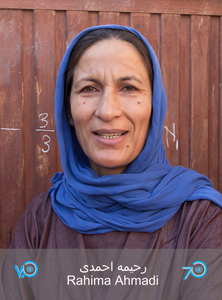
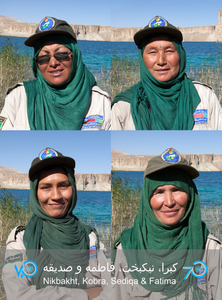
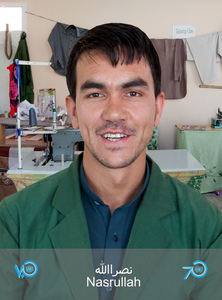
The UN70 campaign, presented through the UN Afghanistan website, focused on the relationship between a strong United Nations and a strong Afghanistan. Its stories of Afghan people and their contributions offer a fitting context for understanding children’s creative work. Art gives the campaign’s message a human scale: peace is ultimately measured in the lives, dreams, and opportunities of individuals.
Why Children’s Art Belongs in Peacebuilding
Peacebuilding is frequently described through agreements, institutions, and political processes. These are essential, but they do not fully capture how peace is experienced. A child may understand peace as walking to school safely, playing outside, hearing adults speak without fear, or seeing a health worker arrive in the community. Artwork can record these everyday meanings with striking clarity.
Children’s drawings also provide insight into how young people interpret their surroundings. A picture of a classroom may represent education, friendship, and stability at once. A landscape may preserve a connection to home. A group of people holding hands may communicate a desire for unity more directly than a formal statement. Such work should be viewed with care, without asking children to carry the burden of representing an entire country.
An exhibition can therefore support peace education while honoring individual voices. It gives visitors an opportunity to listen rather than speak for Afghan children. The artistic process may help children reflect on their experiences, imagine alternatives to violence, and recognize shared hopes with peers from different backgrounds.
A Gallery Shaped by Afghan Voices
The strongest exhibition would place the children’s own perspectives at its center. Captions could explain the title of each work, the artist’s age, and the setting in which it was created, while protecting privacy and avoiding unnecessary personal details. Where appropriate, children could provide short statements about what peace means to them or what they want adults to understand.
The display should include a range of artistic forms. Crayon drawings, watercolor paintings, collage, calligraphy, photography, and digital illustrations can sit alongside one another. Different media allow children to communicate in different ways, and variety prevents the exhibition from presenting a single image of Afghan childhood.
Curatorial choices matter. A peaceful future should not be represented only through suffering or destruction. The exhibition can acknowledge hardship while giving equal attention to gardens, books, family gatherings, traditional patterns, sports, music, friendship, and local landscapes. This balance protects children from being reduced to symbols of conflict and presents them as creative people with full and varied lives.
The UN70 Connection
The UN70 campaign marked seven decades of the United Nations and highlighted the organization’s partnership with people in Afghanistan. Its central message, “Strong UN. Strong Afghanistan,” can be understood through the relationship between international support and local agency. Children’s art illustrates that relationship particularly well: global attention creates a platform, while Afghan children provide the ideas, images, and experiences that give the platform meaning.
An exhibition connected to this campaign would complement the photographs, public messages, and personal stories associated with the wider initiative. Instead of presenting Afghanistan only through statistics or institutional language, it would show how national aspirations are expressed by young citizens. The result would be a more personal record of the country’s hopes and the UN’s engagement with communities.
The archived nature of the UN Afghanistan website is important for present-day readers. The campaign is no longer active, but its materials remain valuable as a record of how the United Nations communicated with the public. A digital or physical collection of children’s artwork can serve a similar archival purpose, preserving creative testimony that might otherwise disappear when an exhibition closes.
| Exhibition element | Peacebuilding value | Care needed |
|---|---|---|
| Children’s drawings and paintings | Makes young people’s hopes visible and encourages empathy | Obtain informed consent and protect identities |
| Artist statements | Allows children to explain their own ideas about peace | Use their words accurately and avoid editing away meaning |
| Community scenes | Highlights shared life, cooperation, and belonging | Avoid presenting one community as representative of all Afghanistan |
| Educational imagery | Connects peace with learning and opportunity | Recognize different access to school and other services |
| Digital gallery | Extends access beyond the physical venue | Provide safe publishing practices and accessible formats |
| UN messages and photographs | Links personal stories with broader peace efforts | Preserve context and avoid using art as political decoration |
Themes Visitors May Discover
One recurring theme may be the relationship between peace and education. Children often draw schools as places of possibility, showing desks, teachers, books, flags, or groups of classmates. These details reveal that education is more than a service. It is a social space where children develop confidence, learn to cooperate, and imagine roles in their communities.
Another theme is home. Afghan children may depict courtyards, mountains, village paths, urban streets, farms, or family rooms. These images can communicate belonging and continuity. Even when a drawing contains no explicit reference to conflict, it may express a powerful wish to remain connected to a familiar place and to live there securely.
Nature can also become a language of peace. Trees, rivers, flowers, birds, and open skies often appear in children’s visual expression because they suggest growth and freedom. In an exhibition, these images can be placed beside works that address fear or loss, allowing viewers to see both the vulnerability and resilience present in young people’s lives.
The theme of community may be especially significant. Children can show people sharing food, helping one another, celebrating, playing, or working together. Such scenes demonstrate that peace is built through relationships. It involves trust between families, respect across differences, and institutions that protect people fairly.
Ethical Care for Young Artists
An exhibition involving children must begin with safeguarding. Participation should be voluntary, and permission should be obtained from parents or guardians in accordance with local standards. Children should understand where their work may appear, whether their names will be published, and whether photographs or interviews will accompany their art.
Organizers should avoid pressuring children to create images of trauma. They should never suggest that a drawing must be sad, political, or dramatic to deserve attention. Creative freedom includes the right to make a picture about ordinary happiness. A bright image of a game or a family meal may express peace as powerfully as a direct appeal for an end to violence.
Privacy is equally important in digital spaces. Names, locations, school details, and facial images should be shared only when permission and safety considerations support publication. Online galleries should use secure systems, clear moderation policies, and accessible contact information for reporting concerns.
Interpretation requires humility. Adults may see meanings that the child did not intend, or miss meanings that are obvious within a particular cultural setting. Curators, translators, teachers, and community representatives should work together so that captions respect language, custom, and context.
From Exhibition to Learning
The exhibition can become a learning resource for schools, youth groups, museums, and community organizations. Teachers might invite students to discuss what makes a place feel safe, how art can resolve disagreement, or which public services help children thrive. These conversations can connect visual expression with civic education and human rights.
Workshops can extend the display beyond passive viewing. Children might create collective murals, peace postcards, storyboards, or illustrated pledges for their neighborhoods. Group projects encourage cooperation and allow participants to practice listening, compromise, and shared decision-making.
Visitors can also be invited to leave written reflections, provided the process is moderated and safe. A wall of responses may reveal common concerns across different communities: the importance of education, family security, dignity, health, and hope. These responses can become part of the exhibition’s record and show how Afghan children’s ideas affect adult audiences.
A digital version would make the collection available to people unable to visit a gallery. It could include audio descriptions, translated captions, short videos about the creative process, and downloadable classroom materials. Accessibility should be considered from the beginning so that children and adults with different abilities can participate fully.
Principles for a Responsible Exhibition
A carefully designed display can honor children while supporting the wider goals of peace, dignity, and partnership. The following principles help keep the focus on young artists rather than on institutional promotion:
- Put children’s own words, choices, and creative intentions ahead of official messaging.
- Present Afghan children as individuals and creators, not as anonymous symbols of conflict.
- Include joy, culture, imagination, and ordinary life alongside difficult realities.
- Protect privacy through informed consent, careful captions, and responsible digital publishing.
- Connect the artwork with practical learning about peace, community, education, and human rights.
These principles also apply to photographs, interviews, and social media posts linked to the exhibition. Every additional format should preserve the same standard of dignity. A powerful image can attract attention, but ethical storytelling determines whether that attention benefits the children whose work is being shared.
The United Nations can contribute space, reach, and convening power, yet the exhibition should remain grounded in Afghan communities. Local educators, artists, parents, cultural organizations, and youth representatives can guide the process. Their involvement ensures that the project reflects lived experience rather than an outside interpretation of it.
Keeping the Message Visible
An exhibition of Afghan children’s art offers a lasting way to connect the UN70 campaign’s public message with the everyday meaning of peace. Its value lies in the directness of the work. A child does not need diplomatic language to show what safety, belonging, or opportunity looks like. A few lines on paper may be enough to invite a wider conversation.
The archived UN Afghanistan campaign remains a reminder that international institutions are strongest when they work with people rather than speaking over them. Preserving children’s artwork, stories, and aspirations keeps that partnership visible. It also gives future audiences a chance to encounter Afghanistan through creativity, not only through crisis.
Support the preservation and responsible sharing of Afghan children’s creative work. Visit the archived UN Afghanistan campaign materials, explore its stories and photographs, and help keep children’s visions of peace at the center of conversations about Afghanistan’s future.