
Making a Difference
UN reintegration packages for returning Afghan refugees
When families cross back into Afghanistan after years of displacement, the journey home carries luggage and the weight of starting over in a land reshaped by decades of upheaval. The United Nations has built a layered approach to ease that transition, combining immediate material assistance with longer term programs that touch education, livelihoods, shelter, and health. These reintegration packages recognise that returning home is a process unfolding over months and years, requiring sustained coordination between humanitarian agencies, national authorities, and the communities welcoming returnees.
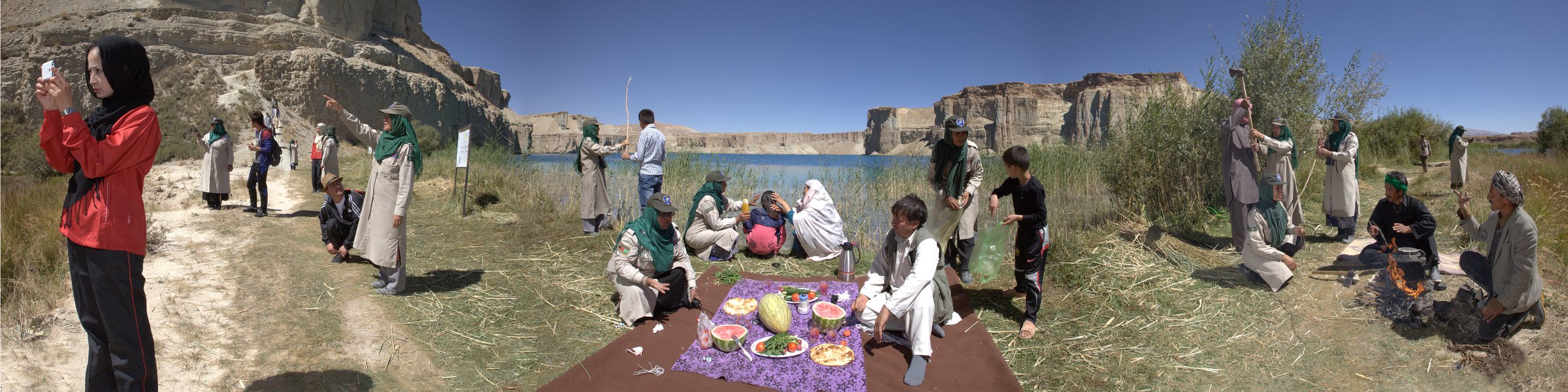
For Australians, the story resonates in unexpected ways. Melbourne's northern suburbs and Dandenong host one of the largest Afghan diaspora communities, with families maintaining close ties to relatives in Nangarhar, Balkh, and Herat. Conversations in Brunswick tea houses or Blacktown community centres often turn to news from the homeland. Australia's Afghan population, woven into suburban life through halal butchers, mosques, weekend picnics near Parramatta River, and Saturday cricket matches, maintains a direct stake in how reintegration unfolds.
The humanitarian response operates against severe economic contraction inside Afghanistan. International sanctions, frozen central bank assets, and a collapsed banking system have pushed millions into poverty. UN agencies design reintegration packages that work around these constraints, using cash delivered through mobile money where possible, vouchers for essential goods, and partnerships with local NGOs who understand provincial dynamics. The aim is a measure of dignity, helping families re-establish routines of work, school, and community participation.
This article explores how the United Nations structures its support for returning Afghan refugees, the practical contents of reintegration packages, and why these efforts matter to Australians whose own communities have been shaped by the Afghan experience. It draws on the broader framework of UN engagement in Afghanistan, including education initiatives such as UN temporary schools for emergency education, part of the architecture helping children reclaim normalcy.
The reintegration framework and its pillars
The United Nations Assistance Mission in Afghanistan and the wider UN country team developed reintegration packages around four interconnected pillars: protection, basic needs, livelihoods, and community resilience. Protection comes first because returnees, particularly those arriving from Iran and Pakistan where many Afghans lived as second or third generation migrants, often face documentation gaps. Birth certificates may be lost, school records impossible to retrieve, and identity papers inconsistent across borders. UN agencies work with the Directorate of Refugees and Repatriation to verify identities and issue documents allowing returnees to access services, open bank accounts, and enrol children in school.
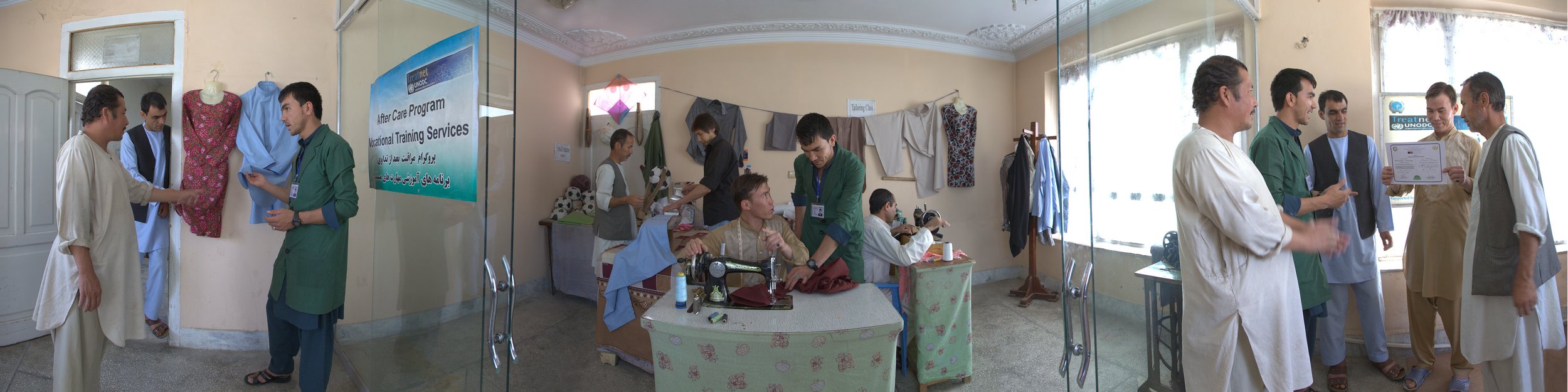
Basic needs support typically includes a one time cash grant, food assistance for several months, and a household kit containing cooking utensils, blankets, and hygiene items, calibrated to provincial prices and seasonal needs. The cash component circulates through local markets, supporting shopkeepers, farmers, and tradespeople in returnee districts. Livelihoods and community resilience form the third and fourth pillars, with agencies funding small business grants, vocational training, and agricultural inputs. A returned family might receive training in beekeeping, mobile phone repair, or tailoring, paired with a starter kit, modest investments that generate local employment and anchor returnees in their new communities.
Education access for children on the move
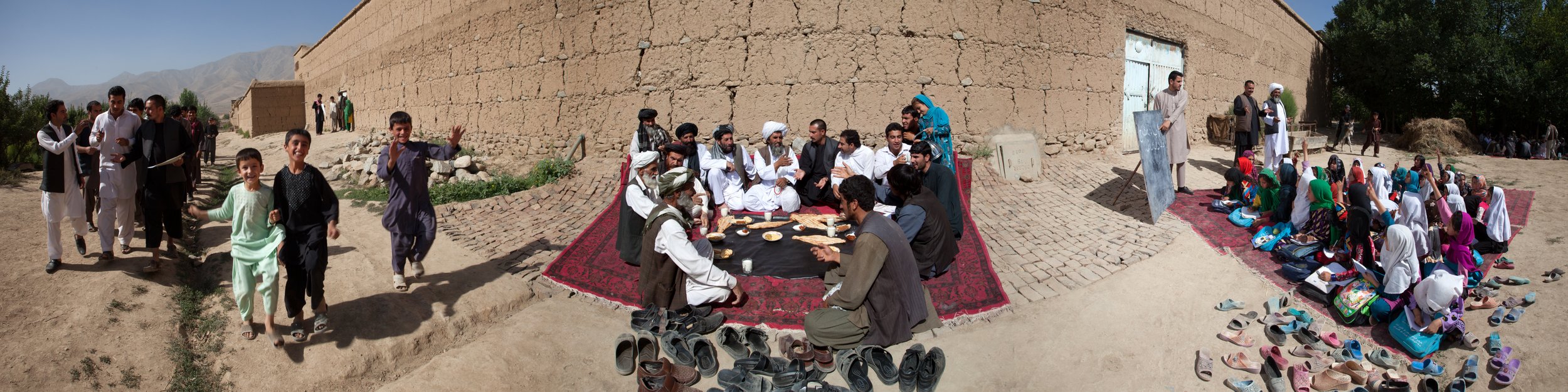
For children, enrolment in school signals successful reintegration. Across Afghanistan, an entire generation has known classrooms only through the lens of crisis. The UN's education in emergencies work, including temporary learning spaces detailed in UN temporary schools for emergency education, reaches children in settlements where permanent infrastructure is damaged or overcrowded. These spaces use tents, community buildings, and rented rooms to provide structured learning with locally recruited teachers.
Curriculum continuity matters. Children who attended Pakistani madrassas or Iranian schools face friction transitioning to Afghan national content. Catch up classes, language support for Dari and Pashto speakers returning from Farsi or Urdu dominant schools, and accelerated learning programmes help bridge the gap. In provinces where Taliban edicts have restricted girls' secondary schooling, UN agencies support home based learning circles and community education centres operating with local consent, keeping books in children's hands while longer term negotiations continue.
Economic empowerment through livelihoods
A reintegration package without a livelihood component is little more than a delayed crisis. The UN has placed economic empowerment at the centre of its returnee strategy, working with the International Labour Organization, UN Women, and the Food and Agriculture Organization across three tracks: agricultural recovery, small enterprise development, and skills training linked to local labour market demand.
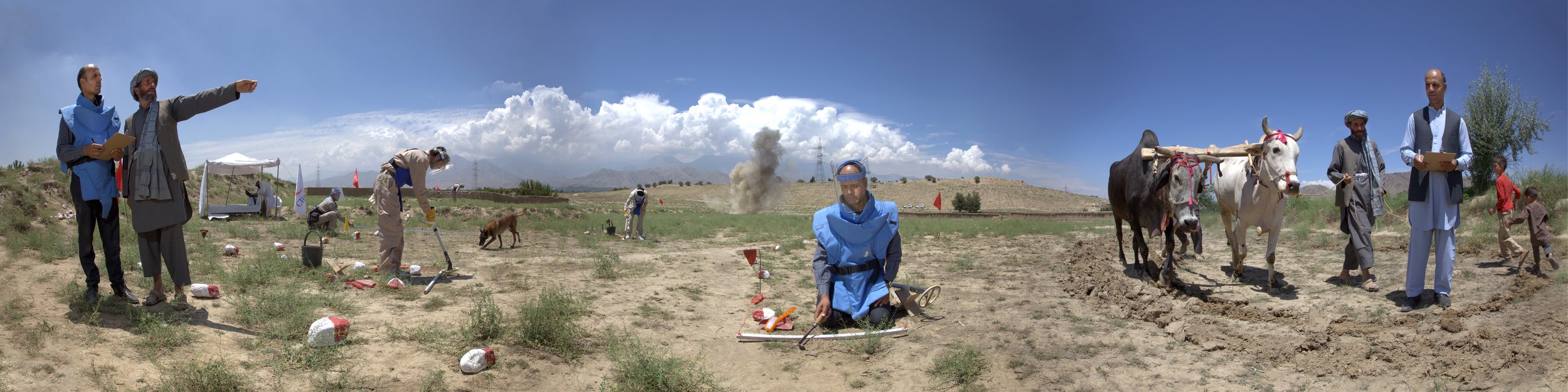
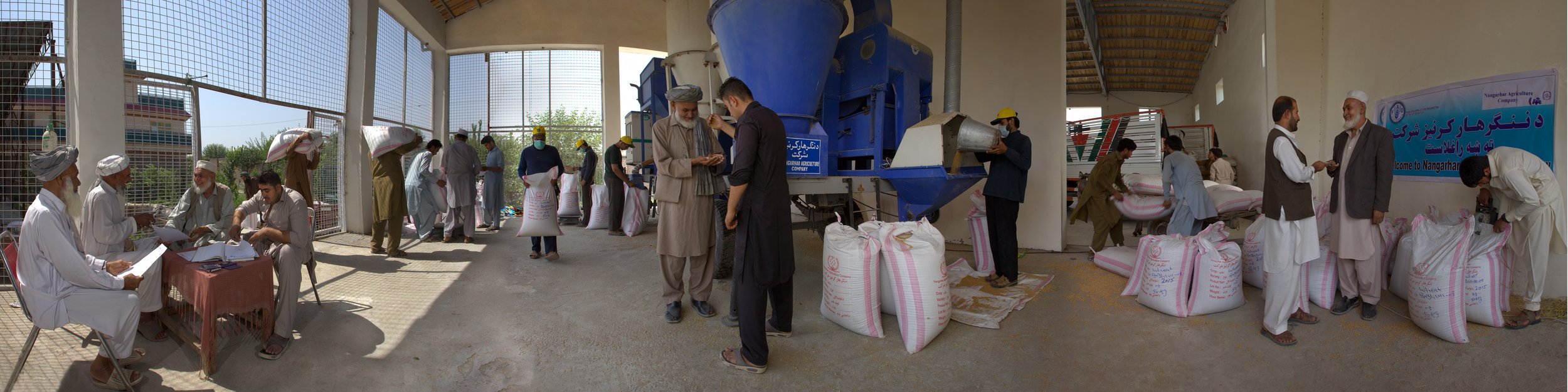
Agricultural recovery targets the seventy percent of Afghans deriving income from farming. Returning families reclaim land left fallow, with irrigation channels silted up and orchards neglected. UN projects rehabilitate small scale irrigation, distribute drought resistant seeds, and provide veterinary care for returned livestock, restoring productive capacity within a single growing season. Small enterprise development identifies market gaps and offers grants of a few hundred dollars paired with business training, while skills training in construction, plumbing, solar installation, and information technology helps returnees leverage expertise from abroad. For Australian readers, the parallel with TAFE pathways and skilled migration programmes is worth noting, as both recognise that recognition of prior learning accelerates integration.
Housing, infrastructure, and community spaces
Shelter ranks among the most immediate concerns. Many homes were damaged during conflict, occupied by other families, or collapsed after years of neglect. The UN response includes emergency shelter kits, debris clearance support, and partnerships with organisations experienced in seismic and flood resistant reconstruction. Where returnees settle in informal camps on the outskirts of Kabul, Mazar-i-Sharif, or Jalalabad, agencies work with municipal authorities to upgrade water points, latrines, and access roads.
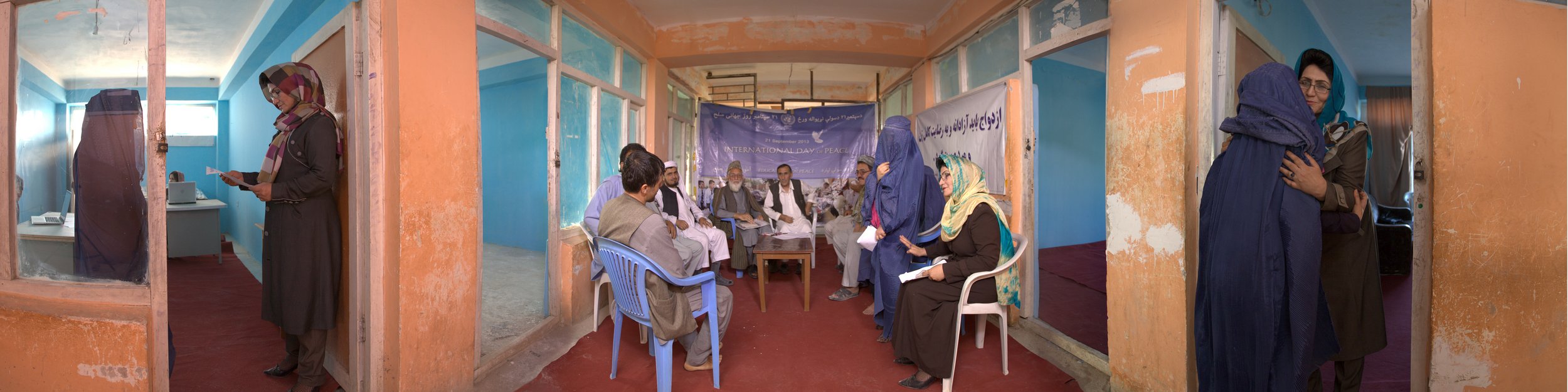
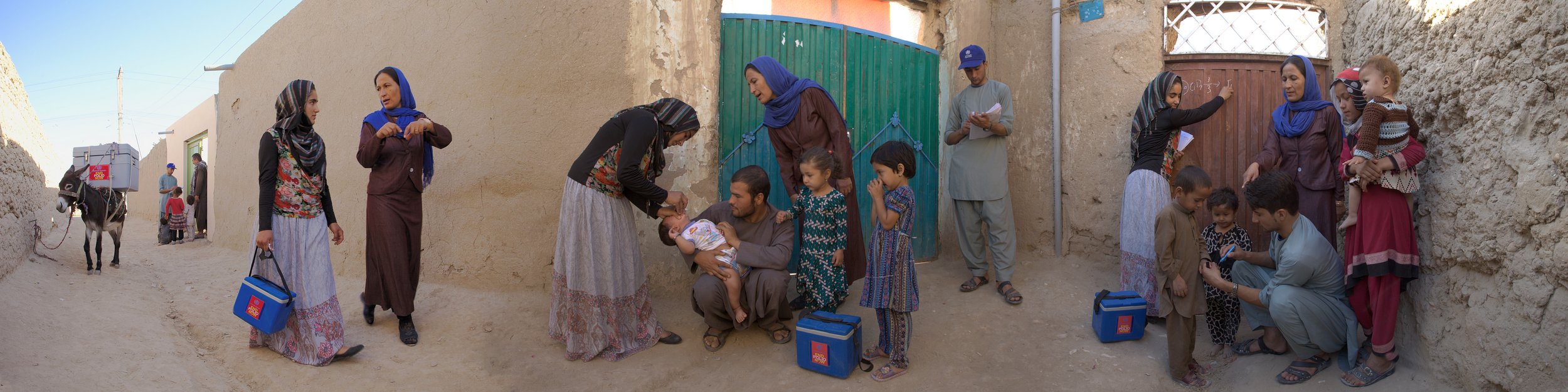
Community spaces serve multiple reintegration functions. A rehabilitated mosque, repaired community hall, or new women's centre becomes a venue for literacy classes, vaccination drives, dispute resolution, and psychosocial support sessions, anchoring social life in ways that pure material assistance cannot. Returnee housing initiatives are embedded within broader district development plans, leveraging the UN's longstanding relationships with provincial reconstruction teams and district shuras to avoid parallel systems that confuse beneficiaries.
Health services and psychosocial wellbeing
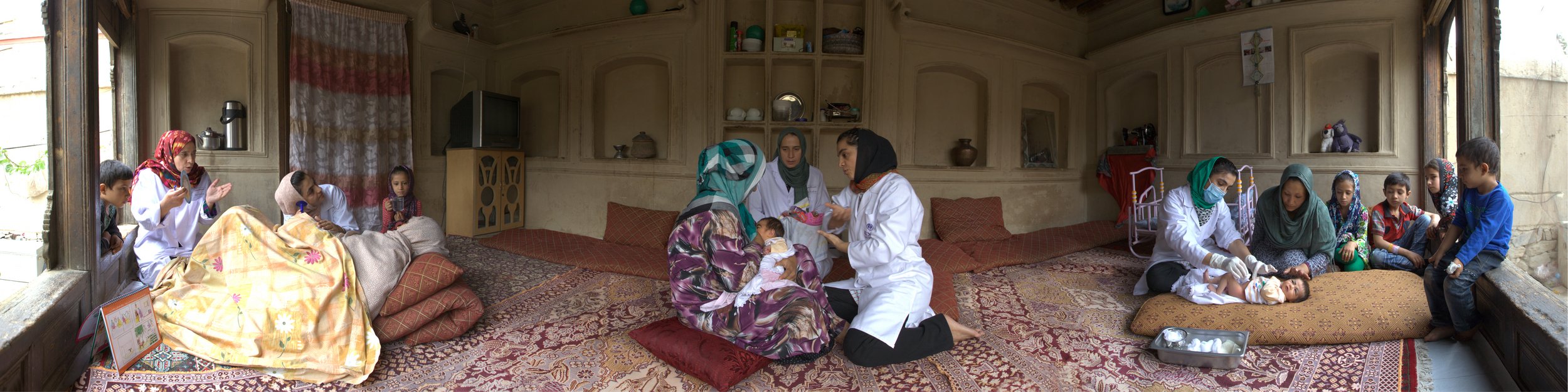
Health needs do not pause for paperwork. Returnees frequently arrive with chronic conditions poorly managed during displacement, untreated injuries, and the psychological weight of prolonged uncertainty. UN supported clinics in receiving areas provide primary healthcare, maternal and child health services, nutrition screening for children under five, and referrals for complex cases to provincial hospitals, with mobile teams extending coverage to remote districts where families may have resettled.
Psychosocial support is woven through health services rather than siloed. Community health workers are trained to recognise trauma, grief, and anxiety, offering basic counselling or referring to specialists. Women's safe spaces, often run by UN Women and partner NGOs, provide settings where female returnees access reproductive health information and participate in income generating activities. Mental health remains an area where the UN acknowledges limits, with scarce psychiatrists and unavailable medications driving an emphasis on capacity building and family based approaches.
Australia's connection and the diaspora's role
Australia's engagement with Afghan displacement has unfolded across decades, from Hazara and Tajik arrivals in the 1990s to humanitarian visas issued after the 2021 transition. Afghan Australians have built thriving communities in Sydney's western suburbs, Melbourne's northern corridors, Adelaide's inner west, and parts of Brisbane and Perth, contributing as doctors, engineers, small business owners, and tradespeople. Their engagement with UN reintegration work includes remittances sent through hawala networks, advocacy through organisations such as the Australian Hazara Women's Friendship Network, and direct visits by family members assisting with practicalities of return.
Australian foreign policy intersects with reintegration outcomes. The humanitarian programme continues processing applications from Afghans at risk, particularly women, journalists, and minority groups. Sanctions regimes, designed to pressure de facto authorities, have secondary effects on banking, trade, and humanitarian delivery inside Afghanistan. Lawmakers have debated these trade offs in parliamentary committees, with civil society groups calling for carve outs allowing humanitarian organisations to operate without legal ambiguity. University programmes in international development and public health at institutions such as the University of Melbourne, Monash, and the Australian National University offer pathways for long term engagement, while supporting local Afghan businesses and attending community events helps sustain a diaspora uniquely positioned to advocate for humane reintegration support.
The story of Afghan returnees is being written today in receiving centres, schools, clinics, and homes across Afghanistan, and Australians have a stake in it through family ties, professional expertise, or a shared belief in the dignity of every person forced to flee. Explore the resources published through official UN channels to learn more about ongoing work, and consider adding your voice to calls for sustained international attention to the people rebuilding their lives after years away from home.