
Making a Difference
UN-Monitored Afghan Prison Conditions: Health And Food Inspections
Prison inspections in Afghanistan sit at the intersection of public health, human rights and basic public administration. When an independent body examines a detention facility, it may assess far more than cells and security procedures. Medical access, drinking water, sanitation, nutrition, overcrowding and the treatment of women, children and people with disabilities all provide evidence about whether people in custody are being held safely and lawfully.
For Australian readers, the subject can feel distant, yet the underlying concerns are familiar. A correctional centre in Sydney, Melbourne or Brisbane still depends on clean kitchens, qualified health workers, reliable records and functioning complaint systems. The Afghan setting is different, with distinct legal, economic and security pressures, but careful monitoring applies the same principle: a person’s essential needs do not disappear at the prison gate.
Why Prison Inspections Matter
A prison inspection is a practical test of whether official rules are being implemented. Written regulations may promise medical care or adequate meals, while daily conditions tell another story. Inspectors therefore compare policy with physical evidence, staff accounts, prisoner interviews, medical registers, food stores and observations of ordinary routines.
Independent monitoring also reduces the risk that serious problems remain hidden. Illnesses can spread quickly in crowded facilities, particularly where ventilation, clean water or isolation rooms are limited. Malnutrition may be missed when meals are distributed according to a fixed schedule but fail to provide sufficient calories, protein or dietary variety.
In Afghanistan, detention facilities may face shortages of medicines, trained personnel, fuel and safe infrastructure. Inspection findings can help humanitarian agencies and authorities identify urgent needs, while repeated visits can show whether repairs or policy changes have produced real improvements. A single visit offers a snapshot; a consistent monitoring programme can reveal patterns.
What UN Monitoring Can Cover
United Nations monitoring is generally concerned with protection, access and compliance rather than running prisons itself. Depending on the mandate and operating conditions, monitors may visit facilities, speak privately with detainees, review registers and raise concerns with responsible authorities. The precise scope of access matters: confidential interviews are more informative when people can speak without fear of retaliation.
A health and food inspection may examine the number of people held, the length of detention, access to lawyers and family contact, and the availability of medical referrals. It can also consider whether prison staff keep accurate records of deaths, injuries, infectious disease, pregnancy, disability and medication. These records are essential for spotting trends that are invisible during a short walk through a facility.
Monitoring should include safeguards for vulnerable groups. Women may require reproductive and maternal healthcare, while children need age-appropriate protection and education. Older prisoners and people with chronic conditions may require regular treatment rather than occasional emergency attention. The inspection process should also consider whether interpreters are available and whether complaints can be submitted safely.
Health Checks Behind Prison Walls
Medical inspections begin with access. A facility should have a functioning clinic or a clear arrangement for outside treatment, emergency transport and hospital referral. Inspectors may check whether qualified health workers are present, whether essential medicines are stored safely and whether people can request care without being punished or ignored.
Public health conditions are equally important. Toilets, bathing areas, rubbish disposal, ventilation and sleeping arrangements influence the spread of respiratory, skin and gastrointestinal diseases. In hot regions, heat stress and dehydration can become serious risks; in colder seasons, inadequate clothing or bedding can aggravate illness. A health review should therefore consider local climate as well as clinical services.
Mental health deserves sustained attention. Detention can intensify anxiety, depression and trauma, particularly for people separated from family or held for long periods. A basic inspection may ask whether staff recognise distress, whether urgent cases receive attention and whether people are protected from violence. It should avoid treating psychological care as an optional extra.
Australian readers may associate prison healthcare with state-based correctional systems and the broader expectations created by Medicare, hospital referral and professional regulation. Afghanistan’s healthcare infrastructure and resources are not directly comparable. The useful comparison is the principle that a person in custody should not be denied necessary treatment simply because they cannot arrange it independently.
Food, Water And Kitchen Hygiene
Food inspections look at quantity, quality, preparation and distribution. Monitors may review menus, purchasing records and storage conditions, then observe whether meals are actually served as planned. They can check for spoiled ingredients, pests, unsafe temperatures, contaminated water and kitchen overcrowding. A meal that appears adequate on paper may be smaller in practice if supplies are diverted or serving equipment is inconsistent.
Dietary needs can arise from health, age, pregnancy, religion or cultural practice. In Afghanistan, food planning may need to account for halal requirements and locally available staples, while also providing adequate protein, vegetables and micronutrients. A nutritious menu does not have to resemble an Australian supermarket diet; it does need to meet basic energy and health requirements using safe, suitable ingredients.
Water quality is inseparable from food security. Prisoners need enough potable water for drinking, cooking and washing utensils. During drought, infrastructure failure or seasonal disruption, water shortages can affect both hygiene and nutrition. Inspectors may test supplies, examine storage containers and ask whether people can access water throughout the day rather than only at meal times.
The Australian comparison is easy to see in local food markets. A Melbourne farmers’ market may display fresh produce with visible supply chains and refrigeration, while a prison kitchen may depend on irregular deliveries and limited cold storage. Inspection work bridges that gap by asking practical questions about procurement, preservation and accountability rather than judging a facility by appearance alone.
Local Participation And Wider Recovery
Prison conditions cannot be separated from the wellbeing of surrounding communities. Families may travel long distances to deliver food, clothing or medicines, especially where institutional supplies are unreliable. Transport costs, security concerns and changing rules can make visits difficult. Monitoring can record these barriers and consider whether prison administration is placing unreasonable burdens on relatives.
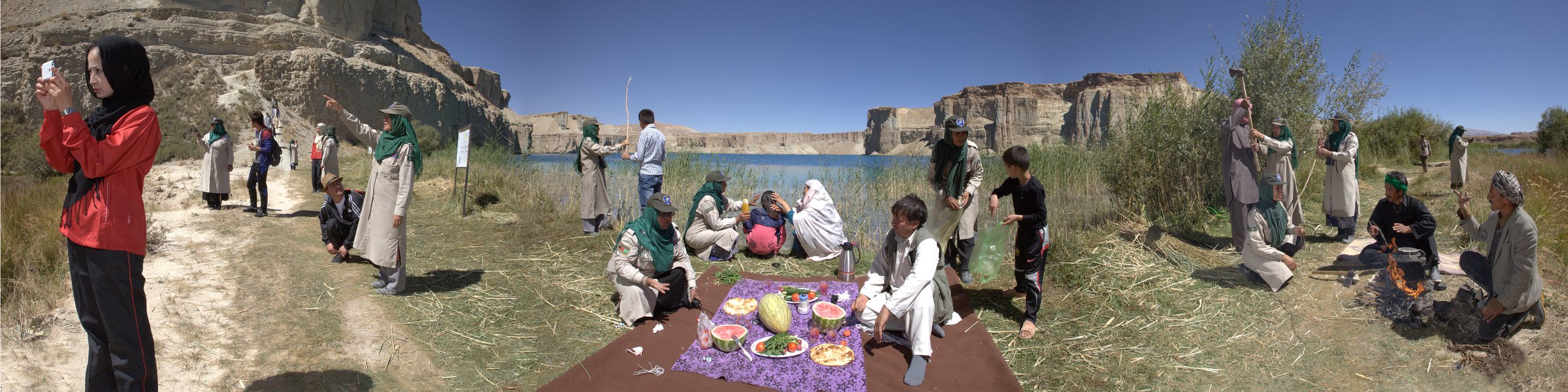
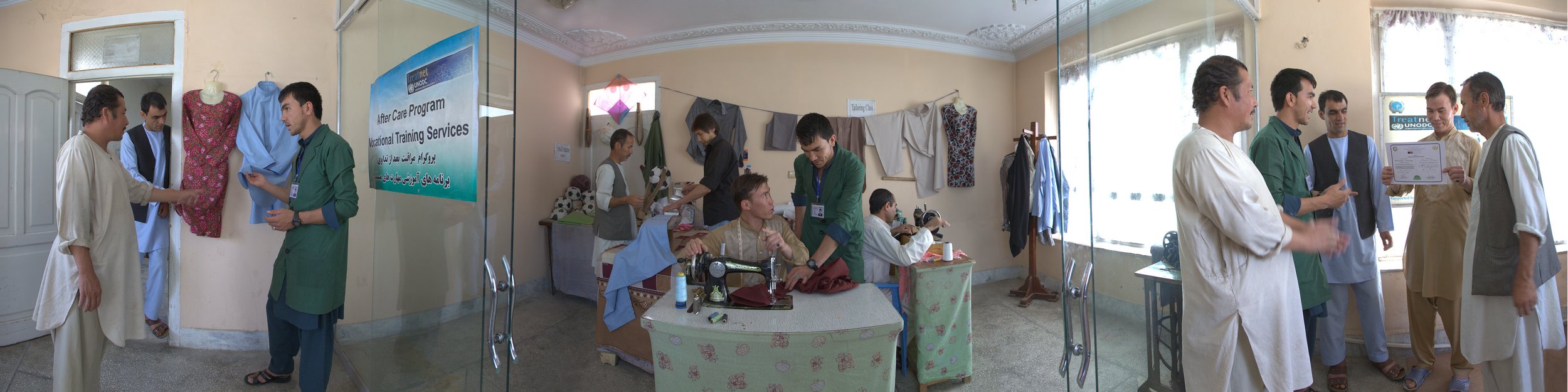
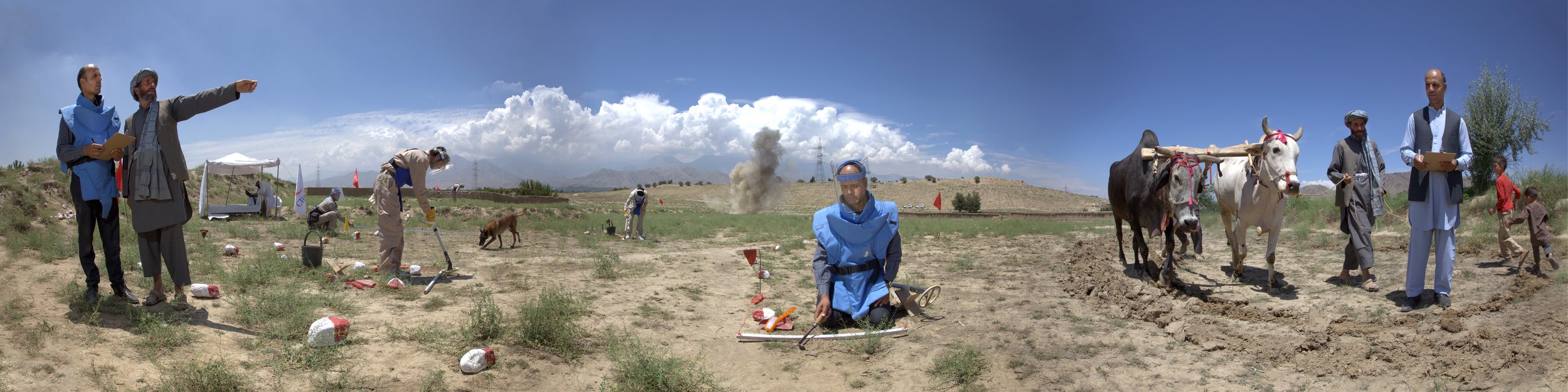
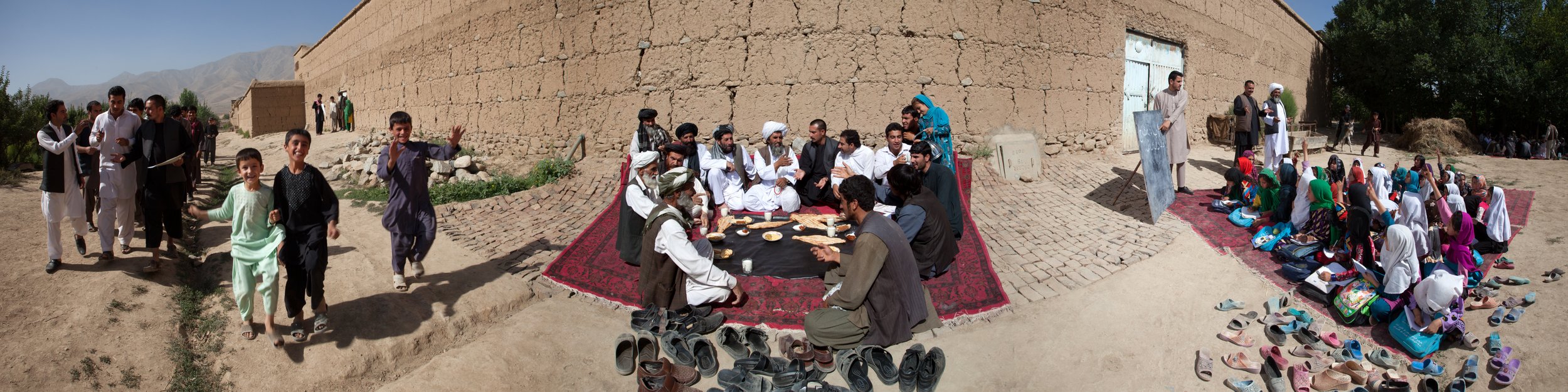
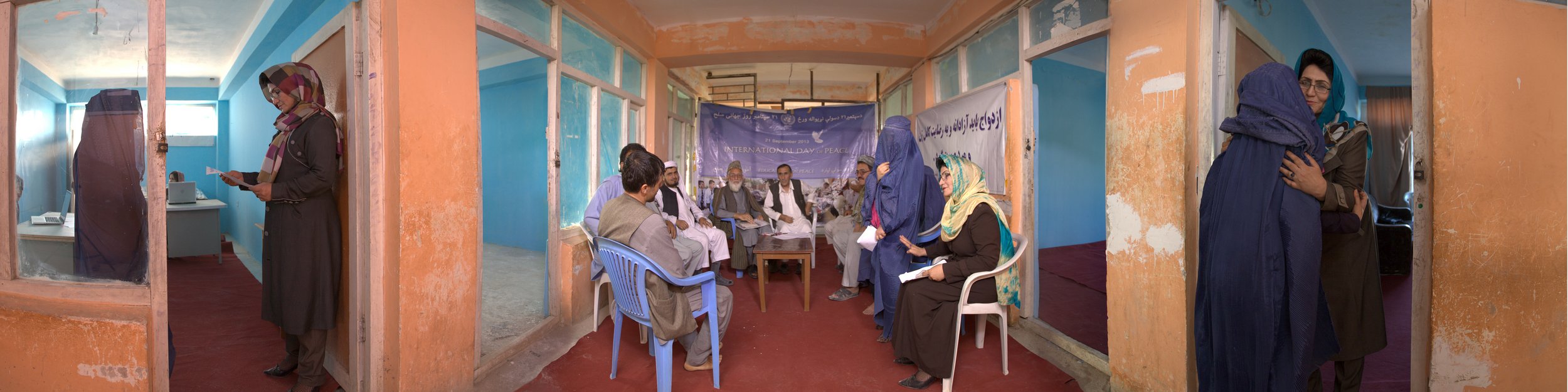
Community participation also matters outside detention facilities. Afghan volunteers, local organisations and public institutions contribute to resilience in many areas, including health, livelihoods and environmental recovery. The Green Afghanistan initiative illustrates how local volunteers can support practical work with wider social benefits, a reminder that durable recovery depends on Afghan participation rather than outside direction alone.
For Australian audiences, this community dimension may be familiar from Aboriginal and Torres Strait Islander-led services, multicultural health organisations and local charities working alongside government agencies. Such comparisons should be made carefully because the histories and institutions differ. The shared lesson is that local knowledge can reveal needs that formal reporting systems overlook.
An inspection report should therefore record more than defects. It can identify trusted community actors, barriers to family contact and opportunities for cooperation with health providers. This turns monitoring into a source of practical information for reform, while keeping responsibility with the authorities who control detention.
Reading Inspection Findings Carefully
Readers should distinguish between a monitoring report, a media release and an advocacy statement. A formal report may describe methodology, dates, facilities visited and limitations on access. A public statement may focus on urgent concerns and use broader language. Each has value, but they answer different questions.
Look for evidence about who was interviewed, whether conversations were confidential and how information was verified. Strong reporting usually separates direct observation from allegations, records gaps in access and explains whether findings apply to one facility or a wider prison system. Numbers should be read with care when the population changes rapidly or records are incomplete.
Absence of evidence is not proof that a problem does not exist. If monitors could not enter a medical ward, speak with women privately or inspect food stores, that limitation should remain visible. Conversely, one clean kitchen or newly painted clinic cannot establish that conditions are consistently safe across all Afghan detention sites.
The UN70 campaign archive provides useful context for understanding how UN Afghanistan presented its relationship with Afghan people and communities. Its stories and photographs belong to a completed campaign rather than a current inspection dashboard. That distinction matters: campaign material can show public messaging and partnership themes, while prison monitoring requires current, facility-specific evidence.
Practical Indicators For Public Understanding
A concise way to assess a report is to separate immediate welfare indicators from accountability indicators. The first group concerns what people experience each day; the second concerns whether authorities can identify problems and correct them. Both are needed before claims about improvement can be trusted.
Readers in Australia may encounter these issues through humanitarian reporting, parliamentary debates, university research or community events in Perth, Adelaide, Canberra and elsewhere. Clear terminology helps prevent distant suffering from becoming an abstract statistic. Reports should name the facility, date the visit and explain what inspectors were able to verify.
Daily welfare indicators
- Safe drinking water, adequate meals and hygienic food preparation
- Access to qualified medical staff, medicines and emergency referrals
- Clean toilets, bathing facilities, ventilation and suitable bedding
- Protection for children, women, older people and those with disabilities
Accountability indicators
- Private interviews and safe, usable complaint channels
- Complete records of illness, injury, deaths and medication
- Regular follow-up visits with published findings or clear responses
- Defined responsibility for repairs, supplies and medical referrals
These indicators are relevant to local conversations about correctional standards, whether the setting is an Afghan detention centre or an Australian facility. They do not erase differences in law, resources or culture. They provide a disciplined vocabulary for asking whether authorities are protecting health, respecting dignity and responding to evidence.
UN-monitored Afghan prison conditions should be understood through that combination of facts and limits. Health and food inspections are valuable because they turn broad principles into observable questions: Is the water safe? Are medicines available? Are meals nutritious? Can a detainee complain without danger? Has a reported failure been corrected?
Use reliable UN records, independent monitoring findings and reputable humanitarian reporting to follow developments. Share accurate information through Australian community, education and policy networks, and support organisations that place Afghan voices, public health and human dignity at the centre of their work.