
Making a Difference

Growing a greener Afghanistan through local action
A greener Afghanistan begins with practical work close to home: protecting hillsides, restoring degraded land, planting native trees and giving communities a reason to care for new growth long after a campaign ends. Reforestation can improve soil, reduce erosion, shelter crops and create a visible connection between environmental stewardship and everyday wellbeing.
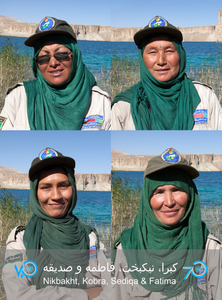
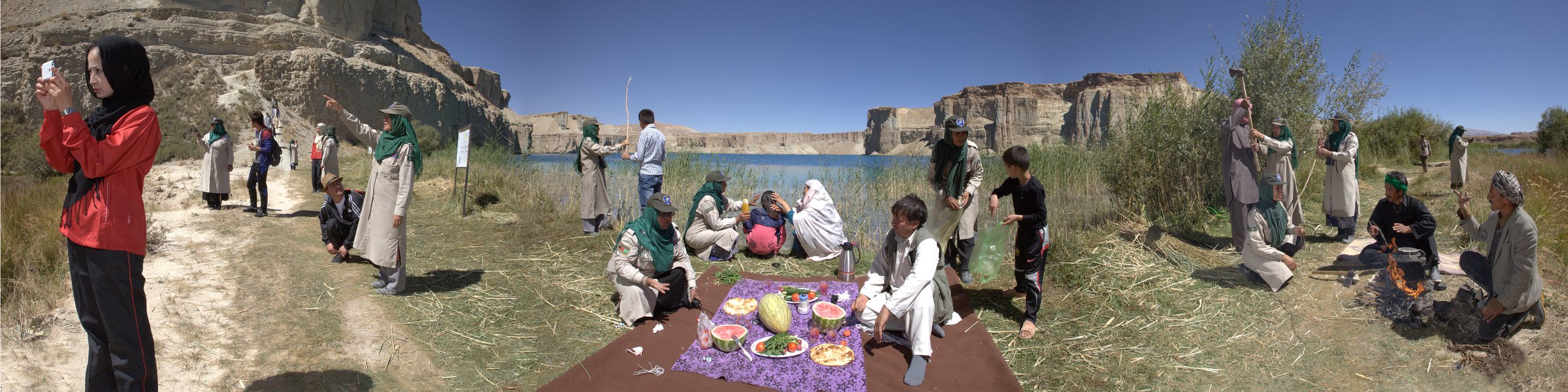
The Green Afghanistan Initiative can be understood as a community-centered approach to restoring tree cover with Afghan volunteers at its heart. Rather than treating forests as a distant technical concern, this model places local people in the roles of planners, planters, guardians and storytellers. Their knowledge helps determine where trees can survive and how restoration can fit local customs, water availability and livelihoods.
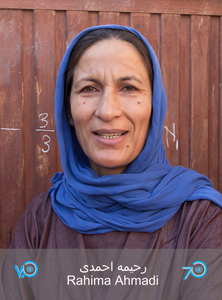
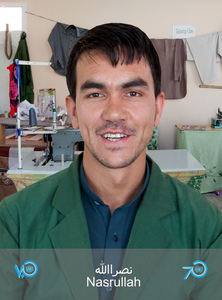
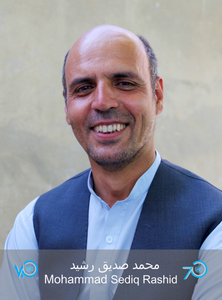
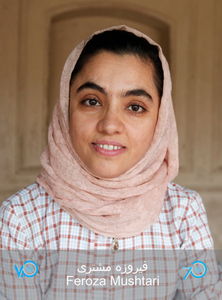
This perspective also reflects the broader spirit of the UN70 “Strong UN. Strong Afghanistan.” campaign, which highlighted Afghan individuals and their contributions. An archived campaign website can preserve photographs, messages and stories, even when the original campaign is no longer active. Those records help show how collective action, including environmental work, can strengthen communities.
Why reforestation matters in Afghanistan
Afghanistan’s landscapes face pressure from drought, water scarcity, soil degradation, unmanaged grazing, fuel collection and the loss of natural vegetation. In many areas, removing trees exposes fertile soil to wind and water erosion. The consequences can reach farms, grazing areas and settlements, especially when heavy rain follows long dry periods.
Trees cannot solve every environmental problem, and planting alone is not a complete restoration strategy. A successful program must consider watershed protection, native shrubs, grasslands, riparian vegetation and the regeneration of existing woodland. It must also account for the survival rate of seedlings rather than measuring success by the number planted on a single day.
Reforestation can still provide important long-term benefits. Tree roots help stabilize slopes, leaf litter gradually improves soil structure and vegetation can create shade and habitat. In suitable locations, trees may support fruit production, windbreaks, beekeeping and small-scale income. These benefits become more meaningful when communities choose species and sites that match local conditions.
Local volunteers turn planting into stewardship
Volunteer participation gives an environmental project a social foundation. Residents understand which springs remain reliable, where animals graze, which slopes are vulnerable to erosion and how seasonal labor affects household decisions. Their input can prevent the common mistake of placing seedlings in attractive but unsuitable locations.
A local volunteer network may include farmers, students, teachers, religious and community leaders, women’s groups, youth organizations and environmental workers. Each group can contribute differently. Students might help with awareness activities and mapping, farmers can advise on water and land use, while community leaders can support agreements that protect young trees from grazing or cutting.
The most important work often begins after planting day. Volunteers can organize watering schedules, replace damaged seedlings, mark protected areas and report threats. Simple monitoring records—such as the number of surviving trees after one rainy season—can provide more useful evidence than publicity photographs alone.
Participation should be inclusive and safe. Women and young people need meaningful opportunities to contribute, while local arrangements must respect community preferences and access restrictions. A reforestation effort becomes stronger when residents see it as their own shared investment rather than an outside project temporarily operating in their area.
From campaign message to practical environmental action
The phrase “Strong UN. Strong Afghanistan.” carries particular relevance when environmental goals are linked to local capability. International organizations can provide coordination, technical advice, seedlings, tools, training and connections with donors. Afghan volunteers provide place-based knowledge, trust and the continuity needed for restoration to last.
The United Nations can also help connect environmental programs with wider priorities. Tree planting may support disaster risk reduction, food security, climate adaptation, livelihoods and public health. A restored watershed can reduce sediment in irrigation channels; a protected slope can lower erosion risk; and a community nursery can create useful skills and modest employment.
This partnership works best when responsibilities are clear. Technical teams can advise on native species, nursery management and ecological risks. Local committees can establish planting rules and maintenance schedules. Municipal or provincial authorities can help align projects with land-use plans. Independent monitoring can document results and identify problems before they become permanent.
The campaign’s archived stories and photographs offer a reminder that public recognition matters. When Afghan volunteers are presented as capable contributors, environmental action gains dignity and visibility. Their work is no longer an isolated planting exercise; it becomes part of a national story about resilience, responsibility and shared public value.
| Restoration priority | Role of local volunteers | Support that partners can provide | Useful measure |
|---|---|---|---|
| Native tree and shrub planting | Select suitable sites and protect seedlings | Ecological guidance, tools and nursery materials | Seedling survival after one and two years |
| Watershed rehabilitation | Identify erosion points and vulnerable springs | Water management advice and site assessment | Reduced erosion or improved ground cover |
| Community nurseries | Raise seedlings and manage distribution | Training, seed supply and basic equipment | Healthy plants ready for local planting |
| Public environmental education | Lead school, neighborhood and farm outreach | Educational materials and coordination | Participation and adoption of care practices |
| Land protection | Help define grazing and cutting agreements | Mediation and links with local authorities | Area maintained under agreed protection |
Choosing the right trees and places
A tree is valuable only if it can survive where it is planted. Species selection should reflect elevation, rainfall, soil type, water access, temperature, wildlife and the needs of nearby households. Native and well-adapted species are generally preferable because they are more likely to fit local ecosystems and require fewer artificial inputs once established.
The planting site matters just as much. Hillsides may need contour planting or small erosion-control structures before seedlings are introduced. Riverbanks require species that tolerate periodic flooding without blocking natural water flow. Dryland locations may be better suited to drought-tolerant shrubs, grasses or carefully managed agroforestry than to dense rows of trees.
Water planning is essential in the first seasons. A nursery can produce healthy plants, yet survival may fall sharply if transport and follow-up irrigation are ignored. Community volunteers can help schedule watering, use mulch to conserve moisture and identify the best planting period. In some locations, fewer trees with reliable care will deliver better results than large numbers planted without maintenance.
Restoration should also protect biodiversity. A mixed landscape containing trees, shrubs and ground cover can support birds, pollinators and beneficial insects more effectively than a uniform plantation. Avoiding invasive species, preserving natural regeneration and leaving room for native vegetation can make a project more resilient to drought and pests.
Linking environmental recovery with community wellbeing
Reforestation has a stronger chance of lasting when it responds to household priorities. Families may support tree protection if they can see benefits such as fruit, shade, fodder, improved soil, wind protection or reduced damage from flooding. These benefits must be planned carefully so that new planting does not compete with essential crops or scarce water.
Community forestry can create a shared framework for managing resources. Local agreements may identify who can collect fallen branches, where livestock can graze, which trees are protected and how disputes will be addressed. Such rules should be transparent and developed with the people who depend on the land, rather than imposed without local participation.
Environmental restoration also belongs within broader recovery efforts. People returning to Afghanistan need access to land, services, livelihoods and community networks. The United Nations’ work on refugee reintegration illustrates why recovery is interconnected: successful reintegration depends on coordinated support, and healthy local environments are part of the conditions that help communities rebuild.
Returning families and long-term residents can participate together in nursery work, watershed protection and public-space planting. These activities can create practical opportunities for cooperation, especially when projects are designed around shared needs rather than labels. Careful planning is needed to avoid competition over land or water, but inclusive restoration can help strengthen trust.
Measuring what survives and grows
A credible green initiative needs clear indicators. The simplest is seedling survival, recorded at regular intervals rather than immediately after planting. Other measures may include the area with improved vegetation cover, the number of functioning nurseries, reduced soil loss, participation in maintenance and the adoption of local protection agreements.
Monitoring does not require expensive technology in every location. Volunteers can use consistent site names, photographs from fixed positions, simple counting methods and paper or mobile records. Training a small group of local monitors can create continuity and make it easier to compare results across seasons.
Data should be used for learning rather than public relations alone. If seedlings fail because of grazing, the protection system needs revision. If a species performs poorly, future planting should change. If a nursery succeeds, its methods can be shared with neighboring communities. Honest reporting protects resources and improves the credibility of future environmental partnerships.
The human results deserve attention as well. A successful project may build leadership among young people, strengthen cooperation between villages, improve environmental knowledge in schools or create new roles for women’s groups. These outcomes may be less visible than a planted hillside, yet they influence whether restoration continues after external funding or campaign attention declines.
Building a durable volunteer movement
A volunteer-led effort needs structure without losing its community character. Local committees can keep planting calendars, assign maintenance duties and communicate with technical partners. Short training sessions can cover seedling handling, safe tool use, water conservation, fire prevention and basic ecological observation.
Recognition can help sustain motivation. Certificates, public acknowledgments, school exhibitions and community events can celebrate contributions without turning the work into a competition. Photographs and personal stories can document progress, especially when they show care and maintenance as well as planting.
Partners should provide realistic support. Seedlings, transport, protective fencing, storage, training and monitoring all carry costs. Projects that rely entirely on unpaid labor while overlooking these requirements may lose momentum. Modest resources directed toward local coordination can have a substantial effect on survival and accountability.
The strongest model is locally led and institutionally connected. Afghan volunteers should help define priorities and make decisions, while UN agencies, civil society organizations and authorities contribute technical knowledge, coordination and access to wider networks. This balance respects local ownership while giving communities the tools to restore land effectively.
Practical priorities for the next planting season
- Map degraded slopes, riverbanks and community spaces before selecting species or setting planting targets.
- Establish small local nurseries so seedlings are adapted to nearby conditions and easier to maintain.
- Agree on watering, grazing and tree-protection responsibilities with residents before planting begins.
- Train volunteer monitors to record survival, erosion, water use and emerging environmental risks.
- Share results through schools, community gatherings and trusted media so successful methods can spread.
A green Afghanistan will be built through repeated acts of care: a seedling protected from livestock, a spring kept clear, a hillside stabilized, a student taught to value native vegetation and a volunteer returning to check growth after the public event has ended. The Green Afghanistan Initiative represents this practical vision of restoration through partnership.
Archived UN Afghanistan campaign materials can continue to preserve the spirit behind that work. By connecting Afghan voices, community effort and environmental responsibility, they show how a strong partnership can support recovery in ways that are visible, local and lasting.
Organizations, community groups and individuals can carry the work forward by supporting native-tree nurseries, volunteering in restoration activities, sharing reliable environmental information and helping local caretakers monitor what survives. Every well-chosen planting site and every protected young tree adds to a wider landscape of resilience.