
Making a Difference
Afghan Refugees Return Home and the UN’s Reintegration Efforts
For many Afghans, returning home is the end of a long period of displacement rather than the end of a journey. Families may cross the border carrying limited belongings, uncertain documentation, interrupted education and memories of conflict. Once back in Afghanistan, they must find shelter, secure an income and reconnect with communities that may have changed significantly during their absence.
The United Nations supports this process through humanitarian assistance, protection services and programmes designed to help returnees rebuild their lives. Reintegration is broader than transportation or emergency relief. It involves restoring legal identity, access to housing, health care, education, livelihoods and community networks while reducing pressure on host communities.
The UN Afghanistan website described here is an archived snapshot of the UN70 “Strong UN. Strong Afghanistan.” campaign. Although that campaign has ended and the page is no longer active, its emphasis on Afghan people, local contributions and partnership remains relevant to understanding how recovery depends on communities as well as institutions.
Return Is Only the First Step
Afghan refugees and other displaced Afghans return through different circumstances. Some make a voluntary decision to go back after years abroad. Others return because residence permits expire, border policies change or economic conditions in a host country become difficult. The experience of a family arriving after a planned journey is very different from that of people deported or forced to leave with little notice.
This distinction matters for reintegration planning. A returnee household may arrive without a home to live in, land to cultivate or relatives able to provide support. Children may have spent most of their lives outside Afghanistan and lack recognized school records. Adults may possess skills that are difficult to use in the local economy. Women and people with disabilities can face additional barriers when seeking documents, work or essential services.
For these reasons, the UN and its partners generally treat return as a protection and recovery issue. Immediate assistance can prevent hunger, exposure and family separation, while longer-term support aims to help households remain safely in their communities. Sustainable return depends on whether people can establish a viable life after the initial assistance ends.
Coordinated Support Across the Return Journey
The United Nations High Commissioner for Refugees, the International Organization for Migration and other UN agencies contribute to different parts of the return and reintegration process. Coordination with Afghan authorities, local organizations, neighboring countries and humanitarian partners helps identify needs before departure, at border crossing points and after arrival.
At reception locations, support may include transportation, temporary accommodation, food, water, health referrals, protection information and assistance with onward travel. Registration and monitoring help agencies understand who is returning, where families intend to settle and which groups need urgent support. Such information is essential when large movements occur over a short period.
UN agencies also work within communities receiving returnees. Assistance may be directed to both returnees and long-term residents so that limited services do not become a source of tension. Repairing a water system, expanding a clinic or supporting a school can benefit an entire settlement while helping returning families access the same basic services as their neighbors.
Reintegration therefore requires cooperation across sectors. Shelter specialists, protection officers, education providers, health workers, livelihood experts and local leaders each address a part of the challenge. No single agency can resolve the structural causes that make return difficult, including unemployment, poverty, drought and limited public infrastructure.
Protection, Documentation and Essential Services
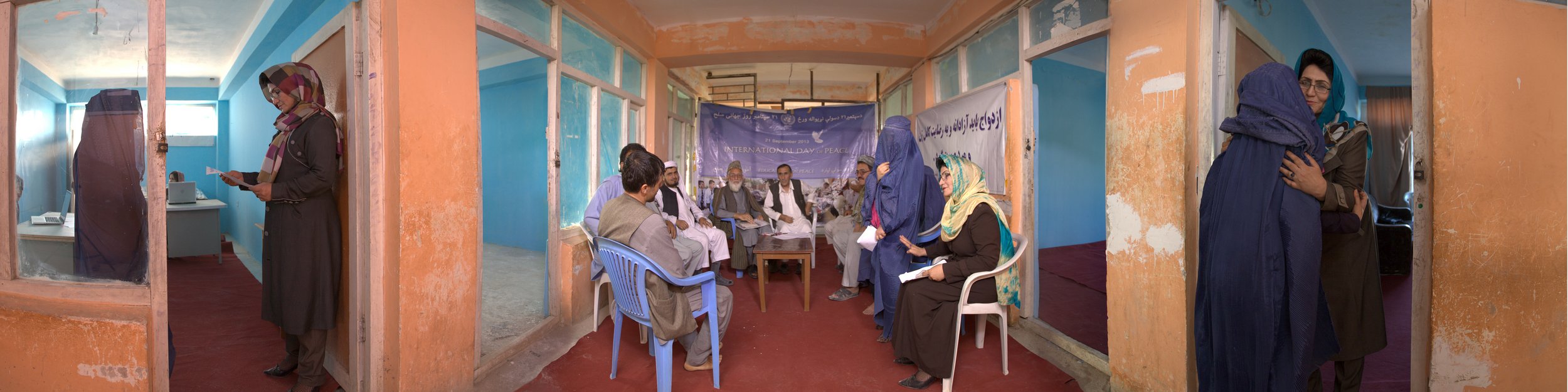
Legal identity is a foundation for successful reintegration. Birth certificates, national identity documents and other records can affect a person’s ability to enroll children in school, access public services, travel safely or claim property. Returnees who have lived abroad for many years may need help replacing lost documents or clarifying their civil status.
Protection assistance also addresses risks that may not be visible at the border. Unaccompanied children, separated families, survivors of gender-based violence, people with disabilities and older people may require specialized referrals. Confidential case management can help prevent exploitation, trafficking, forced recruitment and family separation during a period of uncertainty.
Access to housing is another immediate concern. Some returnees can go back to a family home, while others find that their property has been damaged, occupied or lost. Families without secure shelter may move repeatedly, settle in informal areas or share overcrowded accommodation. Emergency shelter can provide temporary safety, but durable housing solutions require land, materials, legal support and income.
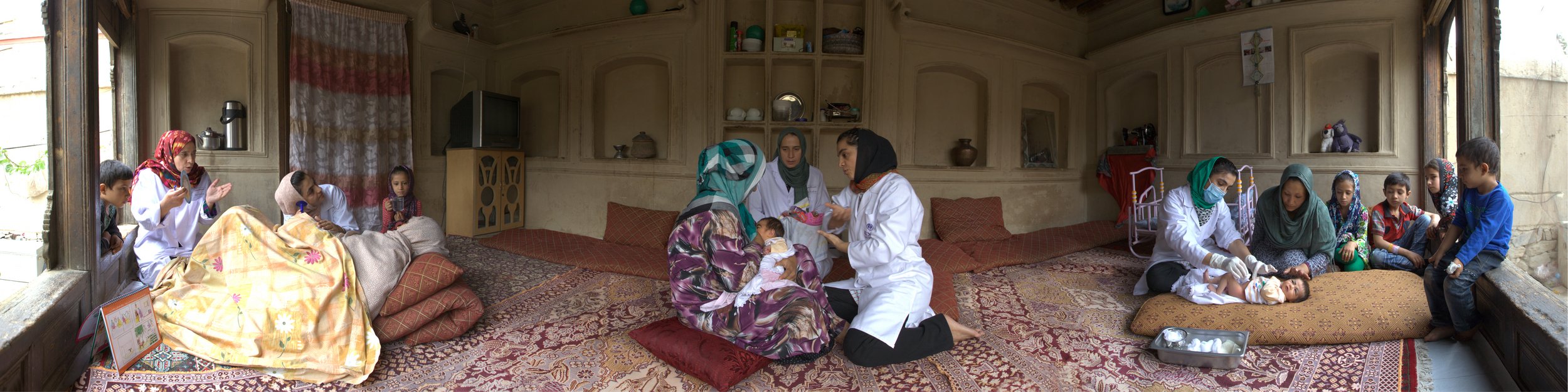
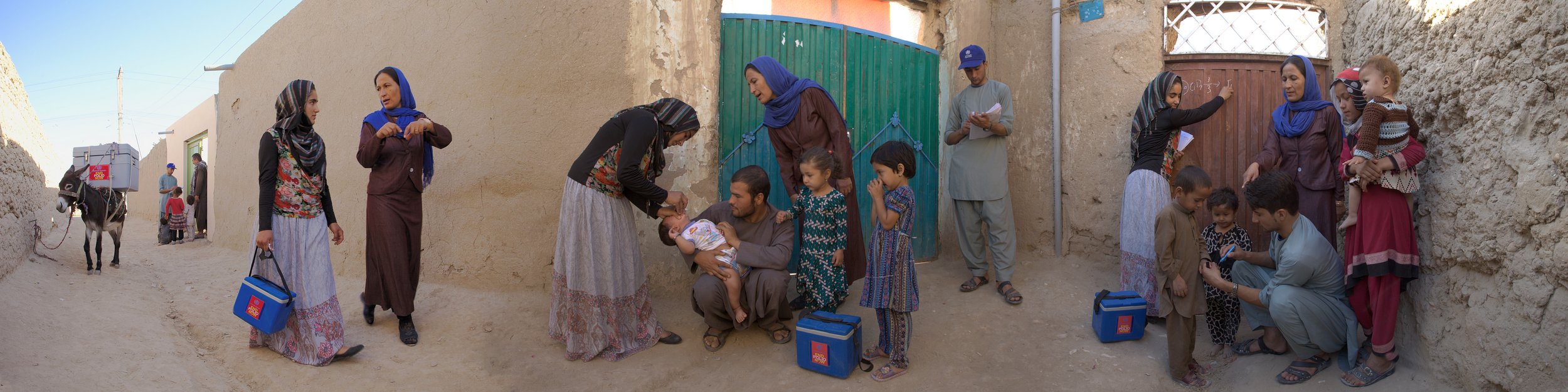
Health and education services are equally important. Returning children need pathways into learning even when previous records are incomplete. Families may need vaccinations, maternal care, mental health support and treatment for chronic conditions. Connecting returnees to local clinics and schools helps transform short-term assistance into participation in community life.
| Area of support | Immediate purpose | Longer-term reintegration goal |
|---|---|---|
| Reception and transport | Help people move safely from border points to intended destinations | Reduce repeated displacement and unsafe onward journeys |
| Documentation and protection | Restore identity records and identify people facing heightened risks | Enable access to services, rights and legal remedies |
| Shelter and basic needs | Prevent exposure, hunger and homelessness | Establish secure, adequate and affordable housing |
| Education and health | Provide urgent referrals and continuity of care | Reconnect families with schools and essential services |
| Livelihoods | Offer temporary assistance and practical support | Build reliable income and reduce dependence on aid |
| Community projects | Ease pressure on local infrastructure | Strengthen social cohesion between returnees and residents |
Livelihoods and Economic Recovery
A household is more likely to remain in its chosen community when it can earn a dependable income. Yet returnees often arrive with depleted savings, limited tools and no immediate access to land or employment. People who worked abroad may have skills that are not easily recognized locally, while women may face restrictions on mobility or participation in the labor market.
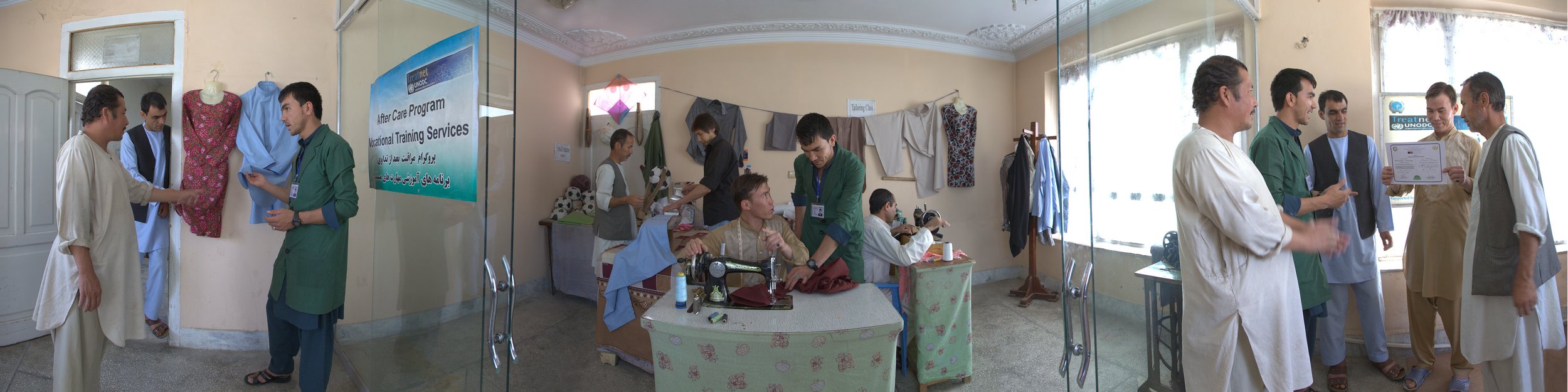
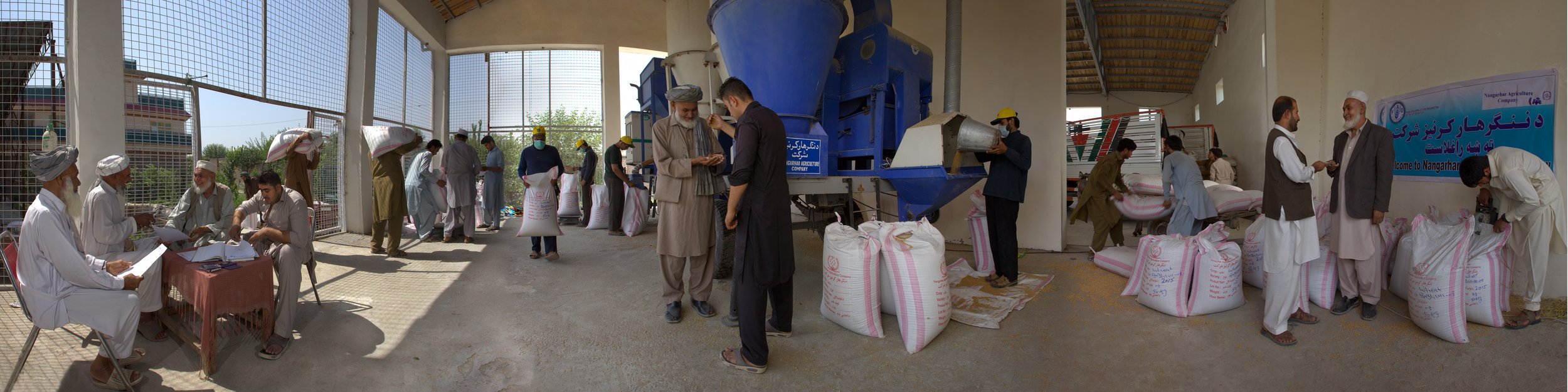
Livelihood programmes can include vocational training, small business support, agricultural inputs, cash assistance and referrals to employers. The most effective approach depends on local conditions. Farming assistance may be useful in a rural district with water access, while market-oriented training or apprenticeships may be more suitable in an urban area.
Economic recovery should include host communities. If only returnees receive employment support in a place where residents already face severe poverty, resentment can grow. Shared public works, local enterprise grants and investment in markets or irrigation can create opportunities for multiple groups and reinforce social cohesion.
Cash assistance can provide breathing room while a family looks for work, but it cannot replace functioning markets or public services. Reintegration programmes need realistic timeframes and follow-up. A family may require several rounds of support before it can replace emergency aid with income from farming, trade, skilled work or another sustainable activity.
Women, Children and Vulnerable Returnees
The effects of displacement are not shared equally within a household. Children may have missed years of schooling or speak a different language from the one used in their new community. Adolescents may struggle to adapt to social expectations, while young people who worked abroad may have limited opportunities to continue their education or find safe employment.
Women and girls can face obstacles related to documentation, movement, access to health care and participation in decisions about the family’s future. Programmes that overlook these barriers may count a household as reintegrated even when some members remain excluded from services and opportunities. Protection work must therefore be sensitive to gender, age, disability and family structure.
People with disabilities, older returnees and those living with serious health conditions may need home-based support, assistive devices or accessible facilities. Survivors of trauma may require psychosocial services alongside material assistance. Community-based organizations are often well placed to identify these needs because they understand local relationships and can maintain contact after international programmes change.
Meaningful participation is central to dignity. Returnees should receive clear information about available assistance and the limits of each programme. They should be able to report abuse, discrimination or corruption safely. Listening to Afghan communities makes aid more responsive and helps ensure that reintegration reflects people’s priorities rather than an administrative definition of return.
Community Resilience and Local Leadership
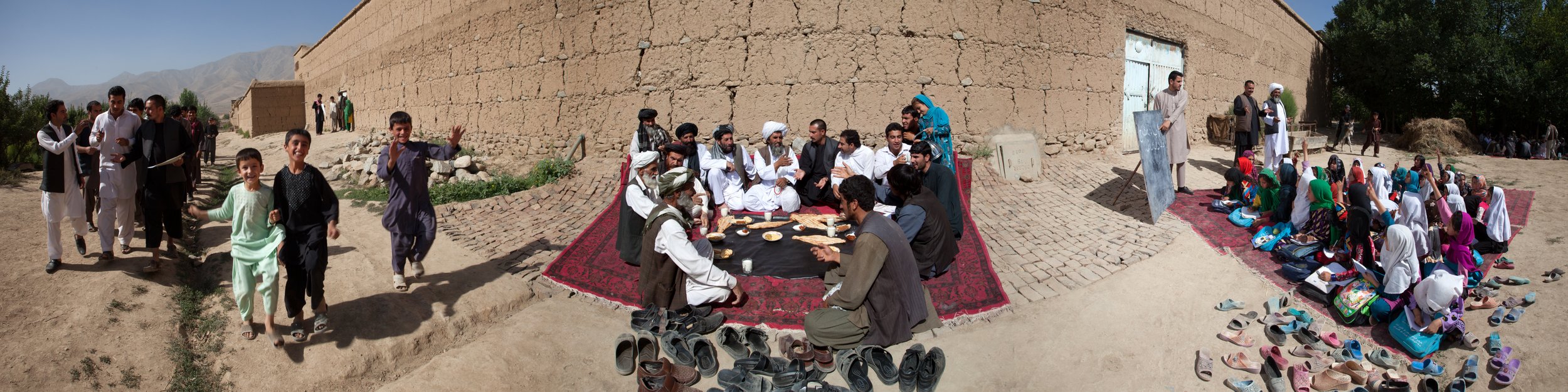
Reintegration takes place in neighborhoods, villages and districts, not only at border points. Local councils, religious leaders, teachers, health workers, women’s groups and civil society organizations can help returning families reconnect with social networks. Their involvement can also reveal disputes over land, water, housing or family separation before these problems become more severe.
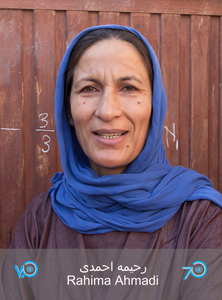
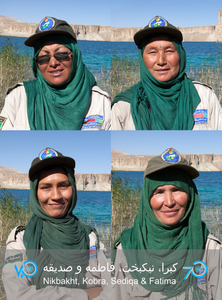
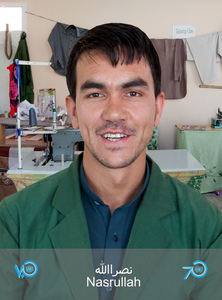
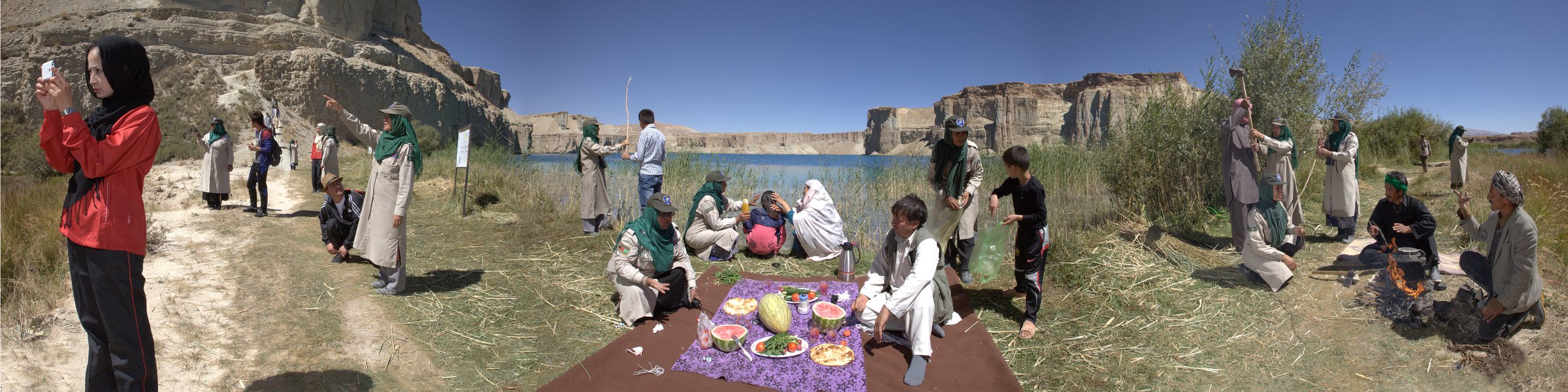
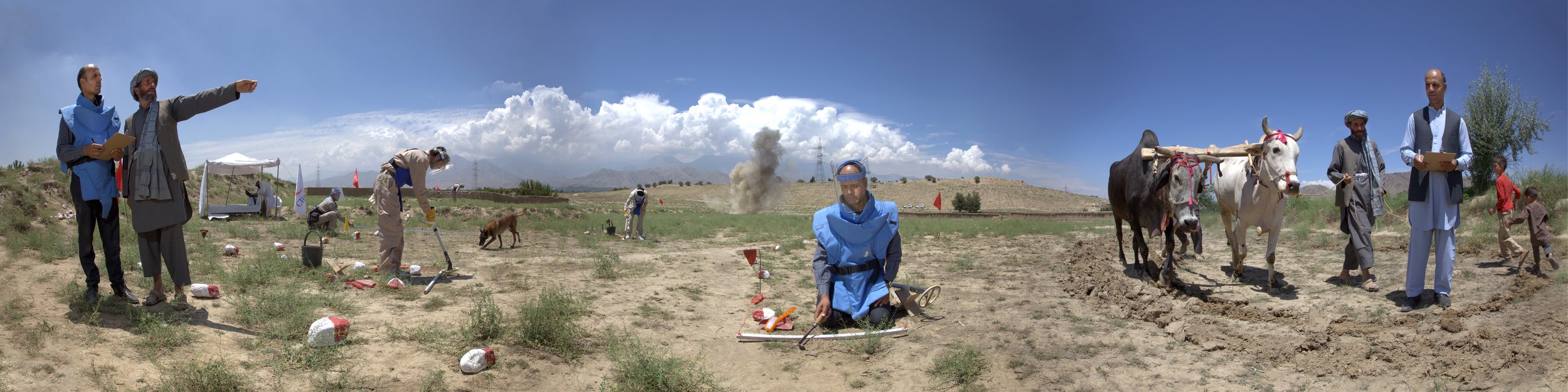
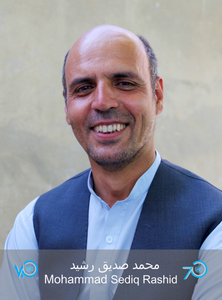
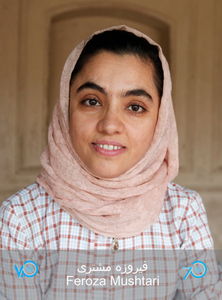
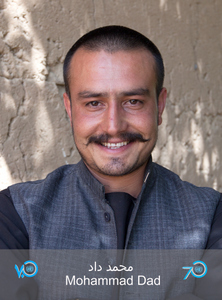
The UN’s “Strong UN. Strong Afghanistan.” campaign highlighted Afghan individuals and their contributions. That perspective is valuable in discussions about return because Afghans are not simply recipients of humanitarian assistance. They are farmers, teachers, health professionals, entrepreneurs, community organizers and caregivers who contribute to recovery when they have security and opportunity.
Community infrastructure is often a practical entry point for cooperation. A repaired water point, rehabilitated road, functioning school or expanded health facility can serve people who stayed as well as those who returned. Such projects strengthen local capacity and reduce the perception that assistance is distributed according to displacement status alone.
Social cohesion cannot be created through construction projects by themselves. Communities also need mediation, transparent targeting and opportunities for different groups to work together. Reliable communication can prevent rumors about aid eligibility and help returnees understand where to seek documentation, protection services or emergency support.
Measuring Sustainable Reintegration
Counting arrivals is useful for emergency planning, but it does not show whether a return has become durable. A household may be registered at a border crossing and still lack safe housing, legal documents or a stable livelihood months later. Monitoring should therefore track conditions after arrival and identify families who become displaced again.
Useful indicators include access to adequate shelter, school attendance, health services, legal identity documents, employment and sufficient food. Protection monitoring can show whether people face discrimination, violence, forced eviction or family separation. Community-level measures, such as pressure on water systems and relations between residents and returnees, are also important.
Data must be collected responsibly. Returnees may fear that sharing personal information could affect their status or expose them to harm. Agencies need clear consent procedures, confidentiality safeguards and referral systems that turn information into practical assistance. Women, children and people with disabilities should be visible in assessments rather than included only as part of a general household count.
Long-term reintegration is linked to conditions beyond humanitarian programmes. Peace, economic opportunity, public administration, climate resilience and access to justice all influence whether families can remain safely at home. The UN’s role is strongest when humanitarian support is connected with development work, protection and locally led recovery.
The archived UN Afghanistan campaign offers a useful public record of the UN’s partnership-based message: Afghanistan’s future is shaped by Afghan people. To understand the work behind refugee return and reintegration, explore the UN Afghanistan archive, review available UN agency resources and follow verified information about humanitarian assistance, protection and recovery programmes. Support accurate reporting and community-led action so that returning families are seen as partners in rebuilding their homes and neighborhoods.