
Making a Difference
Restoring Movement And Dignity For Afghanistan’s War Wounded
For people injured by conflict, a prosthetic limb can mean far more than replacing a missing arm or leg. It can make it possible to return to school, collect water, work in a market, care for children or move safely through a crowded city. In Afghanistan, that support has often depended on rehabilitation centres, trained technicians, mobility equipment and long-term follow-up funded or coordinated through international assistance.
The phrase UN-funded Afghan prosthetic limb centres describes a wider support system rather than a single national chain of clinics. United Nations agencies, international organisations, donors and Afghan health partners may contribute to referrals, rehabilitation, mine-action programmes, supplies, staff training or community services. Understanding how those parts fit together helps explain why mobility support remains essential for war-wounded Afghans, including people injured years after the event.
Why Prosthetic Care Matters After Conflict
Afghanistan has experienced decades of armed conflict, landmine contamination and unexploded ordnance. Explosions can cause traumatic amputations, spinal injuries, burns and complex fractures. Civilians, children, farmers, road users and people working near former front lines may face lifelong disability after a single incident. Some injuries are recent, while others occurred many years ago and still require replacement limbs, socket adjustments or treatment for pain.
A prosthesis is only one stage of recovery. A patient may first need emergency surgery, wound management and infection control. Once the residual limb has healed, rehabilitation staff assess strength, balance, flexibility and daily activities. The person may then receive a temporary or definitive device, learn to use it and return for adjustments as their body changes.
This process is especially important for children. Young users grow quickly and may outgrow a socket before the device has worn out. Without regular reviews, an ill-fitting prosthesis can cause pressure wounds, falls or reluctance to walk. A dependable service therefore includes physiotherapy, occupational therapy, psychological support and access to replacement components.
How International Support Reaches Patients
United Nations involvement is commonly delivered through partnerships rather than a clinic carrying a UN name. Funding can support disability services within the health system, mine-action operations, transport to rehabilitation facilities, technical training, assistive devices and referrals from provincial hospitals. Humanitarian agencies may also help identify people who are isolated by distance, poverty or insecurity.
The distinction matters because prosthetic care is a continuing service. A donation of limbs without maintenance, trained personnel and follow-up can leave a patient with equipment that becomes unusable. International programmes are more effective when they connect trauma care to rehabilitation and community-based support, with clear pathways from an initial assessment to long-term review.
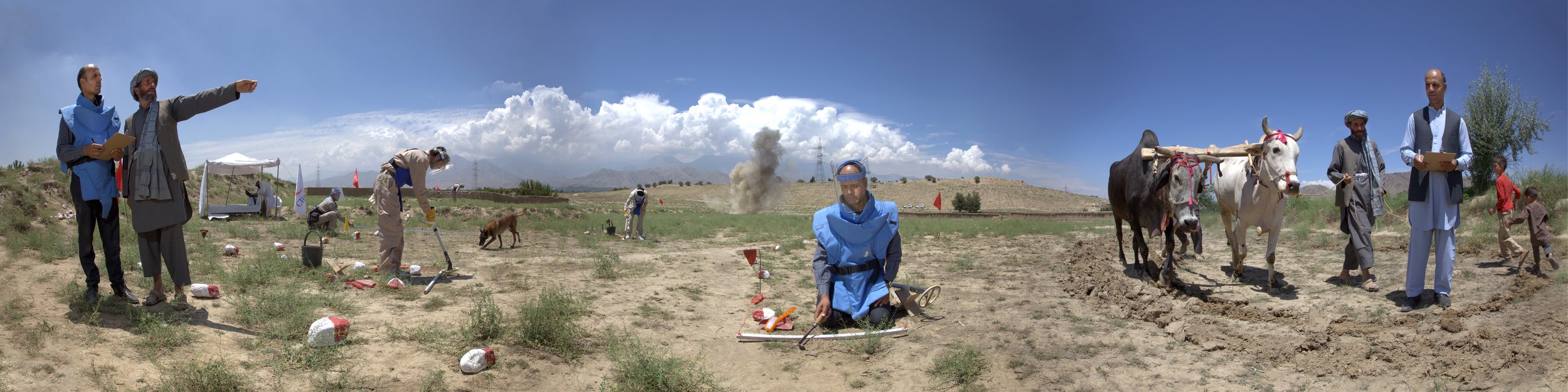
Mine-action work also has a preventive role. Surveying contaminated areas, clearing explosive remnants and teaching risk awareness can reduce future injuries. The practical logic resembles the coordination required in emergency response information: different teams need defined responsibilities, reliable communication and a clear route from danger to assistance. For a rural Afghan family, that coordination may determine whether a person reaches treatment in time.
Local ownership is equally important. Afghan prosthetic and orthotic technicians understand language, family structures, transport barriers and cultural expectations. Supporting their education and retention helps preserve knowledge when international staff leave. It also makes services more responsive to women, children and people living in provinces far from Kabul.
What A Rehabilitation Centre Provides
A specialist centre usually begins with a clinical and social assessment. Staff examine the residual limb, take measurements, discuss the user’s home environment and consider work or school requirements. A farmer may need a stable, durable limb for uneven ground, while a child may need a lighter design that can be modified as they grow. The best device is the one that fits the person’s life, not simply the one that is easiest to manufacture.
Prosthetic and orthotic technicians create or modify sockets, joints and feet. Physiotherapists then teach standing, weight transfer, gait and safe use of the device. Occupational therapists can help patients adapt cooking, writing, farming or personal-care tasks. When a prosthesis is not suitable for a particular activity, a wheelchair, crutches or another assistive product may be more practical.
Emotional recovery deserves equal attention. An amputation can alter identity, employment prospects and family relationships. Children may fear returning to school, and adults may worry that they can no longer support their household. Peer groups, counselling and family education can reduce isolation and encourage consistent use of rehabilitation services.
Access is a major challenge. Afghanistan’s mountainous terrain, damaged roads, seasonal flooding and insecurity can make a return appointment costly or impossible. Outreach clinics, community rehabilitation workers and transport assistance can bring basic follow-up closer to patients. Simple services such as checking skin condition, teaching exercises and identifying a broken component may prevent a minor problem from becoming a permanent setback.
Comparing The Main Elements Of Mobility Support
Different forms of assistance solve different problems. A new artificial limb may restore walking, but it cannot replace surgery, physiotherapy or income support. A strong programme combines clinical care with practical help that allows a patient to use the device consistently.
| Support element | What it provides | Why it matters for war-wounded people |
|---|---|---|
| Prosthetic fitting | A customised artificial limb and socket | Restores movement and reduces dependence |
| Physiotherapy | Strength, balance, gait and stretching exercises | Helps users walk safely and avoid secondary injuries |
| Orthotic care | Braces, splints and supportive devices | Assists people whose limbs were injured but not amputated |
| Psychological support | Counselling, peer contact and family education | Addresses grief, stigma and loss of confidence |
| Mine-action services | Clearance, risk education and victim assistance | Prevents new injuries and links survivors with care |
| Transport and referrals | Travel support and connections between facilities | Makes specialist treatment reachable from rural areas |
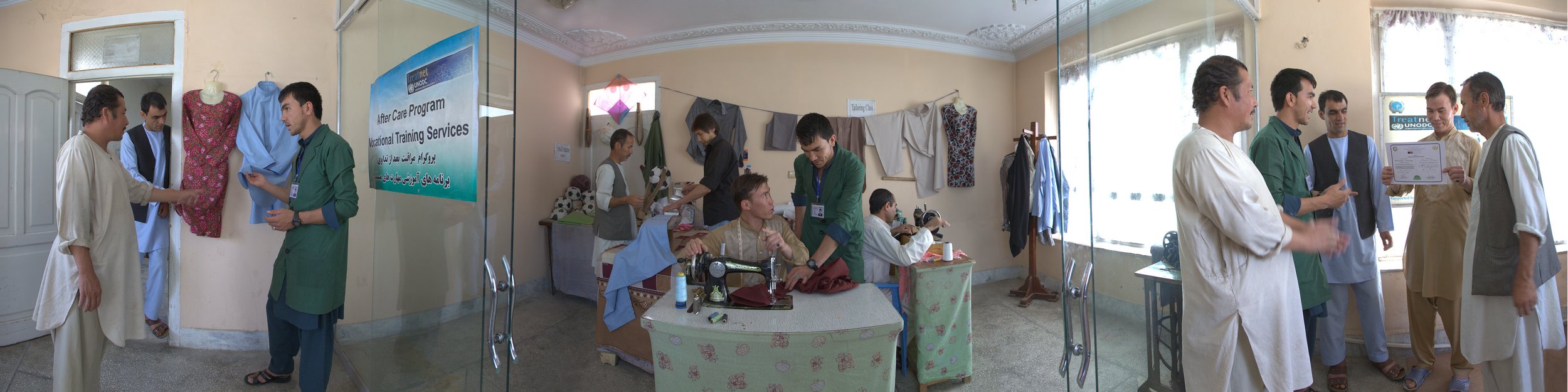
| Vocational rehabilitation | Training, work adaptation and livelihood referrals | Supports household income and social participation |
| Follow-up and repairs | Adjustments, replacement parts and reviews | Keeps equipment safe as bodies and circumstances change |
The table also shows why short funding cycles can be damaging. If an organisation supplies devices but cannot finance repairs, patients may stop using them. If a centre has equipment but no trained technicians, production and fitting slow down. If rehabilitation ends when the patient leaves hospital, gains made during early treatment may be lost.
For donors and programme managers, useful measures include the time between referral and fitting, the proportion of patients returning for follow-up, device durability, school or work participation and patient-reported comfort. Counting the number of limbs delivered is helpful, but it does not show whether people can walk to a classroom, reach a market or move around their home.
Barriers Facing Women, Children And Rural Families
Women and girls can face additional obstacles when travelling to a clinic or being examined by male staff. Household responsibilities, restrictions on movement, limited transport and poverty may delay care. Services that train female rehabilitation workers, provide private treatment areas and offer family-friendly appointments can make a substantial difference.
Children need flexible treatment plans because their bodies and routines change. A child who receives a prosthesis may still require help with school access, playground surfaces and social participation. The UN’s work on children’s wellbeing has highlighted why safe play spaces matter: play supports physical development, confidence and belonging. For a child with an artificial limb, an accessible playground can be part of rehabilitation rather than a luxury.
Rural patients may face the greatest practical burden. A fitting centre can be hundreds of kilometres away, and a family may need to borrow money for transport and accommodation. Community-based rehabilitation helps by shifting some follow-up into villages and connecting patients with provincial health workers. Mobile teams can assess devices, provide exercises and refer urgent problems to a specialist.
Economic barriers affect treatment choices. A household that depends on manual work may prioritise immediate income over repeated clinic visits. Programmes that coordinate rehabilitation with livelihood support, school reintegration and social protection are more likely to produce lasting results. Mobility is valuable because it opens opportunities, but those opportunities must exist in the person’s community.
Lessons For An Australian Audience
Australia’s health system offers a useful point of comparison, although Afghanistan’s circumstances are very different. An Australian amputee may encounter hospital-based rehabilitation, a prosthetist, physiotherapist and assistive-technology funding through arrangements such as the National Disability Insurance Scheme. In Afghanistan, international support may need to cover the basic existence of a service, transport to it and the components required to keep a device working.
Distance is familiar in Australia too. A patient in Sydney, Melbourne or Brisbane may have several specialist options, while someone in the Northern Territory or a remote regional community can face long travel for advanced care. Afghan patients often confront that problem alongside insecurity, damaged infrastructure and far fewer accessible transport services. The comparison shows why outreach and local technicians matter in any large country.
Australian customs and everyday activities also demonstrate the importance of functional design. A prosthesis should support participation in school, employment, family gatherings and community life, whether that means navigating a suburban footpath, attending a local football match or joining a weekend barbecue. In Afghanistan, the equivalent may involve walking across rough ground, using public transport, working in agriculture or attending a mosque. Clinical success is measured by participation, not appearance alone.
The Australian assistive-technology market also highlights the value of choice, repairs and consumer support. A person may compare components, seek a second opinion and obtain servicing through a registered provider. Afghan centres often work with limited stocks and restricted budgets, so technicians must prioritise durable, repairable designs. Funding that includes spare parts, tools and staff development can have a greater long-term effect than a shipment of unfamiliar equipment.
Public understanding matters in both settings. People with limb loss should be treated as rights-holders, not symbols of tragedy. News coverage, fundraising and international campaigns are most responsible when they protect privacy, show individual agency and explain how services work. The archived UN70 campaign’s emphasis on Afghan people and their contributions provides a useful model: communities should be represented through their strength, skill and aspirations.
Building Sustainable Mobility Services
Sustainable rehabilitation requires stable institutions, trained Afghan staff and predictable financing. Centres need clinical rooms, workshops, measurement tools, safe materials and reliable power. They also need referral agreements with hospitals and community organisations. Without those foundations, a programme may achieve impressive results during an emergency and then leave patients without care when funding changes.
Training should include prosthetic and orthotic technology, physiotherapy, infection prevention, safeguarding and disability inclusion. Continuing education helps staff work with newer materials and adapt treatment to different injuries. It is also important to support managers who can plan procurement, maintain records and track outcomes without exposing patients to unnecessary privacy risks.
The strongest approach treats rehabilitation as part of health and social recovery. Mine clearance reduces future harm; trauma services save lives; prosthetic fitting restores movement; education and livelihoods rebuild independence. These activities reinforce one another. A person who can travel safely to work is more likely to support a household, while a child who can return to school has a better chance of shaping their own future.
International donors can help by funding multi-year programmes, requiring meaningful patient participation and measuring quality as well as volume. Afghan civil society groups, disabled people’s organisations and families should have a voice in service design. Their experience can reveal barriers that do not appear in clinical statistics, including stigma, inaccessible buildings and the cost of repeated travel.
Supporting prosthetic and rehabilitation services is a practical investment in Afghanistan’s communities. Readers can help by learning how humanitarian disability programmes operate, sharing accurate information, supporting reputable organisations with transparent safeguarding policies and recognising the skills of people living with limb loss. Sustained attention can help ensure that an artificial limb becomes a foundation for education, work and community life rather than a temporary response that ends when an emergency headline disappears.