
Making a Difference
Why safe play matters for children in Afghanistan
Play is a basic part of childhood, yet it depends on safety, time, space and adult support. For children in Afghanistan, access to a secure place to run, imagine, build friendships and recover from stress can be limited by conflict, displacement, poverty, natural hazards and damaged public facilities. A playground is therefore more than recreational equipment. It can be a small but meaningful part of a child protection system.
The United Nations and its partners approach children’s wellbeing through interconnected rights. Education, health, protection, participation and recreation reinforce one another. When children have safe play areas near schools, homes or community centres, they gain opportunities for physical activity and social development while caregivers receive a more secure environment for supervision.
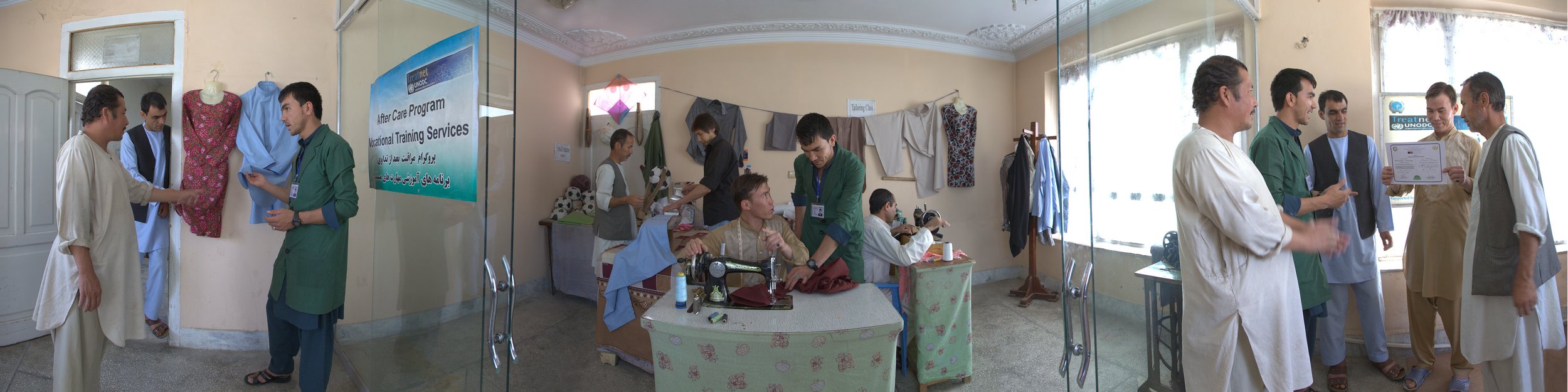
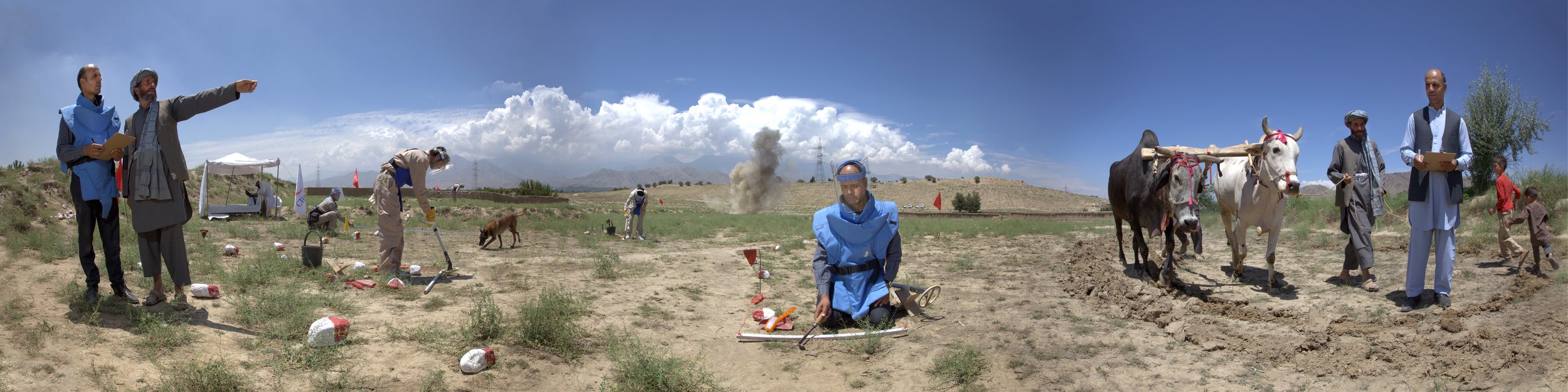
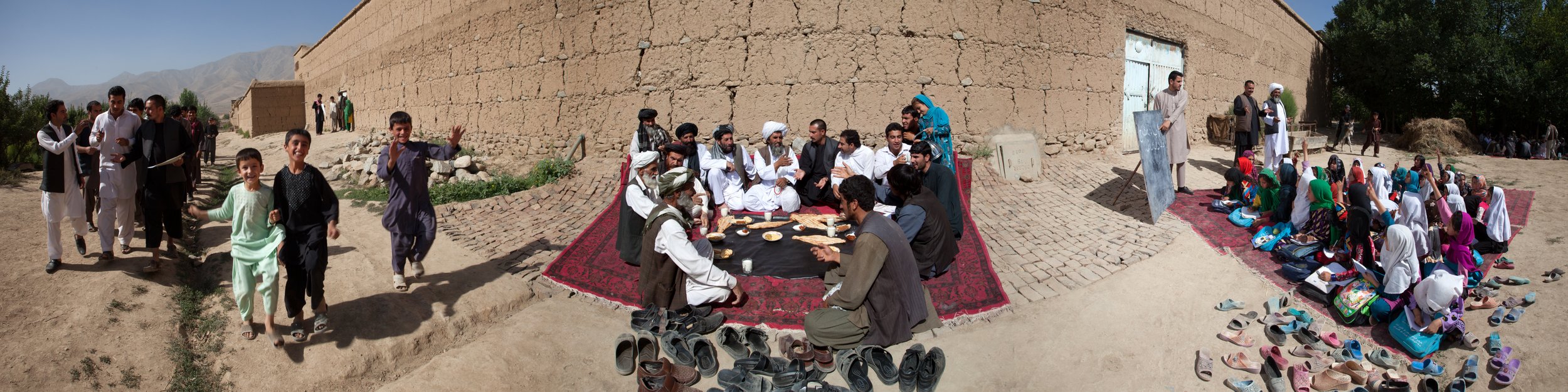
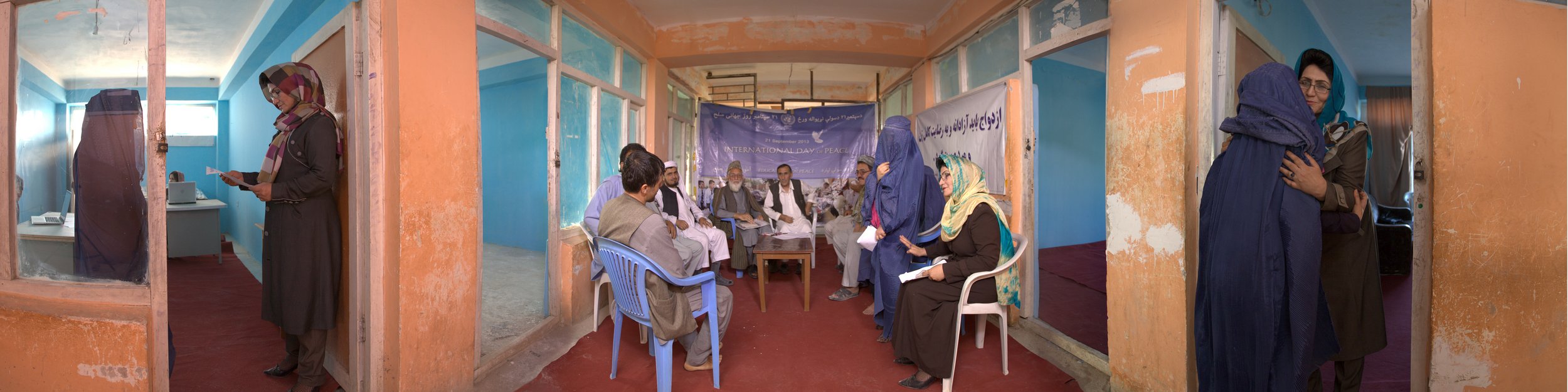
The archived UN70 “Strong UN. Strong Afghanistan.” campaign presented Afghan people and their contributions through photographs, stories and messages. Although that completed campaign is no longer active, its emphasis on partnership and community resilience offers a useful lens for understanding safe playgrounds: lasting progress depends on Afghan children, families, local leaders and institutions shaping solutions together.
Play as a right and a protective space
Article 31 of the Convention on the Rights of the Child recognises a child’s right to rest, leisure, play and participation in cultural and artistic life. Play is also connected to rights involving development, health, education and protection from violence. These rights apply to every child, including girls, children with disabilities, displaced children and those living in remote areas.
A safe playground can support this wider framework. It gives children a place to practise cooperation, communication, balance and problem-solving. Games with simple rules help children negotiate disagreements and express feelings. Active movement supports physical health, while imaginative play can restore a sense of control after frightening or disruptive experiences.
Play spaces should never be treated as a substitute for humanitarian protection, education or mental health services. They are one element within a broader child-friendly environment. Staff and caregivers still need to identify serious protection concerns, respond to injuries and connect children with specialised assistance when necessary.
Why safety must come first
A playground becomes unsafe when its design ignores the setting around it. Broken equipment, sharp edges, unstable surfaces, uncovered drainage channels, traffic, unexploded ordnance and poor lighting can all place children at risk. In some communities, extreme heat, winter conditions, flooding or earthquakes create additional hazards.
Risk assessment should take place before construction and continue after opening. Local teams can identify dangerous routes, seasonal threats and areas where children may be exposed to harassment or violence. Equipment needs regular inspection, secure anchoring and timely repair. Clear boundaries, shaded areas, drinking water and accessible sanitation can make a major difference to daily use.
Safety also includes emotional and social security. Children need adults who supervise without humiliating them, rules that are understandable and fair, and procedures for reporting abuse. A playground located inside a protected school or community compound may be safer than an isolated site, especially when trusted staff are present and opening hours are clear.
Designing spaces for every child
Inclusive playground design begins by rejecting the idea that one standard layout will work everywhere. Children have different ages, abilities, cultural expectations and experiences. A useful site may include open ground for group games, quiet corners for rest, low-risk climbing or balancing features, and spaces where children can play without competing for a single piece of equipment.
Accessibility requires more than adding a ramp. Entrances should have firm, stable paths wide enough for children using wheelchairs or mobility aids. Surfaces should reduce the risk of serious falls. Some activities should be usable by children with limited mobility, visual impairments or developmental differences. Signs and rules can use simple language and visual cues.
Girls’ access deserves specific attention. A space may be technically available but effectively restricted if it is too exposed, lacks privacy, operates at unsuitable times or is controlled by social expectations that exclude girls. Consultation with girls, mothers, teachers and women community representatives can help identify practical arrangements, including shared scheduling, appropriate boundaries and safe routes to the site.
Community partnership and local ownership
A playground is more likely to remain safe when the community helps define its purpose and accepts responsibility for its upkeep. Children can describe the games they enjoy and the obstacles they face. Parents can identify supervision needs. Teachers and local authorities can advise on land, maintenance and links with schools. Community health and protection workers can explain referral pathways when a child needs additional support.
The United Nations often works through national institutions, civil society organisations and local partners rather than treating communities as passive recipients. That partnership model is important for recreational infrastructure. Imported designs may be expensive to repair or poorly suited to local conditions. Locally sourced materials, trained caretakers and clear maintenance budgets can make a modest facility more durable than a larger project without long-term support.
Ownership also involves accountability. A site management group can record inspections, organise repairs and receive complaints. Its membership should include women, people with disabilities and representatives from groups that might otherwise be overlooked. Public information about opening hours, safety rules and reporting contacts helps families understand how the space is managed.
Playgrounds in humanitarian and development work
In an emergency, safe play areas can be established near temporary learning spaces, displacement sites or community centres. These facilities need rapid safety screening and close supervision. They should not be placed where children may encounter conflict remnants, contaminated water, unstable buildings or overcrowded vehicle routes. Emergency designs should allow for dismantling, relocation or expansion as communities move.
In longer-term recovery, playgrounds can connect with schools, parks, youth clubs and child-friendly spaces. They may be part of a package that includes psychosocial support, mine-risk education, hygiene promotion, inclusive education and referrals for protection services. The strongest programmes measure whether children can actually use the facility, rather than counting equipment installed.
| Area of action | Practical priority | Sign of a stronger approach |
|---|---|---|
| Site selection | Check hazards, access routes, drainage and seasonal conditions | Children reach the space without crossing dangerous areas |
| Physical design | Use stable surfaces, shade, boundaries and accessible features | Children of different ages and abilities can participate |
| Supervision | Establish trusted adults, clear rules and safeguarding procedures | Concerns are reported and addressed promptly |
| Participation | Consult children, caregivers, teachers and excluded groups | The design reflects local routines and preferences |
| Maintenance | Assign responsibility, inspection schedules and repair funds | Equipment remains usable after the launch |
| Monitoring | Track use, incidents, inclusion and satisfaction | Decisions are adjusted according to evidence |
A development approach should also recognise that play is affected by wider conditions. Families facing food insecurity, displacement or financial pressure may have little time to accompany children to a recreational facility. A safe playground cannot resolve these challenges alone, but coordinated services can reduce barriers and make the space part of a broader support network.
Linking play with education and wellbeing
Play-based learning helps children develop language, memory, coordination and social skills. In early childhood, structured games can support classroom readiness. For older children, sport and cooperative activities can strengthen attendance, peer relationships and confidence. Teachers may use play to reinforce lessons in mathematics, language, health or environmental awareness without turning every activity into formal instruction.
Psychosocial wellbeing is another important connection. Children who have experienced violence, displacement or loss may communicate through drawing, movement, pretend play or group games before they can describe what happened. Trained facilitators can observe changes in behaviour and offer supportive activities, while respecting the boundary between general psychosocial support and specialised mental health care.
Rest and enjoyment matter as well. Children should not be valued only for their academic performance or future economic contribution. A safe place to laugh, explore and spend time with friends recognises childhood as a stage of life with its own dignity. This perspective aligns with the UN’s broader work to place people and communities at the centre of recovery and development.
Measuring whether a play space works
Successful playground projects require more than a ribbon-cutting ceremony or a photograph of new equipment. Monitoring should examine who uses the space, who does not, when it is busiest and what prevents participation. Data can be gathered through observation, child-friendly feedback, caregiver discussions and incident records, while protecting children’s privacy.
Useful indicators include the condition of equipment, the availability of shade and water, the number of children with disabilities using the site, reported safety concerns, participation by girls and the time taken to complete repairs. Teams should also look at whether children know whom to approach when they feel unsafe.
Evaluation must be adapted to local realities. A small rural play area may be highly valuable even if it serves fewer children than an urban facility. Conversely, a large playground may have limited impact if families fear the route, girls cannot attend, or maintenance has failed. Listening to children directly is essential because adults may overlook barriers that are obvious to young users.
Priorities for safe and inclusive play
- Conduct child-sensitive safety assessments before selecting land or installing equipment.
- Involve children, girls, caregivers, teachers, disability groups and local leaders in design decisions.
- Connect playgrounds with safeguarding, health, education and psychosocial support services.
- Budget for supervision, cleaning, inspections, repairs, shade, water and accessible pathways.
- Publish simple procedures for reporting hazards, abuse, discrimination or exclusion.
Safe play in Afghanistan depends on practical decisions made close to the communities concerned. International support can provide technical guidance, funding and coordination, but Afghan families and children understand the social and environmental context best. Their knowledge should shape where spaces are located, how they operate and what makes them feel welcoming.
The UN70 campaign’s message of a strong UN working with a strong Afghanistan remains relevant as a principle of partnership, even though the campaign itself belongs to the archive. Supporting children’s right to play is one way to translate that principle into everyday life: through safer public spaces, inclusive services and community-led care.
Organisations, local authorities, schools and community groups can help make play a visible part of child protection and recovery planning. By assessing risks, funding maintenance and listening to children, they can turn a vacant or unsafe area into a place where children move freely, build trust and experience the security every child deserves.