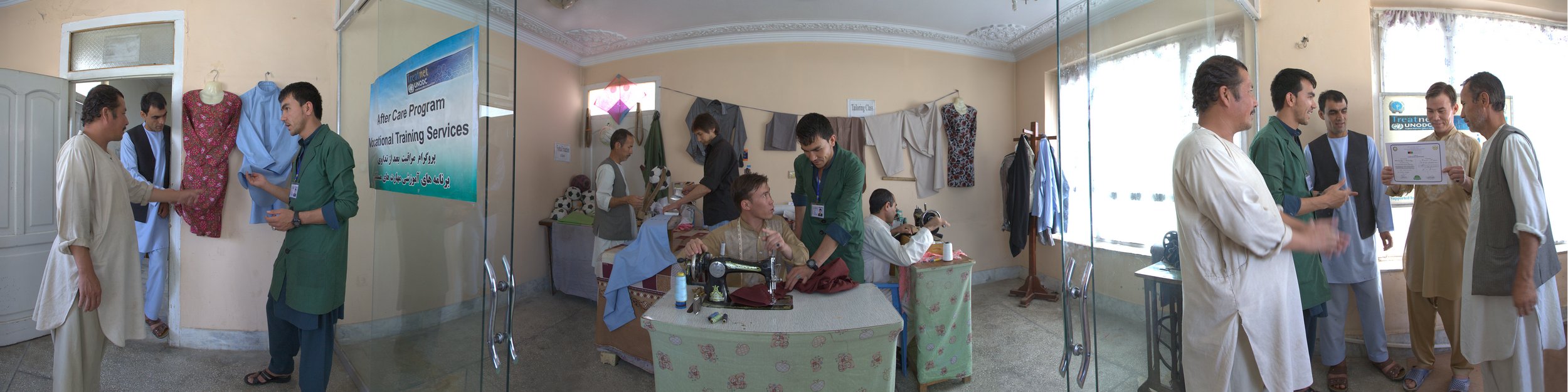
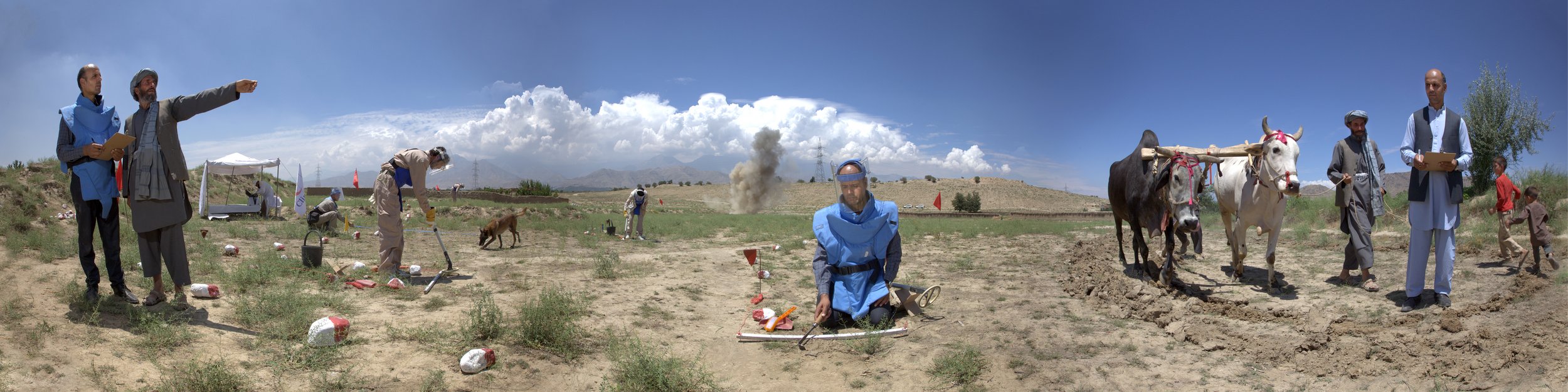
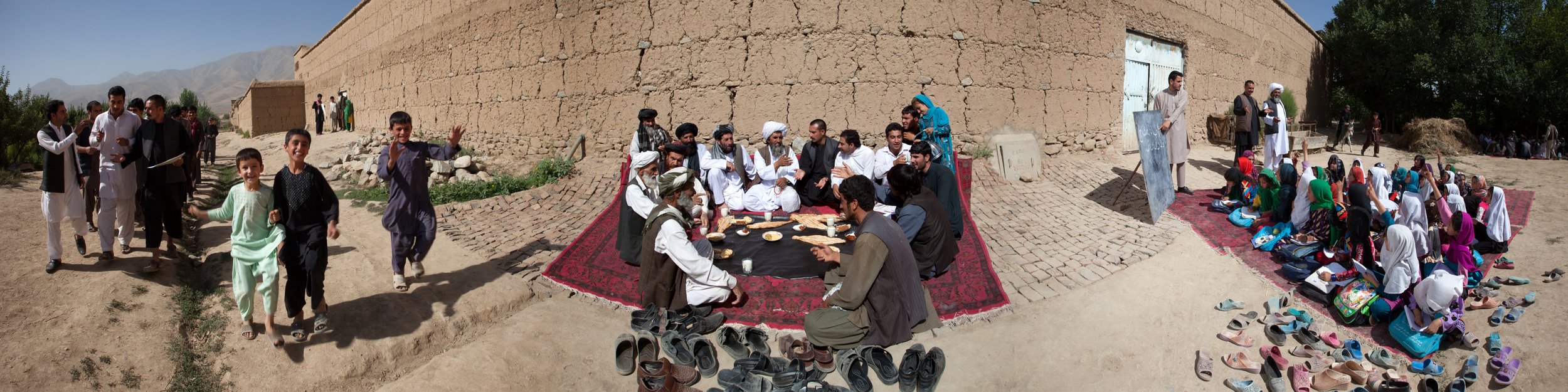
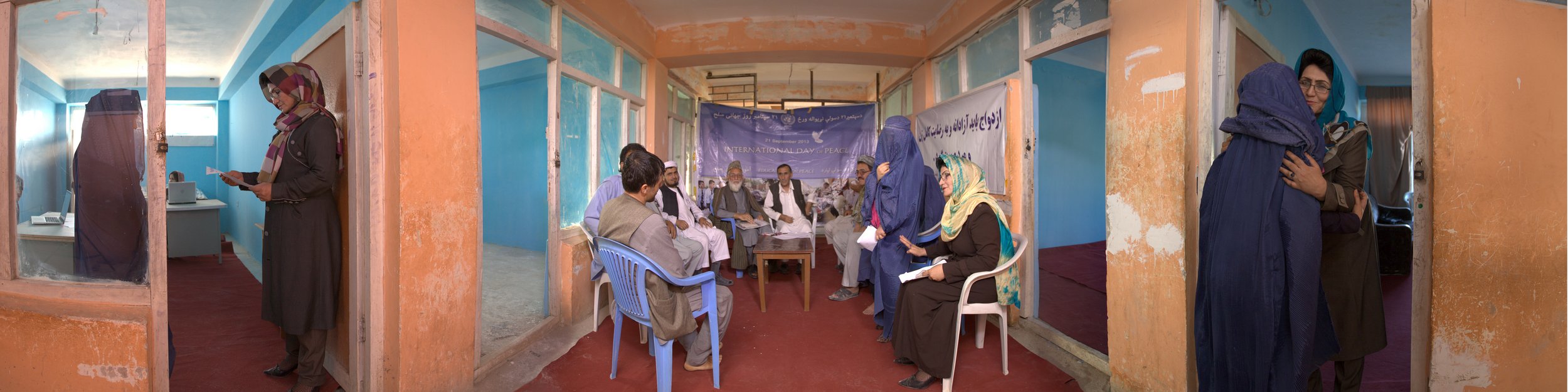

Making a Difference

Afghan women are building literacies that change daily life
UN-funded Afghan literacy classes for adult women in rural communities give participants more than the ability to read a medicine label or complete a form. They create a setting where women can exchange ideas, ask questions, plan household decisions and gain confidence in public life. Classes place learning within the rhythm of village life rather than asking learners to leave their families, livelihoods and support networks behind.
The strongest programmes combine practical instruction with safe access and local leadership. They teach reading and writing in familiar languages, basic numeracy, communication and the digital tools needed for everyday information. The archived “Strong UN. Strong Afghanistan.” campaign also reflects a wider principle: Afghan people are active partners in progress, shaping priorities and building local capacity. For Australian readers, that distinction matters because lasting educational change begins with the learners and communities deciding what is useful.
Learning begins with ordinary village routines
In well-designed programmes, a classroom might be a shaded community room, a school after hours or the home of a trained local facilitator. Sessions follow the day’s practical demands: later starts where women tend fields or livestock, shorter catch-up classes after market trips, and breaks that allow shared meals or family care. This flexibility supports regular attendance without treating women’s existing responsibilities as obstacles to learning.
Facilitators use locally familiar examples. A market budget can teach numbers and bargaining; a health appointment can become a lesson in reading instructions; weather notes can improve spelling and planning. Content in Dari or Pashto is reinforced with visual materials, repetition and peer practice. Mobile phones support audio exercises when connectivity is reliable, while printed cards and group activities keep the class useful when networks or electricity fail.
Learning is also social. Participants compare experiences, share childcare ideas and recognise abilities that may have gone unrecognised at home. Progress includes asking a question publicly, recognising a suspicious message, recording a debt or understanding a community notice. Tutors track these changes alongside attendance, while participants say which lessons will be useful after the course ends. That feedback keeps a programme responsive rather than measuring success through enrolment alone.
Designing classes around rural realities
Safe participation is fundamental. Distance, limited transport, household duties, restrictions on movement and pressure to prioritise paid work can reduce attendance sharply. Responses may include community-approved venues, female facilitators, transport support, childcare arrangements and discreet schedules. These measures are not decorative extras; they determine whether a woman can remain in a class long enough to benefit.
Materials need to be simple, relevant and respectful of different levels of literacy. A lesson might use large-print pictures, household objects and clear instructions rather than dense textbooks. Personal details should be discussed cautiously, and no learner should be embarrassed for reading slowly or returning to earlier material. Accessible teaching supports learners with disabilities while allowing the whole group to work together without singling anyone out.
Facilitators also need training, reliable support and fair pay. Community-based women are often best placed to explain local customs, identify risks and adjust examples, but they should not carry the programme alone. Supervision, referral pathways and manageable workloads protect both learners and teachers. Regular feedback from participants helps managers spot timetable clashes, unsuitable content or safety concerns early, when changes remain inexpensive.
Skills that reach beyond the classroom
Adult literacy becomes valuable when it can be used outside the lesson. Participants may compare prices, fill in clinic records, read agricultural advice, check savings information or help relatives communicate with service providers. Numeracy is taught alongside reading so that a learner can judge quantities, discounts and repayment terms. These gains strengthen daily independence without requiring every lesson to focus on employment alone.
The same skills support civic engagement. Information about local services, land issues, health campaigns and legal rights is easier to use when people can locate a date, identify key details and explain what they need to others. That wider civic dimension is why the UN’s fair-trial training in Afghanistan matters: fair institutions depend on citizens being able to understand information and access appropriate help, while professionals need systems that are accessible and accountable.
Digital literacy requires realistic boundaries. A class might explain how to use messaging apps, official websites and basic phone functions while also covering privacy, scams and misinformation. Teachers should distinguish between tools available locally and those advertised elsewhere. Combining practical demonstrations with a trusted device, printed instructions and peer support gives learners more ways to practise than a single computer laboratory or online course could provide.
Local partnerships make learning last
UN funding can support instructors, learning materials, venue costs, transport and monitoring, but durable results depend on coordination. Afghan ministries may connect classes with education and community structures; local organisations may handle recruitment and delivery; village committees may help identify safe times and spaces. Women’s groups and local education volunteers can keep sessions grounded in daily needs. The UN’s role is strongest when it strengthens those partnerships instead of creating a parallel system.
Community organisations also need straightforward legal and administrative paths. Although rules differ across countries, a practical example from Bamako on registering a community association illustrates why registration, accountability and clear internal rules help groups work with public authorities. Afghan providers should follow applicable national and local requirements, with neutral technical support available for procurement, safeguarding and financial reporting.
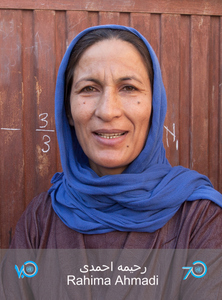
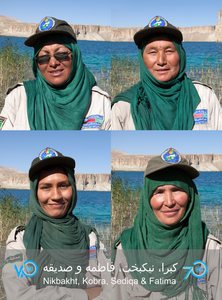
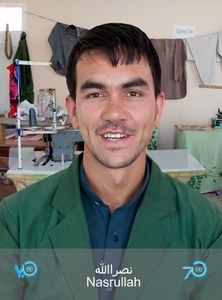
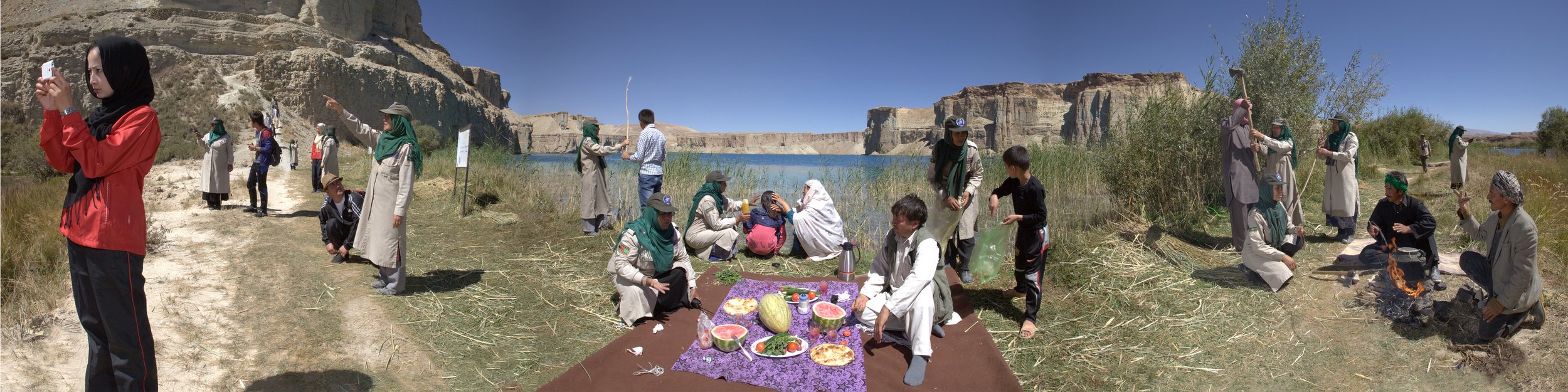
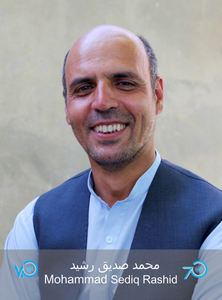
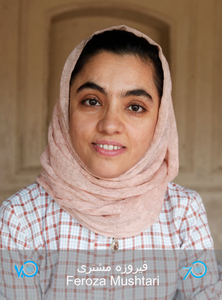
The archived UN70 campaign provides useful evidence of this partnership model by centring Afghan voices and achievements. Its photographs and stories can help donors, schools and Australian community groups understand that progress is carried by people with detailed local knowledge. Continued support should preserve that emphasis: Afghan women should shape priorities, select facilitators where possible and review whether resources reach learners who face the greatest barriers.
Lessons that resonate across Australia
Australian cities have their own adult-learning realities. In Sydney’s culturally diverse suburbs, community language programmes, public libraries and TAFE campuses serve adults studying English, workplace communication and digital skills alongside paid work and family care. The local training market includes public TAFE, private providers and not-for-profit organisations, so classes need clear information about fees, concessions and what each course covers. Short courses and flexible study options are often more realistic than demanding enrolment plans for people working irregular shifts or travelling long distances.
Melbourne’s network of public libraries, neighbourhood houses and learning centres offers a useful model for low-cost education close to home. Welcoming customs such as sharing a cuppa before a session and beginning with an informal check-in can ease first-time attendance. These habits support conversation when formal schooling or government offices once felt intimidating, especially for people who are still building confidence in a new language.
Distance also shapes Australian learning. Regional New South Wales, northern Victoria and remote parts of Australia face travel, weather and connectivity constraints that have no exact parallel in every Afghan province, yet the lesson about flexible delivery is relevant. Community venues, mobile tutors, printed resources and occasional online sessions can expand reach. For First Nations communities, locally designed learning also reinforces the value placed on community authority, cultural safety and the right to determine priorities.
Combining literacy with practical referrals to employment, welfare, legal and health services creates a clearer pathway than teaching reading in isolation. Peer mentors and community navigators often make referrals more effective because they connect institutional advice with everyday local knowledge.
Measuring progress and choosing responsible action
A sound programme looks beyond attendance. Useful indicators include the number and retention of learners, completion of foundational reading and numeracy tasks, and changes in learners’ reported confidence. Managers should also ask whether participants can use information in health, finance, agriculture and community life. Disaggregated data can reveal who is missing, but it should be collected responsibly and never used to stigmatise communities or expose individual learners.
Funding should be assessed for quality as well as reach. Short courses should have prepared facilitators, suitable materials, feedback systems and continuity plans, while participants receive a record of learning they can keep. Because the campaign site is an archived snapshot, its strongest present-day value is as a record of Afghan contributions and a prompt for renewed support through current, transparent humanitarian and development channels.
| Support feature | Learner benefit | Inclusion signal |
|---|---|---|
| Local-language teaching | Lessons connect with everyday words and decisions | Materials use relevant examples and terminology |
| Practical numeracy | Learners can compare costs, quantities and repayments | Tasks reflect market and household choices |
| Flexible delivery | Attendance fits work, care and travel demands | Session times are reviewed with participants |
| Childcare and safe access | Women can focus and continue attending | Transport, venue and care arrangements work in practice |
| Local facilitators | Content and delivery reflect community knowledge | Learners can give feedback without fear or penalty |
| Printed and low-tech options | Study continues where power or connectivity is weak | Lessons include offline materials and device-free practice |
Australian readers can act by using the archived UN campaign to share Afghan-led stories with schools, libraries, community organisations and local councils, and by supporting current programmes that place rural women at the centre of adult education. Universities, employers and advocacy groups can also press for accessible classes, paid facilitators and funding based on learner outcomes rather than enrolment alone. Communities can treat Afghan women’s literacy as a long-term public priority rather than a short-term aid activity. Sustain support that is locally accountable, guided by Afghan priorities and open to Afghan voices.