
Making a Difference

UN Coordination With Afghan NGOs for Effective Aid Delivery
Afghanistan’s humanitarian needs have often been shaped by conflict, displacement, drought, economic pressure, public health risks and difficult access to basic services. In this setting, aid delivery depends on more than the resources of international organizations. It requires trusted Afghan civil society groups that understand local conditions, speak the languages of the communities they serve and can respond when roads, markets or public institutions are under strain.
The United Nations works with Afghan non-governmental organizations through planning, funding, technical support, monitoring and shared humanitarian standards. This partnership allows assistance to move closer to affected households while helping humanitarian actors reduce duplication and identify gaps. Local organizations contribute knowledge that cannot be produced quickly from a distant office, while UN coordination can connect their work to wider systems, donors and specialized agencies.
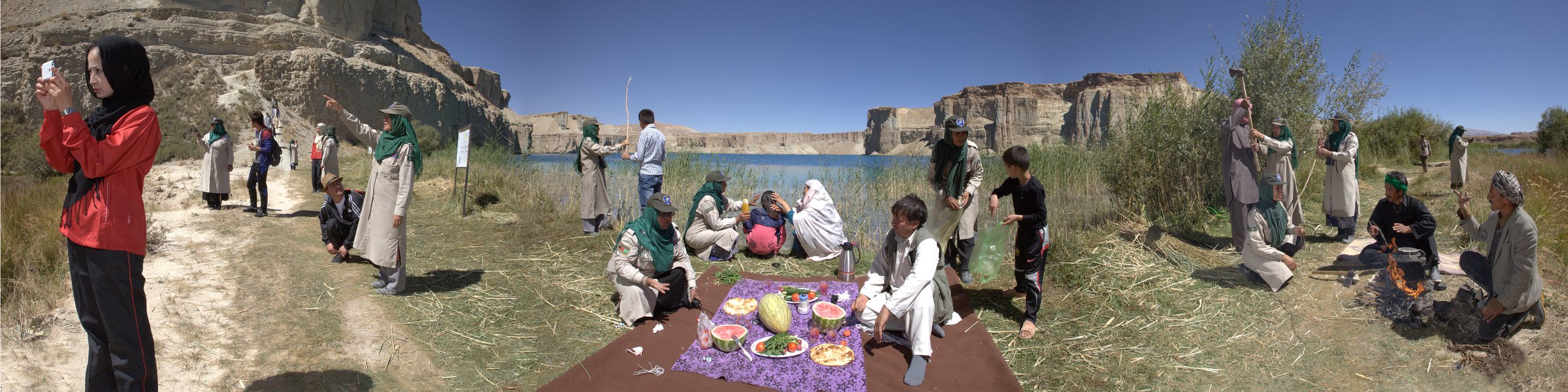
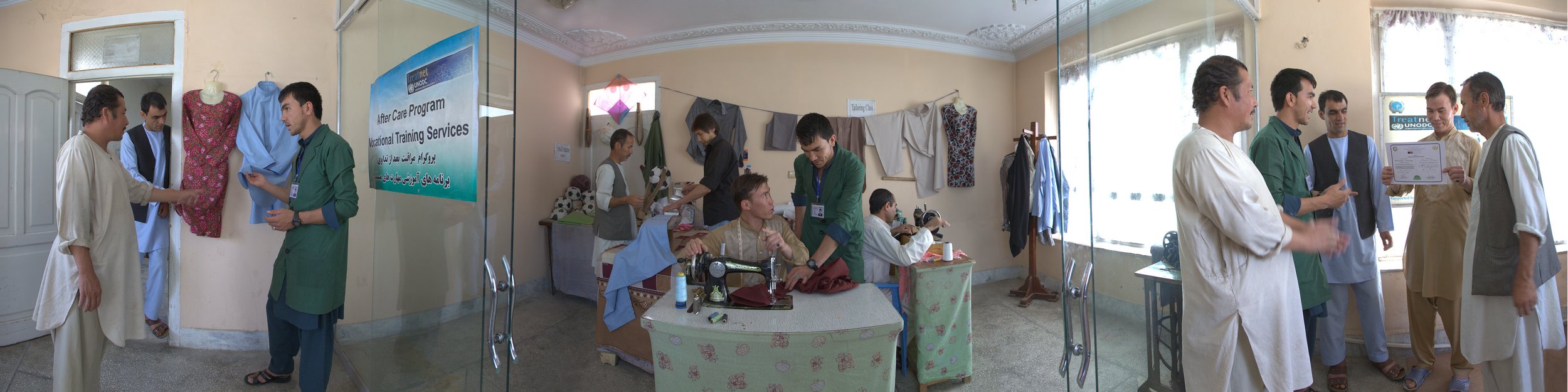
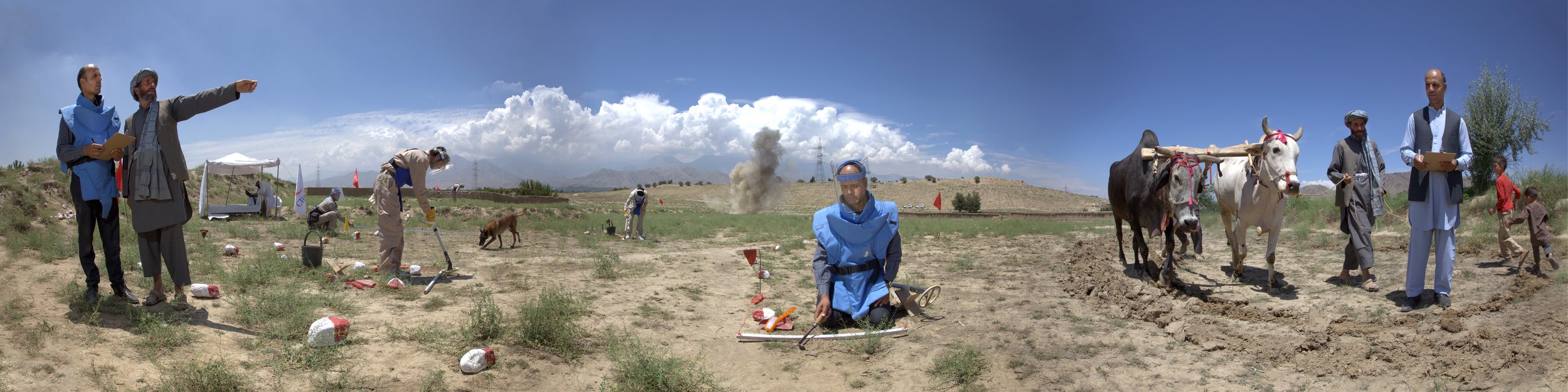
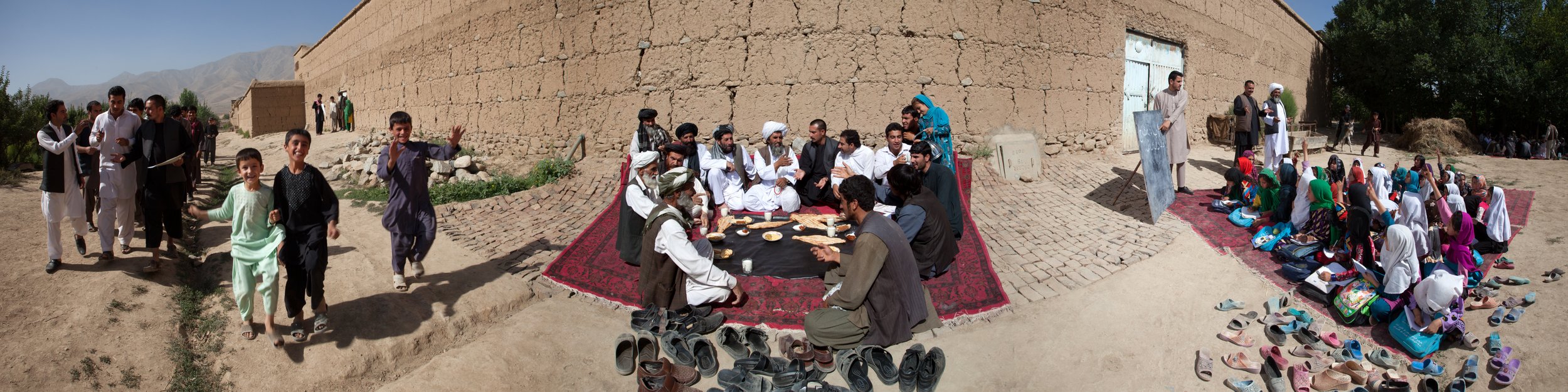
The UN70 “Strong UN. Strong Afghanistan.” campaign, preserved as an archived website, highlighted the contributions of Afghan people and communities. Its emphasis on Afghan initiative remains relevant to humanitarian action today: effective assistance is strongest when communities are treated as partners, local organizations have meaningful influence and international support reinforces—not replaces—local capacity.
A partnership grounded in local knowledge
Afghan NGOs are often present in places where international teams cannot maintain a permanent presence. Their staff may have long-standing relationships with village elders, women’s groups, health workers, teachers and displaced families. These relationships help organizations understand which households face the greatest risks, how social dynamics affect access and what forms of support are acceptable and practical.
Local knowledge also improves the accuracy of needs assessments. A national organization may recognize that a food distribution point is too far for older people, that women cannot safely reach a service without female staff or that a cash intervention needs to account for market disruptions. Such information helps humanitarian agencies adjust their plans before resources are wasted or vulnerable people are excluded.
Partnership does not mean assigning Afghan NGOs a narrow delivery role after priorities have already been decided. Effective coordination includes them in analysis, response design, budgeting and review. When local actors help shape a programme from the beginning, assistance is more likely to reflect community priorities and remain workable after an emergency project ends.
How coordination turns needs into action
UN coordination brings together agencies, NGOs, donors and public authorities around shared assessments and response plans. Humanitarian clusters and sector working groups can compare information about shelter, food security, health, water, protection and education. This process makes it easier to identify overlapping projects, underserved districts and urgent needs that fall between institutional mandates.
A coordinated response also clarifies responsibilities. One organization may have the capacity to repair water systems, another may specialize in maternal healthcare and an Afghan NGO may be best placed to mobilize communities and monitor access. When these roles are agreed in advance, people are less likely to receive several forms of assistance in one location while another community receives nothing.
Information sharing must be timely and responsible. Partners need enough data to plan effectively, yet personal information about displaced people, survivors of violence or people with specific protection needs must be safeguarded. Clear referral pathways are equally important. A community worker who identifies a child at risk, a person with a disability or a woman requiring medical care should know which trusted service can respond and how to make that connection safely.
Coordination is also valuable during rapid-onset emergencies. Floods, earthquakes and disease outbreaks can overwhelm local systems within hours. Pre-agreed contacts, emergency supplies, common assessment tools and flexible financing allow Afghan NGOs to act quickly while maintaining communication with UN agencies and other responders.
Women-led response and community trust
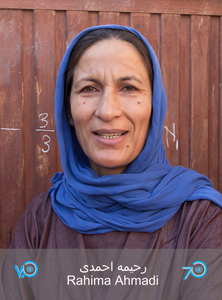
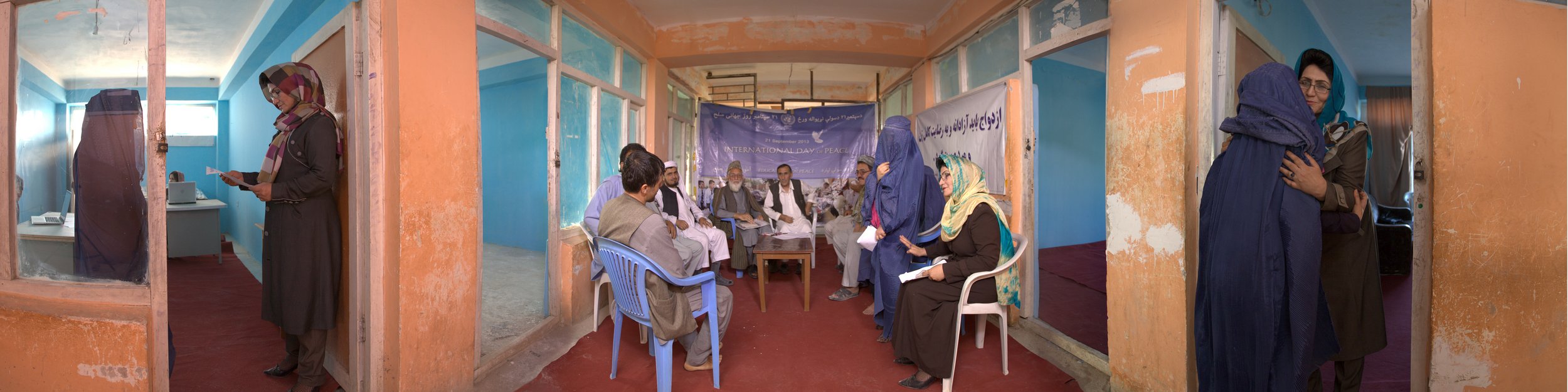
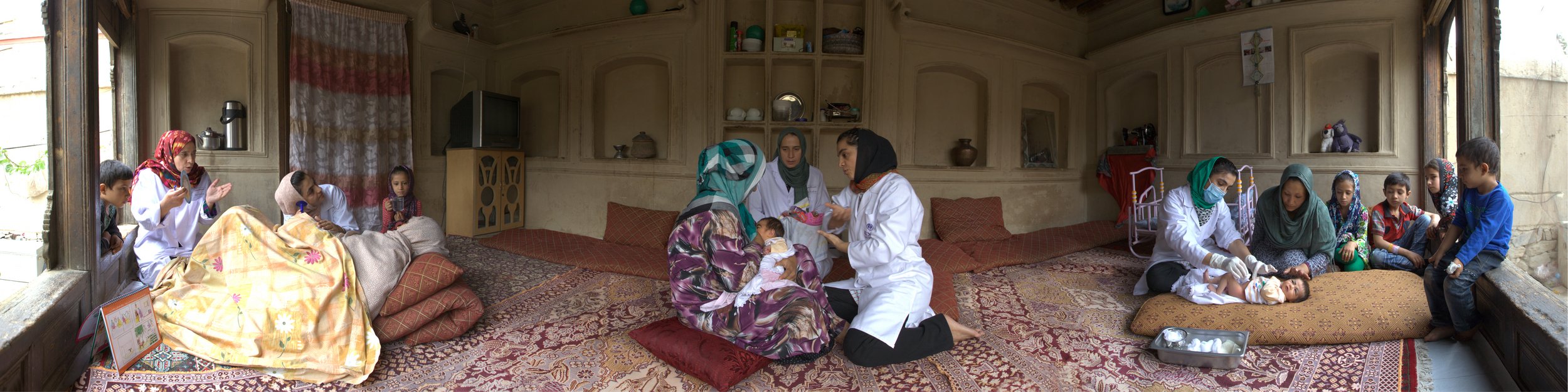
Women’s participation is essential to reaching households that may be invisible to conventional aid systems. Female outreach workers can speak privately with women and girls, identify protection concerns and support access to reproductive healthcare, psychosocial services, education and livelihoods assistance. Their involvement can also make distributions and registration processes more dignified and inclusive.
This role is especially important where cultural expectations or movement restrictions limit contact between male aid workers and women beneficiaries. Afghan women working through local organizations can serve as community mobilizers, health professionals, case managers, teachers and emergency responders. Their experience helps humanitarian programmes understand risks that broader surveys may overlook.
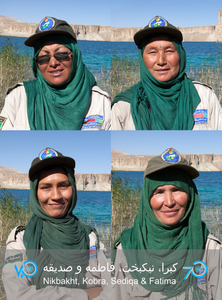
The importance of this work is reflected in stories about women leading disaster response, where local leadership and UN support combine to strengthen emergency action. Such examples show that women are not simply recipients of assistance. They are decision-makers, organizers and sources of practical knowledge during crises.
For coordination to support women-led action, funding arrangements must account for security, transport, staffing and safeguarding costs. Female staff may need dedicated support to travel safely or communicate with communities. Humanitarian partners should also track whether women participate in programme decisions, rather than measuring success only by the number of women who receive services.
Shared standards, flexible funding and accountability
A strong partnership requires common standards for protection, financial management, procurement, safeguarding and quality control. These standards help ensure that assistance is distributed fairly and that staff understand how to prevent exploitation, abuse and discrimination. They also give donors and communities greater confidence that resources are being used responsibly.
Capacity strengthening should be practical rather than limited to occasional training workshops. Afghan NGOs may benefit from support with grant management, digital reporting, security procedures, monitoring systems, gender analysis and organizational governance. Mentoring, peer learning and shared technical teams can be more useful than one-time instruction because they connect new skills to daily operations.
Funding design has a direct effect on aid quality. Short grants with heavy reporting requirements can force organizations to focus on compliance instead of community outcomes. Multi-year, flexible funding gives local partners greater ability to retain experienced staff, prepare for seasonal risks and adapt when needs change. It also reduces the repeated administrative burden of negotiating small, narrowly restricted projects.
Accountability must work in both directions. Communities need safe channels to report exclusion, fraud, mistreatment or poor-quality services, with complaints handled without retaliation. International and national partners should also have transparent procedures for resolving disputes, clarifying indirect costs and reviewing decisions that affect programme delivery.
| Coordination priority | Contribution from Afghan NGOs | Value of UN partnership | Result for communities |
|---|---|---|---|
| Needs assessment | Local relationships, language skills and contextual analysis | Shared tools, technical advice and cross-sector information | More accurate identification of vulnerable households |
| Service delivery | Community access, local staff and rapid mobilization | Supplies, specialist expertise and operational coordination | Faster and more appropriate assistance |
| Protection and inclusion | Awareness of social barriers and confidential referral networks | Protection standards and specialized services | Safer access for women, children and marginalized groups |
| Monitoring | Direct feedback from beneficiaries and field observation | Independent review and consolidated reporting | Better quality control and corrective action |
| Local capacity | Experience in community-led implementation | Training, financing and organizational support | Stronger Afghan institutions and greater sustainability |
Reaching people across difficult terrain
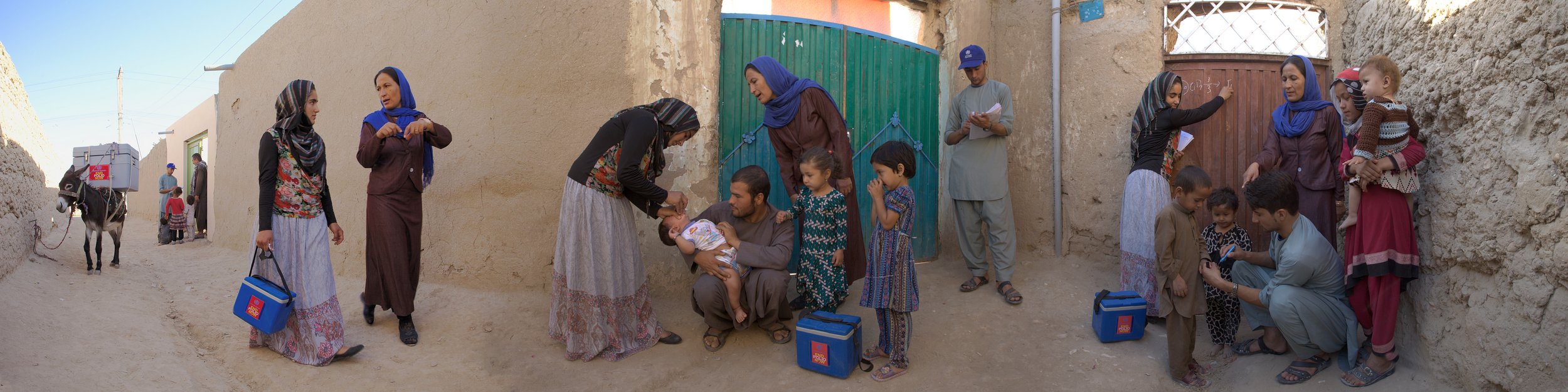
Afghanistan’s geography creates practical obstacles for humanitarian operations. Mountainous areas, damaged roads, harsh winters and long distances can delay the movement of supplies and personnel. Displacement can also change the location of need quickly, while remote communities may have limited telecommunications or market access.
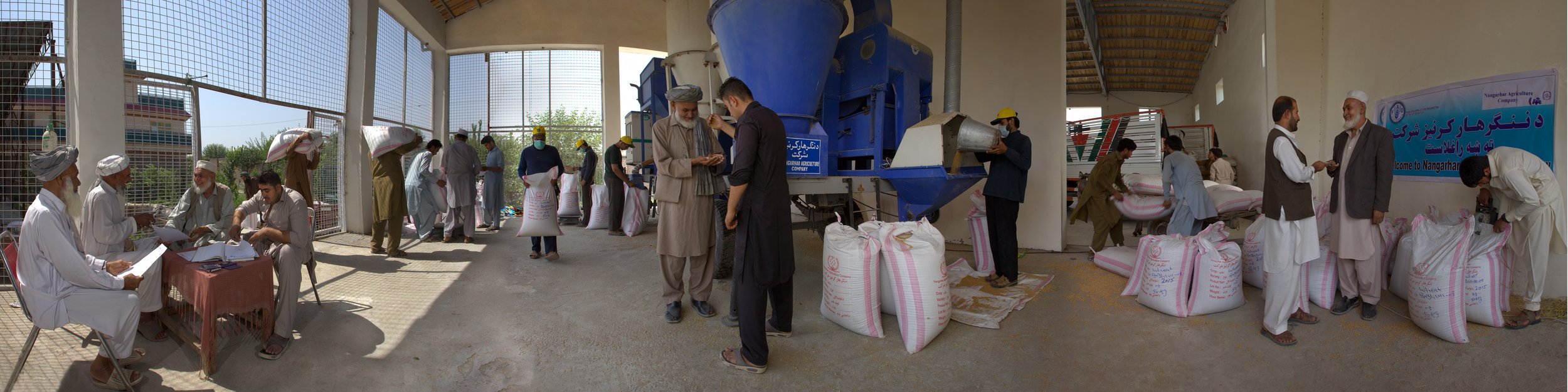
Afghan NGOs can help overcome these barriers through decentralized staffing, local procurement and established community networks. They often know which routes remain usable, where temporary storage is available and when seasonal conditions will make travel dangerous. Coordination with UN logistics, security and assessment teams can make these local capabilities more effective.
Cash and voucher assistance may support local markets when they are functioning, while in-kind relief can be necessary where markets have collapsed or prices are unstable. The choice should be based on current evidence, not a fixed preference. Local partners can monitor prices, access and household priorities, helping agencies decide whether a distribution, cash transfer, livelihood grant or service referral is the most suitable option.
Remote management can support access, but it has limits. Field-level verification, community feedback and independent monitoring remain important when programmes are delivered through multiple layers of partners. A reporting system should capture both numerical outputs and the experiences of people who use the services.
Measuring results and sustaining local capacity
Effective aid delivery should be judged by meaningful changes in people’s lives, not only by the number of kits distributed or training sessions completed. Useful measures may include reduced travel time to essential services, improved food security, continued school attendance, safe referrals, restored water access or increased ability to cope with future shocks.
Monitoring should combine quantitative data with community perspectives. Surveys, focus groups, complaint mechanisms, household visits and discussions with local leaders can reveal whether assistance is reaching the intended people. Data should be disaggregated where safe and appropriate by sex, age, disability, location and displacement status so that hidden inequalities become visible.
Learning must lead to adjustment. If women cannot access a distribution site, if persons with disabilities are excluded from registration or if a cash programme drives up local prices, partners should be able to change the design. UN coordination forums can help share lessons across provinces and sectors, preventing each organization from repeating the same mistake.
Sustainability does not require humanitarian agencies to withdraw quickly. It means building systems that communities and Afghan institutions can maintain as external support changes. Investments in local staff, supply chains, health facilities, information systems and community leadership can leave behind capabilities that serve people beyond a single emergency grant.
Practical priorities for stronger delivery
UN agencies, donors and Afghan NGOs can make coordination more effective by focusing on a small number of operational commitments. These priorities should be reflected in partnership agreements, response plans and funding decisions rather than treated as broad statements of principle.
- Include Afghan NGOs and community representatives in needs analysis, programme design, budget discussions and response evaluation from the earliest stage.
- Provide predictable, multi-year and flexible funding while maintaining clear safeguards, transparent reporting and proportionate due diligence.
- Invest in women-led organizations and female field staff, including the security, transport and professional support required for meaningful participation.
- Use shared referral, monitoring and feedback systems that protect personal data and make complaints safe, accessible and actionable.
- Combine local knowledge with UN technical expertise, logistics and convening power to improve coverage without duplicating services.
These measures can strengthen the entire humanitarian ecosystem. They also help donors see local organizations as strategic partners with institutional value, rather than as inexpensive contractors. A fairer distribution of decision-making power is likely to produce more relevant services and a stronger response when the next crisis occurs.
The central principle is simple: international coordination works best when it amplifies Afghan capacity. UN agencies can provide scale, specialist knowledge, financing relationships and a platform for collective action. Afghan NGOs bring proximity, trust, cultural understanding and the ability to translate plans into services that communities can actually use.
The archived UN70 campaign’s message about a strong UN and a strong Afghanistan remains a useful framework for this partnership. A capable UN presence and capable Afghan civil society are mutually reinforcing. Supporting both can improve the reach, quality, accountability and resilience of humanitarian assistance.
UN agencies, donors, Afghan NGOs and community leaders can turn this principle into practice by sharing decisions, funding local leadership and measuring success through the safety and dignity of the people served. Continued commitment to coordinated, locally informed action will help deliver aid more effectively across Afghanistan and build foundations for recovery when emergency needs recede.