
Making a Difference
How Afghan Women Are Leading Disaster Response With UN Help
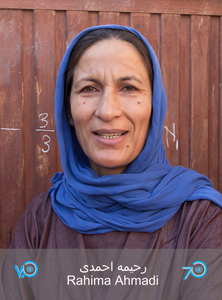
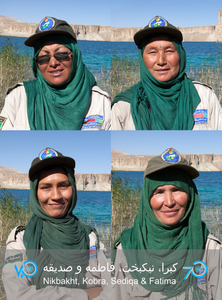
Afghanistan faces repeated humanitarian shocks, including earthquakes, floods, drought, harsh winters, disease outbreaks and displacement. These emergencies affect entire communities, yet their consequences are often most severe for women, children, older people and households with limited access to services. In many areas, Afghan women are helping families prepare, survive and recover while working within difficult social and economic conditions.
Their contribution is frequently less visible than the work of large relief operations. Women may be organizing neighborhood support, sharing health information, identifying people at risk, helping displaced families reach assistance or encouraging other women to use essential services. Their local knowledge gives humanitarian agencies a clearer understanding of what communities need and who may be excluded.
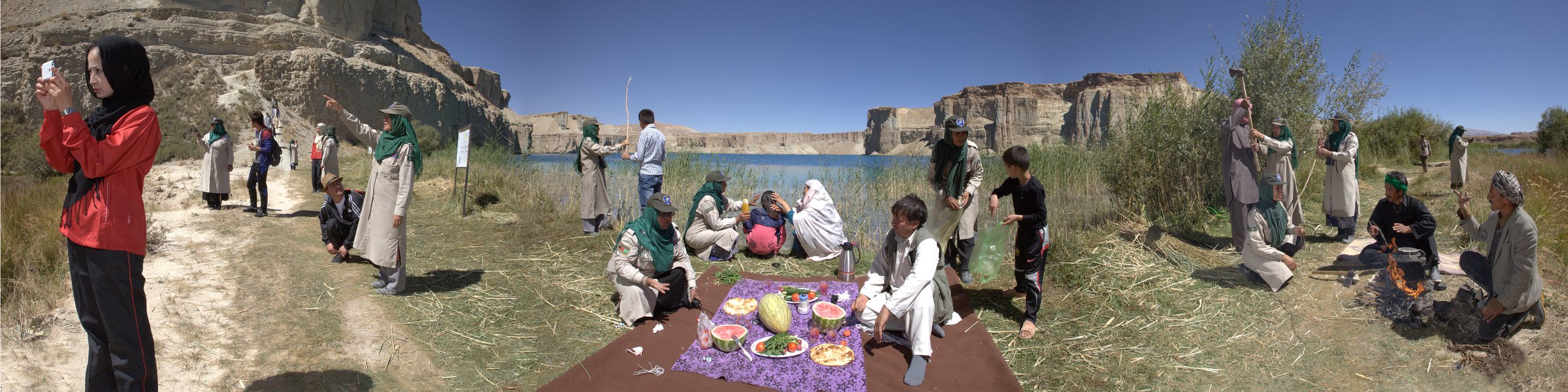
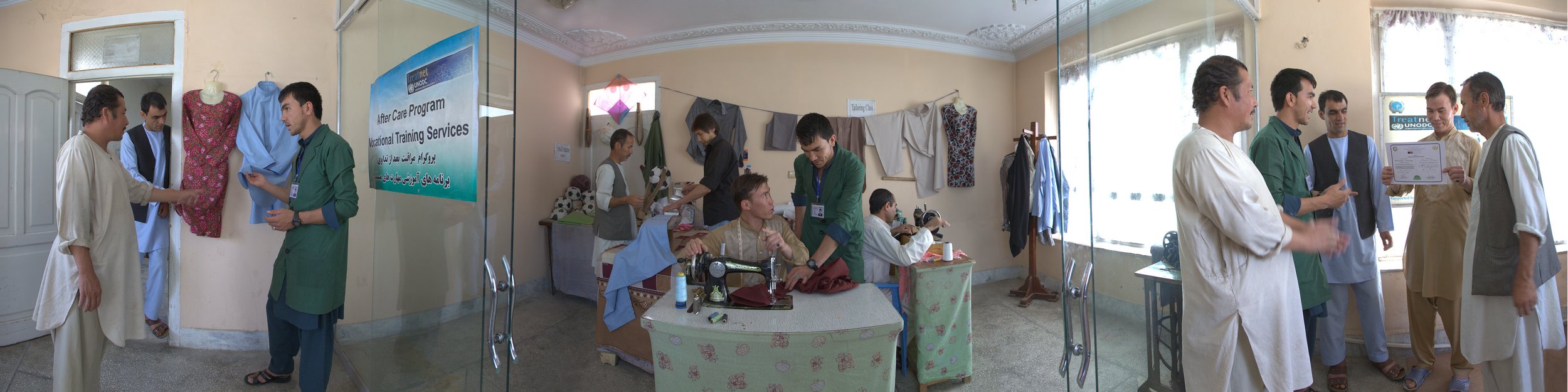
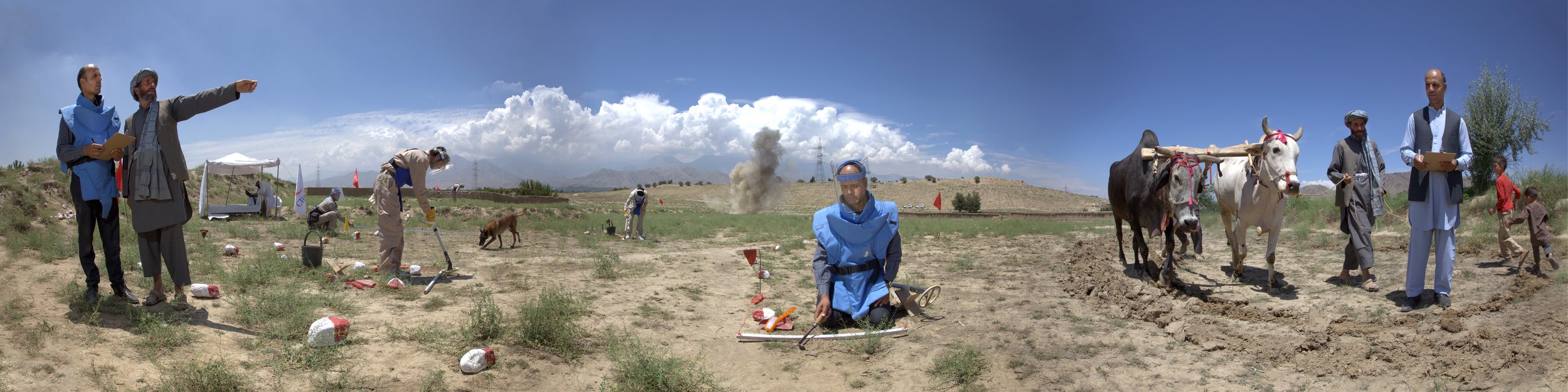
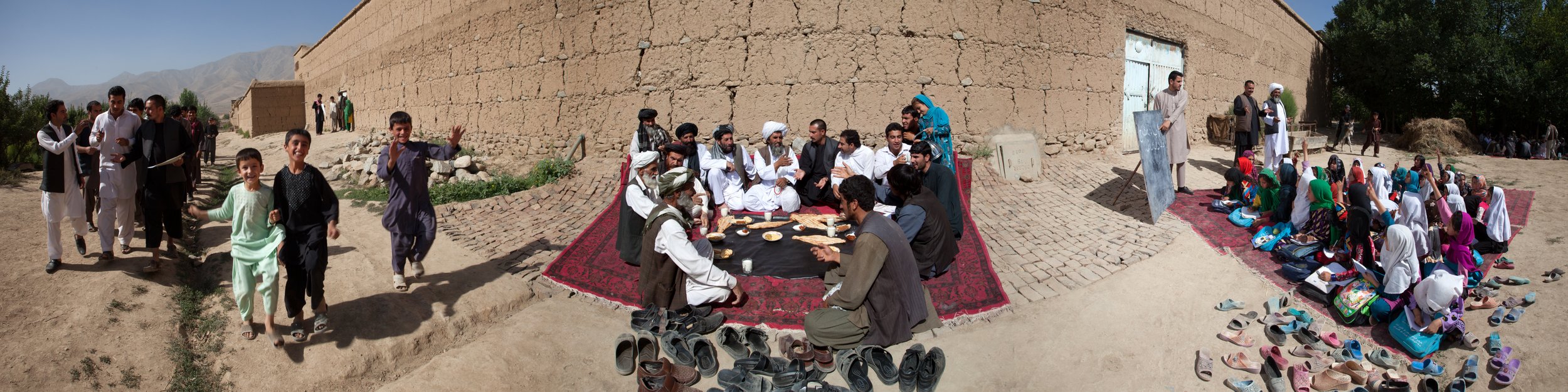
The United Nations supports this work through humanitarian coordination, funding, technical advice, protection services and partnerships with Afghan civil society organizations. The UN70 “Strong UN. Strong Afghanistan.” campaign, preserved as an archived website, highlighted the strength and contribution of Afghan people. Its wider message remains relevant: sustainable recovery depends on communities themselves, including the women who help them respond to crisis.
Local Leadership During Emergencies
Women are often the first to notice changes inside a household or neighborhood. They may recognize signs of illness, identify families running short of food, see when a pregnant woman needs medical care or understand which people cannot safely travel to a distribution point. This practical awareness can improve the speed and accuracy of emergency assistance.
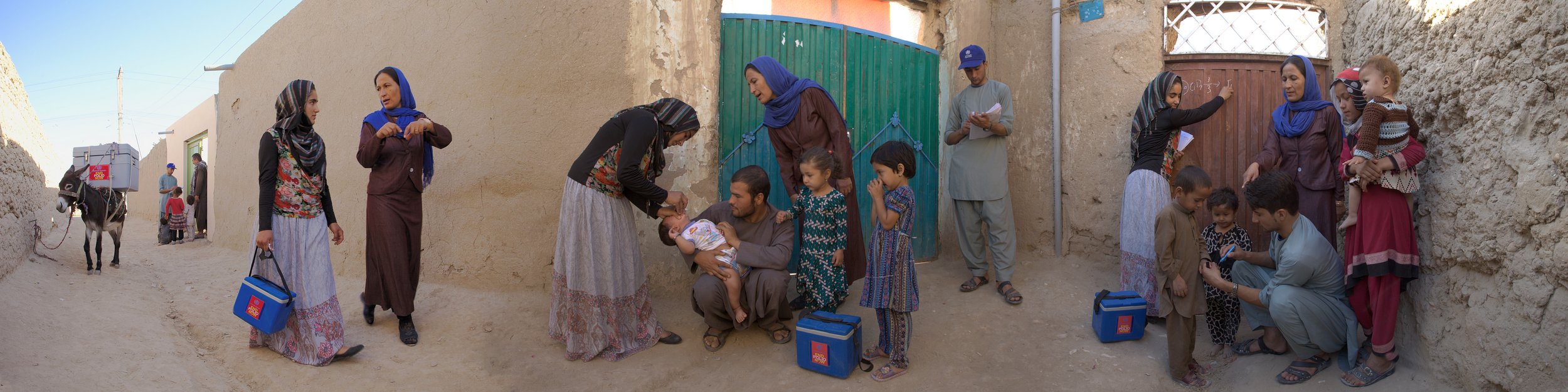
In rural areas, women’s networks can also carry information where formal communication is limited. A message about safe water, vaccination, shelter, mine awareness or an approaching flood may pass through relatives, community groups, health workers and trusted local figures. These relationships help humanitarian teams reach households that might otherwise remain invisible.
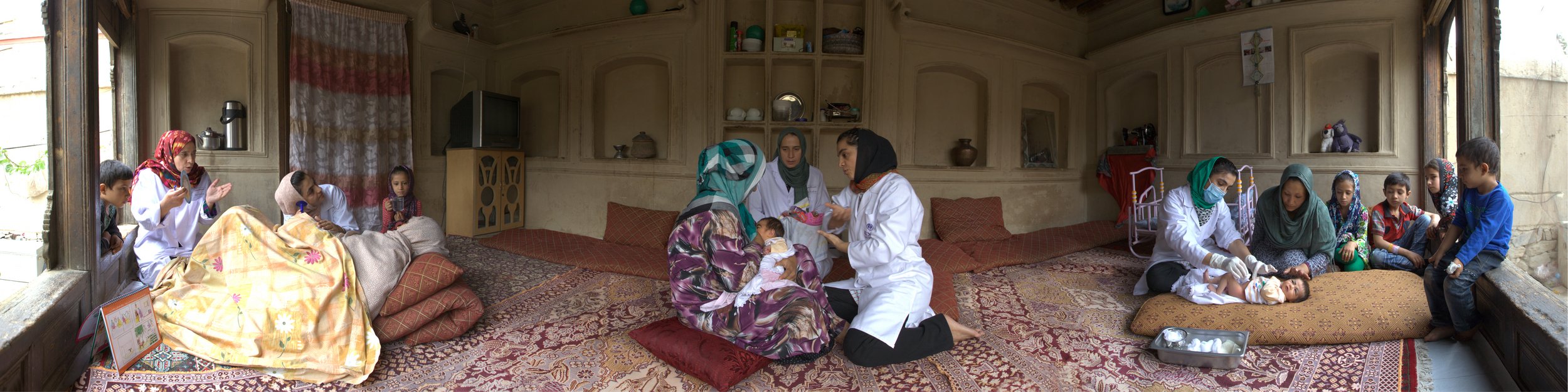
Women’s leadership does not always involve a public title. A midwife advising expectant mothers, a teacher helping children cope after an earthquake, a community health worker explaining disease prevention or a female volunteer recording urgent needs is participating in disaster response. Their work strengthens local resilience before, during and after a crisis.
Linking Relief To Everyday Needs
Effective emergency response must reflect the realities of daily life. Food assistance, for example, is more useful when it considers household cooking arrangements, access to fuel, mobility restrictions and the needs of infants. Shelter support must account for privacy and safety. Water and sanitation facilities must allow women and girls to use them without fear of harassment or exposure.
UN agencies and humanitarian partners use assessments, community consultations and protection monitoring to identify these concerns. When women can participate safely in planning, relief programs are more likely to address menstrual hygiene, maternal health, disability access, childcare, documentation and protection from gender-based violence. These details can determine whether aid is genuinely accessible.
Afghan women also help translate broad humanitarian priorities into practical solutions. They can explain which meeting locations are acceptable, which communication channels are trusted and what barriers prevent families from collecting assistance. Their involvement helps reduce waste and supports fairer distribution during a period when resources are under intense pressure.
The UN Partnership In Practice
UN support does not replace Afghan leadership. Its strongest contribution is often to connect community knowledge with systems that can provide resources, expertise and coordination. The United Nations Office for the Coordination of Humanitarian Affairs helps humanitarian actors understand needs and organize their response. Agencies such as UNFPA, UNICEF, WHO, UN Women, WFP and UNDP contribute specialized assistance in health, nutrition, protection, food security, recovery and women’s participation.
A female health worker may receive training, supplies or referral support through a program backed by UN partners. A women-led civil society organization may gain access to funding, safeguarding guidance or coordination forums. A displaced woman may receive reproductive health care, psychosocial support or information about available services through a partner organization. These links turn local initiative into a stronger emergency network.
The UN also promotes standards that place dignity, accountability and protection at the center of humanitarian action. Feedback mechanisms, confidential reporting channels and gender-sensitive assessments can help women shape the assistance they receive. When these systems function well, women are treated as decision-makers and rights holders rather than only as vulnerable beneficiaries.
| Area of Response | Women’s Contribution | How UN Support Can Help |
|---|---|---|
| Early warning | Sharing local observations about floods, disease or food shortages | Coordination, risk analysis and public information |
| Health services | Providing maternal care, health education and referrals | Training, medicines, mobile services and technical support |
| Relief distribution | Identifying excluded households and access barriers | Humanitarian funding, needs assessments and accountability systems |
| Protection | Recognizing risks faced by women, girls and displaced people | Case management, safe spaces and referral networks |
| Recovery | Supporting livelihoods, education and community planning | Cash assistance, skills programs and resilience projects |
Reaching People Who Are Often Missed
Disasters rarely affect everyone equally. Women with disabilities, female-headed households, older women, widows, adolescent girls and displaced families may face additional obstacles. They can have limited transport, restricted income, incomplete identity documents or fewer opportunities to communicate with aid providers. A response designed without their participation may leave them behind.
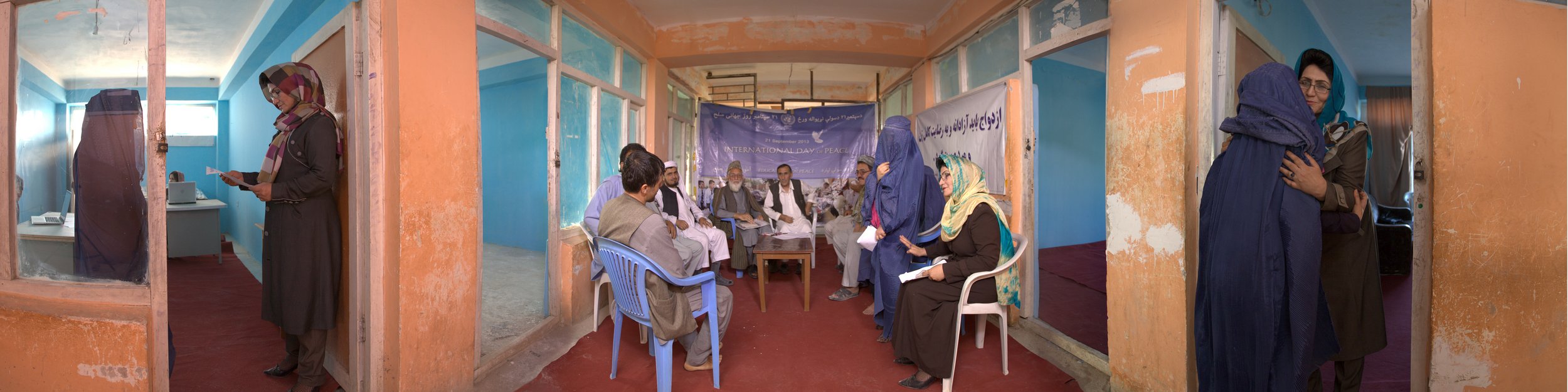
Female outreach workers can help identify these gaps discreetly. They may visit households that cannot attend public meetings, explain eligibility requirements or refer survivors to medical and protection services. Their presence can be especially important where cultural expectations make it difficult for women to speak with male staff.
Access remains a serious concern. In Afghanistan, restrictions affecting women’s education, employment and movement have reduced the pool of female humanitarian workers and complicated service delivery. UN agencies and partners have repeatedly emphasized the importance of women’s meaningful participation so that lifesaving assistance can continue to reach women and girls. Respectful engagement with communities, careful negotiation and support for Afghan women professionals are essential parts of that effort.
From Emergency Relief To Recovery
Disaster response is not limited to the first days after a crisis. Families may need assistance for months or years as they repair homes, restore livelihoods, recover from trauma and adapt to new risks. Women contribute throughout this process by sustaining households, organizing mutual aid and helping children return to learning.
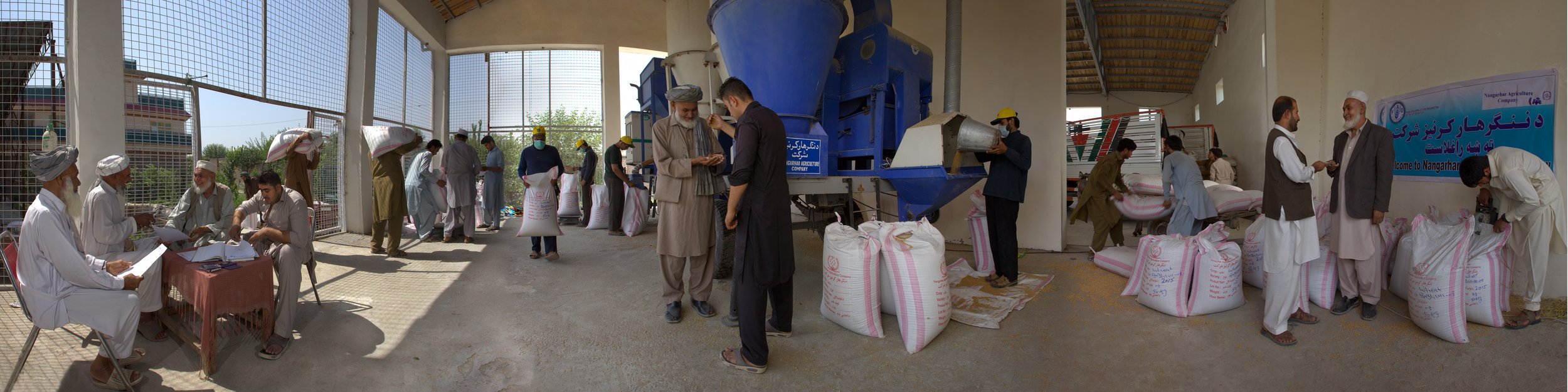
Recovery programs can support women through cash assistance, vocational training, agricultural inputs, small-business support and access to savings groups. These initiatives are most effective when they account for safety, childcare, mobility and market conditions. A livelihood project that ignores these factors may look successful on paper while remaining inaccessible to the women it is intended to serve.
Women’s participation also improves preparedness. Community disaster plans can include evacuation routes, accessible shelters, emergency contact systems and supplies for pregnant women, infants and people with disabilities. Local women can help test whether these plans work in real households. Their experience turns preparedness from a formal document into a practical safety system.
What Stronger Support Should Prioritize
International assistance can reinforce Afghan women’s disaster leadership by directing resources to trusted local organizations and by reducing unnecessary administrative barriers. Small, flexible grants may allow women-led groups to respond quickly to urgent needs, while longer-term funding can help them retain staff, build expertise and prepare for future shocks.
Humanitarian programs should also measure participation, not simply count the number of people reached. Useful questions include whether women helped design the response, whether services were safe to use, whether complaints were addressed and whether women gained influence over recovery decisions. These measures reveal the quality of assistance and its lasting effect.
Practical priorities include:
- Protect funding for women-led Afghan organizations, female health workers and community-based responders.
- Include women in needs assessments, emergency planning, distribution design and recovery monitoring.
- Maintain confidential referral pathways for gender-based violence, maternal health and psychosocial support.
- Invest in training, protective equipment, communications and transportation for women humanitarian staff.
- Use gender- and age-disaggregated data to identify who is being reached and who remains excluded.
Building Resilience Through Partnership
Afghan women’s leadership is rooted in service, trust and detailed knowledge of community life. Their work may be carried out in a clinic, a school, a temporary shelter, a village meeting or a household facing displacement. Each setting offers a chance to protect lives and strengthen the ability of families to cope with the next emergency.
The United Nations can help create the conditions in which this leadership has greater reach. Coordination can connect local groups with donors and technical specialists. Humanitarian standards can improve safety and accountability. Funding can sustain frontline services. Public recognition can challenge the idea that disaster response belongs only to formal institutions or male leaders.
The story presented through the archived UN70 campaign is therefore more than a record of a completed communications effort. It reflects a continuing principle for Afghanistan: national strength grows when communities are recognized as partners. Afghan women are already contributing to preparedness, relief and recovery. Supporting their leadership makes humanitarian action more trusted, more inclusive and more effective.
Share the stories of Afghan women responders, support credible humanitarian organizations working with local communities and follow verified UN Afghanistan updates on emergency assistance and recovery. Public attention and sustained support can help ensure that women remain at the center of Afghanistan’s response to disaster.