
Making a Difference


Drought-proofing Afghanistan’s agricultural heartland
Afghanistan’s rural economy is built around an uneven and increasingly fragile water cycle. Villages, orchards, wheat fields, livestock herds, and local markets all depend on rainfall, snowmelt, rivers, and groundwater arriving at the right time. When precipitation fails, the effects move quickly from a dry field to reduced food supplies, lost income, debt, displacement, and pressure on already stretched services.
Farmers have always managed uncertainty through experience, seed selection, water-sharing customs, and seasonal labor. Yet prolonged drought, rising temperatures, degraded watersheds, and limited access to irrigation equipment have made traditional coping methods less reliable. Building resilience now requires practical investments that help households produce food with less water while protecting the natural systems that replenish it.
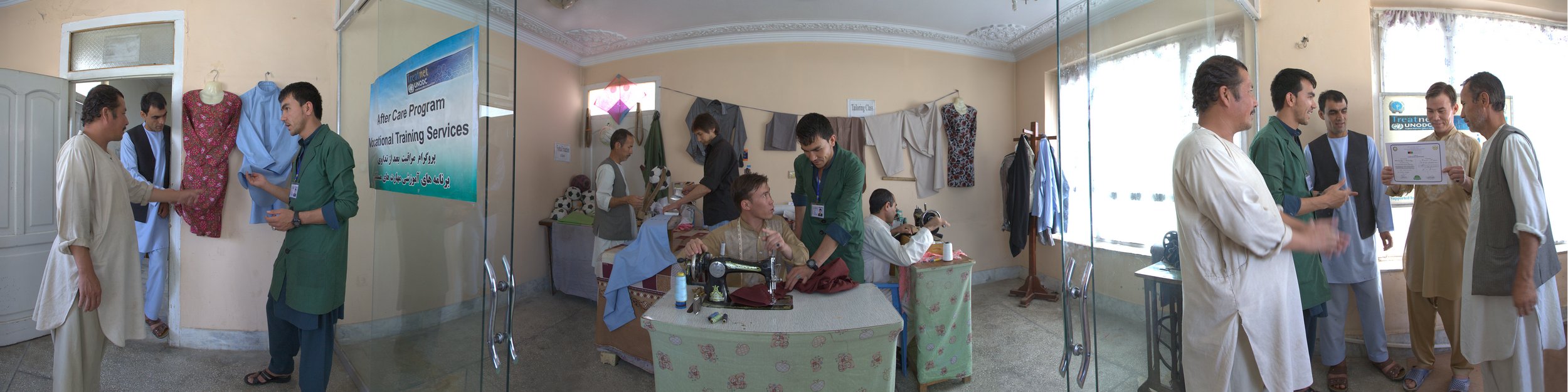
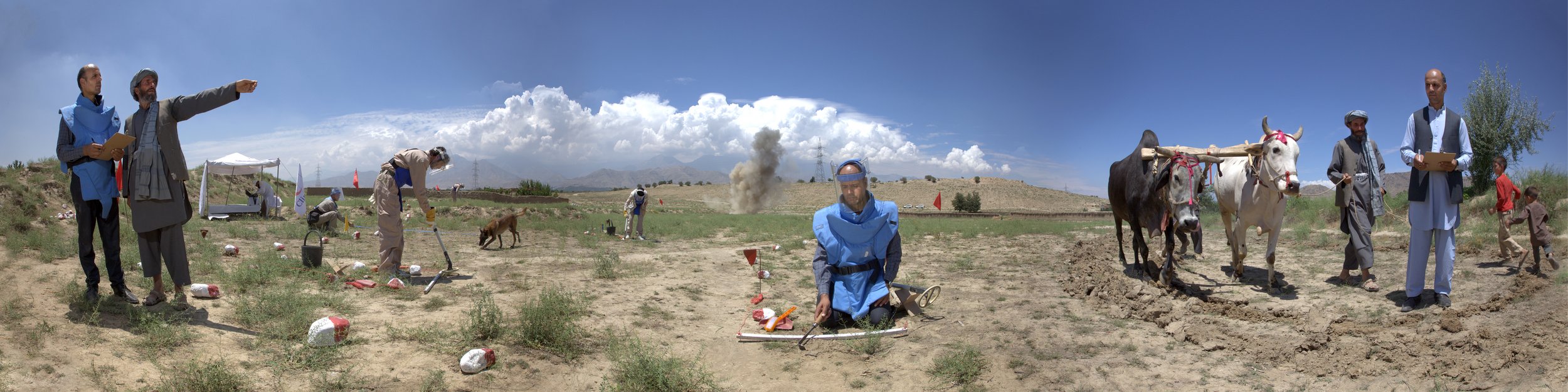
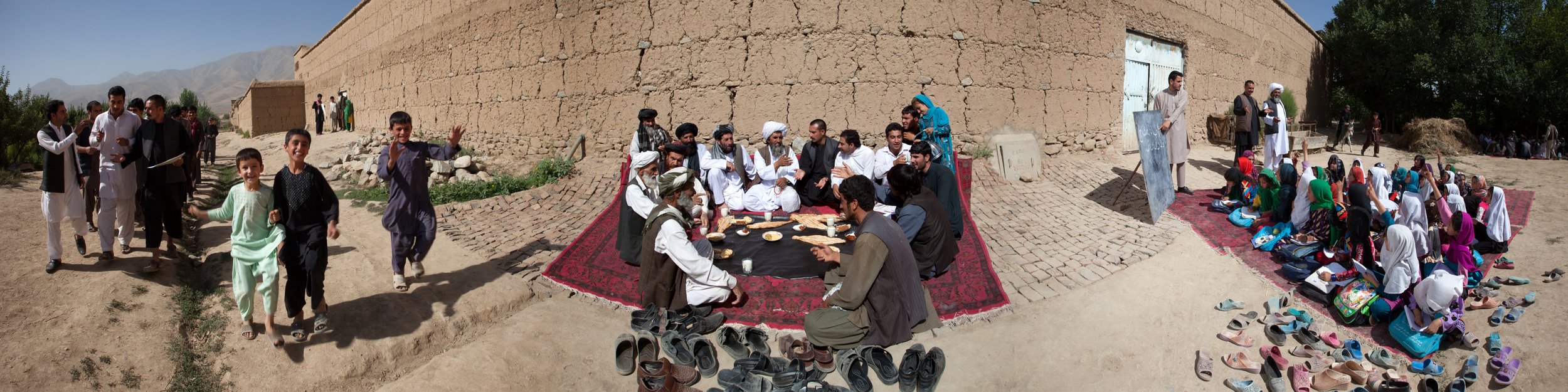
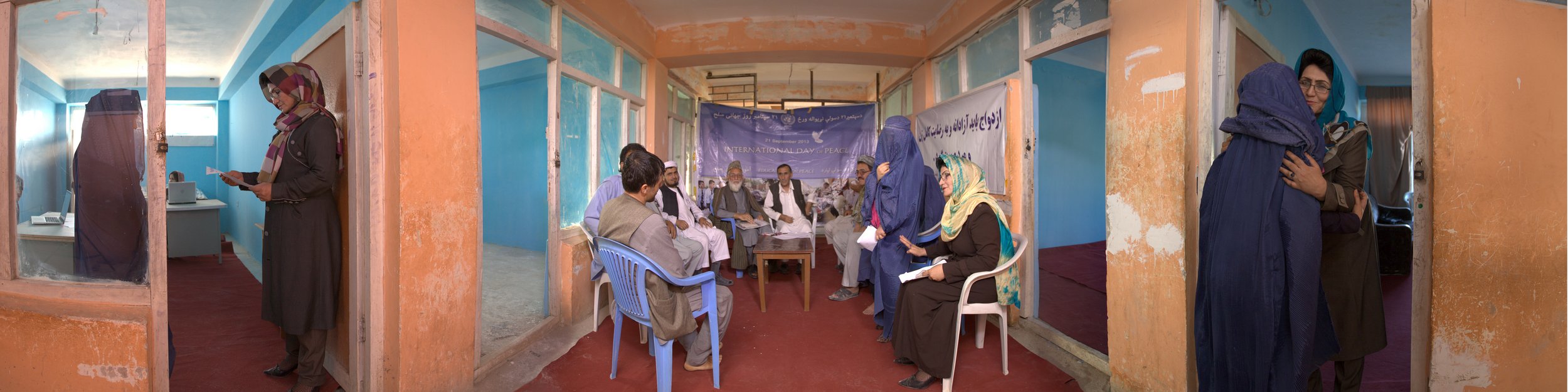
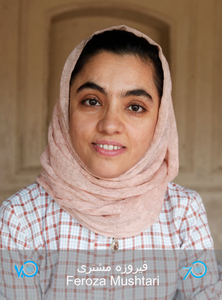
The UN’s work and partnerships in Afghanistan have often emphasized the strength and agency of Afghan people. The archived UN70 “Strong UN. Strong Afghanistan.” campaign reflected that perspective by presenting Afghan individuals and communities as contributors to the country’s future. A drought-resilient farming strategy should follow the same principle: international support can provide knowledge, finance, and coordination, but local farmers must shape the solutions.
Why water security matters in rural Afghanistan
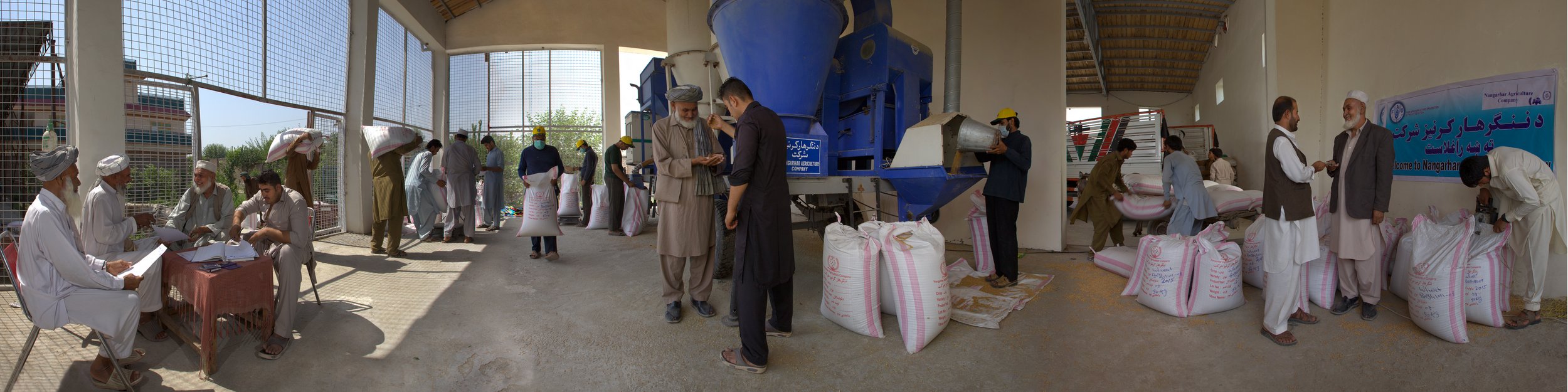
Agriculture remains central to livelihoods across Afghanistan, especially in areas where formal employment is scarce. Wheat, maize, rice, vegetables, fruit, and livestock support household consumption and generate cash for school costs, medical care, transport, and housing. A failed harvest therefore creates several losses at once. Families may buy expensive food, sell animals, borrow money, or reduce the quality and quantity of their meals.
Drought also affects the invisible foundations of production. Springs weaken, wells deepen, pastures lose vegetation, and soil becomes harder and less fertile. In some communities, farmers compete for limited irrigation water, while downstream households receive less than they need. Women and children may spend more time collecting water, leaving less time for education, paid work, or care.
The consequences can extend beyond a single growing season. Farmers who sell seed, tools, or animals to survive may struggle to restart production when rain returns. Rural businesses lose customers, food prices become volatile, and families may migrate temporarily or permanently. Drought-proofing must therefore address both immediate relief and the capacity to recover.
What climate-resilient farming looks like
Drought resilience does not mean eliminating risk. It means reducing the amount of water required for a harvest, storing water when it is available, protecting soil from heat and erosion, and giving farmers several ways to earn income. A resilient farm can absorb a poor rainfall season without losing every productive asset.
Water-efficient irrigation is a useful starting point. Drip lines, low-pressure sprinklers, lined canals, improved diversion structures, and carefully maintained karez systems can reduce leakage and evaporation. These technologies work best when communities receive training in repair, scheduling, and equitable distribution. Equipment that cannot be maintained locally quickly becomes an abandoned project.
Soil management is equally important. Mulching, compost, crop residue, terracing, contour planting, and reduced tillage help soil retain moisture. Agroforestry can provide shade, fodder, fruit, fuelwood, and wind protection when trees are selected for local conditions. Small reservoirs, recharge ponds, check dams, and restored wetlands can slow runoff and increase groundwater replenishment, provided their design reflects local hydrology.
Seeds, crops, and livestock suited to dry conditions
Crop choices strongly influence how much water a household needs. Drought-tolerant wheat, early-maturing grains, pulses, oilseeds, and selected vegetables can offer better results when the rainy season is short or unpredictable. Diversification also protects families from relying on a single harvest. A crop that matures early may be especially valuable in districts where late-season water is no longer dependable.
Seed systems must be reliable, affordable, and locally trusted. Farmers need access to quality seed before planting, along with clear information about performance in their district. Demonstration plots can help compare varieties under real conditions rather than relying only on marketing claims. Local seed banks and community storage can preserve adapted varieties while giving farmers a buffer when commercial supply chains are disrupted.
Livestock resilience deserves equal attention. Healthy animals require water, veterinary services, vaccination, fodder, and shade. Better pasture management can prevent overgrazing, while fodder banks and drought-resistant forage reduce distress sales during dry periods. Poultry, beekeeping, dairy processing, and small ruminants can add income streams, but these activities need market access and animal-health support to remain viable.
Comparing practical tools for dryland resilience
No single intervention can protect every Afghan farming community. A high mountain valley may need snowmelt storage and erosion control, while a semi-arid plain may benefit more from groundwater governance, drought-tolerant seed, and livestock fodder. The strongest programs combine infrastructure with training, maintenance, and locally agreed rules.
| Approach | Main benefit | Conditions for success | Common limitation |
|---|---|---|---|
| Drip or low-pressure irrigation | Delivers water directly to crops and reduces losses | Reliable water source, spare parts, farmer training | Upfront cost and maintenance needs |
| Small reservoirs and recharge structures | Stores runoff and supports groundwater recovery | Careful siting, sediment control, community management | Can fail if poorly designed or damaged by floods |
| Drought-tolerant seed | Protects yields during shorter or irregular seasons | Quality seed supply, local testing, extension advice | May perform poorly outside suitable conditions |
| Mulching and conservation agriculture | Retains soil moisture and reduces erosion | Access to residue, labor, and practical guidance | Benefits may build gradually over several seasons |
| Agroforestry and windbreaks | Protects soil while providing fruit, fodder, or fuel | Tree survival, grazing controls, long-term stewardship | Requires time before trees produce major returns |
| Fodder banks and livestock services | Reduces animal losses during dry periods | Veterinary access, storage, and fair distribution | Stock can be depleted during prolonged drought |
| Weather and water information | Improves planting, irrigation, and herd decisions | Local language communication and trusted channels | Forecasts cannot replace water or market support |
The choice should be based on a community water assessment rather than a standard package. Farmers, water-user groups, local authorities, women’s organizations, and technical specialists can map wells, canals, grazing routes, flood paths, and seasonal shortages together. This process helps identify which investments will strengthen the whole watershed instead of shifting risk from one village to another.
Linking farming resilience with essential services
A rural resilience program cannot focus on crops alone. Health, nutrition, education, roads, markets, and social protection influence whether families can remain productive during a drought. A child who is malnourished, a farmer who cannot reach a clinic, or a household forced to sell its tools for medical expenses is less able to recover from a failed season. Strong agricultural policy therefore needs coordination across sectors.
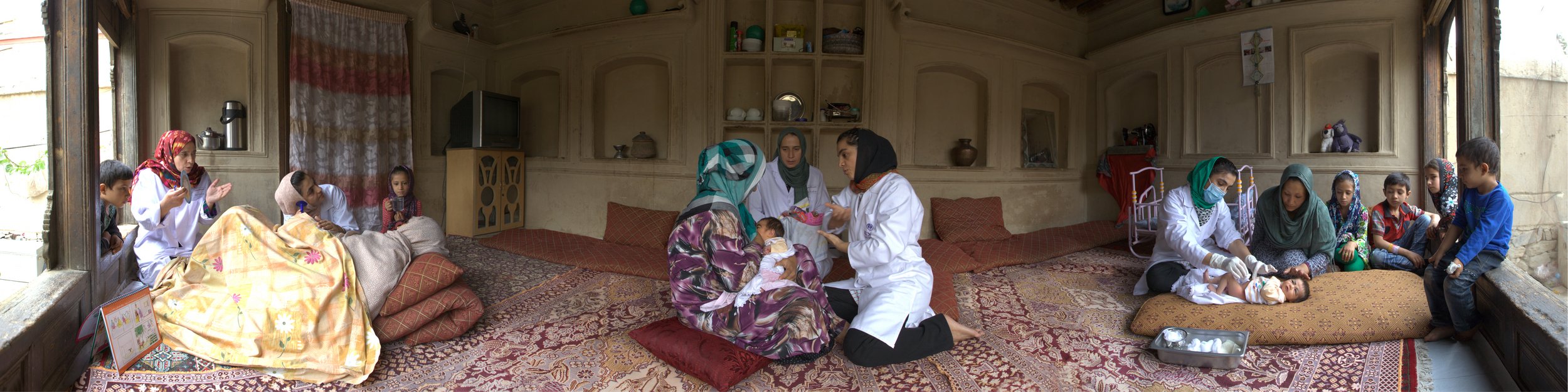
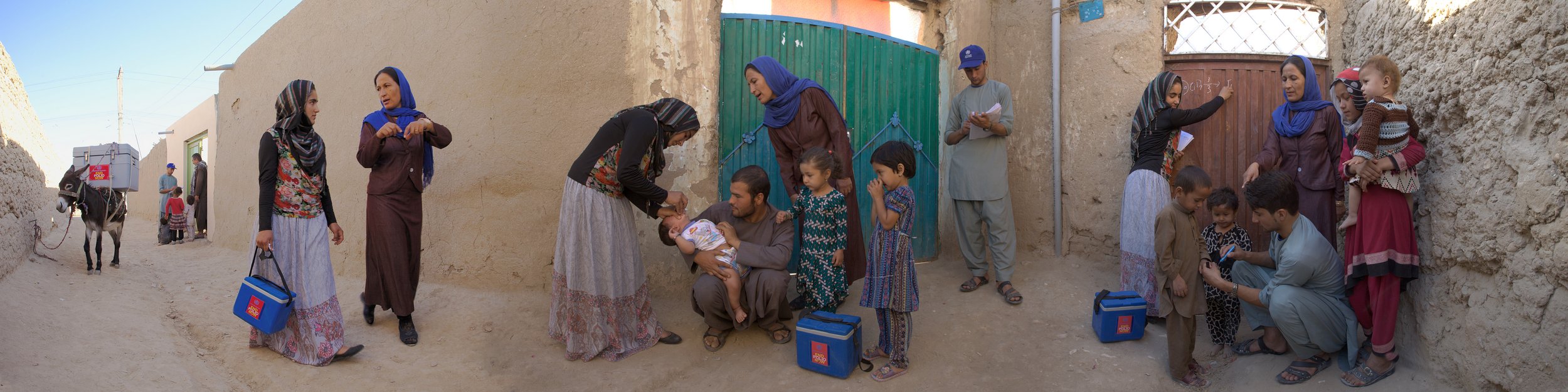
Public health is especially important in remote farming areas, where drought can increase malnutrition, reduce safe water access, and make disease prevention harder. Mobile services, community health workers, and vaccination outreach help protect household wellbeing when transport and income are limited. The UN’s reporting on vaccination teams illustrates how frontline workers can reach communities where fixed facilities are difficult to access.
Nutrition-sensitive agriculture can connect these priorities. Home gardens, legumes, small livestock, and food-preservation training may improve diets while generating modest income. Water projects should include safe drinking-water considerations, not just irrigation. Separating household water needs from agricultural demand can reduce pressure on unsafe sources and make drought planning more humane.
Making water projects last
Infrastructure is valuable only when communities can operate and repair it. A canal rehabilitation project may increase water delivery in its first year, but blocked intakes, broken gates, sediment, or unresolved disputes can quickly reduce its impact. Water-user associations need transparent rules, representative participation, and a clear process for collecting maintenance contributions and resolving conflicts.
Women’s knowledge and priorities should be part of water planning from the beginning. Women often manage household water, food processing, kitchen gardens, and care work, while having less influence over formal irrigation decisions. Including them in assessments, training, and leadership can reveal time burdens and safety concerns that a purely agricultural survey might miss.
Monitoring should measure more than the number of wells drilled or hectares irrigated. Useful indicators include groundwater levels, crop survival, household food consumption, livestock losses, soil moisture, maintenance response times, and participation by different groups. Local monitoring teams can combine farmer observations with satellite imagery, rainfall records, and hydrological data. Information should return to communities in accessible formats so it supports decisions rather than remaining in reports.
Financing a resilient rural economy
Small farmers often cannot afford the initial cost of efficient irrigation, improved seed, solar pumps, storage, or orchard rehabilitation. Grants and concessional finance can help, but funding should be structured to avoid creating unsustainable debt. Support may include vouchers, matching grants, community-managed funds, equipment leasing, or payments for watershed restoration, depending on local markets and safeguards.
Market access is as important as production. A farmer who grows a drought-tolerant crop but cannot store or sell it at a fair price has little incentive to adopt it. Rural roads, aggregation centers, cold storage, transparent price information, and links to processors can reduce post-harvest losses. Cooperatives and producer groups may strengthen bargaining power when they are voluntary, accountable, and open to smaller producers.
Social protection can prevent families from selling productive assets during the worst months. Cash assistance, food support, public works, and livestock protection measures can be timed around seasonal stress. When these programs are connected to watershed restoration or canal maintenance, they can meet immediate needs while improving future resilience. Humanitarian and development actors should coordinate their timelines so emergency support does not end before recovery has begun.
Priorities for stronger rural partnerships
Afghanistan’s heartland needs a practical sequence of action rather than isolated projects. The following priorities can guide UN agencies, donors, Afghan institutions, civil society groups, and community organizations:
- Start with watershed and livelihood assessments led by local farmers, including women and landless households.
- Combine water harvesting, soil restoration, efficient irrigation, seed diversity, and livestock support in the same geographic area.
- Fund local technicians, spare-parts supply chains, and maintenance agreements alongside construction.
- Expand climate and market information through trusted extension workers, radio, mobile services, and community networks.
- Tie drought response to nutrition, healthcare, social protection, and conflict-sensitive water governance.
Partnerships should also protect inclusion. Tenant farmers, pastoralists, returnees, households headed by women, and families with little land may be excluded when assistance is distributed only through landowners or established power structures. Transparent beneficiary criteria and independent feedback channels can reduce this risk. The aim is a stronger rural economy, not simply more infrastructure.
The archived UN70 campaign offers a useful reminder that national strength is visible in ordinary acts of service: a farmer conserving water, a health worker traveling to a remote village, a community repairing a canal, or a family safeguarding seed for the next season. Drought-proofing Afghanistan’s agricultural heartland depends on recognizing these efforts and giving them durable support.
Governments, UN partners, donors, and Afghan communities can turn resilience from a project label into a working system by investing in water stewardship, climate-smart agriculture, rural health, fair markets, and local leadership. Each repaired canal, protected spring, adapted seed, and informed farmer adds capacity for the next dry season. Support these connected efforts with flexible financing, practical expertise, and long-term partnership so Afghanistan’s farmers can keep feeding and sustaining the country.