
Making a Difference
Health Workers on the Frontline: UN Vaccination Drives in Afghanistan
In Afghanistan, a vaccination campaign is built through thousands of brief encounters: a health worker at a village entrance, a volunteer speaking with a parent, or a mobile team crossing difficult terrain to reach children who may otherwise remain unprotected. These workers carry vaccines, records, cold boxes and public health messages, yet their most important contribution is often trust.
The United Nations and its partners have supported Afghanistan’s immunization efforts through technical assistance, logistics, disease surveillance, community engagement and coordination with national health authorities. Campaigns against polio, measles and other vaccine-preventable diseases depend on a chain of work that connects international agencies with provincial teams, local organizations and families.
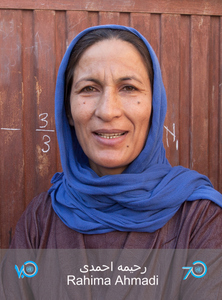
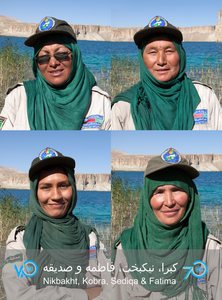
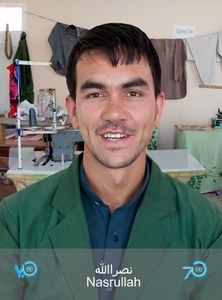
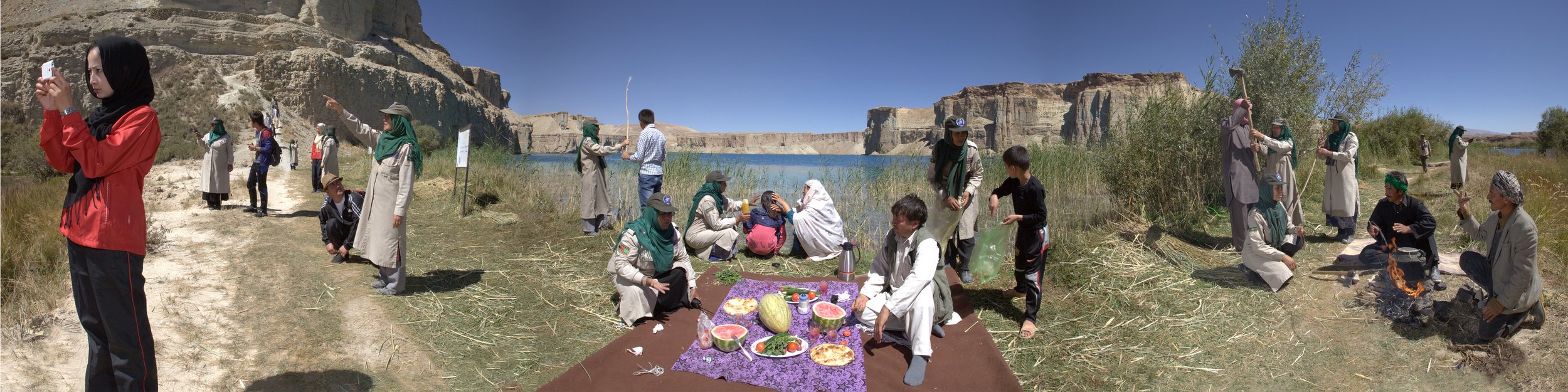
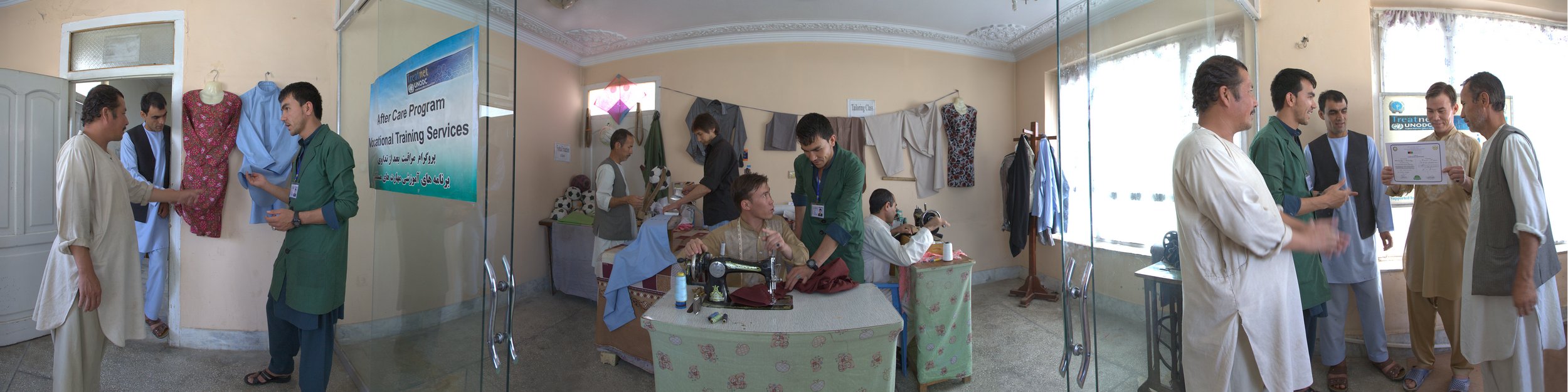
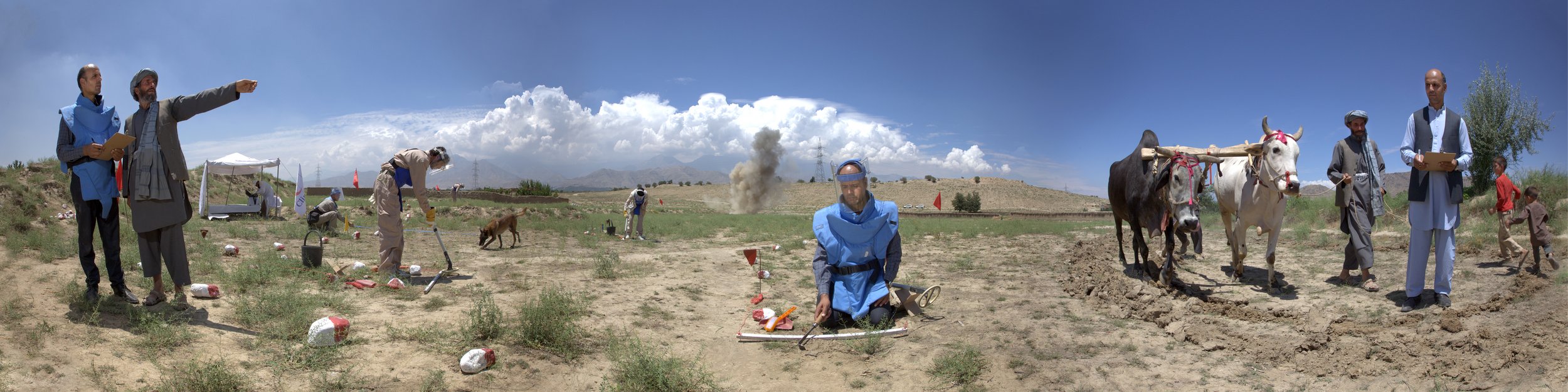
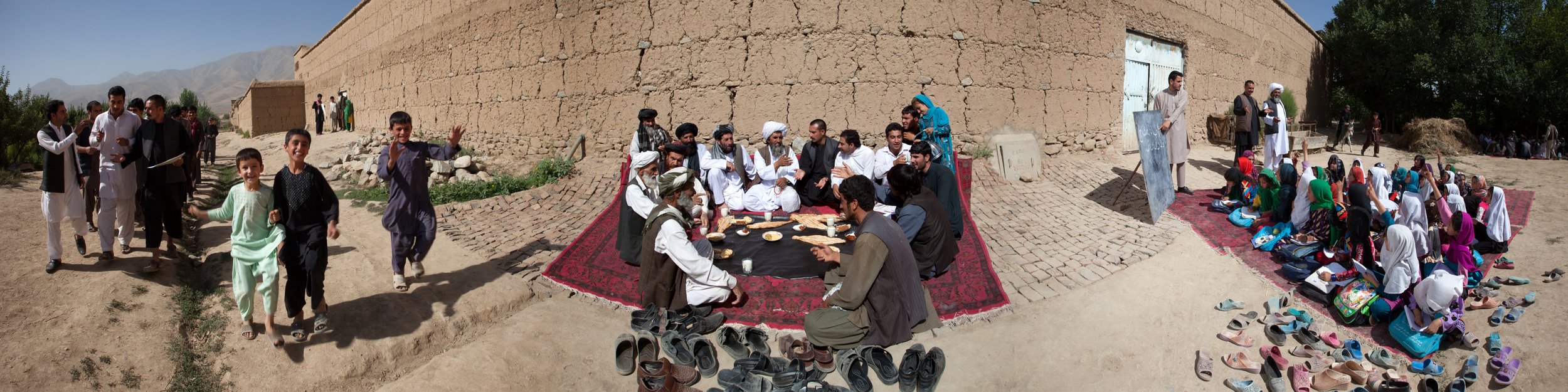
The archived UN70 “Strong UN. Strong Afghanistan.” campaign offers a useful lens for understanding that partnership. Its stories of Afghan people and institutions place local effort at the centre of international cooperation. The campaign is no longer active, but its record remains relevant to the way health workers protect communities in demanding conditions.
A Public Health Mission Built Around Access
Routine immunization services are difficult to maintain when communities are separated by mountains, poor roads, displacement or insecurity. A fixed clinic may serve families living nearby, while outreach teams extend coverage to settlements farther away. Vaccination drives help close that gap by bringing health services directly to children and caregivers.
Polio eradication has been a major focus of immunization work in Afghanistan. House-to-house campaigns require careful preparation, accurate mapping and repeated visits. A child who is absent, ill or missed during one round may need to be reached later. Health workers therefore operate as part of a continuing public health system rather than a single event.
Measles vaccination also illustrates the value of rapid, coordinated action. Outbreaks can spread quickly where routine coverage is low, particularly among displaced families and children living in crowded conditions. Campaign teams help identify vulnerable areas, communicate the purpose of vaccination and connect families with other essential health services when available.
The People Behind Every Vaccination
Frontline vaccinators are usually the most visible part of a campaign, but they are supported by supervisors, social mobilizers, drivers, cold-chain technicians, data staff and local health officials. Each role affects whether a dose reaches the right child at the right temperature and whether the record is captured correctly.
Many teams rely on Afghan workers who understand local languages, customs and geography. Their knowledge helps them identify households, explain vaccination to parents and respond to concerns respectfully. In communities where outside organizations may be viewed cautiously, a familiar health worker can make the difference between acceptance and refusal.
Women health workers and volunteers are especially important in reaching mothers and children in settings where cultural norms affect movement and communication. Their participation can open conversations that male teams may not be able to initiate. It also shows that immunization is a community responsibility supported by a broad network of Afghan professionals and volunteers.
The personal risk can be substantial. Teams may work in extreme heat, travel long distances and face uncertainty about access. Some workers have lost their lives while serving communities. Recognizing their contribution means seeing vaccination as both a medical service and a form of public service carried out under pressure.
How A Vaccination Drive Reaches Families
A successful campaign begins long before a team enters a home. Health authorities and partners estimate the number of children in each area, plan routes, prepare supplies, train staff and establish systems for supervision. Local leaders, teachers, religious figures and community groups may help explain the campaign and encourage participation.
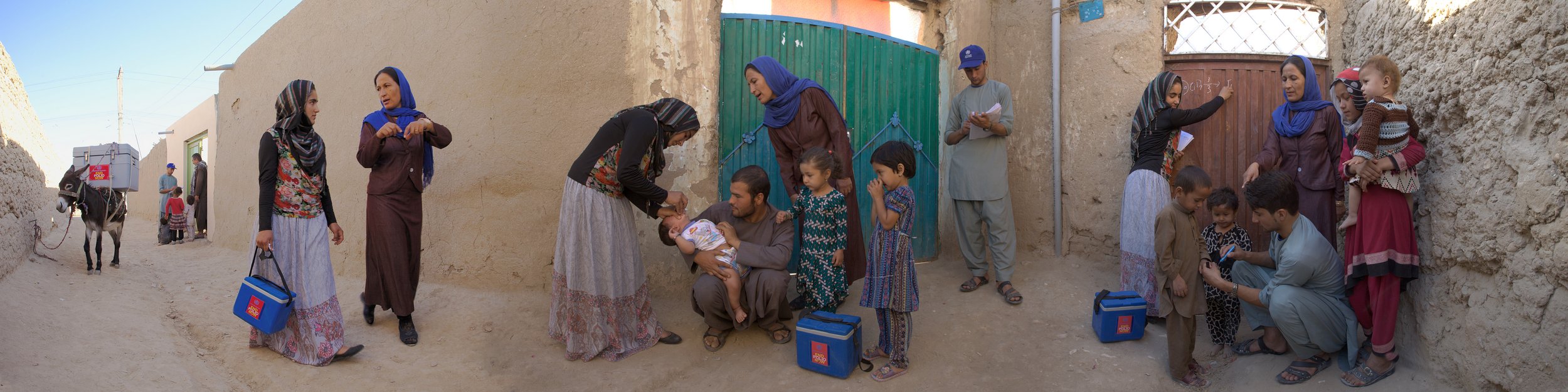
During a door-to-door round, vaccinators ask about eligible children, administer the vaccine according to the campaign protocol and mark or record the visit. Supervisors review progress and investigate missed households. If a child cannot be reached, the team may return during the same round or refer the family to a nearby facility.
The cold chain is a less visible part of this process. Vaccines must be stored and transported within an appropriate temperature range, from central supply points to provincial facilities and eventually to mobile teams. Ice packs, vaccine carriers and temperature monitoring protect the doses before they reach a child.
Information systems complete the operational picture. Coverage data, missed-child reports and disease surveillance help planners decide where additional resources are needed. Reliable records can reveal geographic gaps, repeated refusals or communities affected by displacement, allowing future immunization activities to become more precise.
Obstacles That Shape Frontline Work
Afghanistan’s geography makes travel slow and expensive. A team may need to cross unpaved roads, rivers or high mountain routes to reach a small settlement. Seasonal weather can block access, while fuel shortages and limited transport reduce the number of households that can be visited in a day.
Insecurity and restrictions on movement can interrupt campaigns or prevent teams from reaching particular areas. Health workers must coordinate access carefully and adapt routes when conditions change. These constraints can create missed children even when the campaign has adequate vaccines and trained personnel.
Misinformation and distrust present a different kind of barrier. Families may worry about side effects, question the purpose of repeated polio rounds or receive false claims from informal sources. A brief conversation at the doorstep may not resolve every concern. Patient explanation, consistent messaging and trusted local intermediaries are essential to building confidence over time.
Displacement adds another layer of complexity. Children may move between provinces or across borders and lose contact with routine health services. Registration systems may not follow them, and temporary settlements can change rapidly. Outreach teams need flexible planning so that mobile and displaced families are included rather than treated as invisible gaps in coverage.
| Frontline function | What it involves | Why it matters |
|---|---|---|
| Vaccination | Giving an approved vaccine and following campaign procedures | Directly protects children from preventable disease |
| Community engagement | Explaining the campaign and addressing concerns | Builds acceptance and reduces refusals |
| Mapping and registration | Identifying households and recording eligible children | Limits missed children and improves follow-up |
| Cold-chain management | Storing and transporting vaccines safely | Preserves vaccine quality until use |
| Supervision and data review | Checking team performance and coverage information | Reveals gaps and guides additional action |
Trust Turns A Campaign Into Protection
Public health messages are most effective when they respect people’s experience. Parents may have questions about eligibility, timing, side effects or the difference between routine vaccination and a special campaign. Health workers who listen before they explain can respond to the concern behind the question rather than repeating a generic message.
Trust is also cumulative. A family’s willingness to accept vaccination may depend on previous contact with a clinic, the conduct of a local volunteer or the opinion of a respected community figure. When teams arrive on time, treat families with dignity and return to missed households, they strengthen confidence in the wider health system.
The wider UN partnership supports this work through coordination, technical guidance, supplies, communications and assistance to national programmes. The UN Afghanistan website preserves material about the organization’s work and its partnership with Afghan communities, including campaign stories that emphasize people and shared responsibility.
Health workers need protection from blame when coverage is incomplete. A missed child may reflect access problems, displacement, fear, inaccurate mapping or a family’s temporary absence. Understanding those causes leads to better outreach than simply measuring performance against a target without examining local conditions.
Lessons From Afghan Community Partnership
The UN70 campaign’s emphasis on “Strong UN. Strong Afghanistan.” is meaningful in the context of vaccination. International support can provide resources and coordination, but implementation depends on Afghan institutions, workers and communities. The strongest campaigns connect global health goals with local knowledge and practical leadership.
That partnership also explains why health campaigns should be viewed alongside broader services. A vaccinator may identify a child who needs nutritional support, a family that has lost access to a clinic or a community with an urgent water and sanitation concern. Referral pathways and cooperation among agencies can turn a brief household visit into a point of entry for wider care.
Several principles help sustain reliable immunization work:
- Put Afghan health workers and community representatives at the centre of planning and delivery.
- Combine door-to-door outreach with dependable routine services at health facilities.
- Use clear, respectful communication in local languages and respond directly to community concerns.
- Protect the cold chain, records and supervision systems that make each dose count.
- Maintain flexible plans for remote, displaced and underserved populations.
The value of frontline work cannot be measured only by the number of doses delivered. It is also visible in children who avoid illness, families who gain confidence in health services and communities that are better prepared for outbreaks. Every successful visit strengthens the possibility of continued care.
Carrying The Work Forward
Afghanistan’s vaccination efforts show how public health depends on relationships as much as medicine. A vaccine must be delivered safely, yet delivery alone is insufficient if a team cannot reach a household, answer a concern or record the child for future protection. Health workers connect each part of the system.
The archived campaign stories preserve a moment when the United Nations highlighted Afghan contributions and collective action. Their continuing importance lies in the people they represent: volunteers who walk from home to home, supervisors who solve practical problems, community figures who encourage participation and families who choose protection for their children.
Support for immunization means recognizing those workers, sharing accurate health information and protecting access to essential services. Explore the archived UN Afghanistan campaign material, learn how community-based vaccination has shaped public health, and help keep attention focused on the frontline teams whose daily work protects Afghanistan’s children.