
Making a Difference

Stronger laws to protect Afghan girls from child marriage
Child marriage remains a serious human-rights violation in Afghanistan, damaging girls’ health, education, safety and future choices. The UN’s Afghan anti-child marriage legislation effort must be understood as support for Afghan-led reform, not as a United Nations statute imposed from outside the country. Clear national rules matter, but their value depends on registration systems, accessible justice, trained officials, confidential reporting and services that can keep vulnerable children safe.
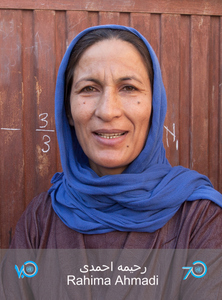
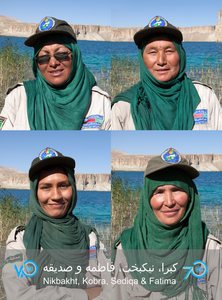
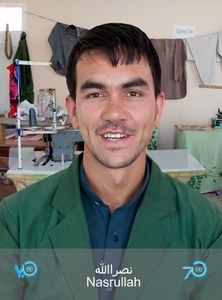
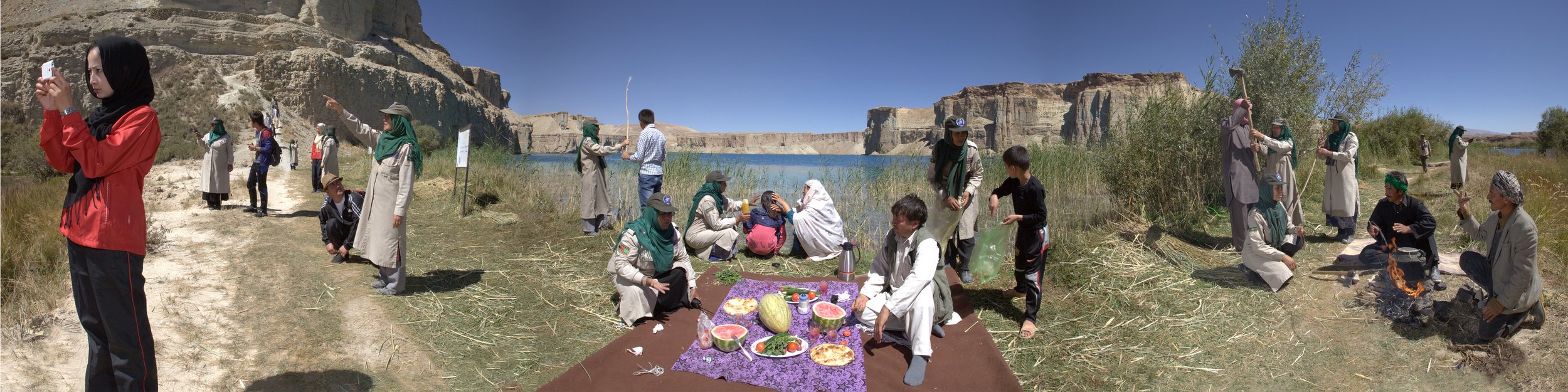
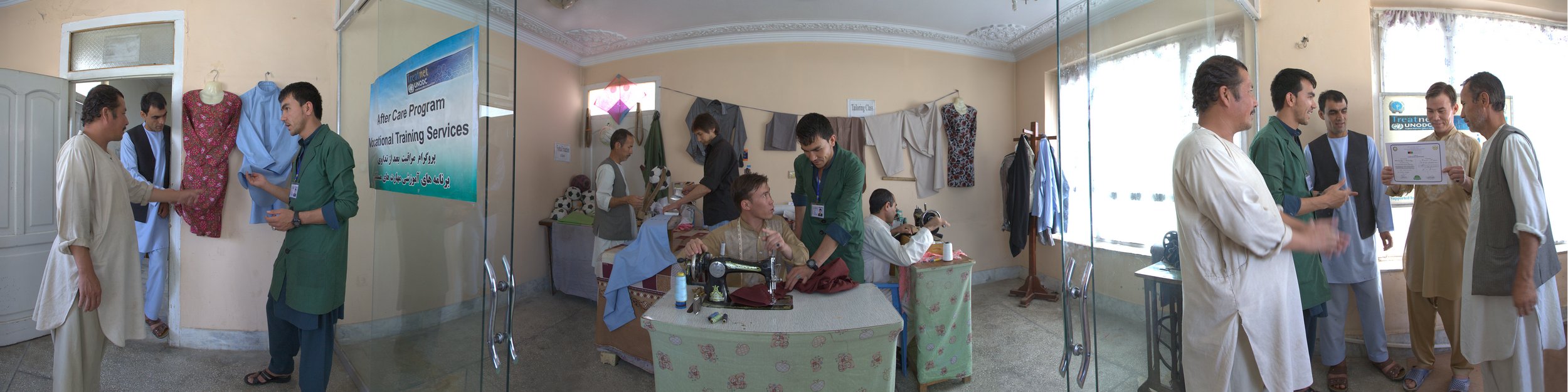
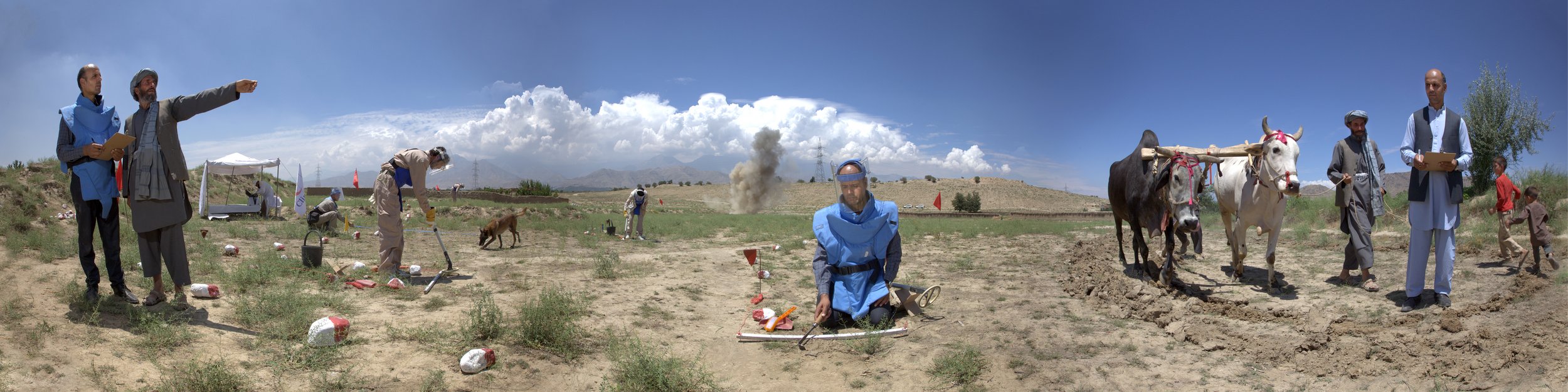
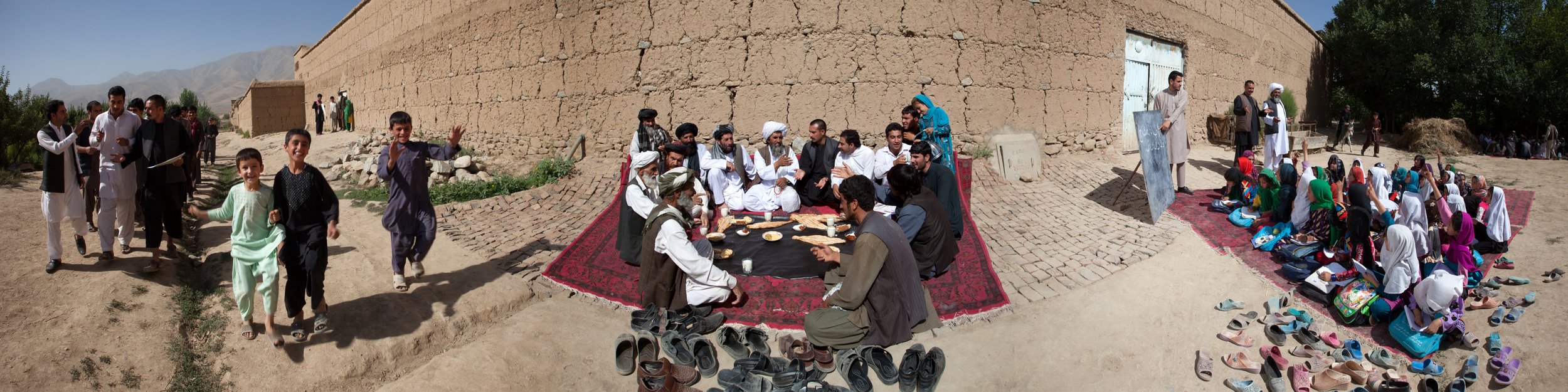
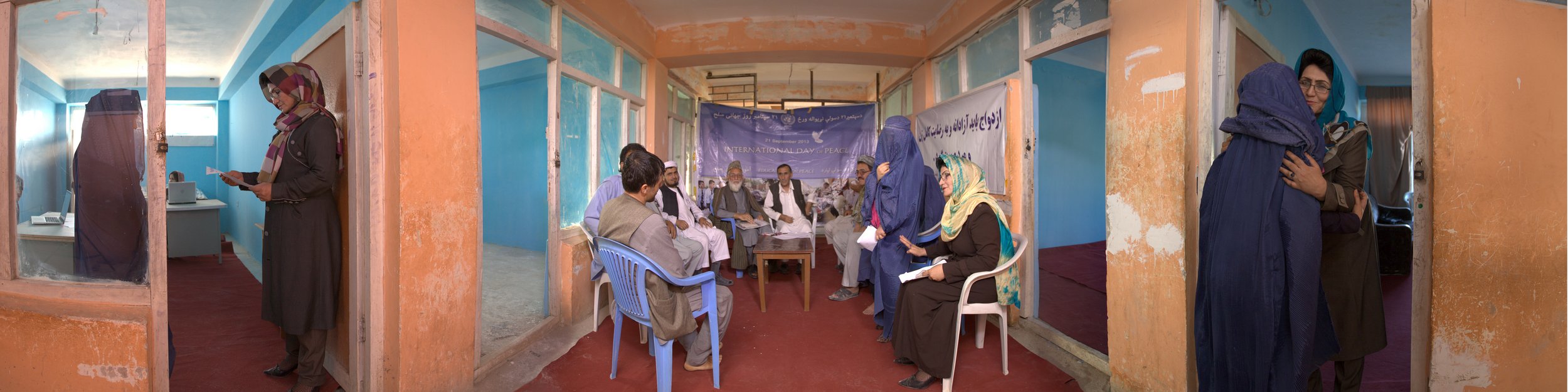
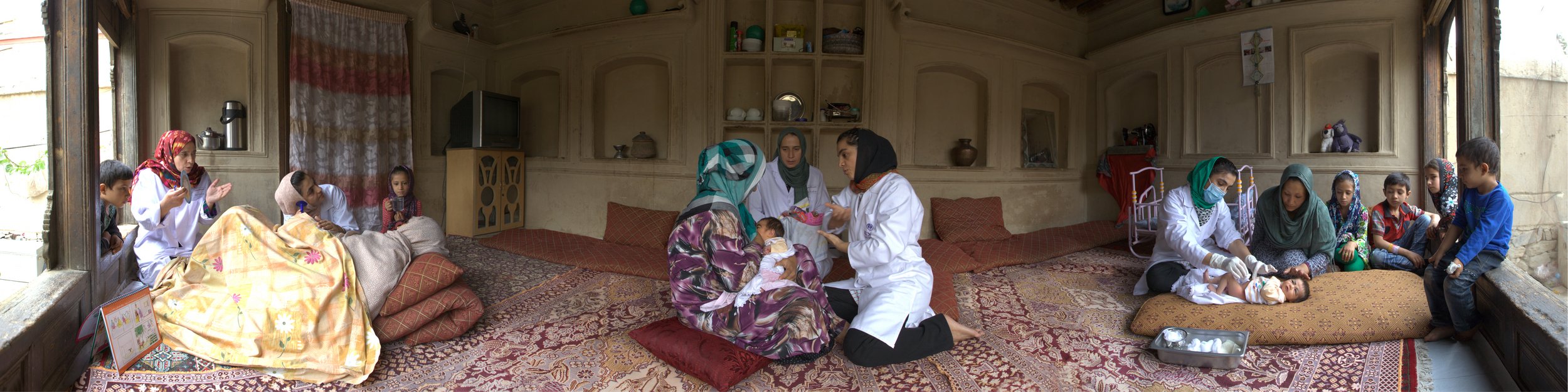
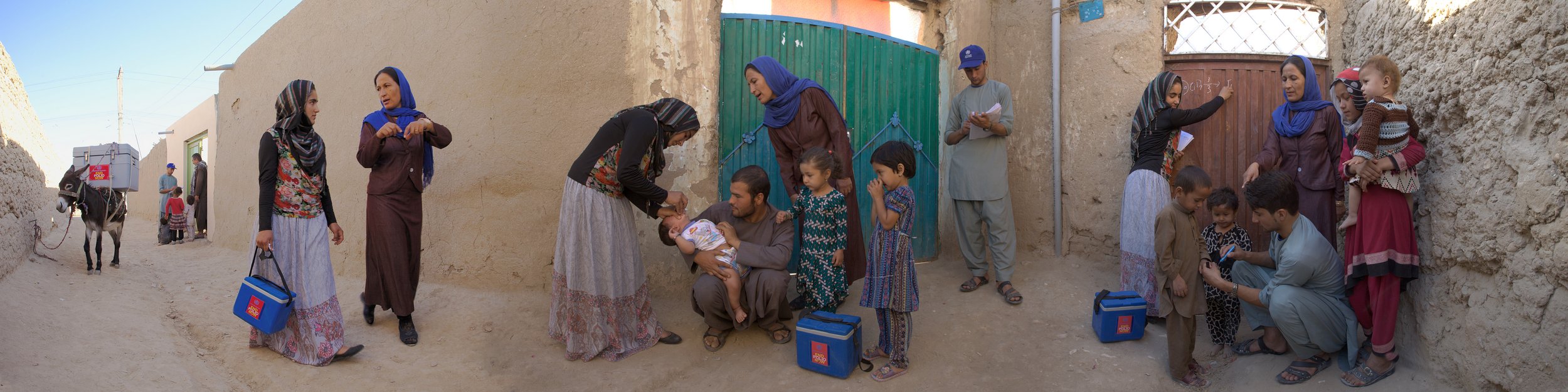
The archived UN70 campaign, Strong UN. Strong Afghanistan., brought together Afghan voices, photographs, news and messages from the Secretary-General’s Special Representative to demonstrate how international support can strengthen communities. Its central message remains relevant: Afghan girls need practical protection, while families require help coping with poverty, displacement and limited access to services. For an Australian audience, this means connecting legal advocacy with responsible, Afghan-led partnership rather than assuming that laws can be copied from another country.
What enforceable Afghan legislation must include
Afghanistan’s 2003 Civil Code established minimum marriage ages of 16 for girls and 18 for boys. Since 2021, implementation of many civil protections has been severely disrupted, and Afghanistan’s present family-law framework has not produced consistent, transparent enforcement. Local practice varies, women often have limited access to legal representation, and girls without birth or identity documents can be excluded from protection that should apply to every child.
A credible law must combine an unambiguous age standard with safeguards against coercion. The central objective is to prevent marriage below 18 while recognising that age alone does not establish consent. Families, judges and officials need clear guidance about free and full informed consent, the circumstances in which a marriage may proceed, and what protections must accompany it.
- A clear minimum age of 18, with an explicit requirement for free, fully informed and documented consent
- Accessible civil registration that verifies age without exposing children to retaliation or public disclosure
- Confidential reporting, legal advice and referral pathways for girls and families seeking protection
- Proportionate penalties for offenders, alongside support for children whose marriages have already occurred
Enforcement must extend beyond formal court orders. Local courts, qadis, prosecutors, police, registrars and child-protection workers need training that treats early marriage as a safeguarding concern rather than a private family matter. Female legal and support personnel are especially important for girls who may fear travelling alone, confronting male relatives or speaking openly in front of community leaders. Access to birth registration, legal aid and safe accommodation must be available without unnecessary delays.
Why enforcement matters during economic crisis
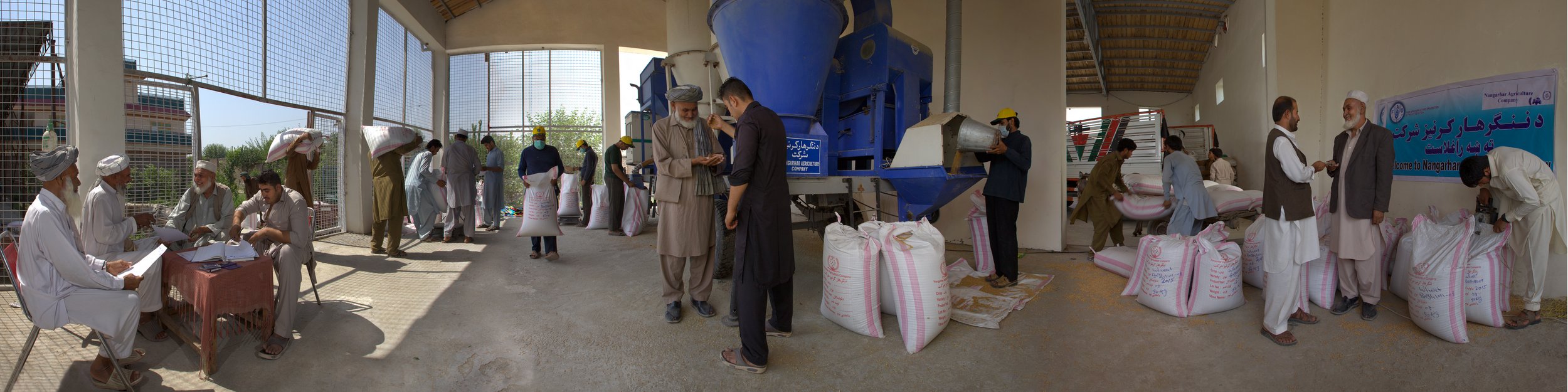
Drought, crop failure and rising food prices can intensify the pressures that make early marriage appear necessary to some households. The UN and Afghan farmers account of drought-proofing Afghanistan’s heartland illustrates why legal reform must accompany climate resilience and support for rural livelihoods. When families lose income, girls can be pushed out of school or offered in marriage as a way to reduce immediate household expenses.
Poverty does not remove a child’s right to safety or autonomy, and families making difficult choices should not be treated as villains. At the same time, marriage below 18 can expose girls to early pregnancy, domestic violence, restricted movement, exploitative labour and interrupted education. It may also conceal coercion within a household that appears to have consented to the union. Strong laws recognise these intersecting harms rather than treating economic necessity as justification.
Enforcement will fail if families have no viable alternative. School meals, accessible education, vocational opportunities, reliable health care, cash support and drought-resilient agriculture can reduce the economic conditions associated with early marriage. A public-authority campaign should therefore combine legal reform with social protection. Girls must be able to say no and remain in school, while parents and carers should receive practical assistance that does not make a girl’s future the price of household survival.
Building safeguards around girls and families
Effective legislation requires a system prepared to respond when a child asks for help. Health workers, teachers, religious leaders, community organisations and local officials should be able to identify signs of coercion, but they also need clear protocols that protect the child’s privacy. Services should include safe reporting options, medical care, psychosocial support, shelter where necessary and help obtaining identity documents.
Afghan women’s rights organisations and civil society groups must have a central role in designing and reviewing these systems. Their knowledge of local languages, family structures and community networks is essential for reaching girls who may be hidden from formal institutions. Male allies, religious scholars and traditional leaders can also challenge the assumption that protecting girls conflicts with Afghan culture or faith. Engagement should create space for Afghan-led discussion while keeping the child’s welfare and right to consent at the centre.
Accurate information is another safeguard. Civil registration data, case records and service reports can show where early marriage is occurring, whether particular districts face shortages and whether girls are leaving school after marriage. Data should be disaggregated by age, location and vulnerability without identifying individual survivors. Independent oversight and accessible complaints mechanisms are needed to expose gaps, while strict confidentiality prevents reporting systems from becoming instruments of surveillance or punishment.
Australian lessons for a child-safe legal response
Australian law offers useful lessons without providing a complete template. Forced marriage is a criminal offence under the Criminal Code Act 1995, with aggravated offences and related child-protection responsibilities. Across the states and territories, the minimum marriage age is 16, with specified consent or court-approval exceptions for some 16-year-olds; no Australian jurisdiction permits marriage under 16. These rules show how clear age and consent standards can be combined with specialised criminal responses, although many Australian organisations continue to advocate for a minimum age of 18.
In cities such as Melbourne, Sydney and Adelaide, the local market for legal help includes community legal centres, state legal aid, specialist women’s legal services and domestic-violence advocates. Everyday settings such as school drop-offs, train and tram journeys, GP clinics, weekend sport and community centres are where families often encounter trusted information. Afghan diaspora organisations already connect families across these networks, creating channels for legal referrals, confidential support and public education without placing children at risk.
- Specialist child-protection expertise embedded within justice, police, health and education services
- Independent and confidential routes for children to report coercion or seek advice
- Community-based referrals through schools, clinics, legal centres and trusted local organisations
- Public reporting on cases, service access and gaps, with privacy protections for survivors
Australian experience also carries warnings. Reporting should never expose a child to family retaliation, detention or stigma, and legal models must be adapted through consultation with Afghan women and local justice actors. Support should strengthen Afghan organisations and accountable public systems rather than create parallel services that bypass them. Funding community legal workers, interpreters and safe accommodation can be as important as supporting national legislation.
Turning advocacy into enforced protection
The completed UN70 campaign demonstrated the value of putting Afghan experiences behind international advocacy. Its legacy should not be limited to increased visibility. The next phase requires national legislation with enforceable minimum-age and consent protections, reliable birth and marriage registration, specialist child-protection services and measurable accountability from Afghan authorities. UN agencies can assist with technical expertise, data, coordination and independent reporting, but durable reform must be owned and implemented locally.
Australian organisations, researchers and advocates can use their influence with Afghan partners, donors and the wider international community to press for implementation rather than symbolic announcements. Calls for Afghan authorities to publish guidance, train justice personnel, protect reporting channels and fund child-protection services are more useful than broad statements of support. Contributions to Afghan-led legal aid, women’s organisations, education and family-support services can close the practical gaps between a written law and a child’s ability to use it.
Stand with Afghan girls now: call for enforceable minimum-age and consent protections, support Afghan-led services and the UN’s role in monitoring implementation, and help ensure every girl can remain in school, stay safe and choose her own future.