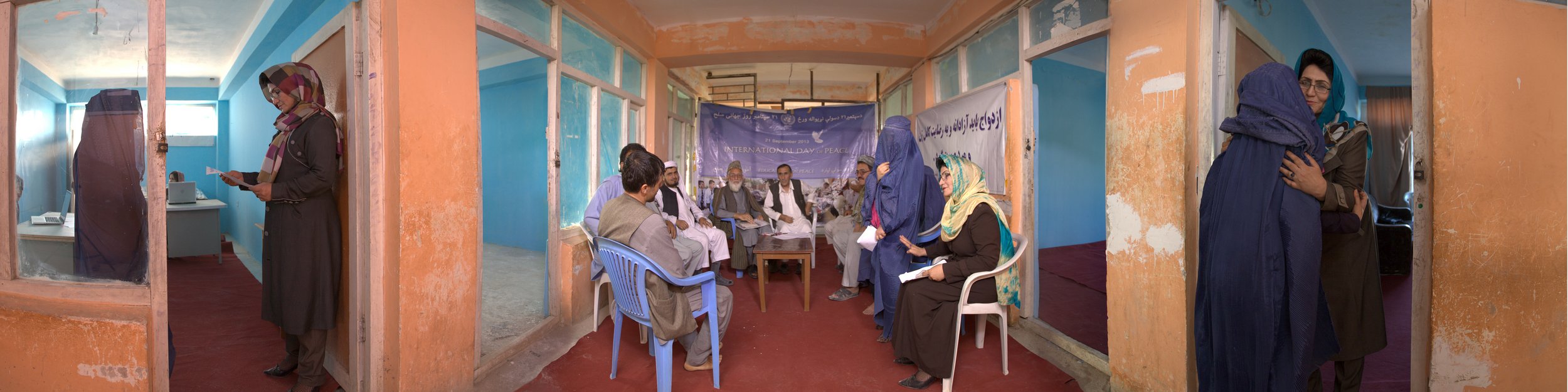

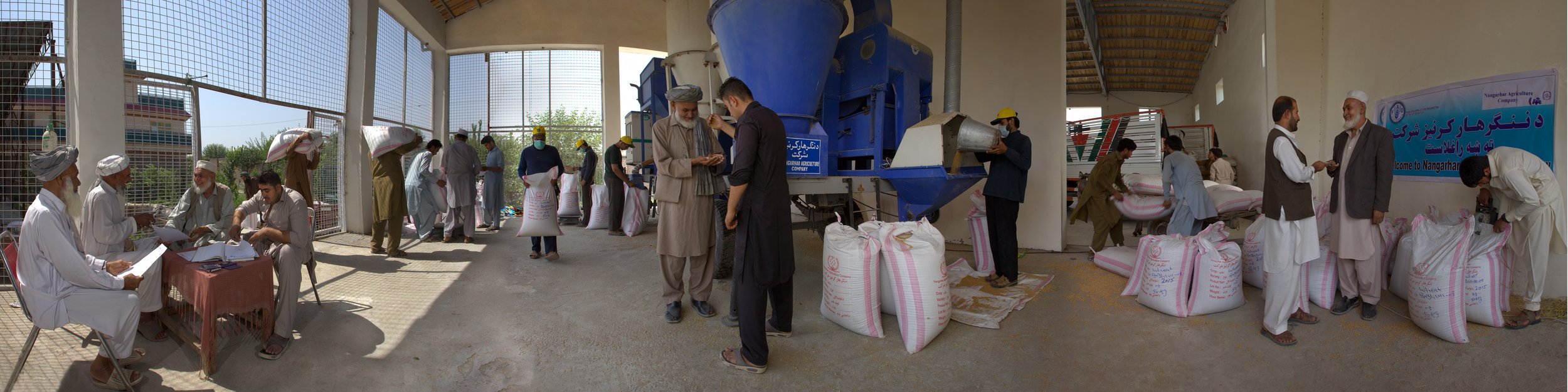
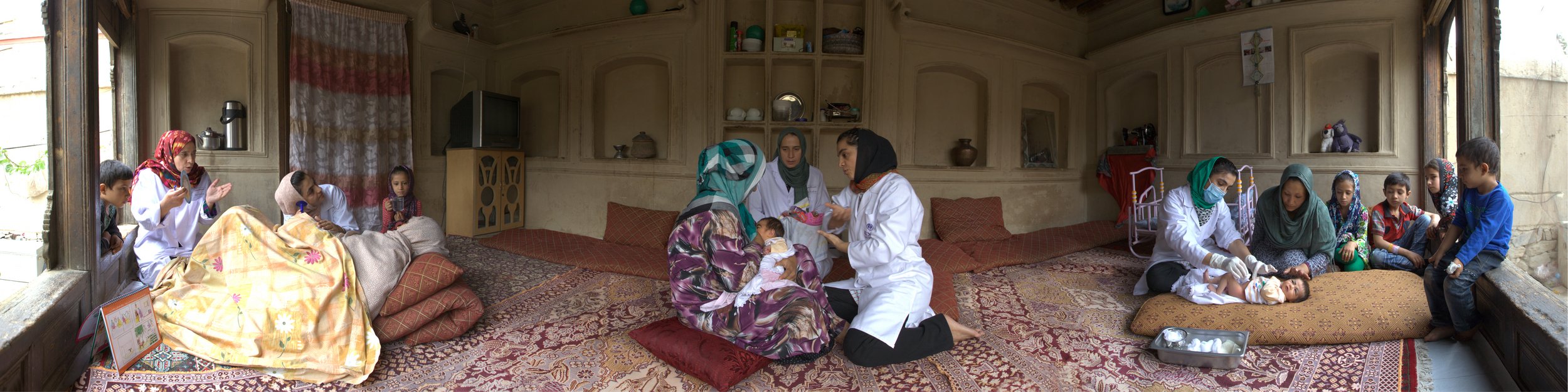
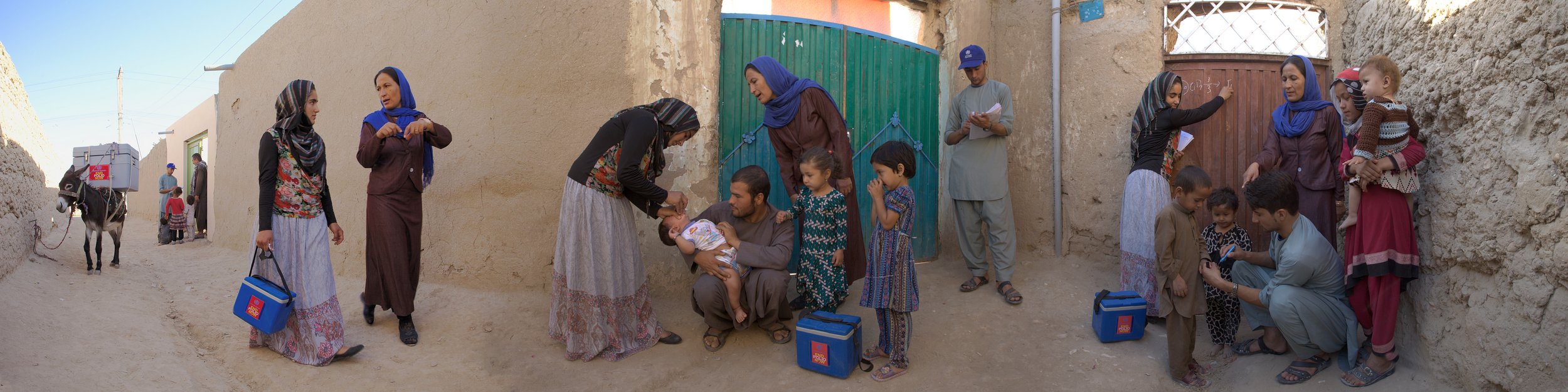
Making a Difference

Community-based water management for a stronger Afghanistan
Water shapes Afghanistan’s public health, food security, livelihoods and social stability. Mountain snow, seasonal rivers, underground aquifers and traditional irrigation systems support millions of people, yet these sources are under growing pressure from drought, climate variability, damaged infrastructure, population movement and weak water governance. In many provinces, a dry year can quickly become a crisis for farmers, pastoralists and households.
The United Nations works with Afghan institutions, communities and humanitarian partners to improve access to safe water while supporting longer-term water resource management. The most durable approaches begin locally. They connect engineering and hydrological information with the knowledge of farmers, elders, women, young people and water users who understand how a canal, spring or well functions in daily life.
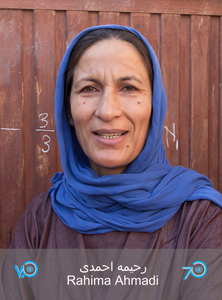
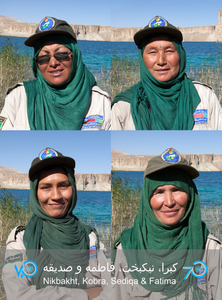
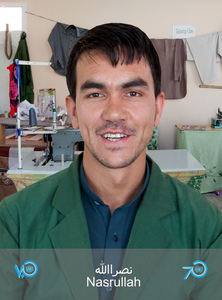
The archived UN70 “Strong UN. Strong Afghanistan.” campaign provides a useful lens for understanding this approach. Its focus on Afghan people and their contributions reflects a principle that remains important in water policy: communities should be recognized as partners and decision-makers, rather than treated only as recipients of assistance.
Why Afghanistan’s water systems need local leadership
Afghanistan’s water supply is highly seasonal. Snowmelt and rainfall can replenish rivers and underground reserves, but prolonged dry periods reduce spring flows and groundwater levels. Sudden storms can then produce flash floods that damage canals, fields, roads and drinking-water facilities. A single valley may experience water scarcity and flood risk within the same year.
These pressures are intensified by limited maintenance. A rehabilitated canal cannot provide lasting benefits if its intake is blocked, its embankments are weakened or no local body is responsible for repairs. Likewise, a new borehole may fail when groundwater declines, spare parts are unavailable or no agreement exists on who will operate the pump.
Community-based water management addresses this gap by linking infrastructure with local rules and responsibilities. Water user associations, mirabs, village councils and watershed groups can help schedule irrigation, collect maintenance contributions, identify damaged assets and mediate disputes. Their authority is strongest when it is transparent, inclusive and connected to formal institutions.
Local leadership does not mean transferring every responsibility to communities. Government agencies and international partners still have essential roles in technical design, financing, regulation, emergency response and quality control. The goal is a practical partnership in which local knowledge informs decisions and public institutions provide the support that communities cannot supply alone.
From irrigation customs to shared water governance
Afghan farmers have long relied on customary systems for distributing water. In many areas, a mirab or similar local water manager helps allocate irrigation turns, monitor canals and resolve everyday disagreements. These arrangements can be highly effective because they are familiar, geographically specific and grounded in relationships among users.
However, customary practices may exclude some groups or struggle when water availability changes rapidly. Landless farmers, displaced households, female-headed families and downstream users may have limited influence over decisions. Modern water governance can build on local customs while creating clearer procedures for representation, record-keeping and appeals.
A community water committee works best when its members understand the whole system. This includes the condition of upstream sources, the needs of downstream households, livestock access, drinking-water safety and the environmental limits of groundwater extraction. Mapping springs, wells, canals and flood channels with residents can reveal connections that a project design based only on satellite images or administrative boundaries might miss.
Conflict sensitivity is essential. Water projects can unintentionally increase tensions if a new intake favors one settlement, a borehole is placed on contested land or an irrigation schedule ignores customary rights. Early consultation, public criteria for site selection and accessible dispute-resolution channels help prevent infrastructure from becoming a source of division.
Linking water security with food and household livelihoods
Irrigation is central to rural livelihoods, but water management is about more than maximizing the area under cultivation. Efficient scheduling, canal lining where appropriate, improved field practices and drought-tolerant crops can help farmers produce more with limited supplies. At the same time, groundwater recharge, soil conservation and protection of upstream watersheds are needed to keep water available in future seasons.
Small-scale measures can produce significant benefits when selected locally. Rehabilitation of traditional channels, check dams, rainwater harvesting, spring protection and hillside terracing may reduce losses and improve infiltration. Such measures should be assessed for their effects on downstream users and ecosystems rather than implemented as isolated construction activities.
Household water access also affects income. When a family spends hours collecting water, fewer hours remain for farming, education, paid work or caring responsibilities. Women and girls often carry much of this burden, so reliable water points located safely and close to communities can support both health and economic participation. Work connected with water committees, maintenance, agricultural processing and small enterprise can further expand local livelihoods when access is equitable.
The UN’s wider development work recognizes that Afghan women contribute to local resilience in many ways. Accounts of women's economic role help place water investments in a broader context: a functioning water system can support home-based businesses, food production, livestock care and community services, while women’s knowledge can improve decisions about household water quality and use.
Practical approaches and their community value
The most suitable intervention depends on the landscape, water source, population and local institutions. A drought-affected farming district may need groundwater monitoring and irrigation reform, while a flood-prone settlement may prioritize drainage, early warning and resilient drinking-water facilities. Community consultation should shape the sequence, not simply validate a predetermined project.
| Approach | Main purpose | Community contribution | Key safeguard |
|---|---|---|---|
| Water user associations | Coordinate irrigation and canal maintenance | Set schedules, collect fees and report damage | Include upstream and downstream users |
| Spring and well protection | Improve drinking-water reliability | Monitor use, protect recharge areas and maintain facilities | Test water quality and prevent over-extraction |
| Watershed restoration | Reduce erosion, floods and sedimentation | Plant, terrace and manage shared land | Match measures to local ecology and land rights |
| Rainwater harvesting | Store water for household or productive use | Maintain tanks, roofs and collection points | Design for safe storage and seasonal demand |
| Climate-smart agriculture | Reduce water demand and crop losses | Test practices and share results | Avoid shifting risks to poorer farmers |
| Flood risk reduction | Protect settlements, farms and infrastructure | Map hazard zones and maintain drainage | Keep channels clear and avoid unsafe construction |
These approaches work better when paired with reliable information. Simple rain gauges, groundwater records, canal flow observations and community reporting can reveal whether a project is meeting its purpose. Data should be understandable and shared with residents, not kept solely in technical reports. Local monitoring also helps identify problems before a pump breaks or a conflict escalates.
Maintenance financing deserves early attention. Donors may fund construction, but communities and public agencies need realistic arrangements for fuel, spare parts, water testing, repairs and staff. A small, transparent contribution system can be useful where households can afford it, while subsidies or public budgets may be necessary for vulnerable communities and essential drinking-water services.
Making women’s participation meaningful
Women’s involvement in water management cannot be measured only by attendance at a meeting. In many Afghan communities, social norms, mobility restrictions and safety concerns limit women’s ability to speak in mixed gatherings or travel to distant water points. Participation must therefore be designed in ways that are culturally appropriate, safe and capable of influencing decisions.
Separate consultations may allow women to identify concerns that would otherwise remain invisible, including water quality, privacy, menstrual hygiene, the location of collection points and the needs of children, older people and people with disabilities. Female community workers and trusted local organizations can help gather this information and connect it to formal planning processes.
Women can contribute as committee members, hygiene promoters, water-quality monitors, technicians, entrepreneurs and agricultural producers. Training and compensation matter. Asking women to provide unpaid labor or advice without decision-making authority risks turning inclusion into symbolism. Clear roles, accessible information and follow-up on recommendations are stronger indicators of participation.
Men and community leaders also have a role in supporting inclusive water governance. When local authorities explain why women’s perspectives improve household services and agricultural planning, participation is more likely to gain acceptance. The result can be better maintenance, more accurate understanding of household needs and stronger accountability for water decisions.
Building resilience from the watershed to the household
Water management must connect different scales. A household needs a safe source, but that source depends on a village network, a catchment area and wider river or aquifer conditions. A canal committee may manage daily allocation, yet its success can be undermined by upstream erosion, uncontrolled pumping or a damaged diversion structure outside its jurisdiction.
Watershed-based planning helps communities identify these links. Measures such as reforestation where ecologically suitable, rangeland management, gully control and small water-retention structures can slow runoff and improve soil moisture. These actions should be based on local environmental knowledge and tested against technical assessments, since poorly placed structures can damage land or redirect floodwater toward another settlement.
Climate adaptation also requires flexibility. Fixed water schedules may need revision as planting seasons shift or river flows become less predictable. Drought plans can define priority uses, emergency water points and communication procedures before a shortage becomes severe. Flood preparedness can identify evacuation routes, protect chlorination supplies and establish arrangements for rapid repair.
Humanitarian and development efforts should reinforce one another. Emergency water trucking or temporary latrines may be necessary during displacement or disaster, but they should be linked where possible to durable services, local capacity and government planning. Repeated short-term responses without investment in source protection and maintenance can leave communities exposed to the same crisis each year.
Measuring results and sustaining public trust
A strong water project measures more than the number of wells drilled or meters of canal repaired. Useful indicators include the reliability of supply across seasons, reductions in waterborne disease, time saved collecting water, agricultural productivity, groundwater trends, participation in decisions and the number of disputes resolved fairly.
Community members should help define what success means. In one location, the priority may be a functioning drinking-water point throughout summer. In another, it may be a transparent irrigation rotation that reduces conflict between upstream and downstream villages. Local priorities can complement technical standards without replacing them.
Accountability mechanisms are equally important. Publicly displayed budgets, procurement information, maintenance responsibilities and complaint channels make it easier to identify problems. Independent monitoring and feedback from women, displaced families and marginalized households can reveal whether benefits are reaching the people most at risk.
The UN and its partners can support this process by bringing together Afghan authorities, technical specialists, civil society organizations, communities and donors. Their contribution is most valuable when it strengthens local systems, shares evidence and helps align humanitarian water, sanitation and hygiene work with agriculture, climate adaptation and peacebuilding.
Communities, local authorities and development partners can turn these principles into action by:
- Mapping water sources, users, hazards and existing management rules together.
- Giving water committees clear mandates, public records and fair representation.
- Financing maintenance, water-quality testing and spare parts alongside construction.
- Including women, displaced households, people with disabilities and downstream users in decisions.
- Combining drought preparedness, flood-risk reduction and watershed restoration in local plans.
A stronger water future for Afghanistan will be built through thousands of practical decisions: how an intake is protected, how an irrigation turn is recorded, how a pump is repaired, how a woman’s concern is heard and how upstream land is managed for downstream safety. Support community-led water assessments, fund inclusive local institutions and connect emergency services with durable infrastructure. By treating Afghan communities as co-designers and stewards of their water resources, partners can help convert scarce water into a foundation for health, livelihoods, stability and a stronger Afghanistan.