
Making a Difference

How the UN supports Afghan women entrepreneurs
Women entrepreneurs in Afghanistan contribute to household income, local employment and the resilience of communities. Their businesses range from home-based food production and tailoring to agriculture, handicrafts, retail, technology and professional services. In many cases, a woman’s enterprise is also a practical response to economic uncertainty.
The United Nations supports this work through a combination of livelihood assistance, business training, access to finance, market connections and advocacy for an environment in which women can participate safely in economic life. Different UN entities and implementing partners may focus on different parts of that process, depending on local needs and operating conditions.
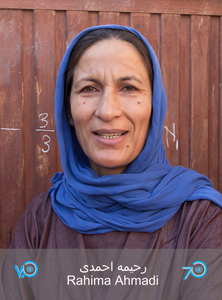
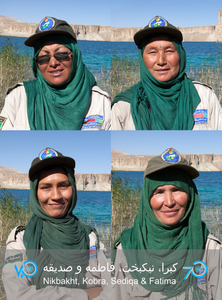
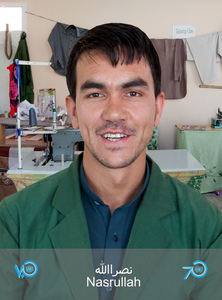
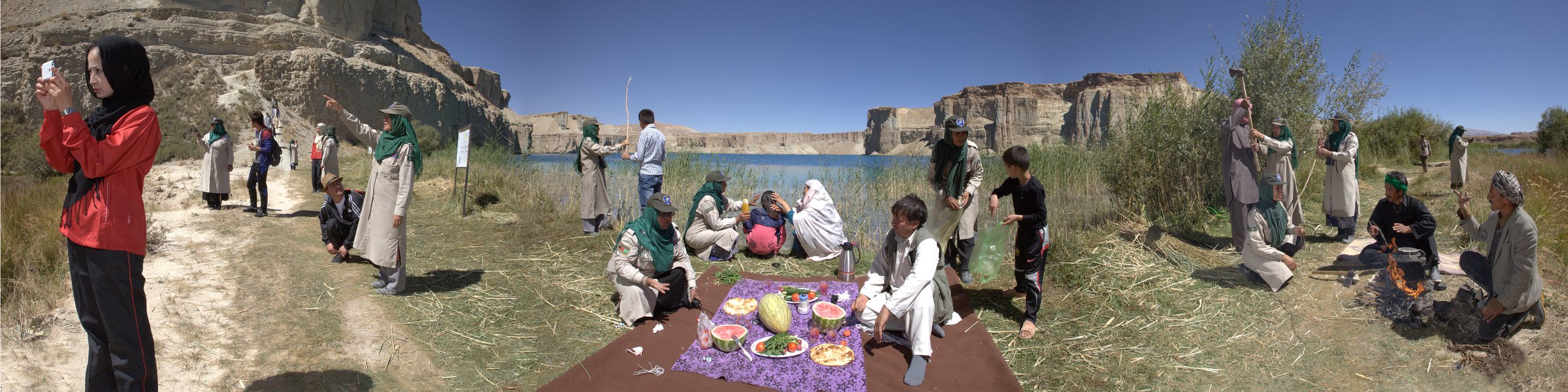
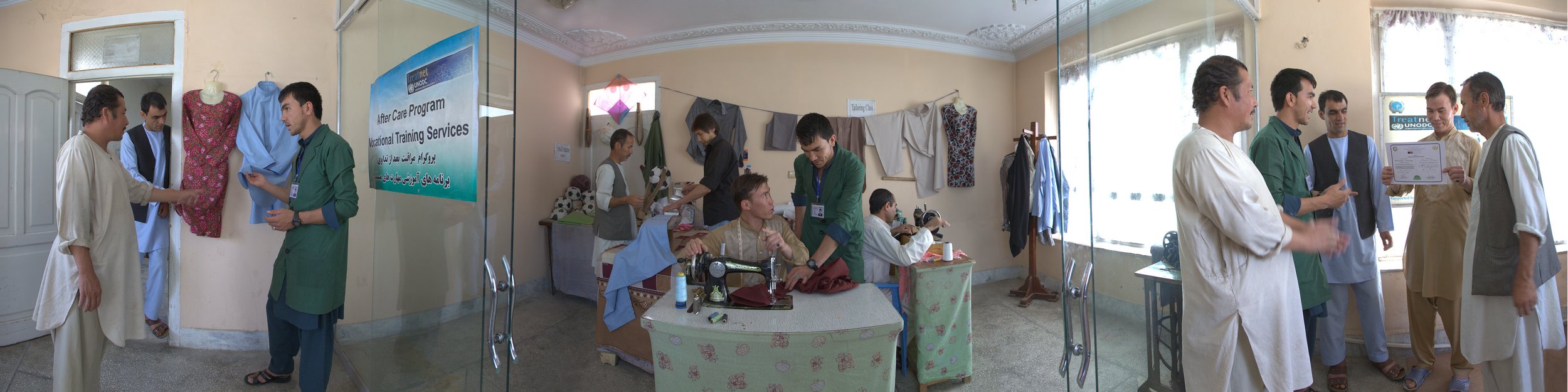
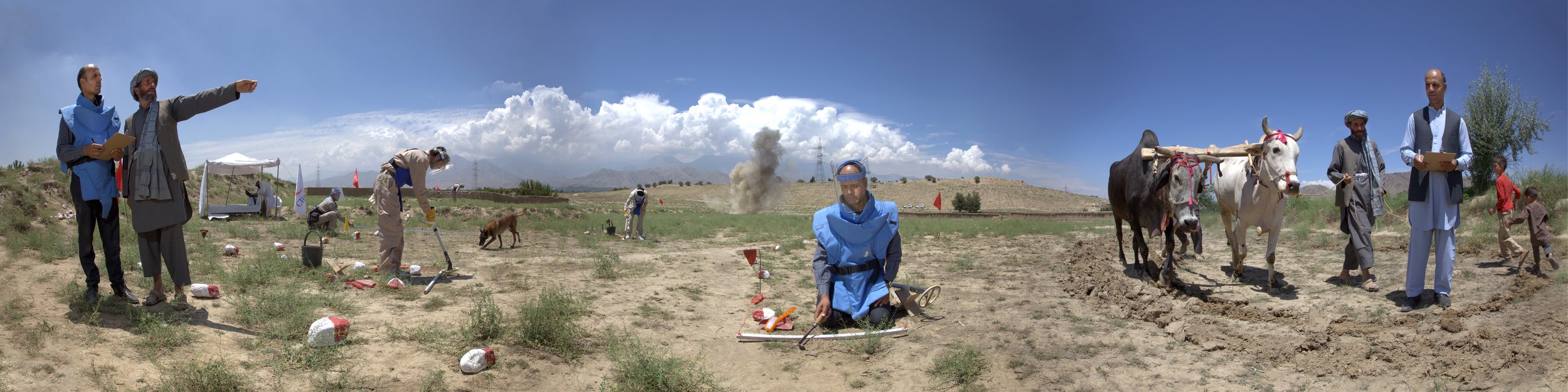
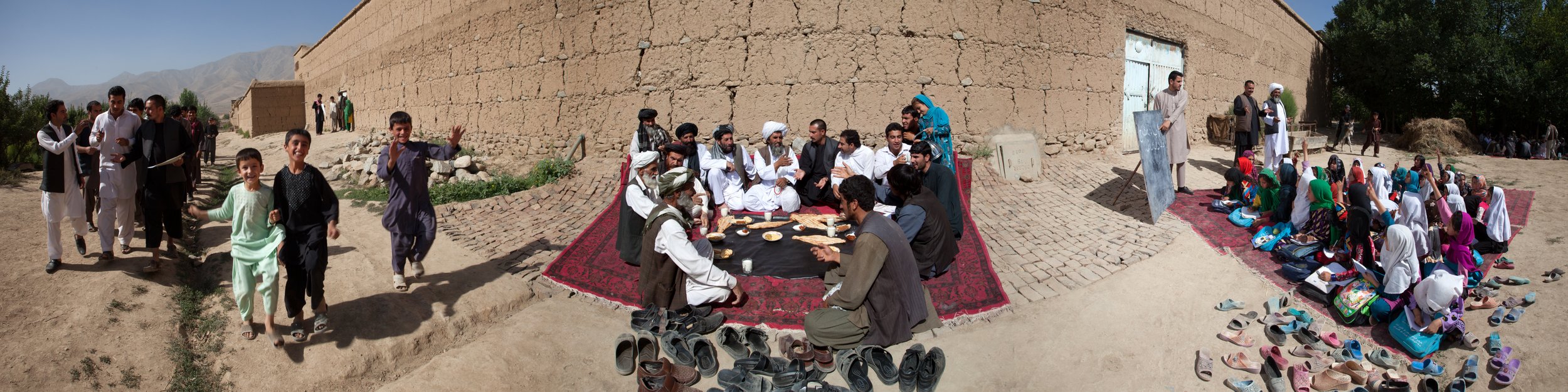
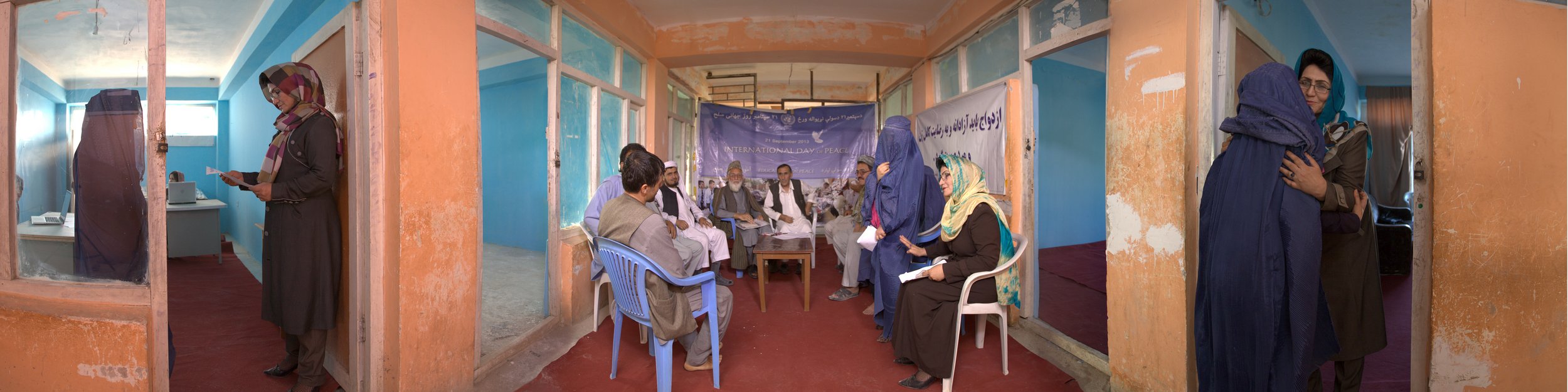
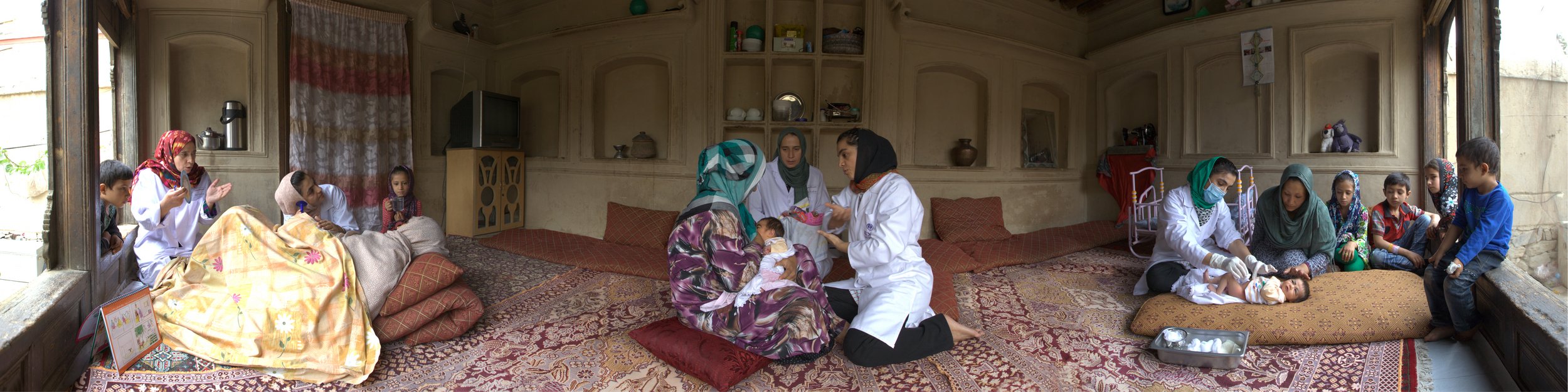
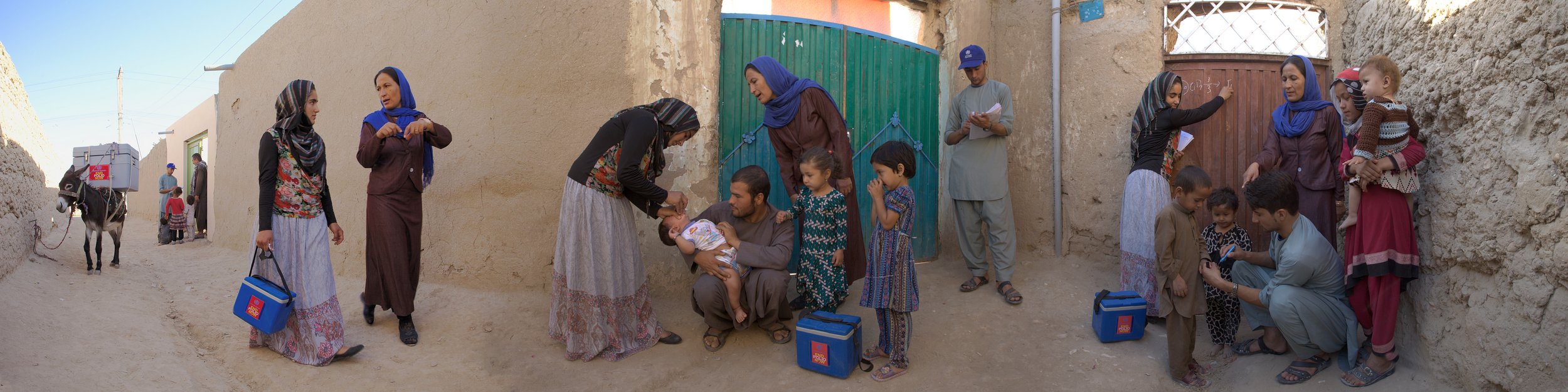
The UN Afghanistan website and its “Strong UN. Strong Afghanistan.” campaign presented stories of Afghan people whose efforts strengthened their families and communities. Although that campaign is now an archived snapshot, its central message remains relevant: sustainable recovery depends on the abilities, ideas and leadership of Afghan women.
Building skills for sustainable businesses
Business skills are often the first form of support available to women who want to turn an idea into a reliable source of income. Training can cover budgeting, pricing, bookkeeping, customer research, inventory management, quality control and business planning. These practical skills help entrepreneurs make informed decisions rather than relying on guesswork.
Training is frequently adapted to the realities of Afghan women. A home-based producer may need guidance on packaging and household cash flow, while an agricultural entrepreneur may require support with storage, processing or access to buyers. Literacy and numeracy assistance can be incorporated where needed, allowing more women to use records and financial information with confidence.
UN agencies and partner organizations may also provide mentoring, peer networks and coaching after formal training ends. Continued contact matters because many small businesses face challenges only after they begin trading. A mentor can help an entrepreneur respond to changing prices, find a new supplier or assess whether expanding production is financially sensible.
Connecting women with finance and productive assets
Limited capital is one of the most significant barriers for women-owned businesses. Many women cannot offer conventional collateral, lack a formal credit history or face restrictions on travelling to financial institutions. As a result, a viable business may remain small even when there is local demand for its products.
UN-supported programmes can address this gap through small grants, revolving funds, savings groups, cash assistance linked to livelihoods, business kits or referrals to financial service providers. The form of support varies by programme and location. Productive assets might include sewing equipment, livestock, agricultural inputs, food-processing tools, solar devices or materials needed to restart a damaged enterprise.
Financial support is most effective when combined with business advice. A grant without market knowledge may be spent quickly, while training without working capital may never become a functioning enterprise. Linking finance to planning, monitoring and follow-up gives women a better chance of protecting their investment and increasing revenue.
Financial inclusion also involves helping women understand risk. Sessions on savings, debt, household budgeting and safe transactions can reduce exposure to exploitative lending. Where digital or mobile payments are available and appropriate, they may offer additional flexibility, although access, identification requirements and digital literacy remain important considerations.
Expanding market access and value chains
Producing goods is only part of entrepreneurship. Women need dependable ways to reach customers, negotiate prices and receive payment. UN programmes can help by organizing market assessments, connecting producers to traders, supporting exhibitions and fairs, and improving links between small enterprises and larger value chains.
Cooperatives and producer groups can strengthen that position. By working together, women may purchase raw materials at better prices, share transport, meet larger orders and exchange information about demand. A group can also make it easier for development partners to provide training or distribute equipment without excluding entrepreneurs who work from their homes.
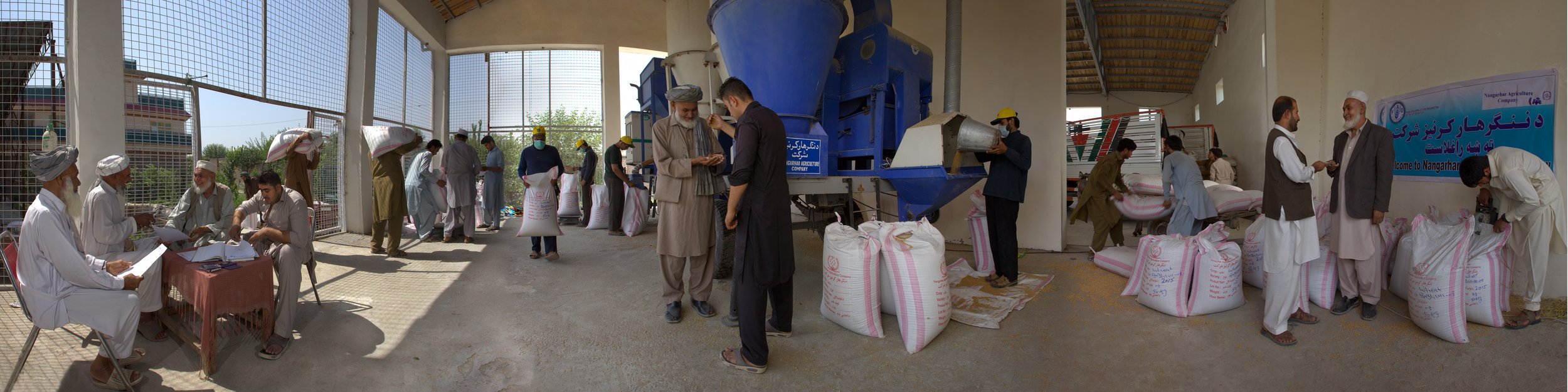
The strongest market initiatives focus on quality as well as visibility. Packaging, labeling, product consistency and basic standards can influence whether a buyer returns. In agriculture, reducing post-harvest losses, improving storage and developing processed products can increase the value retained by producers.
| Area of support | How it helps women entrepreneurs | Practical outcome |
|---|---|---|
| Business training | Strengthens planning, pricing and record keeping | Better decisions and clearer growth plans |
| Grants and equipment | Provides working capital or productive tools | Restarted or expanded enterprises |
| Savings and finance links | Improves access to responsible financial services | Greater capacity to manage cash flow |
| Market connections | Links producers with customers, traders and institutions | More reliable sales and stronger bargaining power |
| Cooperatives and networks | Encourages shared resources and peer learning | Lower costs and increased resilience |
| Policy and protection | Addresses barriers to participation and safety | A more enabling business environment |
Digital channels can extend market reach where women have access to phones, connectivity and a safe way to conduct transactions. Social media pages, messaging platforms and online catalogues may help entrepreneurs display products beyond their immediate neighbourhood. Digital tools do not replace local markets, but they can give a small enterprise more ways to find customers.
Supporting agriculture and home-based enterprises
A large share of women’s economic activity is connected to agriculture and household production. Women may raise poultry, process dairy products, grow vegetables, preserve food, make clothing or produce handicrafts. These activities are often overlooked because they take place in homes or informal settings, even though they support food security and household income.
UN assistance can include seeds, tools, livestock, veterinary services, irrigation support, training in food preservation and advice on climate-resilient production. For women working in rural areas, these interventions can be especially valuable when travel is difficult and formal employment opportunities are scarce.
Home-based work needs a careful approach. It can provide flexibility for women with care responsibilities or limited mobility, yet it may also conceal unpaid labor, unsafe conditions and weak bargaining power. Support should therefore help women calculate the real cost of production, build direct customer relationships and retain control over income.
Agricultural value-chain programmes can create opportunities beyond primary production. A woman who begins with raw milk, for example, may increase earnings through yogurt, cheese or packaged products. Similar possibilities exist in dried fruit, wool, honey, herbs and locally made textiles when equipment, technical knowledge and market demand come together.
Strengthening safety, inclusion and voice
Economic participation depends on more than capital and training. Women entrepreneurs need an environment where they can travel, communicate with suppliers, participate in groups and manage earnings without intimidation or discrimination. UN work therefore often connects livelihoods assistance with protection, community engagement and gender equality.
Women-led savings groups and business associations can provide more than financial benefits. They create spaces for peer support, shared problem-solving and information about services. They may also help women speak collectively about market barriers, documentation, transportation or access to public facilities.
Programmes should be inclusive of women with disabilities, displaced women, returnees, widows, young women and those living in remote districts. A single approach can unintentionally favor entrepreneurs who already have education, transport or family support. Outreach, accessible venues, flexible schedules and local languages can make assistance more equitable.
Women’s economic leadership also has a wider community effect. When women earn and make decisions about income, households may be better able to pay for food, education and health care. Women who run successful enterprises can become employers, trainers and role models, creating a broader culture of participation for girls and other women.
Coordinating support through partnerships
The United Nations does not operate as a single business-support institution. Its agencies, funds, programmes, international partners and local organizations have different mandates. Some concentrate on livelihoods and employment, others on food security, protection, gender equality, humanitarian assistance or institutional development.
Coordination helps reduce duplication and identify gaps. A woman might receive agricultural inputs from one programme, financial literacy training from another and market support through a local organization. When these elements are connected, assistance is more likely to produce a lasting livelihood rather than a short-term increase in activity.
Local civil society groups are essential to that process. They understand community dynamics, can identify women who are often missed by formal systems and may be able to provide services in places where international staff cannot work directly. Partnerships should value local knowledge and include women in decisions about programme design, delivery and evaluation.
Good programmes also track meaningful results. The number of women attending training is useful, but it does not show whether sales increased, profits improved, debt declined or the business survived a disruption. Monitoring should consider income, control over earnings, job creation, safety and the entrepreneur’s ability to continue after external support ends.
Practical priorities for stronger women-owned businesses
Support for Afghan women entrepreneurs becomes more effective when it reflects the conditions in which businesses actually operate. The following priorities can guide programmes, partners and community initiatives:
- Combine grants or equipment with coaching, financial literacy and follow-up support.
- Invest in producer groups, cooperatives and women-led business networks that improve bargaining power.
- Build market connections around quality, packaging, reliable supply and fair payment.
- Include rural women, displaced women, women with disabilities and home-based producers in programme design.
- Measure lasting business outcomes, including profits, resilience, control over income and employment created.
The role of the UN is strongest when it helps women move from emergency assistance toward durable economic opportunity. That means respecting local expertise, protecting dignity and recognizing that entrepreneurship may look different in a city shop, a village cooperative or a room used as a home workshop.
The archived UN70 campaign, “Strong UN. Strong Afghanistan.”, provides a useful reminder of the people behind development work. Afghan women entrepreneurs are not simply beneficiaries of assistance; they are producers, employers, innovators and community leaders. Their experience should shape the policies and programmes intended to support Afghanistan’s recovery.
Explore UN Afghanistan’s archived campaign stories, photographs and official media channels to learn more about Afghan contributions and the UN’s partnership with communities. Share attention with women-led enterprises, support responsible local markets and amplify the evidence that women’s economic participation is essential to a stronger Afghanistan.