
Making a Difference
Training Afghan Police for Safer, More Resilient Communities
Community safety depends on more than patrols, checkpoints, or the ability to respond to crime. It rests on trust: people must believe that police will listen, act lawfully, protect vulnerable residents, and treat every person with dignity. In Afghanistan, where conflict, displacement, poverty, and limited access to justice have shaped daily life, police training has therefore been closely connected to wider efforts to strengthen public institutions.
The United Nations has supported this work through different agencies, programmes, and partnerships over time. Assistance has included professional development, institutional reform, justice-sector coordination, human rights education, and support for community-based approaches to security. The purpose has been to help Afghan law enforcement move closer to a service model that responds to residents rather than focusing only on coercive control.
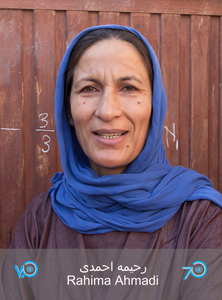
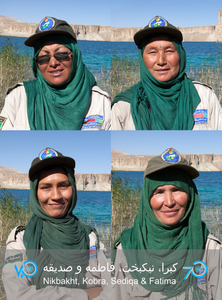
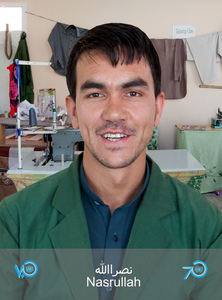
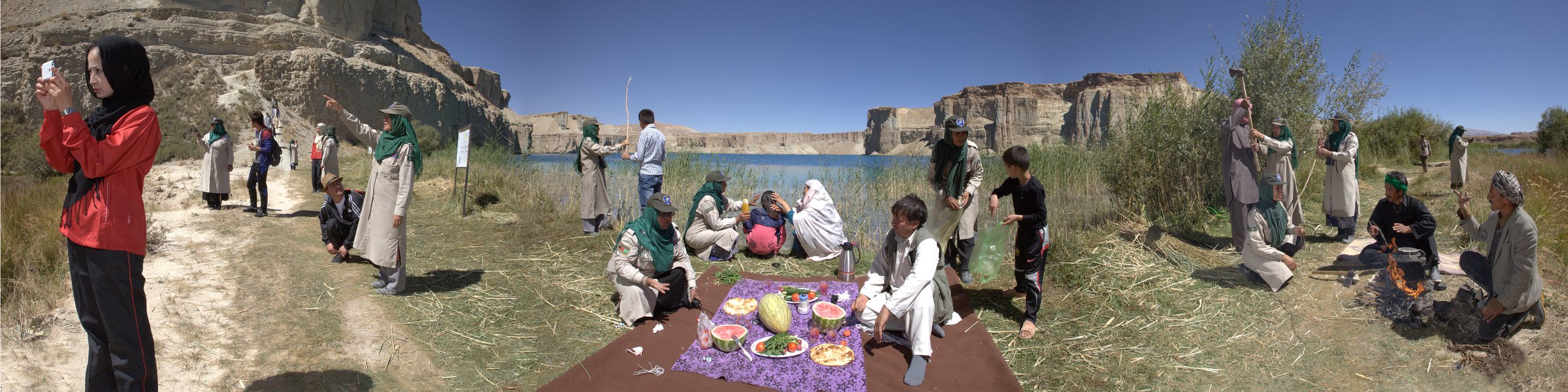
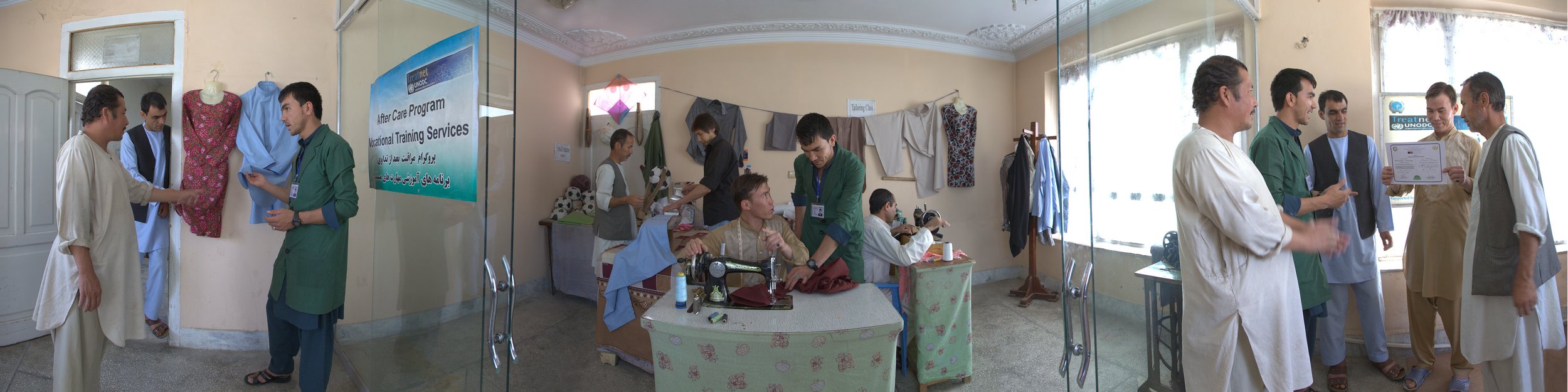
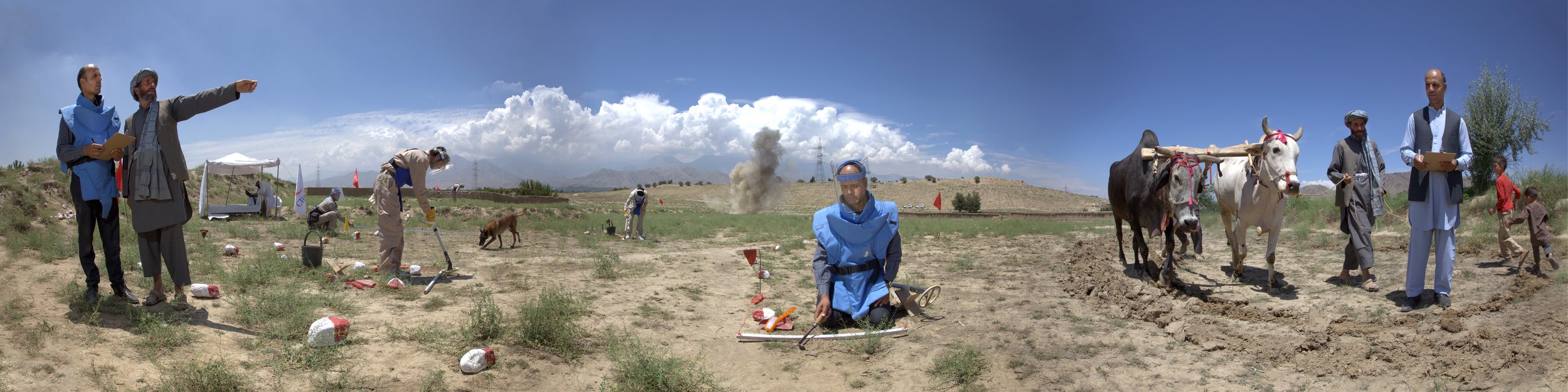
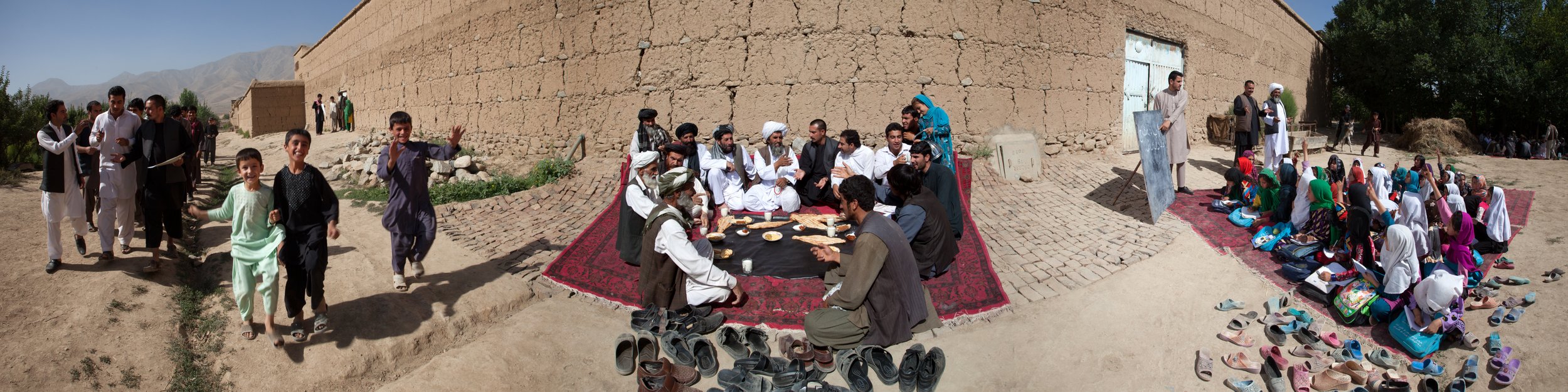
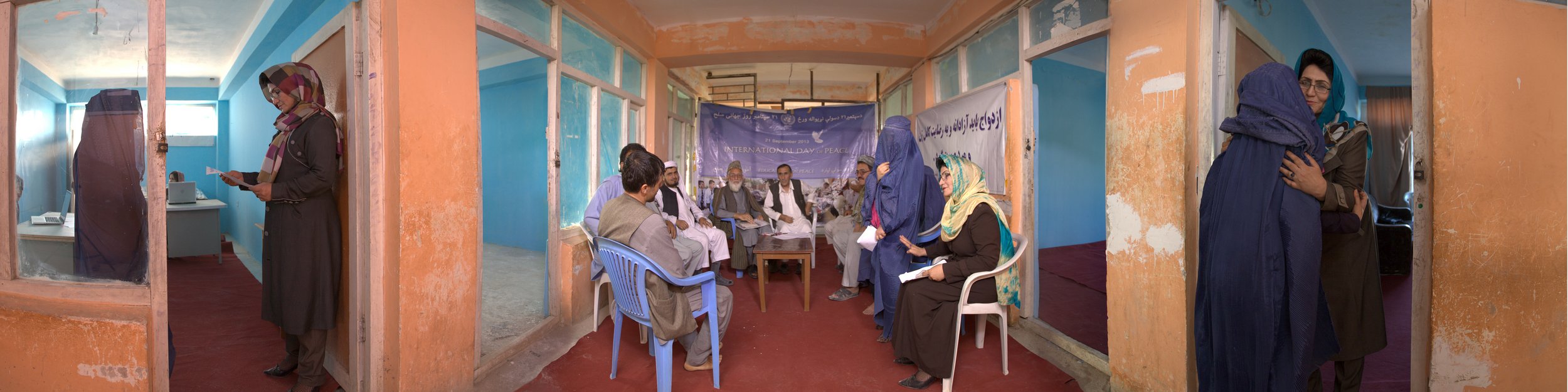
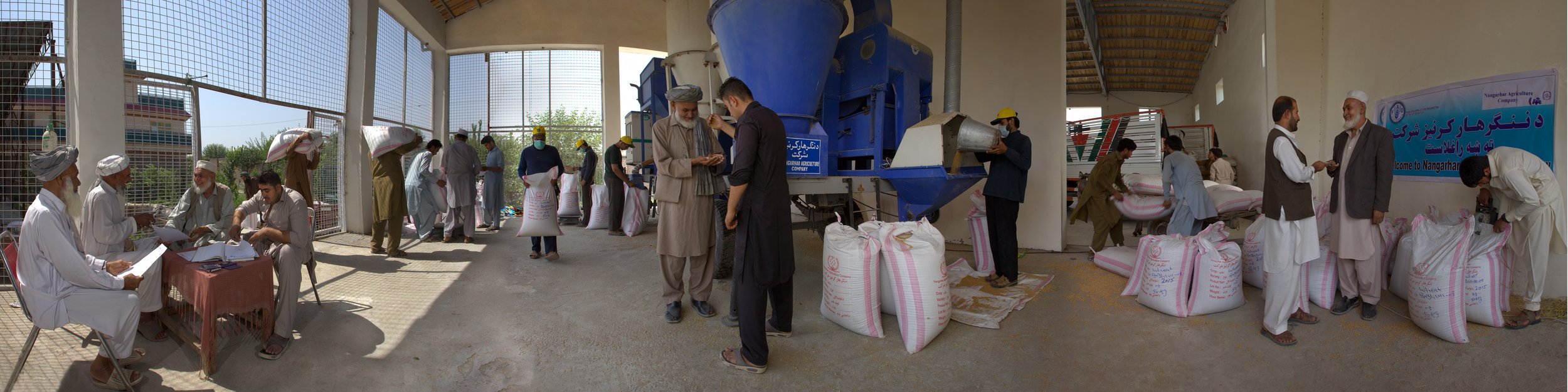
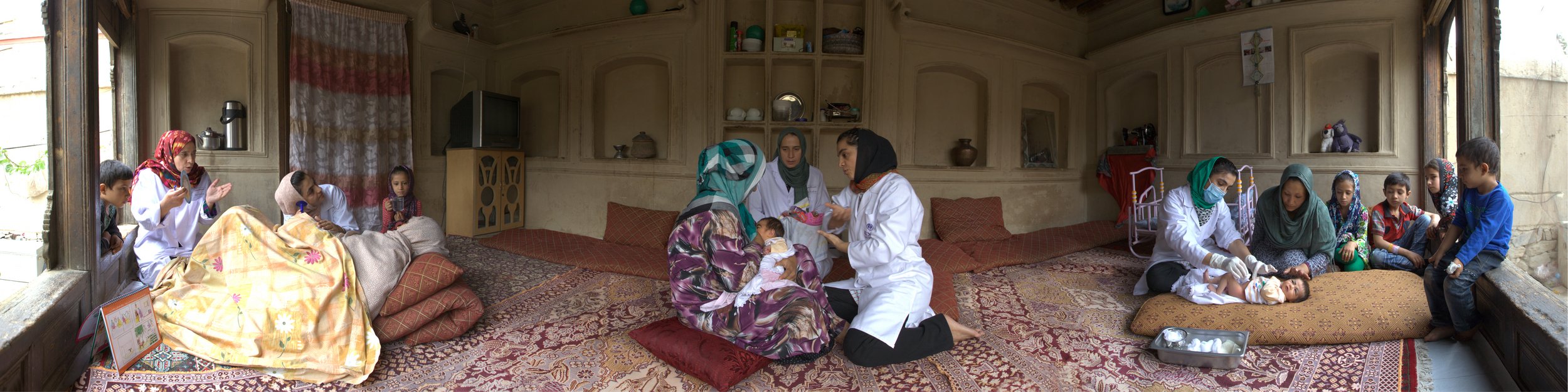
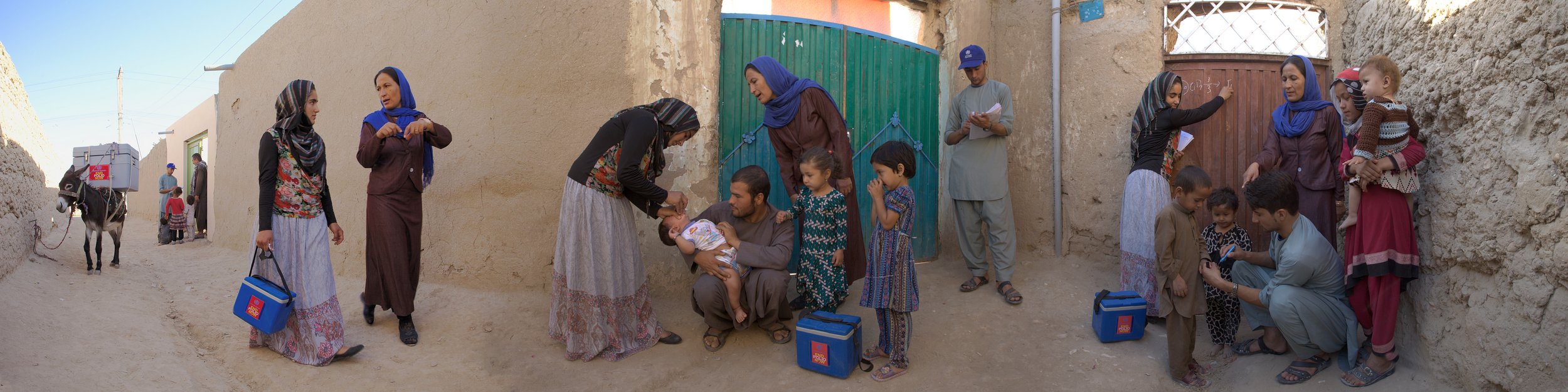
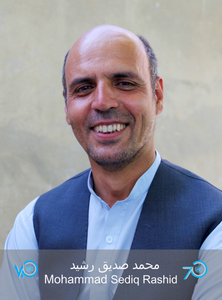
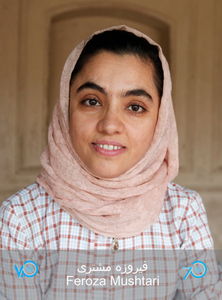
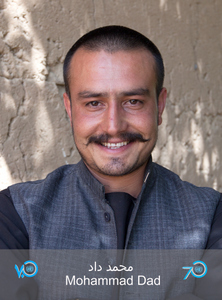
The archived UN70 “Strong UN. Strong Afghanistan.” campaign placed Afghan people and their contributions at the centre of the UN’s public story. Its photographs and messages are no longer part of an active campaign, but its focus remains relevant: safer communities are built by Afghan officers, local leaders, civil society groups, families, and international partners working toward shared public goals.
From security force to public service
Police officers are often the most visible representatives of the state. A person reporting theft, domestic abuse, threats, or violence may have no contact with any other public institution. The officer’s conduct at that first encounter can determine whether the person pursues justice, seeks protection, or withdraws from official systems altogether.
Training can shape that encounter. Instruction in investigative methods, communication, evidence handling, referral procedures, and professional ethics gives officers practical tools for dealing with the public. It also clarifies that policing is a public responsibility governed by law, rather than a personal privilege or an extension of political power.
For Afghan communities, this distinction has particular importance. Police personnel have worked in environments affected by armed conflict, local disputes, organized crime, and limited resources. Effective instruction must prepare them for danger while preserving accountability. Tactical skills and operational readiness matter, but so do restraint, impartiality, and the ability to resolve disputes without escalating harm.
What United Nations support can include
UN engagement with Afghan policing has involved several forms of assistance rather than a single training package. UNODC has supported law enforcement and criminal justice capacity, including work related to organized crime, narcotics control, border management, and professional standards. UNDP programmes, including support connected with the Law and Order Trust Fund for Afghanistan, have contributed to institutional development and the functioning of public security services.
UNAMA has also worked within a broader mandate that includes human rights, civilian protection, political engagement, and support for national institutions. These strands are connected. Police training is more effective when officers have functioning courts to which they can refer cases, when prosecutors can review evidence, and when communities know where to report misconduct.
International assistance is most useful when Afghan institutions and communities help define its priorities. External instructors may provide technical expertise, but local personnel understand the languages, customs, geography, and risks that determine whether a lesson works in practice. Sustainable capacity grows when Afghan trainers, supervisors, and civil society partners can adapt professional standards to local realities without weakening universal rights.
Skills that build community confidence
Community-oriented policing begins with listening. Officers need to understand which problems residents consider most urgent, how different groups experience insecurity, and which disputes can be addressed through dialogue before they become violent. Regular contact with village elders, women’s groups, youth representatives, religious leaders, schools, health workers, and local authorities can provide information that routine patrols cannot.
Training in mediation and conflict sensitivity is especially valuable in areas where a police intervention may affect family relationships or local power balances. Officers can learn to distinguish between a criminal offence, a civil dispute, and a community tension requiring a carefully coordinated response. This does not mean ignoring violations. It means selecting lawful and proportionate methods that protect people while reducing retaliation.
Communication is another core skill. Clear explanations of procedures, respectful questioning, accurate record keeping, and timely referrals can make police stations less intimidating. Training in Dari and Pashto communication, where appropriate, can improve understanding, while instruction on disability access and culturally sensitive engagement can help services reach people who are often excluded.
Women’s participation also matters. Female police officers can improve access for women and girls who may not feel safe speaking with male personnel, particularly in cases involving gender-based violence, family abuse, or sexual exploitation. Recruitment alone is insufficient: women officers need secure workplaces, professional advancement, suitable facilities, and protection from harassment. Training must prepare all personnel to work in teams where women exercise authority and perform operational roles.
Rights, accountability, and civilian protection
Community safety cannot be measured only by arrests or visible security activity. It also depends on whether people are protected from unlawful detention, excessive force, discrimination, intimidation, and abuse. Human rights training helps officers understand the legal limits of their authority and the responsibilities that accompany the use of force.
Practical scenarios are often more effective than abstract lectures. Role-play can address how to handle a frightened witness, search a home, interview a child, respond to a protest, or manage a checkpoint without humiliation or unnecessary delay. Supervisors can then evaluate decisions against principles of legality, necessity, proportionality, and non-discrimination.
Accountability mechanisms are a necessary part of training, not an afterthought. Complaints channels, internal investigations, disciplinary procedures, independent oversight, and reliable case documentation give communities ways to challenge misconduct. They also protect professional officers from arbitrary accusations by establishing transparent processes for examining evidence.
Civilian protection requires coordination beyond the police service. Local government, prosecutors, courts, health providers, humanitarian organizations, and community groups may all be involved when an incident occurs. UN-supported programmes have often sought to connect security assistance with justice and human rights work so that police action leads to lawful remedies rather than unresolved cases.
| Training area | Community benefit | Indicators of responsible practice |
|---|---|---|
| Communication and public engagement | Greater willingness to report crime and share information | Regular community meetings, clear explanations, respectful treatment |
| Investigations and evidence handling | Stronger cases and fewer wrongful accusations | Complete records, preserved evidence, documented interviews |
| Human rights and use of force | Reduced abuse and improved civilian protection | Proportionate responses, complaint review, disciplinary follow-up |
| Gender-responsive policing | Better access to services for women and girls | Female personnel, private reporting spaces, referral pathways |
| Mediation and conflict sensitivity | Fewer disputes escalating into violence | Early referrals, negotiated solutions where lawful, risk assessments |
| Leadership and supervision | Consistent standards across stations and units | Performance reviews, mentoring, transparent promotion processes |
Training in a fragile and changing environment
Afghan police training has never taken place under ordinary conditions. Officers have faced attacks, inadequate equipment, delayed salaries, difficult transport routes, and pressure from armed actors. Civilians have also faced barriers to reaching police stations, including fear of retaliation, distance, poverty, and uncertainty about whether complaints would be taken seriously.
These realities affect the design of training. A course that assumes reliable communications, stable institutions, and easy access to courts may have little value in a remote district. Programmes must account for literacy levels, local languages, staff turnover, security restrictions, and the practical resources available after instructors leave.
Training should therefore be linked to mentoring and institutional systems. Officers need supervisors who reinforce lessons, supplies that allow them to apply procedures, and administrative records that preserve continuity when personnel change. Data collection can help identify patterns in complaints, response times, referrals, and use-of-force incidents, provided that information is gathered safely and handled with confidentiality.
Community safety is also tied to displacement and reintegration. Returning families may need documentation, housing support, livelihoods, and protection from local tensions. Police can contribute by preventing exploitation and referring people to appropriate services, but they cannot solve reintegration alone. The UN’s reporting on reintegration support illustrates why protection, humanitarian assistance, and public institutions must work together when people return to communities under pressure.
Measuring whether policing serves people
A professional police service should be assessed through outcomes that residents can recognize. Fewer violent incidents matter, but so do quicker responses, fairer investigations, safer reporting channels, and greater confidence among groups that have historically been ignored or mistreated.
Surveys, community consultations, complaint records, court data, and internal performance reviews can provide a fuller picture. Numbers require careful interpretation. A fall in reported crime may indicate improved safety, but it may also reflect fear of reporting. A rise in complaints may signal worsening conduct, or it may show that people finally trust a mechanism enough to use it.
Local ownership should guide evaluation. Afghan communities can identify whether police presence reduces insecurity or creates new anxiety. Women’s organizations can assess referral systems and the treatment of survivors. Civil society monitors can examine access to justice. Police leadership can use this information to improve supervision rather than treating criticism as a threat.
The UN’s contribution is strongest when it supports these feedback loops and helps connect them to wider rule-of-law goals. International partners can offer standards, training materials, technical advice, and impartial documentation. Afghan institutions and communities must determine how those tools are applied, how misconduct is addressed, and how public trust is earned over time.
Priorities for community-centred police development
Effective assistance should remain practical, rights-based, and connected to the daily experience of Afghan residents. Key priorities include:
- Pair classroom instruction with field mentoring, supervision, and follow-up assessments.
- Expand gender-responsive policing, including safe reporting spaces and meaningful roles for women officers.
- Teach human rights, lawful use of force, mediation, and civilian protection through realistic scenarios.
- Build reliable complaint, referral, and disciplinary systems that communities can understand and access.
- Coordinate police development with courts, prosecutors, humanitarian services, local authorities, and civil society.
- Measure public confidence and service quality alongside operational activity and crime statistics.
These priorities also require patience. Institutional trust is weakened quickly by abuse or neglect and rebuilt gradually through consistent conduct. A well-trained officer working within a fair system can make a significant difference, but lasting safety depends on the wider environment in which that officer serves.
The stories preserved through UN Afghanistan’s archived campaign offer a reminder that national progress is made visible through individual effort. Afghan police personnel, community representatives, justice workers, and residents each have a role in creating safer public spaces. Explore the campaign’s recorded messages and stories, and support attention to Afghan-led approaches that place dignity, accountability, and community protection at the heart of public security.