
Making a Difference

Skills Training Grants And Livelihoods For Afghans With Disabilities
For people with disabilities in Afghanistan, earning an income can depend on much more than technical ability. A damaged road, an inaccessible training centre, discrimination from employers, or the cost of travelling to a market may prevent a skilled person from turning work into a livelihood. Skills training grants offer a practical way to address several of these barriers together.
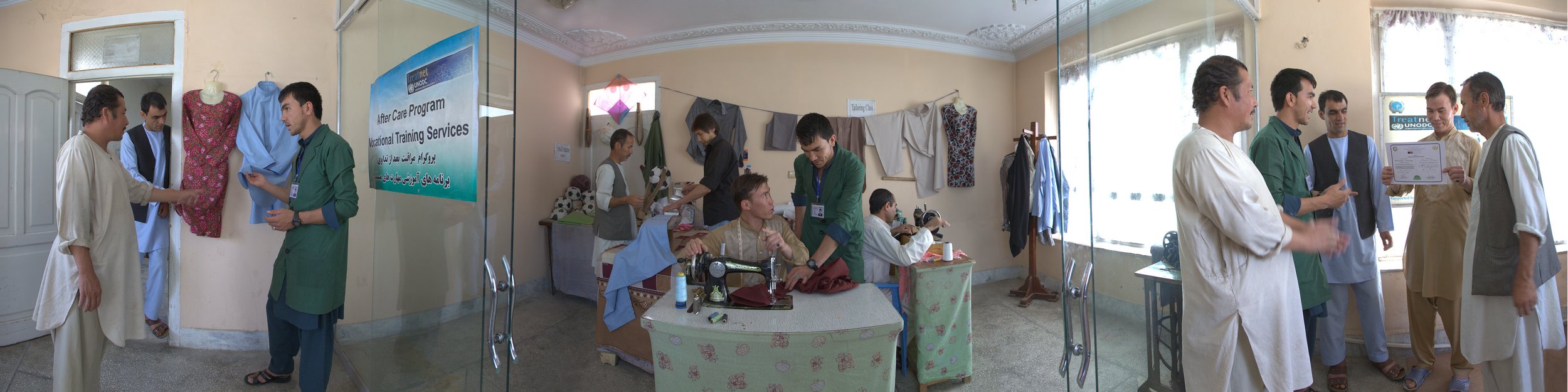
A grant may pay for vocational instruction, adaptive tools, transport, a small amount of working capital, or support from a local mentor. The strongest programmes connect these inputs to real demand, allowing participants to develop income streams in tailoring, phone repair, agriculture, food processing, handicrafts, livestock care, digital services, or other locally suitable trades.
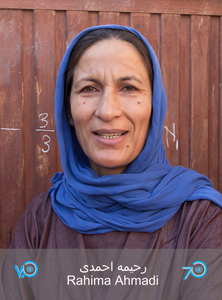
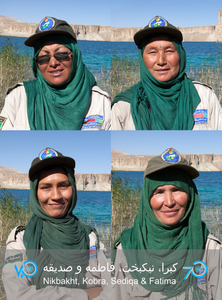
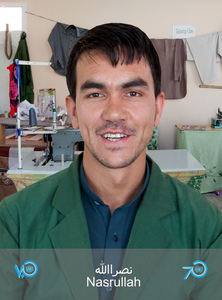
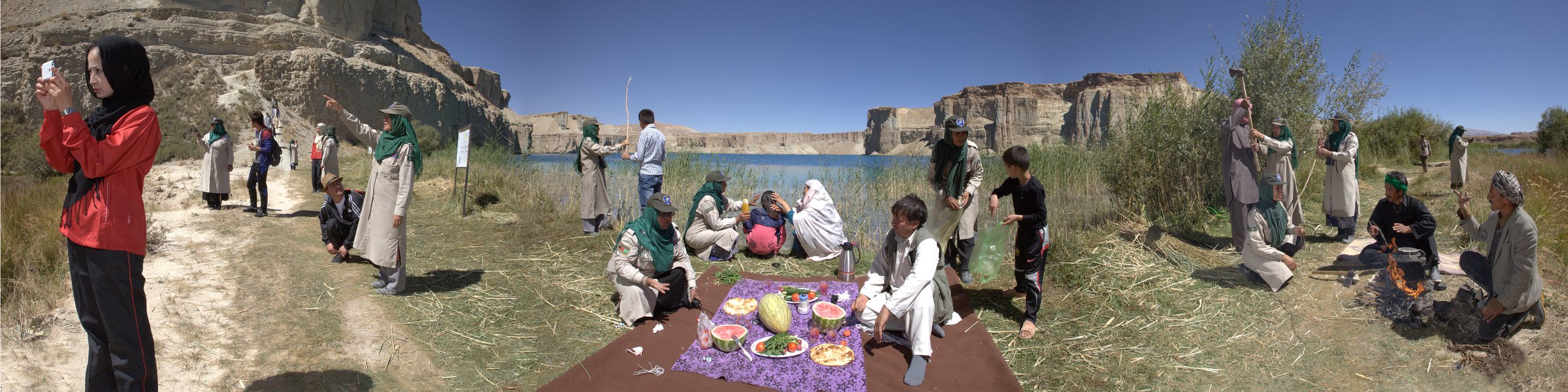
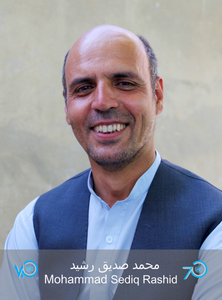
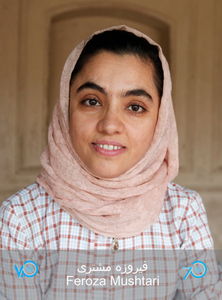
This approach reflects the wider UN presence in Afghanistan, where peacebuilding, protection, community partnerships and economic resilience are closely connected. The archived UN70 “Strong UN. Strong Afghanistan.” campaign highlighted Afghan people and their contributions. Livelihood support for people with disabilities fits that message by recognising capability, agency and the value of inclusive local economies.
Why Livelihoods Matter For People With Disabilities
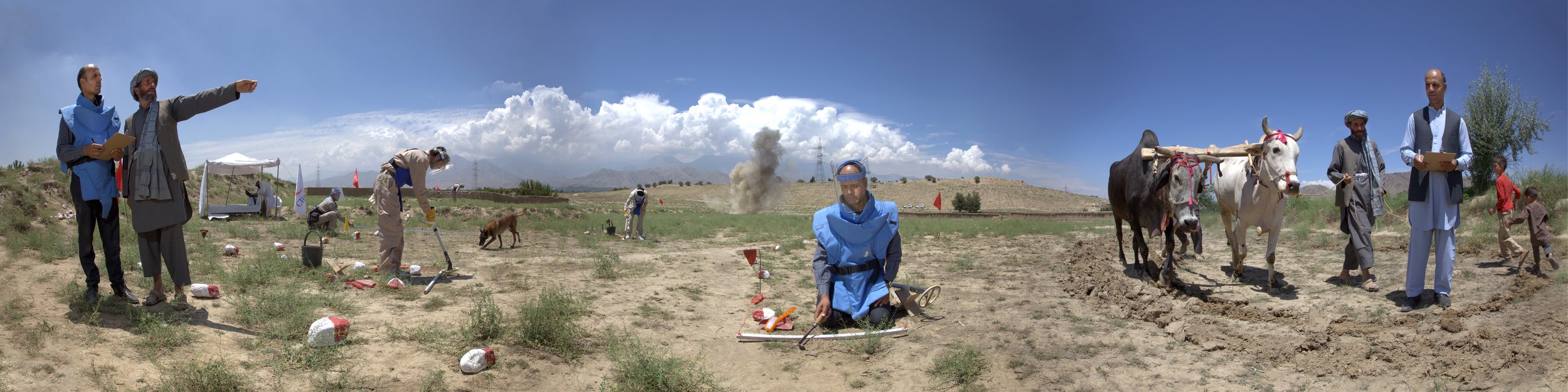
Disability in Afghanistan can arise from conflict-related injuries, landmines, illness, congenital conditions, accidents and the effects of limited access to health services. Many people also live with mobility, visual, hearing, psychosocial or intellectual disabilities that are poorly accommodated in workplaces and training settings. Families may provide essential care, but household support is often stretched by displacement, unemployment and rising living costs.
A livelihood gives a person more than wages. It can strengthen decision-making within a household, increase social participation and reduce dependence on emergency assistance. For women and girls with disabilities, income-generating work may also create greater control over household spending, although programmes must account for safety, family permission, travel restrictions and the risk of exploitation.
The operating environment is highly local. A participant in Kabul may find customers through a neighbourhood network or mobile phone, while someone in a rural district may depend on seasonal agriculture and a weekly market. A grant therefore needs flexibility. A standard course certificate has little value if the graduate cannot reach an employer, purchase materials or sell goods safely.
Skills development should also be linked with disability inclusion from the beginning. Training providers can use accessible venues, sign language interpretation, adapted equipment, flexible schedules and plain-language materials. When these measures are treated as core costs rather than optional extras, a programme is more likely to retain participants and produce lasting results.
How Skills Training Grants Can Work
A well-designed grant usually begins with an assessment of a person’s interests, existing abilities, support needs and local market opportunities. The participant might receive a place in a vocational course, followed by a modest enterprise grant for a sewing machine, beekeeping equipment, a smartphone, stock for a small shop or tools for a repair service. Payments can be staged so that support continues after training rather than ending on graduation day.
Grant management also requires accountability. Local disability organisations, community committees and UN partners can help identify eligible participants, check whether goods arrive and monitor safety. Clear selection criteria are important because people with less education, limited family support or severe impairments can be overlooked by competitive schemes.
Business coaching can make a modest grant more productive. Participants may need help with pricing, record-keeping, supplier relationships, packaging, saving and customer service. A cooperative model can reduce costs by allowing several workers to purchase materials or market their products together. For people who cannot work full time, part-time or home-based arrangements may provide a more realistic route to income.
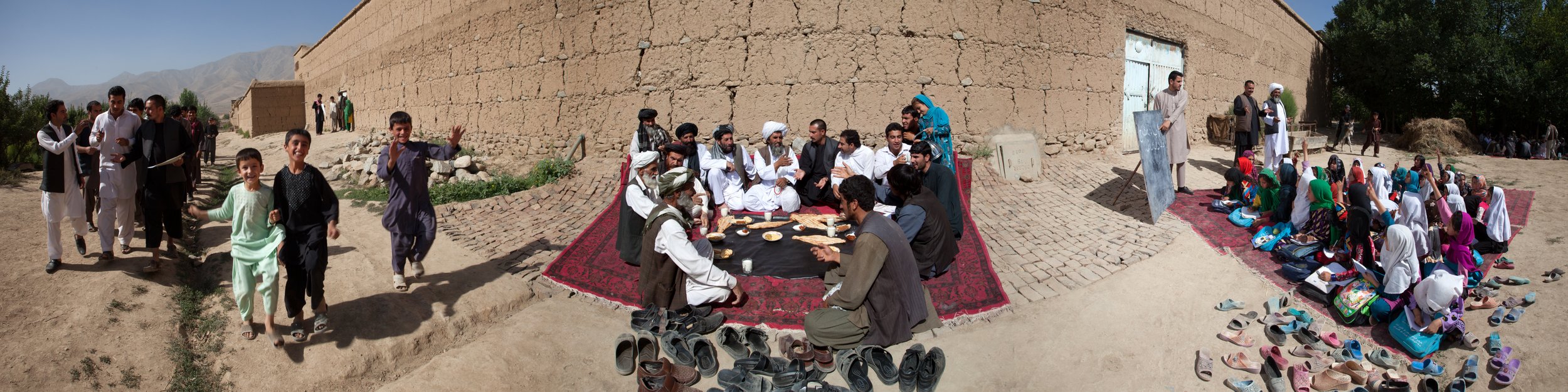
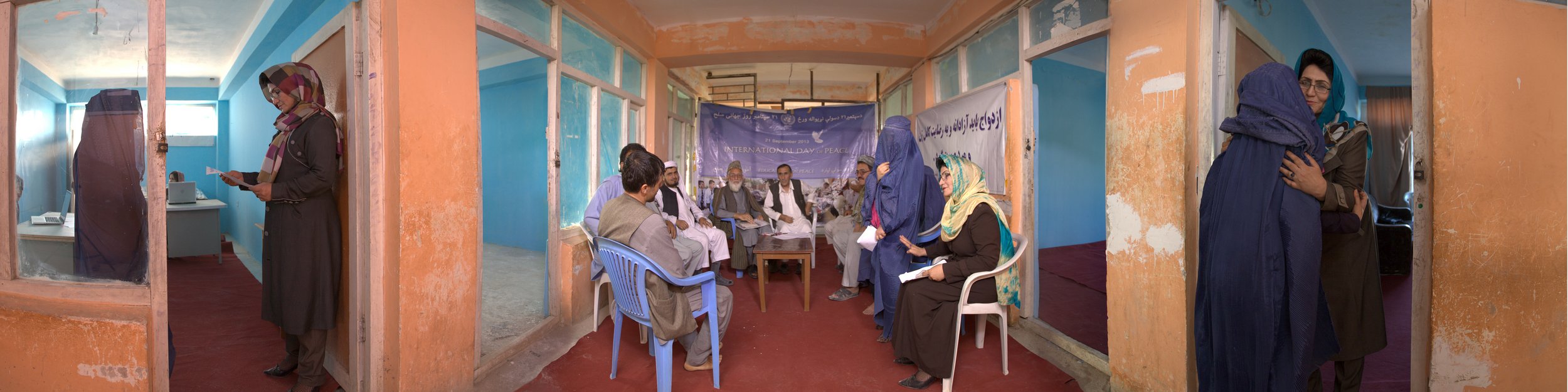
Peacebuilding and livelihoods are also connected. Communities that negotiate access to markets, training centres and shared resources build habits of cooperation. The UN’s work on dialogue illustrates why locally trusted processes matter; reporting on UN-mediated dialogue shows how communication can help bridge differences. Economic projects benefit from the same patience, neutrality and attention to local relationships.
Measuring Results Beyond Course Attendance
Counting enrolments and certificates is easy, but it says little about whether a person has gained a sustainable livelihood. A stronger monitoring framework follows participants for several months and records whether they are working, earning, retaining customers, controlling their income and using their new skills. It should also capture changes in confidence, household decision-making and community participation.
The quality of employment matters. A person may report income while facing unsafe conditions, unpaid family labour or severe overwork. Monitoring should examine working hours, payment practices, accessibility, debt and exposure to harassment. Confidential feedback channels are especially important for women, people with psychosocial disabilities and participants who depend on a family member for transport or communication.
The comparison below shows how different grant designs may fit different circumstances. These are planning models rather than fixed categories, and a single programme may combine them.
| Grant model | Suitable participant or setting | Typical support | Main strength | Key safeguard |
|---|---|---|---|---|
| Individual enterprise grant | A participant with a clear trade and local customers | Tools, stock, transport or adapted equipment | Direct control over work and income | Verify market demand and provide follow-up coaching |
| Apprenticeship grant | A person entering a trade through workplace learning | Training costs, mentor payment and accessibility adjustments | Builds practical experience and employer connections | Check that the placement is safe and genuinely paid or supported |
| Cooperative grant | Several workers with related skills | Shared equipment, premises, storage or marketing | Reduces costs and builds peer support | Establish transparent governance and benefit-sharing |
| Home-based production grant | Someone facing mobility or safety restrictions | Materials, assistive technology and sales support | Makes work possible near the household | Prevent isolation and connect producers with reliable buyers |
| Community service grant | A participant whose skills meet a local social need | Training, equipment and a small operating budget | Links income with community value | Avoid replacing essential public services without fair payment |
For an Australian audience, the distinction between individual support and structural accessibility may be familiar through the National Disability Insurance Scheme, or NDIS. An NDIS plan can fund reasonable and necessary supports for an eligible person, but it is not a direct equivalent of an Afghan livelihood grant. Afghanistan programmes often need to combine skills, equipment, market access and basic protection in one package because formal services and accessible infrastructure are much less available.
Lessons From Australian Inclusion Practice
Australia provides useful reference points, although its institutions and resources differ greatly from Afghanistan’s. The Disability Discrimination Act 1992 makes disability discrimination unlawful in areas such as employment, education and access to services. The legislation sets an important standard: inclusion is a rights issue, not simply a charitable preference. Afghan programmes can apply the same principle while adapting delivery to local law, culture and security conditions.
Everyday accessibility also shapes economic participation. In Melbourne, Sydney and Brisbane, a worker may rely on accessible public transport, a smartphone, online banking and regular delivery services. In Afghanistan, a participant may face an unpaved route, limited public transport, unreliable electricity or expensive mobile data. A grant budget should therefore consider transport, charging, communications and physical access alongside the vocational skill itself.
The Australian labour market also demonstrates the value of connecting training with employers and customers. Small businesses often use online marketplaces, social media and weekend markets to reach buyers, while apprenticeships combine instruction with workplace experience. Similar principles can work in Afghanistan through local bazaars, community networks, women’s producer groups and mobile-phone commerce, provided that participants have safe and affordable access.
Legal and cultural context must remain central. Australia’s workplace protections, NDIS processes and state-based services cannot simply be copied into Afghanistan. Yet the underlying practice of consulting people with disabilities, making reasonable adjustments and tracking outcomes is broadly transferable. Programmes are more credible when disabled people help design the training, select equipment and assess whether support has worked.
Practical Design Principles
A grant scheme should be simple enough for participants to understand and robust enough for donors and communities to trust. Cash, vouchers, equipment or direct payments to training providers may each be appropriate, depending on security and market conditions. The method should protect participants from debt, coercion and diversion of resources.
Local organisations can improve reach and relevance. Disabled people’s organisations often know which buildings are inaccessible, which employers are willing to adapt jobs and which households are being missed. Their involvement should be paid and meaningful, rather than limited to symbolic consultation. Women’s groups, rehabilitation workers, teachers and local traders can add further insight.
Useful design priorities include:
- Consult people with different impairments before selecting trades, venues and equipment.
- Combine technical training with enterprise skills, financial literacy and market information.
- Budget for transport, interpretation, assistive devices, childcare and follow-up visits.
- Use staged grants and transparent criteria, with safe complaints and appeals channels.
- Measure income, job retention, safety and decision-making rather than attendance alone.
Risk management is essential in a fragile setting. Implementers may need several small training sites instead of one central facility, discreet payment arrangements and contingency plans for movement restrictions. Data collection should protect privacy, particularly where disability, income or women’s participation could expose a household to stigma or harm.
The best measure of success is a participant’s ability to make informed choices about work and income over time. Some graduates will become entrepreneurs; others may secure apprenticeships, join a cooperative or earn through seasonal production. A realistic programme values these different pathways instead of forcing every person into the same model.
The UN’s Afghan partnerships can help place disability-inclusive livelihoods within broader recovery efforts. Coordination with humanitarian agencies, rehabilitation providers, local authorities, employers and community leaders can prevent duplicated training and improve referrals. A modest grant becomes more powerful when it connects to transport, health, protection, finance and demand for goods.
The archived campaign remains a useful reminder that national recovery is built through individual contributions. For Australians, it also offers a clear connection between familiar ideas—accessible workplaces, fair treatment and supported employment—and the very different realities facing Afghans with disabilities. Supporting skills training means backing practical independence while respecting local knowledge.
Use the UN Afghanistan campaign archive to learn how community stories shaped the organisation’s public message, and support disability-inclusive livelihood work through credible humanitarian and development partners. Share evidence, fund accessible training and insist that Afghan people with disabilities help define what economic participation should look like.