
Making a Difference
Building Bridges: UN-Mediated Dialogues for Afghan Peace
Peace in Afghanistan has always required more than an agreement signed by political leaders. It depends on relationships among communities, recognition of local grievances, protection of rights, and a shared belief that differences can be managed without violence. Dialogue is therefore both a diplomatic instrument and a social practice.
The United Nations has often served as a bridge between Afghan actors, international partners, and neighbouring states. Its role has included convening meetings, supporting political processes, documenting concerns, carrying messages between parties, and creating space for voices that may otherwise be excluded. This work is most effective when Afghan people remain at the centre of decisions about their country’s future.
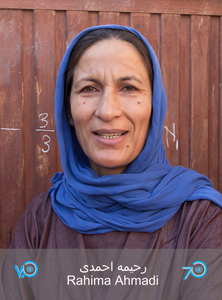
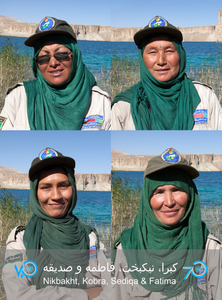
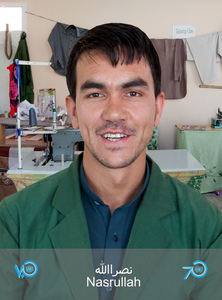
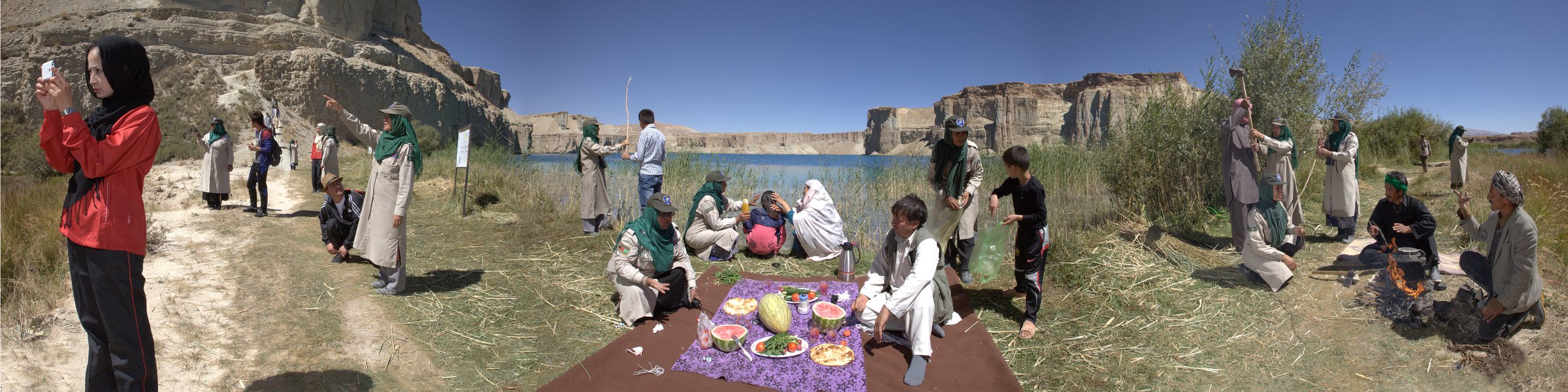
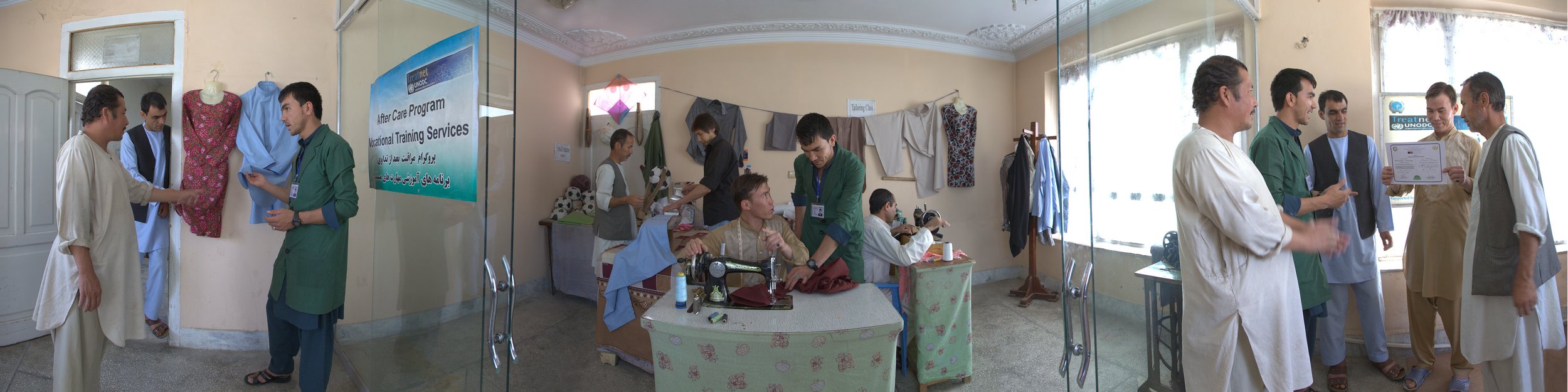
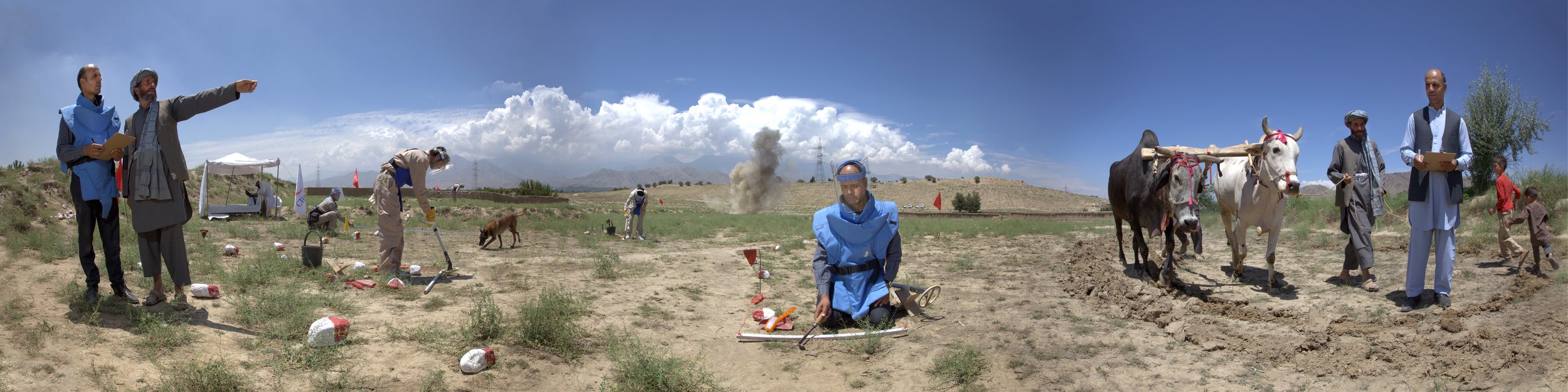
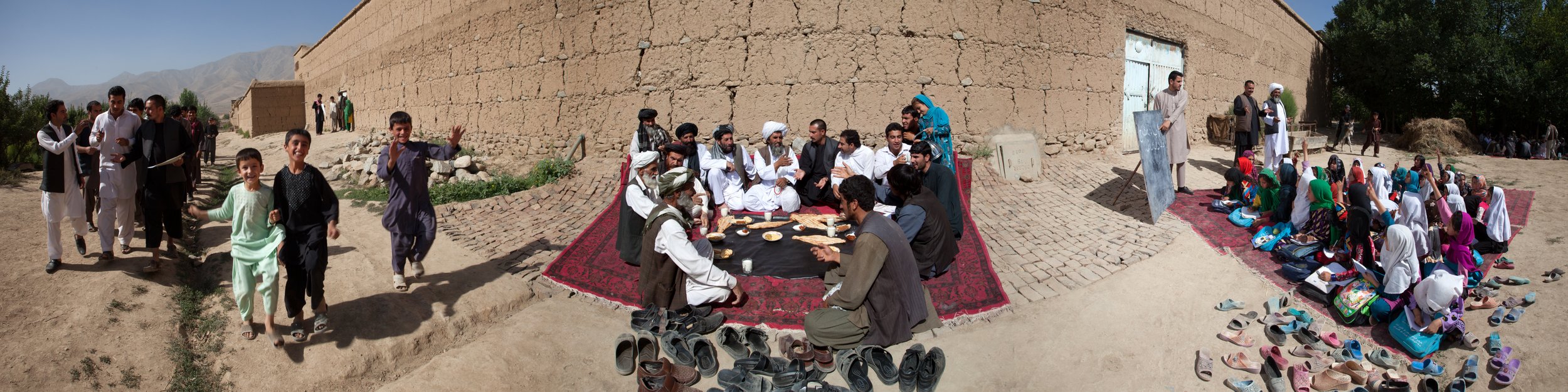
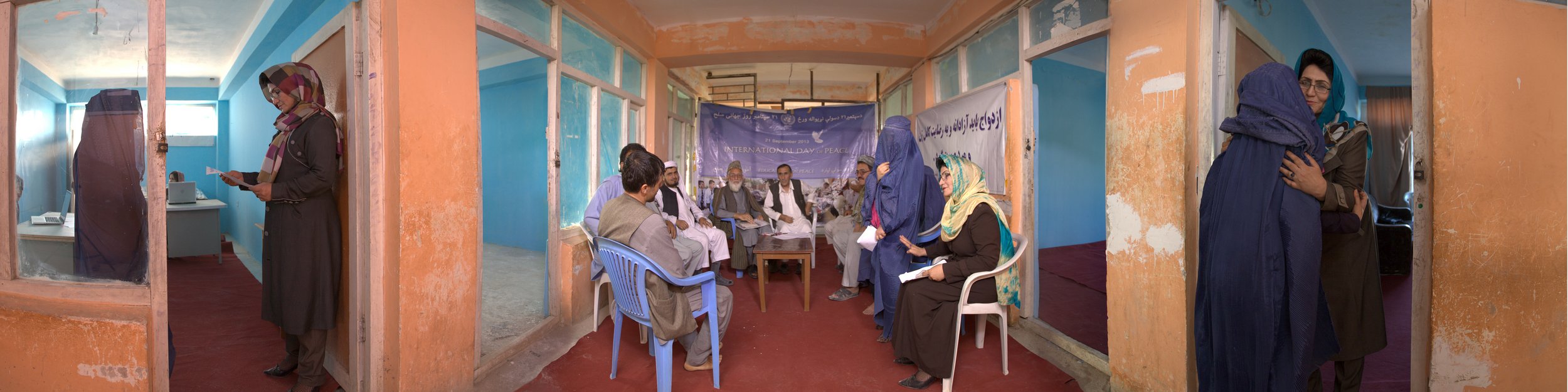
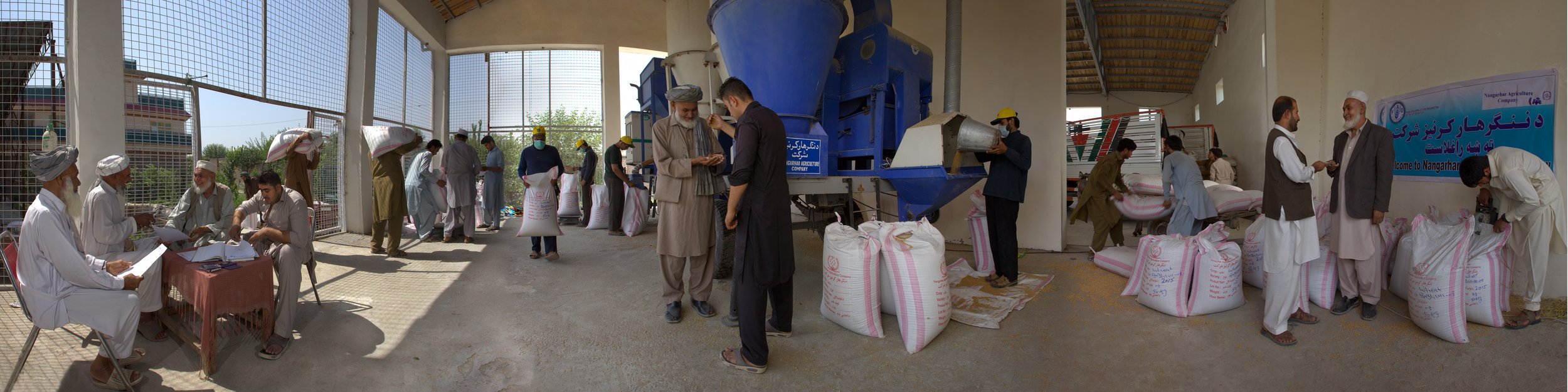
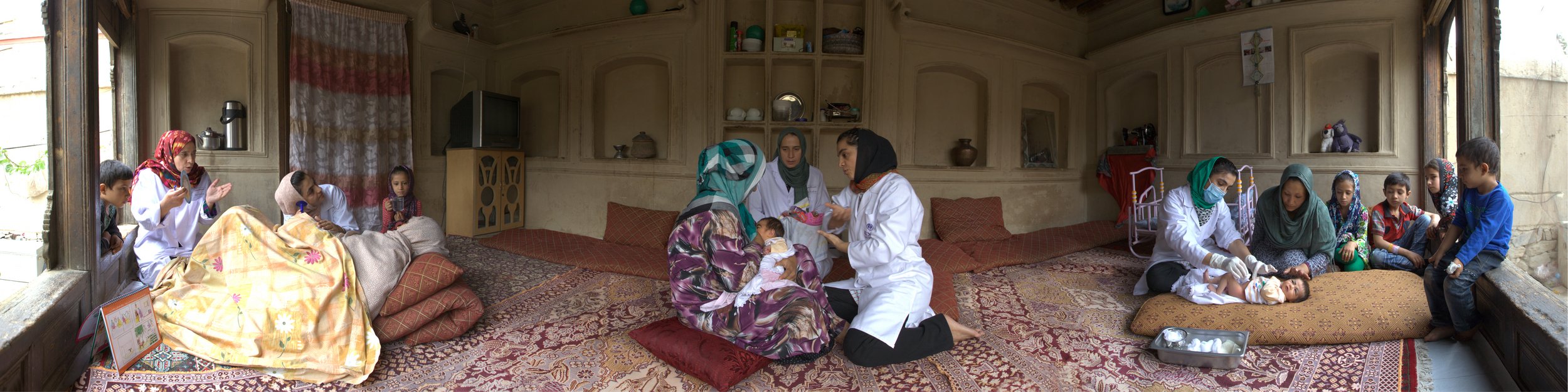
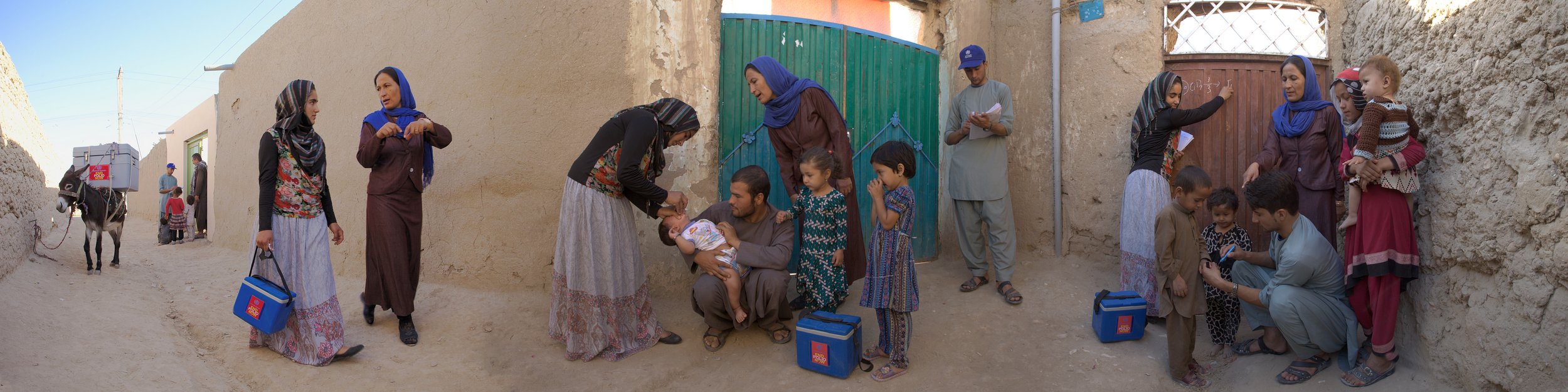
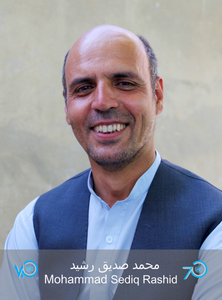
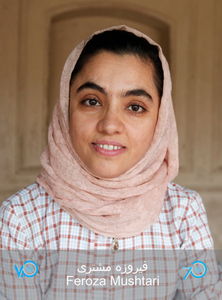
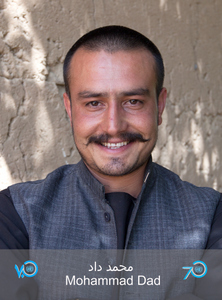
The UN70 “Strong UN. Strong Afghanistan.” campaign presented an important lens for understanding that work. Through photographs, personal stories, messages, and media materials, the archived campaign highlighted Afghan contributions and the value of partnership. Its emphasis on people offers a useful way to consider peacebuilding: durable peace is built through trust, participation, and practical cooperation.
Dialogue As A Form Of Peacebuilding
Mediation is often associated with formal negotiations, but peace dialogue begins long before a final settlement. It can involve discreet consultations with political representatives, meetings with civil society, discussions among religious and community leaders, or exchanges between groups separated by conflict. Each setting can reduce misunderstanding and identify interests that military language tends to obscure.
A UN-mediated dialogue does not mean that the United Nations dictates an outcome. The mediator’s task is to help participants communicate, clarify positions, explore compromises, and address issues that make an agreement difficult. A credible process requires consent from the parties, careful attention to power imbalances, and respect for Afghan ownership.
Afghanistan’s social and political diversity makes this function especially significant. National institutions, provincial authorities, tribal and community structures, women’s organizations, youth groups, religious scholars, displaced people, and minorities may experience conflict differently. A process that reaches only elite negotiators risks producing an agreement with limited public legitimacy.
The UN’s Bridge-Building Role
The United Nations can offer several forms of diplomatic support. Through good offices, a Special Representative of the Secretary-General may communicate with Afghan stakeholders, encourage confidence-building measures, and help maintain channels between parties during periods of tension. The UN Assistance Mission in Afghanistan, commonly known as UNAMA, has also supported political engagement, human rights monitoring, humanitarian coordination, and public communication.
These responsibilities are related but distinct. A humanitarian agency may negotiate access for relief operations, while a political mission works on dialogue and conflict prevention. Human rights teams document violations and advocate for protections. Development specialists support institutions and services. Together, these activities can create conditions in which peace discussions become more credible and communities have a greater stake in stability.
International legitimacy is another part of the bridge. The UN can bring Afghan concerns to the attention of the Security Council, regional organizations, donor governments, and neighbouring countries. It can encourage those actors to support a coherent peace process rather than pursue disconnected priorities. Yet legitimacy cannot be manufactured from outside. It grows when Afghan participants see that their experiences influence the agenda.
From Local Concerns To National Talks
Successful mediation connects different levels of conflict. A national negotiation may address political authority, security arrangements, constitutional questions, or the future of state institutions. Local dialogue may focus on land, water, displacement, access to services, family disputes, or the reintegration of former combatants. These concerns can appear separate, but unresolved local tensions can weaken national peace.
UN-supported engagement can help carry information in both directions. National actors need to understand how policies affect villages, cities, women, young people, and displaced families. Local leaders need channels through which their priorities can reach decision-makers. This flow of information helps prevent a peace process from becoming detached from daily life.
The principle of Afghan ownership is central. External mediators may provide a venue, facilitation, technical knowledge, or political encouragement, but Afghan stakeholders must define the issues and accept the commitments. International support is more useful when it strengthens Afghan capacity to negotiate, communicate, and resolve disputes rather than replacing those functions.
Different dialogue formats serve different purposes. Their strengths and limits can be understood in relation to the kind of bridge they are meant to build.
| Dialogue format | Primary participants | Contribution to peace | Main risk |
|---|---|---|---|
| Community dialogue | Elders, local officials, women, youth, civil society | Addresses local disputes and builds practical trust | Local agreements may lack national support |
| Political consultation | Afghan political representatives and public figures | Clarifies positions and identifies areas for compromise | Elite participation can exclude affected communities |
| Intra-Afghan negotiation | Afghan parties and social constituencies | Develops a national framework for political settlement | Power imbalances may shape the agenda |
| Regional diplomacy | Afghanistan’s neighbours and international partners | Aligns external interests and reduces support for conflict | Afghan priorities may be overshadowed |
| Civil society forum | Women’s groups, rights advocates, academics, media, and professional bodies | Brings public concerns and rights protections into policy | Recommendations may not reach decision-makers |
Inclusion Makes Peace More Durable
Women’s participation is a test of whether a dialogue reflects society rather than only armed or political power. Afghan women have served as community leaders, educators, health workers, activists, journalists, negotiators, and peace advocates. Their experience gives them insight into displacement, family security, access to education, economic hardship, and the effects of violence on civilians.
Inclusion should involve more than placing representatives in a meeting room. Participants need access to information, safe channels for consultation, meaningful influence over priorities, and protection from retaliation. Women’s organizations can help connect formal negotiations with communities that are often absent from diplomatic venues.
Young Afghans also have a vital role. A large youth population will live with the consequences of any political settlement for decades. Youth participation can bring attention to employment, education, digital communication, migration, environmental pressure, and civic identity. It can also challenge the assumption that political dialogue belongs exclusively to established leaders.
Minority communities, internally displaced people, people with disabilities, returnees, and residents of remote areas should be considered in the design of consultation processes. Broad participation does not require every person to attend every meeting. It requires reliable ways to gather views, report decisions, and show how public input has shaped the process.
Trust Requires Patience And Protection
A mediator cannot create trust through statements alone. Trust develops when participants see that commitments are recorded accurately, confidential information is handled responsibly, and agreed steps are implemented. Small measures—opening a communication channel, arranging a humanitarian pause, clarifying a prisoner-related issue, or permitting safe movement—can demonstrate that dialogue produces tangible value.
The process must also acknowledge fear. Communities may distrust officials because of previous abuses, broken promises, or exclusion from decision-making. Parties may fear that compromise will be interpreted as weakness. Civil society participants may face threats for speaking publicly. A responsible peace process therefore needs risk assessments, confidentiality options, and safeguards for those who participate.
Human rights are part of the foundation rather than an optional addition to mediation. A settlement that ignores civilian protection, equality before the law, freedom from violence, or access to essential services may quiet a conflict temporarily while preserving the conditions that caused it. UN engagement can help place these standards within political discussions and public reporting.
The same principle applies to accountability. Dialogue should create paths toward justice and reconciliation, even when immediate agreement on past abuses is impossible. Listening to victims, preserving records, supporting community healing, and preventing further violations can make a future settlement more credible.
Linking Peace To Daily Life
Afghan peacebuilding cannot be separated from humanitarian and economic realities. Conflict displaces families, damages infrastructure, interrupts education, restricts livelihoods, and deepens poverty. When people lack food, shelter, healthcare, or income, political promises may seem distant. Dialogue becomes more meaningful when it addresses the conditions that shape people’s choices.
The United Nations’ broader presence can connect political engagement with practical support. Humanitarian coordination can help preserve access to vulnerable populations. Development partnerships can strengthen local services and livelihoods. Public information can counter rumours and explain the purpose of negotiations. Human rights monitoring can keep civilian experiences visible when political attention shifts elsewhere.
This integrated approach also helps identify peace dividends. A repaired water system, reopened school, safe transport route, or agreement over local land use may have significance beyond the immediate project. Such outcomes show communities that cooperation can produce results and give local actors an incentive to maintain communication.
The UN70 campaign’s stories of Afghan contribution fit this perspective. A strong Afghanistan is not defined solely by diplomatic institutions. It is reflected in the people who teach, heal, organize, cultivate, report, mediate, and care for their communities. Their work provides the social infrastructure on which formal peace efforts depend.
Learning From An Archived Campaign
An archived campaign cannot change current circumstances, and it should not be treated as a live diplomatic platform. Its value lies in the record it preserves: the language used to describe partnership, the images that centre Afghan individuals, and the public messages that connected international engagement with local contribution.
The “Strong UN. Strong Afghanistan.” theme can be read as a relationship rather than a slogan. A strong United Nations presence is meaningful when it supports Afghan agency, protects civilians, and helps institutions and communities communicate. A strong Afghanistan is strengthened when people can participate in public life, resolve disputes peacefully, and shape decisions affecting them.
Campaign photographs and personal profiles can also influence how peace is understood. They shift attention away from conflict statistics and official ceremonies toward individual dignity and collective effort. That shift matters because public support for peace grows when people recognize themselves and their aspirations in the process.
For researchers, journalists, educators, and peace practitioners, the archive offers a reference point for examining how the UN communicated its role. It can be read alongside reports on mediation, human rights, humanitarian action, and Afghan civil society to build a fuller account of international partnership and its limits.
Practical Principles For Future Engagement
Effective UN-supported dialogue should remain flexible while preserving clear standards. The following principles can guide engagement across national, regional, and community levels:
- Put Afghan participants in the lead, with the United Nations serving as facilitator, guarantor of process, or source of technical support where requested.
- Include women, youth, minorities, displaced communities, and civil society through meaningful consultation and decision-making roles.
- Connect political negotiations with local conflict resolution, humanitarian access, economic recovery, and protection of human rights.
- Use confidence-building measures, transparent communication, and careful follow-up to turn dialogue into verifiable action.
- Protect participants and preserve space for disagreement, recognising that safe communication is essential when trust is weak.
These principles are mutually reinforcing. Representation without safety is fragile, and an agreement without implementation can deepen public cynicism. A bridge works when it connects people in both directions and remains strong enough for repeated use.
The archive of UN Afghanistan’s campaign invites readers to look beyond the language of diplomacy and consider the people who make peace possible. Explore its photographs, messages, stories, and media links as a record of Afghan partnership, then carry that perspective into conversations about mediation, inclusion, and peaceful political change.