
Making a Difference

Building Safer Pathways Through Afghan Domestic Violence Hotlines
Domestic violence hotlines can be a vital first point of contact for women and girls facing violence in the home. In Afghanistan, a telephone conversation may offer a rare private opportunity to seek information, plan a safer next step, or connect with legal, health, shelter and protection services. The quality of that conversation depends heavily on the operator’s preparation and on the funding available behind the phone line.
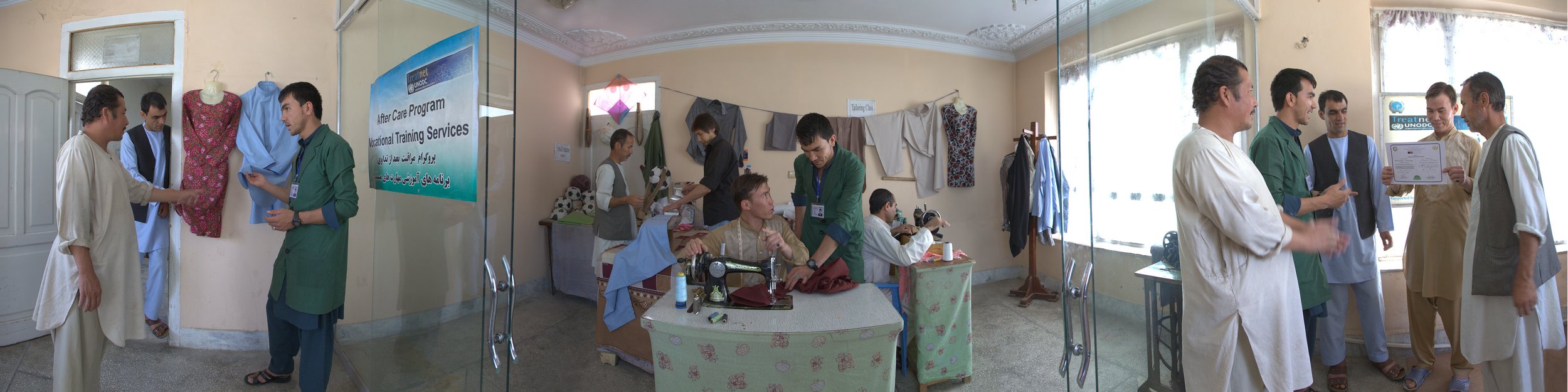
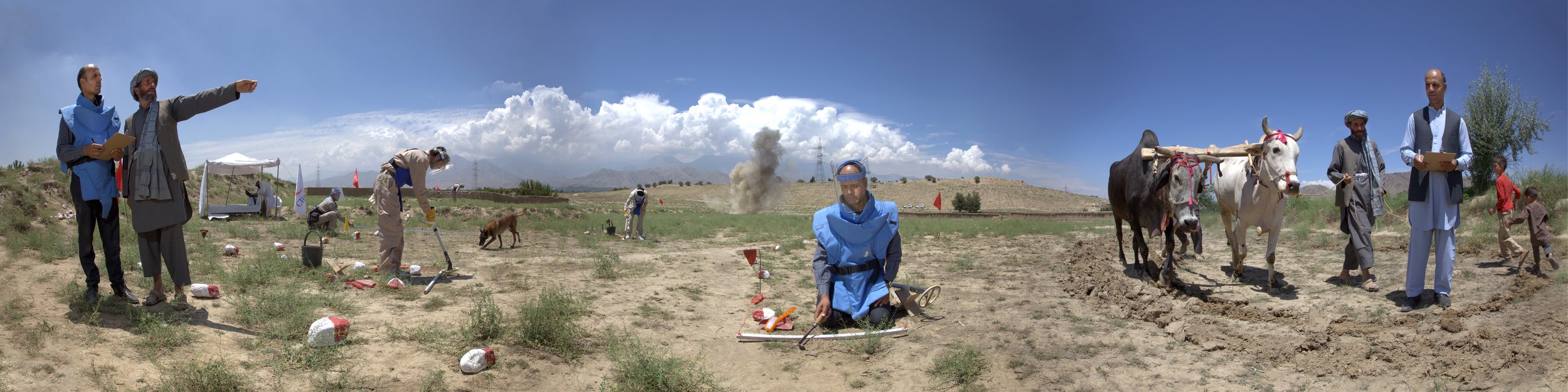
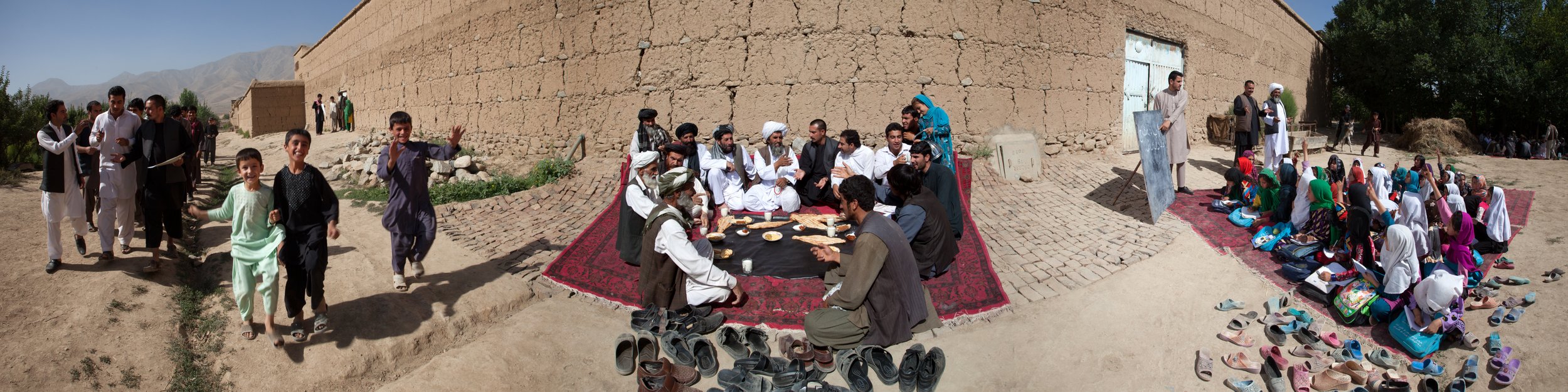
The United Nations has supported broader efforts to strengthen Afghan communities, public institutions and civil society. Its archived UN70 campaign, “Strong UN. Strong Afghanistan.”, presented stories of Afghan people contributing to their communities, along with messages, photographs and media about the organisation’s work. Any discussion of hotline assistance should recognise that the campaign is no longer active, while still considering the practical lessons that international partnerships can offer.
Why Hotline Access Matters In Afghanistan
Domestic violence can include physical assault, sexual violence, forced marriage, psychological abuse, economic control and threats against children. A caller may not describe what is happening as “domestic violence”, particularly if family pressure, community expectations or fear of retaliation shape the way she speaks. An operator needs to listen carefully rather than demand a legal label before offering help.
For many callers, privacy is difficult. A woman may share a home with relatives, have limited access to a personal phone, or be monitored by a spouse or family member. Calls can be interrupted, concealed numbers may create suspicion, and a return call may place someone at greater risk. Hotline procedures therefore need to include safe contact methods, discreet language, agreed code words where appropriate and clear rules about what information is recorded.
Access is also affected by geography and infrastructure. A caller in Kabul may face different options from someone in a rural district, while people living in areas affected by conflict may have limited transport, electricity or network coverage. Operators need current referral information for nearby health facilities, protection partners, emergency accommodation and legal assistance, rather than relying on a single national pathway.
The Skills Operators Need
Operator training should begin with survivor-centred communication. This means believing the caller, avoiding blame, explaining choices and allowing the person to decide what can safely happen next. An operator should not pressure a caller to confront an abusive partner, report immediately to authorities or return to a family home without considering the risks.
Risk assessment must be practical and calm. Training can cover immediate danger, recent escalation, access to weapons, threats to children, forced confinement, pregnancy, self-harm, stalking and the possibility that the perpetrator is listening. Operators should know how to respond when a caller is unable to speak freely, disconnects suddenly or provides only fragments of information.
Cultural and language competence is equally important. Afghan callers may communicate in Dari, Pashto or another local language, and some may prefer a female operator. Interpreters require their own confidentiality training, especially where a caller and interpreter share a community. Staff also need guidance on disability access, older women, displaced families, minority communities and people who face discrimination because of their identity or circumstances.
Building Trust Across Community Networks
A hotline cannot operate in isolation. Its referral network may include hospitals, midwives, community health workers, women’s organisations, shelters, lawyers, safe houses, social workers and trusted local leaders. Each referral should be tested for safety and availability. Sending a caller to an organisation that has closed, lacks transport or cannot protect confidentiality can increase danger and undermine trust.
Community engagement can help explain what a hotline does without exposing individual callers. Information may be shared through health centres, radio, schools, religious networks and women’s groups, using simple language and realistic promises. A service should never imply that every caller can receive a cash payment, relocation or immediate police protection if those options are not consistently available.
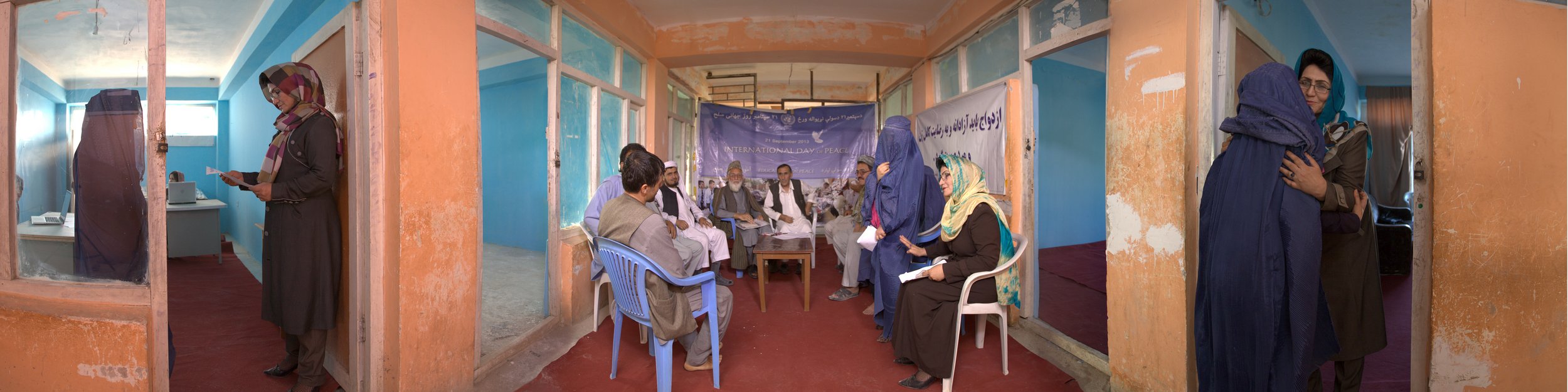
Dialogue also matters when community leaders are involved in prevention and referral work. A UN-supported interfaith peace dialogue illustrates the wider value of bringing different voices together around peace and community responsibility. Such engagement must protect survivor confidentiality and avoid treating mediation as a substitute for safety planning, accountability or specialist support.
Funding The People Behind The Phone
Funding a domestic violence hotline involves much more than paying for a telephone number. Budgets need to cover trained staff, supervision, telecommunications, secure data systems, interpreter access, referral coordination, quality assurance and staff wellbeing. If operators hear traumatic accounts every day without clinical supervision or rest, burnout can lead to rushed calls, poor judgement and staff turnover.
Donors should favour multi-year funding over short grants that support a launch but leave the service unstable. A reliable budget allows managers to retain experienced operators, maintain confidential premises and update referral directories. It also makes it possible to plan for network outages, emergency relocation, training refreshers and periods when demand rises.
Funding agreements should set useful safeguards. They can require clear safeguarding policies, complaints mechanisms, incident reporting, financial audits and meaningful participation by Afghan women’s organisations. Donors should measure service quality through indicators such as answered calls, safe referrals, language coverage, response times and caller feedback, while avoiding targets that pressure operators to end complex calls quickly.
Practical Budget Priorities
- Operator salaries, supervision and trauma-informed training
- Secure phone systems, backup power and data protection
- Interpreters, accessible formats and local travel support
- Referral agreements with health, legal and protection services
Training Topics Worth Funding
- Risk assessment and confidential safety planning
- Psychological first aid and non-judgemental listening
- Child safeguarding, forced marriage and sexual violence
- Managing interpreters, silent calls and emergency escalation
Accountability And Safe Information
A hotline collects sensitive information, so data protection must be designed into the service. Operators should record only what is necessary, explain why information is requested and obtain consent before sharing it, unless a clearly defined emergency or legal safeguarding rule applies. Paper notes, call logs and digital databases require controlled access and secure storage.
Monitoring should protect people rather than turn survivors into statistics. Useful reporting can show trends by language, location, age group and type of concern, but published figures must be aggregated and stripped of identifying details. Donors should ask whether women can use the service safely, whether referrals are completed and whether complaints are acted upon.
The political and operational environment may change quickly. Restrictions on women’s employment, movement and civil society activity can affect who is available to answer calls and which services remain open. A responsible programme needs contingency plans, remote supervision where safe, partnerships with trusted local organisations and a process for suspending referrals that have become unsafe.
Lessons from Australia can help shape questions about service standards, while avoiding the assumption that an Australian model can simply be transferred to Afghanistan. Australia’s 1800RESPECT service, state and territory domestic violence lines, and Aboriginal and Torres Strait Islander family violence services operate within different laws, infrastructure and funding arrangements. The relevant lesson is the value of coordinated systems, not a one-size-fits-all template.
What Australian Partners Should Consider
Australian organisations often work through competitive grants, government contracts and philanthropic funding. A Melbourne-based foundation or a Sydney-based international NGO may need to demonstrate safeguarding, financial controls and measurable outcomes before receiving support. Those requirements can be useful, but they should not force Afghan partners to spend more time on paperwork than on survivor services.
The Australian market also includes specialist communications, translation, cybersecurity and evaluation providers. Procurement should be transparent and proportionate, with local Afghan expertise weighted alongside formal credentials. A provider that understands the realities of Kabul, Herat or a remote province may be better placed than a large international contractor with polished reporting systems but limited local trust.
Practical comparisons with Australian communities can sharpen planning. A hotline supporting someone in Darwin may need to account for distance, limited transport and the specific needs of Aboriginal communities; a service in western Sydney may rely on multilingual staff and community health networks. Afghanistan has its own geographical, linguistic and social differences, so partners should fund local mapping instead of assuming that urban referral pathways work in rural areas.
Australian supporters should also use clear, respectful language. Terms such as “family violence”, “coercive control” and “safety planning” may have different meanings across settings. Plain English reporting, careful interpretation and direct conversations about risk are more useful than imported jargon. The aim is to strengthen Afghan-led services and decision-making, not to present international funding as the main source of expertise.
Measuring Whether Support Reaches Callers
A strong monitoring framework combines numbers with informed qualitative review. Call volume can indicate demand, but it does not show whether callers felt safe, understood their options or reached a suitable service. Managers can examine anonymised case reviews, referral completion, repeat contact, missed calls and patterns in silent or interrupted calls.
Operator feedback is essential. Staff may identify problems that a donor dashboard misses, such as a referral partner refusing women without male relatives, a phone network that fails at certain hours or a translation issue that changes the meaning of a disclosure. Regular debriefings should result in documented changes to scripts, training, referral lists and emergency protocols.
Survivors should have safe ways to comment on the service, although feedback must never be required in exchange for assistance. Independent safeguarding channels can help identify breaches of confidentiality, discrimination or inappropriate pressure. Complaints should be assessed promptly, with protection from retaliation and clear responsibilities for investigation.
For an Australian audience, the central funding question is straightforward: does each dollar increase safe, competent access for someone experiencing violence? A credible answer will include trained Afghan operators, dependable technology, realistic referral capacity and oversight that respects privacy. It will also recognise that continuity matters; a hotline that disappears when a short grant ends can leave callers with fewer options than before.
International support can contribute to safer domestic violence response when it is patient, locally led and grounded in the daily realities of Afghan women and families. Funders, UN partners, Afghan organisations and community networks should invest in operator wellbeing, confidential systems and referrals that work beyond the phone call. Supporting those foundations gives survivors a better chance to be heard and to reach protection without increasing the danger they face.