
Making a Difference
Faith, Dialogue and Peacebuilding in Afghanistan
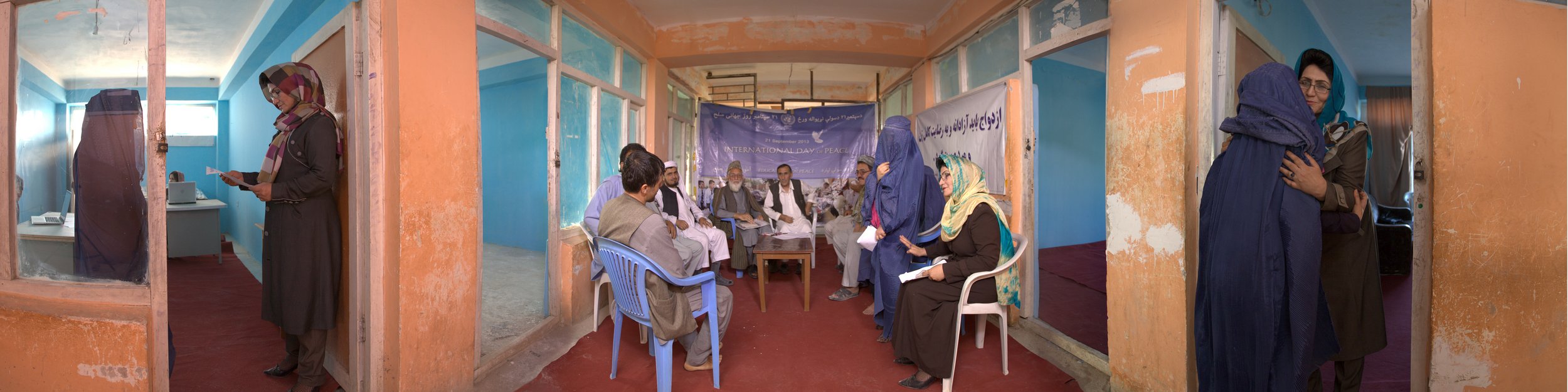
Peace in Afghanistan depends on more than political agreements or security arrangements. It also requires relationships across religious, ethnic and community lines, particularly where fear, displacement and long-standing grievances have weakened trust. Interfaith dialogue can create a space for people to listen, clarify misunderstandings and identify shared responsibilities.
Afghanistan’s religious life is diverse within a predominantly Muslim society. Sunni and Shia communities, religious scholars, tribal and community elders, women’s groups, young people and humanitarian organisations may hold different views about public life and social priorities. A carefully facilitated conversation can acknowledge these differences while focusing on dignity, safety, justice and the wellbeing of families.
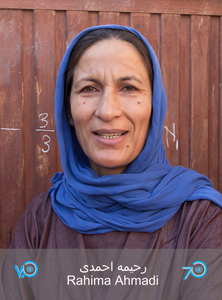
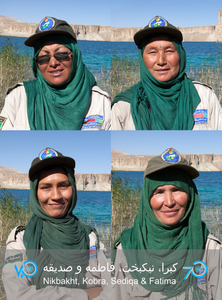
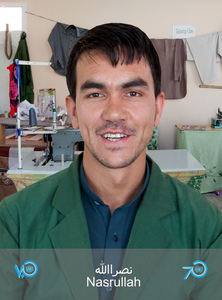
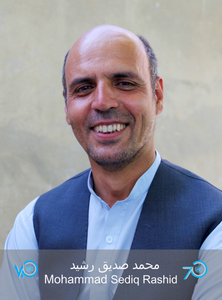
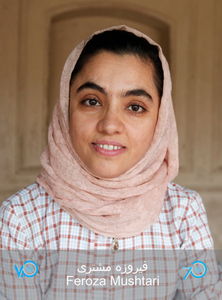
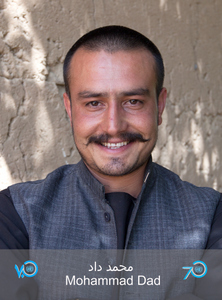
The United Nations has supported dialogue, mediation and community engagement as part of its broader work in Afghanistan. The UN70 campaign, presented through the UN Afghanistan campaign archive, highlighted Afghan people and their contributions under the message “Strong UN. Strong Afghanistan.” Although that campaign site is an archived snapshot rather than an active programme, its emphasis on local voices remains relevant to peacebuilding today.
Why Faith-Based Dialogue Matters
Religious leaders often have influence that reaches well beyond formal institutions. They may guide Friday prayers, teach in madrasas, advise families, settle disputes and communicate during emergencies. When respected scholars and community representatives speak against violence and support reconciliation, their words can carry weight in places where official messages are viewed with suspicion.
Interfaith dialogue does not require participants to dilute their beliefs or pretend that all theological positions are identical. Its purpose is to build a practical relationship across differences. Participants can discuss how religious teachings support the protection of civilians, the fair treatment of minorities, the safe return of displaced people and the peaceful resolution of local disputes.
In Afghanistan, these conversations must be grounded in local realities. A meeting in Kabul will face different pressures from one held in Bamyan, Herat, Kandahar or a remote district. Language, access, gender norms, security conditions and local authority structures all shape who can participate and what can be said safely. National frameworks are useful, but peacebuilding becomes credible when it responds to the experience of each community.
Women and young people also need meaningful roles rather than symbolic invitations. Women frequently manage household survival, support displaced relatives and maintain neighbourhood networks. Young Afghans make up a large part of the population and are often affected by unemployment, interrupted education and online misinformation. Their perspectives can help dialogue address the causes of tension before disputes become violent.
How The United Nations Can Support Trust
UN facilitation is most effective when it helps Afghan participants lead the process. The organisation can convene discussions, offer neutral venues, provide translation, document shared commitments and connect local concerns with national decision-makers. It can also help participants assess risks, protect confidentiality and ensure that a meeting does not expose minority or vulnerable voices to retaliation.
A facilitator’s neutrality does not mean ignoring harm. Dialogue should be linked to human rights principles and the protection of civilians. Participants need room to raise concerns about discrimination, forced displacement, sectarian hostility, gender-based violence and restrictions affecting access to education, work or health services. A process that asks marginalised people to remain silent may produce agreement in the room while leaving the underlying conflict untouched.
Effective facilitation also involves patient preparation. Before a public gathering, organisers may need separate consultations with elders, scholars, women’s representatives and youth leaders. They can identify sensitive language, clarify expectations and decide how disagreements will be managed. In some cases, a series of smaller conversations is safer and more productive than one highly visible event.
The UN can reinforce local efforts by linking dialogue to practical peace dividends. A community conversation might lead to cooperation over water access, school safety, humanitarian distribution or the return of displaced households. These tangible outcomes show that respectful communication has value beyond the meeting itself.
Building Conversations That Reach Communities
A durable dialogue process should include people who are often excluded from formal negotiations. Religious scholars are important participants, yet they should sit alongside community health workers, teachers, traders, people with disabilities, internally displaced families and representatives of minority communities. Broad participation helps prevent a small group of influential men from speaking for an entire province.
Trust grows when organisers communicate clearly about the purpose of a meeting. Participants should know whether the gathering is intended to share information, mediate a specific dispute, develop a joint statement or create an ongoing network. Unclear goals can lead to disappointment, while exaggerated promises may make communities less willing to participate in future initiatives.
Practical safeguards are equally important. Meetings should consider safe travel, accessible locations, interpretation, privacy and the timing of religious observances. Where women cannot attend mixed gatherings, separate consultations may provide a pathway for their views to reach the wider process. Digital communication can extend the conversation, but it should never be treated as a substitute for people who lack reliable internet access or fear surveillance.
A strong process also recognises that reconciliation may take time. Participants may begin with shared statements about peace, then move towards joint community activities and eventually address difficult grievances. Progress can be measured through improved communication, fewer retaliatory incidents, functioning referral systems and greater confidence in local mediation—not simply through a single public ceremony.
Practical Foundations For Local Dialogue
- Agree on respectful language, confidentiality and rules for disagreement
- Include women, youth, minority communities and displaced people
- Provide interpreters and safe ways to share concerns
- Connect discussion to specific community needs
Dialogue should also be documented carefully. Public summaries can record areas of agreement without revealing sensitive personal details. Private records may help facilitators follow up on commitments, while community feedback can identify whether promises have been implemented. Transparency builds credibility, provided it does not compromise safety.
Lessons For Australian Communities
Australian audiences can understand the value of interfaith engagement through everyday local experience. In Sydney’s western suburbs, Melbourne’s northern neighbourhoods, Perth’s growing migrant communities and Adelaide’s multicultural districts, people from different faiths often share schools, workplaces, sporting clubs, shopping centres and public transport. These ordinary points of contact can become foundations for trust when community organisations create space for deeper conversation.
Everyday habits matter. A shared meal after a community forum, a conversation over coffee, volunteering at a food bank or cooperation through a local football club can make religious diversity familiar rather than intimidating. Afghan Australian families may maintain connections with relatives overseas while also participating in local mosques, neighbourhood houses, schools and cultural associations. These networks can contribute to informed discussion about peace in Afghanistan without placing responsibility for an international crisis on diaspora communities.
Australia’s local market also provides useful examples of practical coexistence. Halal butchers, Afghan bakeries, multicultural grocers and weekend markets bring together customers with different backgrounds. Buying bread, sharing a meal or supporting a small business does not resolve conflict, yet these interactions can challenge stereotypes and create relationships that make difficult conversations less threatening.
Australian law provides a framework for respectful participation. The Racial Discrimination Act 1975 protects people from discrimination based on race, colour, descent or national or ethnic origin, while the Religious Discrimination Act 2022 addresses certain forms of discrimination because of religious belief or activity. These laws do not remove social prejudice, and they do not make Australian experiences identical to those in Afghanistan. They do, however, demonstrate why clear protections and accountable institutions matter when communities negotiate difference.
Afghan Australian organisations, universities, faith communities and local councils can support informed engagement by hosting briefings, cultural events and carefully moderated discussions. Their role should be grounded in listening to people with direct knowledge of Afghanistan. Australian participation is most constructive when it supports Afghan-led priorities rather than assuming that models developed in Sydney, Melbourne or Canberra can simply be transferred elsewhere.
Measuring Peace Beyond Public Statements
Interfaith peacebuilding needs realistic measures of success. A joint declaration may be valuable, but it is only an early sign of progress. More meaningful indicators include whether community leaders continue communicating after a crisis, whether rumours are corrected before they trigger violence and whether local disagreements are referred to trusted mediators instead of armed actors.
Monitoring should examine who benefits from the process. Are women able to raise concerns safely? Can Shia and Sunni participants speak without intimidation? Are displaced people included in decisions about return and aid? Do young people have opportunities to challenge extremist narratives? These questions help distinguish genuine inclusion from a formal event designed mainly for publicity.
The United Nations and its partners can support evaluation through confidential interviews, community feedback and conflict-sensitive reporting. Data should be disaggregated where safe and appropriate, while protecting participants from exposure. Local organisations are often best placed to recognise subtle changes, such as reduced hostility in sermons, increased cooperation between schools or a decline in inflammatory messaging.
Signs Of Sustained Community Trust
- Religious leaders maintain contact during periods of tension
- Local disputes are referred to non-violent mediation
- Women and young people influence decisions, not just attendance
- Community commitments receive visible follow-up
Peacebuilding also requires honesty about limits. Interfaith dialogue cannot independently resolve armed conflict, economic hardship, governance disputes or restrictions on rights. It can, however, reduce the social distance that allows violence to spread. By creating channels for communication, it may help communities respond collectively when a rumour, attack or political crisis threatens to divide them.
The strongest initiatives connect national diplomacy with neighbourhood relationships. A conversation among senior religious figures may open doors, while local facilitators translate broad principles into action. Humanitarian agencies, civil society groups and community elders can then reinforce those commitments through services, education and protection work.
Afghan peace efforts deserve sustained attention from governments, international organisations, faith leaders, researchers and diaspora communities. Australians can contribute by learning from Afghan voices, supporting credible community organisations, challenging religious prejudice and making room for constructive discussion in local institutions. The goal is not to speak over Afghan communities, but to stand alongside efforts that place their safety, dignity and agency at the centre.
Support spaces where Afghan, Muslim and other faith communities can meet with respect and practical purpose. Share reliable information, encourage local leaders to include under-represented voices and back initiatives that connect dialogue with protection and community needs. Peace becomes more possible when trust is treated as shared work—built patiently in villages, cities, families and communities across borders.