
Making a Difference
Reintegrating Ex-Combatants Through Skills and Opportunity
Reintegrating former combatants is a long-term peacebuilding task. Leaving an armed group does not automatically provide a livelihood, social acceptance, or a secure place within civilian life. In Afghanistan, vocational training programs supported by the United Nations have been part of a broader effort to connect ex-combatants with employment, community networks, and practical pathways away from conflict.
The strongest programs treat reintegration as more than a short training course. They combine skills development with counselling, documentation, job placement, small-business support, and community dialogue. This approach recognizes that former fighters may face damaged reputations, limited education, trauma, displacement, and distrust from employers or neighbors.
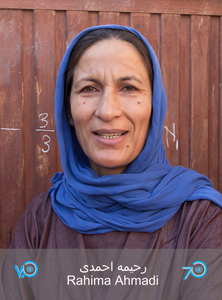
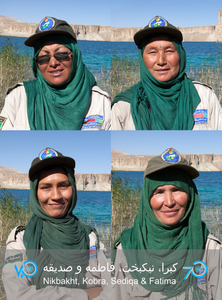
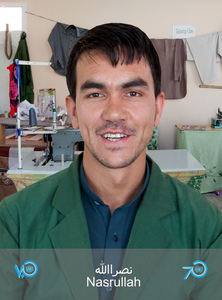
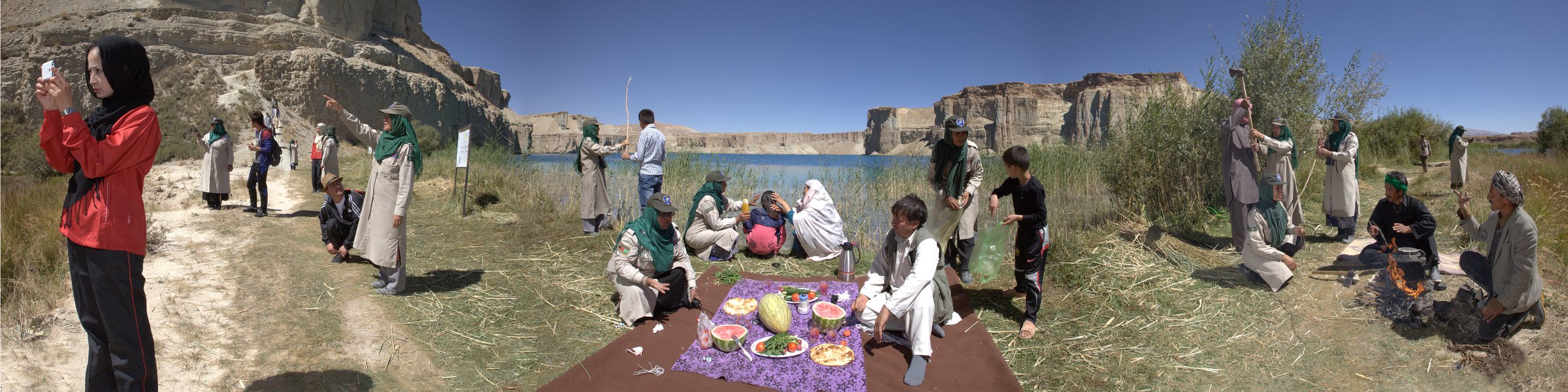
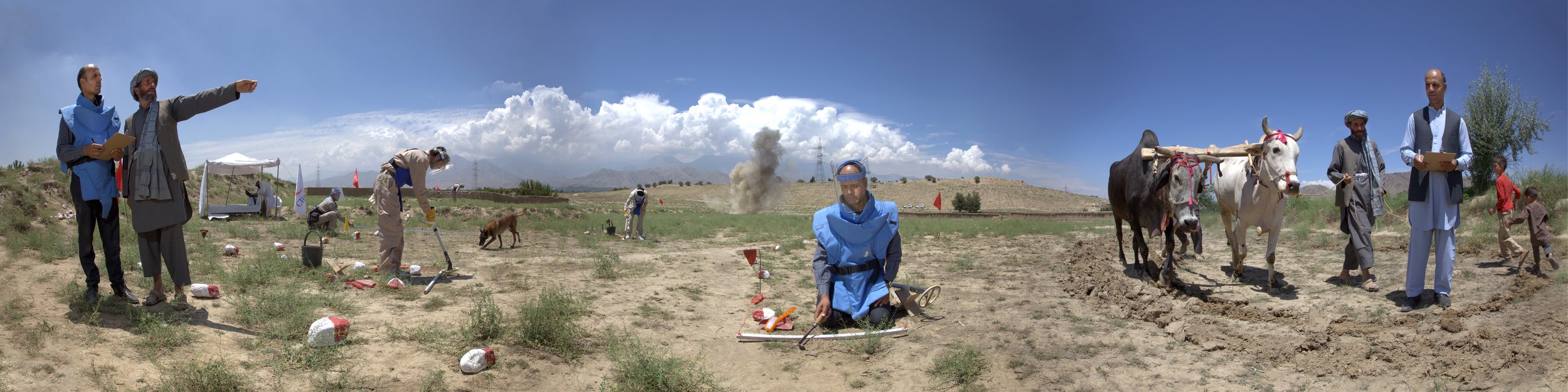
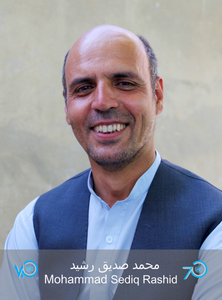
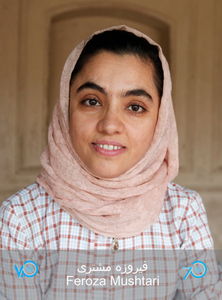
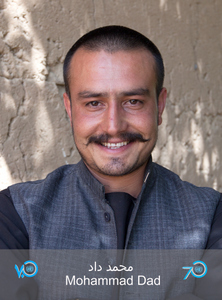
The archived UN Afghanistan campaign, “Strong UN. Strong Afghanistan.”, highlighted Afghan people whose work contributed to recovery and public life. That wider message is relevant to reintegration: peace becomes more credible when people can use their abilities to repair homes, earn lawful incomes, support families, and contribute to their communities.
Why Reintegration Matters After Conflict
Disarmament can remove weapons from circulation, but it does not resolve the economic and social conditions that helped sustain conflict. A former combatant who has no income, few marketable skills, and no accepted role may remain vulnerable to recruitment, criminal activity, or renewed violence. Reintegration programs reduce those risks by creating realistic alternatives.
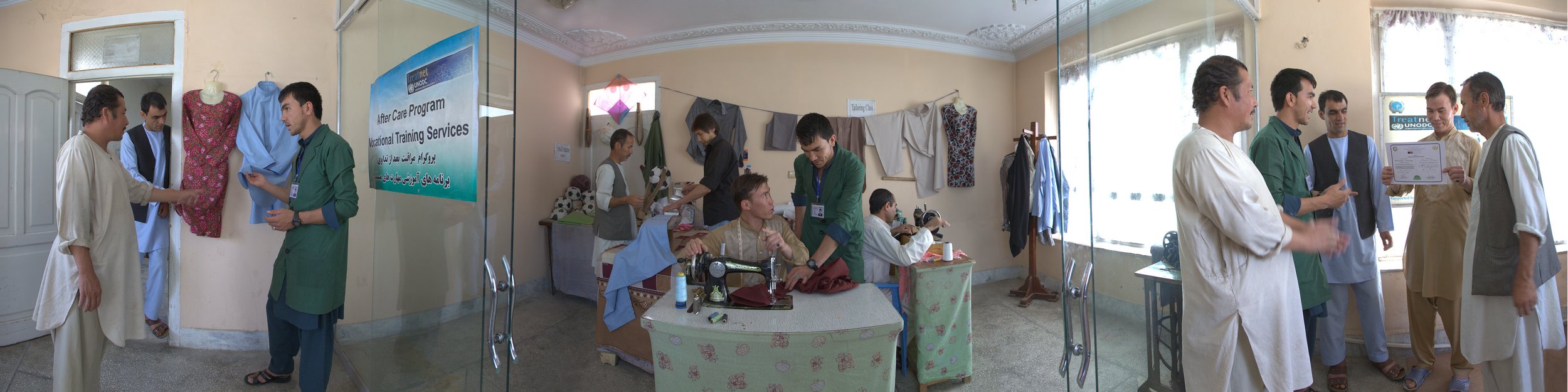
Vocational education can provide a bridge between a former military identity and civilian employment. Training in construction, carpentry, electrical work, agriculture, vehicle repair, tailoring, information technology, or food processing can turn existing practical experience into lawful work. The right course depends on local demand, security conditions, available tools, and the participant’s education level.
Income matters, but dignity matters too. A person who earns through skilled work can rebuild relationships with relatives and neighbors while demonstrating a constructive role in public life. For communities, visible employment and useful services can make the peace process feel tangible rather than remote or political.
From Disarmament to Civilian Livelihoods
UN-supported reintegration commonly forms part of a larger disarmament, demobilization, and reintegration framework. Disarmament addresses weapons, demobilization helps people leave organized armed structures, and reintegration supports their transition into civilian life. These stages overlap, and vocational training is most effective when it is connected to the other forms of assistance.
Assessment should begin before a participant enters a workshop. Program staff need to understand age, education, previous experience, health, family responsibilities, location, mobility, and career interests. They also need to examine whether a chosen trade has customers and whether graduates can access equipment, materials, transport, and safe workplaces.
A short course may be appropriate for someone who already has practical experience, while another participant may need literacy, numeracy, or foundational education first. Apprenticeships and supervised work can deepen learning after classroom instruction. Business coaching, savings groups, and access to modest start-up grants can help participants turn training into a functioning livelihood instead of an unused certificate.
Training Built Around Local Demand
Afghanistan’s labor markets differ sharply between provinces, districts, cities, and rural communities. A training center that teaches a popular trade without considering local purchasing power may produce graduates who cannot find work. Market assessments should therefore precede course design and should be updated as conditions change.
Construction and repair skills can be valuable where communities are rebuilding homes, roads, irrigation channels, clinics, or schools. Agricultural training may be more suitable in rural areas, particularly when combined with water management, livestock care, food storage, or greenhouse production. In urban settings, mobile-phone repair, solar installation, tailoring, bookkeeping, and computer services may offer different opportunities.
Afghan professionals also demonstrate how technical expertise can support recovery at a wider scale. Stories about engineers rebuilding infrastructure show why practical skills are connected to public services, local confidence, and national reconstruction. Reintegration programs can draw on this same principle by linking individual training to visible community needs.
| Training pathway | Possible civilian use | Support needed after training |
|---|---|---|
| Construction and masonry | Housing, schools, clinics, and public facilities | Tools, safety instruction, apprenticeships, and contractor links |
| Electrical and solar installation | Household power, pumps, and small businesses | Equipment, certification, and access to reliable suppliers |
| Agriculture and livestock | Crop production, animal care, and food processing | Land or cooperative access, inputs, and market connections |
| Vehicle and machinery repair | Transport, farm equipment, and workshop services | Diagnostic tools, spare parts, and supervised practice |
| Tailoring and textile work | Household clothing, uniforms, and local orders | Sewing machines, materials, design skills, and customer networks |
| Digital and business services | Data entry, bookkeeping, communications, and retail support | Literacy, connectivity, mentoring, and safe workspaces |
Support Around the Classroom
Skills training cannot carry the full burden of reintegration. Former combatants may need psychosocial support to manage grief, anger, fear, or trauma. Counselling does not replace employment assistance; it can make participation, decision-making, and conflict management more effective.
Documentation is another practical concern. A participant may lack an identity document, proof of residence, educational records, or a bank account. Without these basics, access to formal employment, further education, contracts, or financial services becomes harder. Programs should help participants navigate administrative requirements while protecting personal information and avoiding unnecessary exposure.
Women and families require deliberate consideration. Female relatives may depend on a former combatant’s income, while women associated with armed groups may have their own reintegration needs and may face additional stigma. Training schedules, safe transport, childcare, and women-led enterprises can make assistance more accessible. Programs should also avoid assigning all household responsibility to men or assuming that every participant has the same family structure.
Communities at the Center
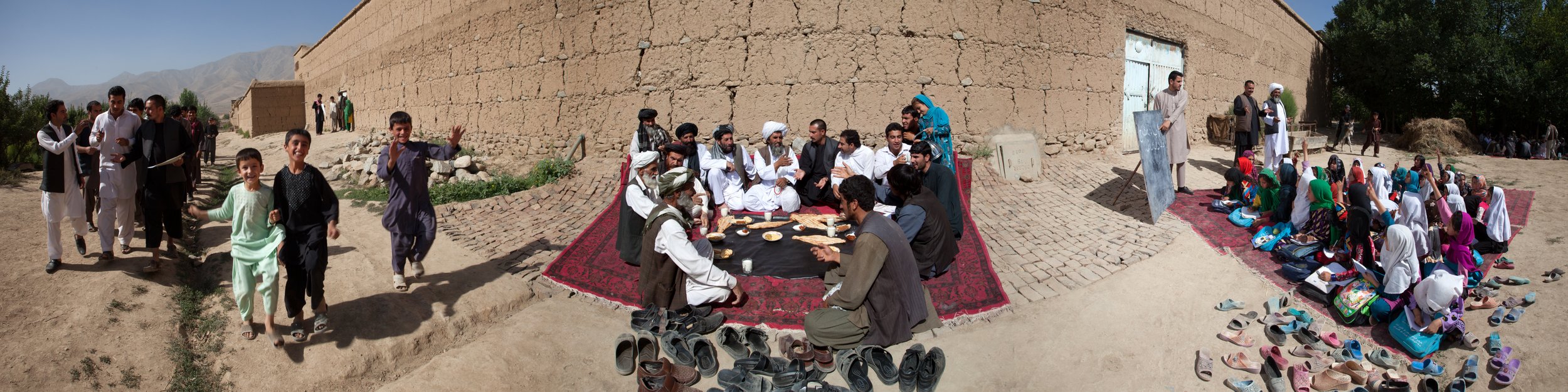
Reintegration succeeds when communities see benefits and have a voice in the process. Local councils, elders, religious leaders, employers, civil society groups, and service providers can help identify useful trades and mediate concerns. Their involvement should support acceptance without forcing survivors or victims to forgive, forget, or participate in unsafe encounters.
Community-based projects can create a shared purpose. Graduates might repair irrigation systems, restore public buildings, improve roads, or produce goods for local institutions. Such work allows former combatants to contribute visibly while meeting a real need. It also reduces the perception that assistance is a private reward for people who once carried weapons.
Fairness must remain central. Communities affected by violence may resent benefits that appear to favor ex-combatants over victims, displaced families, or unemployed young people. Where possible, training initiatives can include vulnerable civilians alongside eligible former combatants, with transparent selection rules and separate services when specific reintegration support is required.
Trust develops gradually. Clear communication about eligibility, assistance, timelines, and complaints procedures helps prevent rumors. Independent monitoring and confidential reporting channels can address exploitation, corruption, discrimination, or pressure to join unsafe activities.
Measuring Lasting Reintegration
Counting enrollment and graduation provides useful information, but it does not show whether reintegration is durable. Programs should track employment, income stability, business survival, continued education, household welfare, and participant safety several months after training ends. Follow-up visits can reveal whether graduates have tools, customers, transport, and a supportive working environment.
Social indicators are equally important. A former combatant may be earning money but remain isolated from neighbors or exposed to threats from former associates. Monitoring can examine participation in community activities, family relationships, dispute resolution, and perceptions of safety. Data should be collected ethically, with informed consent and safeguards for sensitive histories.
Results should be disaggregated by sex, age, disability, location, and displacement status. This can show whether training reaches people who face additional barriers. It can also reveal which trades produce meaningful employment and which courses need revision. Flexible programs learn from evidence instead of repeating a fixed model across very different communities.
The UN’s role may include coordination, technical assistance, funding partnerships, monitoring, and support to Afghan institutions and local organizations. Durable progress depends on national ownership. International assistance should strengthen local instructors, employers, public agencies, and community groups so that skills development can continue beyond a single project cycle.
Priorities for Responsible Programs
A practical reintegration initiative should connect economic opportunity with protection, accountability, and community recovery. The following priorities help keep vocational training grounded in real conditions:
- Conduct local labor-market assessments before selecting trades or building training schedules.
- Combine technical instruction with literacy, life skills, psychosocial care, and employment services.
- Provide tools, apprenticeships, business mentoring, and market access rather than stopping at certification.
- Include women, vulnerable civilians, people with disabilities, and displaced households through accessible program design.
- Establish transparent eligibility rules, confidential complaints systems, and independent monitoring.
- Measure employment, income, safety, social acceptance, and community benefits over time.
These priorities also help avoid a common weakness in short-term programming: treating a course completion ceremony as the end of reintegration. The real test comes when a graduate must find a customer, join a team, support a family, or resolve a disagreement without returning to violence.
Turning Skills Into a Peace Dividend
Vocational training can become a peace dividend when it produces work that people can see and trust. A repaired water system, a functioning workshop, a productive farm, or a newly trained electrician connects personal recovery with public benefit. These outcomes give communities concrete reasons to support peaceful civilian identities.
The process requires patience. Security restrictions, weak markets, limited infrastructure, displacement, and political uncertainty can interrupt training or employment. Programs need contingency plans, local partnerships, and realistic expectations. Small gains, such as a stable apprenticeship or a cooperative that survives its first year, can be important building blocks for broader recovery.
For the United Nations and its Afghan partners, reintegration is therefore both an individual and collective responsibility. Former combatants need the means to change direction, while communities need support to absorb that change safely and fairly. When vocational education is linked to dignity, accountable institutions, and community priorities, it can help transform the end of armed participation into a lasting contribution to Afghanistan’s future.
Support credible peacebuilding by sharing evidence-based information about skills development, community recovery, and the Afghan people working for a more stable country. Engage with UN Afghanistan’s documented stories and public resources, and help keep attention focused on pathways that turn practical ability into lawful livelihoods and stronger communities.