
Making a Difference


Afghan Engineers Rebuild With UN Support
Afghanistan’s infrastructure carries the physical marks of decades of conflict, displacement, natural disasters and underinvestment. Roads, bridges, water networks, schools, health facilities and irrigation systems have often needed repair at the same time that communities face poverty, drought and restricted access to essential services. Rebuilding therefore requires more than construction materials. It depends on local expertise, sound planning and partnerships that connect national priorities with community needs.
Afghan engineers are central to that work. They understand the terrain, climate, building traditions and practical constraints that shape every infrastructure project. Their knowledge helps transform a design on paper into a safe water point, a functioning road link, a repaired canal or a public building that communities can use for years.
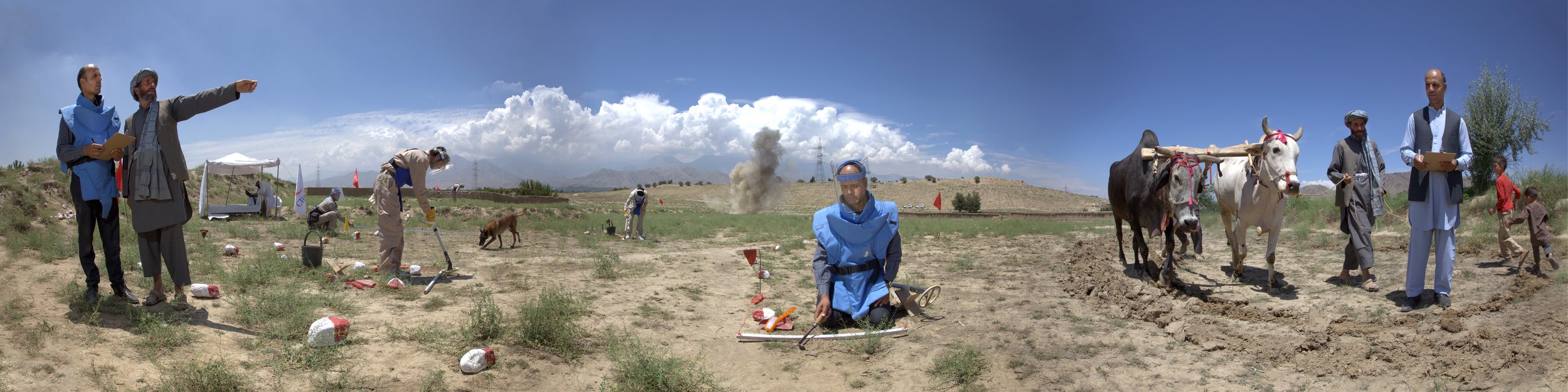
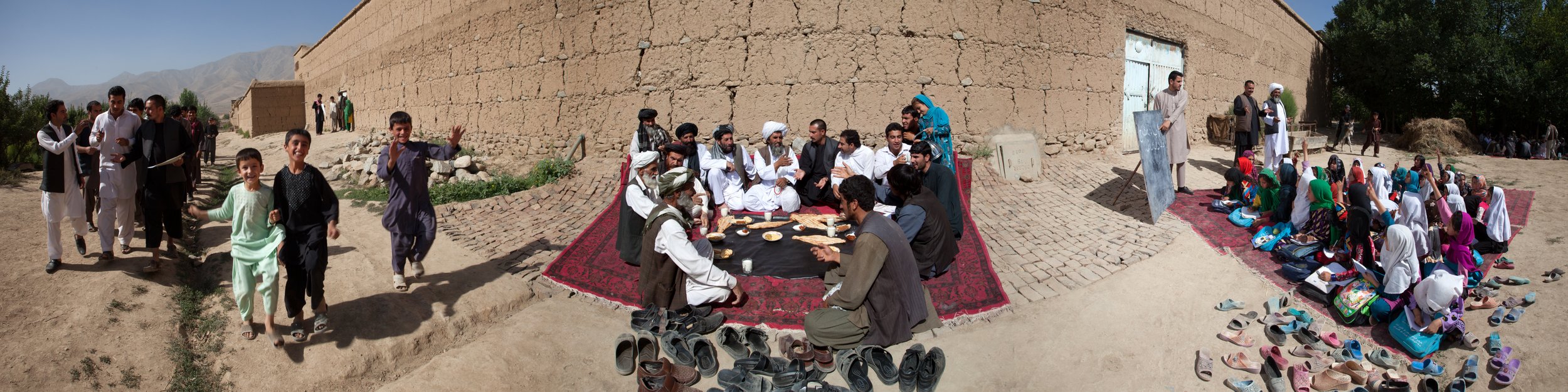
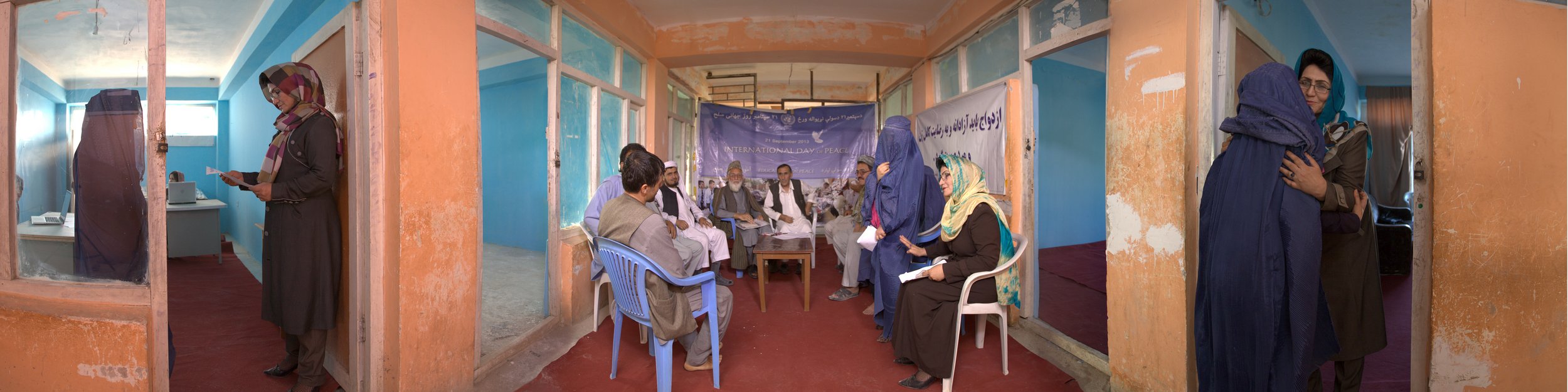
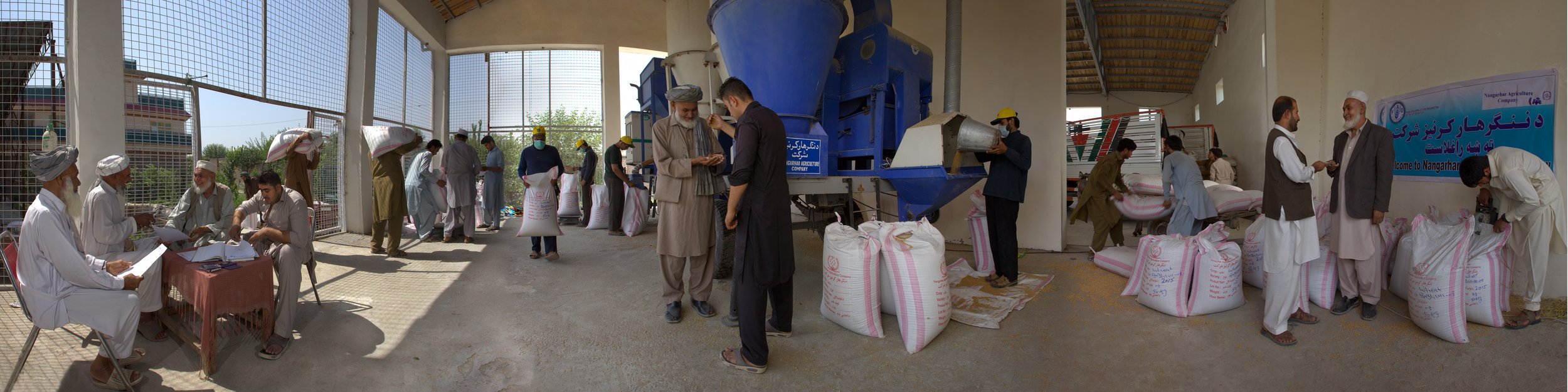
The United Nations has supported this effort through humanitarian, development and recovery programmes. Its role has included technical assistance, project management, procurement, training, coordination and support for Afghan institutions and local organizations. The UN70 “Strong UN. Strong Afghanistan.” campaign, presented through the archived UN Afghanistan website, highlighted Afghan people whose skills and commitment contributed to a stronger future.
Why Infrastructure Matters To Afghanistan
Infrastructure determines how easily people reach markets, schools, clinics and administrative services. A damaged bridge can isolate villages during the rainy season. An unreliable water system can increase disease risks and place a heavier burden on women and girls, who frequently collect water for their households. Poor roads raise transport costs and make it harder for farmers to sell crops or obtain seeds and equipment.
Reliable public infrastructure also supports stability. When communities can access clean water, electricity, education, health care and safe transport, they have stronger foundations for economic activity and social cooperation. Small-scale improvements can produce significant results: a rehabilitated irrigation canal may protect harvests, while a repaired rural road can connect producers with a nearby market.
Afghanistan’s physical environment makes engineering especially demanding. Mountainous terrain, seasonal flooding, earthquakes, drought and extreme temperatures can damage structures or complicate construction. Projects must account for local geology, water availability, maintenance capacity and the materials that can be obtained nearby. Afghan professionals bring essential insight into these conditions.
Afghan Expertise At The Centre
Engineers working in Afghanistan contribute across the full project cycle. They survey locations, assess damage, prepare designs, estimate quantities, supervise construction and check whether completed works meet safety requirements. Their responsibilities may also include environmental assessment, contract oversight, quality control and coordination with local authorities.
Local engineering knowledge helps international partners avoid unsuitable solutions. A standard design may need adjustment for a steep valley, a flood-prone district or a settlement with limited access to spare parts. Afghan engineers can identify construction methods that fit local skills and recommend materials that communities will be able to repair or replace.
Professional experience is also passed through teams. Training in surveying, construction supervision, water management, procurement and occupational safety can strengthen the wider workforce. When Afghan technicians, contractors and engineers gain experience in transparent project systems, the benefits continue beyond one individual project.
The UN70 campaign’s focus on Afghan individuals is important in this context. It presents national reconstruction through the people who make it possible, rather than treating Afghanistan’s recovery as a purely external undertaking. The message is that Afghan capability, supported by effective partnerships, is a foundation for lasting progress.
How UN Partnerships Support Construction
UN agencies and programmes have different mandates, yet infrastructure work often requires them to cooperate. A project may involve humanitarian actors responding to urgent needs, development specialists planning longer-term services, and local authorities responsible for operation and maintenance. Coordination helps reduce duplication and connect immediate repairs with durable solutions.
Support can take several forms. The UN may help assess needs, develop technical specifications, identify contractors, manage procurement, monitor implementation or provide engineering advice. It may also support community consultations so that residents understand a project’s purpose and can raise concerns about land, access, safety or future maintenance.
Infrastructure assistance can be delivered through projects that improve water and sanitation systems, rehabilitate irrigation, restore public buildings, upgrade rural access routes or support schools and health facilities. In areas affected by displacement or disaster, the emphasis may be on restoring essential services quickly. In development settings, the focus can shift toward resilience, local economic growth and institutional capacity.
The strongest arrangements give Afghan institutions and communities meaningful responsibilities. A community water committee, for example, may help choose a site, oversee construction and organize maintenance contributions. Government departments may set technical standards and integrate a completed facility into public services. UN support is most useful when it strengthens these systems rather than creating a parallel structure that disappears when funding ends.
From Design To Durable Community Assets
A successful infrastructure project is measured by its use over time, not simply by the completion of construction. Engineers must consider how a facility will operate after contractors leave. Water pumps require maintenance and replacement parts. Roads need drainage and periodic repair. Schools need safe access, adequate sanitation and buildings that can withstand local weather.
This long-term view is especially important in rural areas. A road embankment without proper drainage may wash away during a single flood. An irrigation scheme may fail if water rights are unclear or if farmers lack the means to clear sediment. A solar installation may stop working when batteries reach the end of their service life. Technical design must therefore be matched with management arrangements and realistic budgets.
Community participation improves the chances of durability. Residents can identify seasonal access problems, customary land arrangements and locations that are unsafe or impractical. Women and marginalized groups may offer information that is missed in meetings dominated by local power holders. Inclusive consultation helps ensure that infrastructure serves the people who depend on it.
Engineers also contribute to risk reduction. Designs can include flood channels, retaining walls, seismic considerations, water conservation measures and safer building layouts. In a country exposed to climate pressures and natural hazards, resilience is part of basic engineering responsibility.
| Project area | Engineering contribution | Community benefit | Long-term requirement |
|---|---|---|---|
| Rural roads and bridges | Site assessment, drainage design, construction supervision and safety checks | Better access to markets, schools and health services | Routine maintenance and flood protection |
| Water supply and sanitation | Source studies, network design, water-quality safeguards and system testing | Safer water and improved public health | Local management, spare parts and financing |
| Irrigation and watershed works | Canal rehabilitation, flow assessment and erosion control | More reliable farming and protection of livelihoods | Water governance and seasonal upkeep |
| Schools and health facilities | Structural assessment, accessible layouts and construction quality control | Safer, more usable public services | Staffing, utilities and facility maintenance |
| Energy and community services | Solar or grid-related design, installation oversight and equipment planning | Improved lighting, communications and service delivery | Battery replacement, technical support and funding |
Building Resilience Through Local Systems
Afghanistan’s infrastructure needs cannot be addressed through isolated projects. Roads connect to markets; water systems connect to public health; electricity affects schools, clinics and local businesses. A coordinated approach helps communities gain greater value from each investment.
Climate resilience is becoming increasingly important. Drought can reduce water availability, while intense rainfall can destroy roads and contaminate supplies. Engineers need reliable data and flexible designs that respond to changing conditions. Water-efficient irrigation, rainwater management, protected springs and stronger drainage are examples of measures that can reduce future losses.
Local procurement can support this effort when it is conducted transparently and according to technical standards. Purchasing materials and services within Afghanistan may shorten supply chains and create work for local firms. It also makes it easier to find people who can maintain a system after installation. At the same time, quality assurance is essential: low-cost construction that fails quickly is not a sustainable saving.
The UN’s convening role can help align donors, public institutions, implementing partners and communities around shared priorities. Clear information about budgets, responsibilities and expected results builds trust. Monitoring and independent verification help demonstrate whether projects are reaching intended users and meeting engineering requirements.
Skills, Opportunity And Professional Standards
Reconstruction creates an opportunity to expand Afghanistan’s technical workforce. Engineering firms, vocational institutions, universities and public departments all have a role in developing skills. Practical training is particularly valuable when it is connected to active projects and includes supervision by experienced professionals.
Women engineers and technicians also matter to the future of infrastructure. Their participation can broaden the talent pool and improve communication with women in communities, particularly on water, sanitation, health and education projects. Barriers to professional participation limit the country’s ability to respond to its own infrastructure needs.
Professional standards protect both workers and the public. Construction sites require appropriate safety equipment, clear procedures and attention to hazardous materials. Designs should follow applicable building and environmental standards, while procurement should be based on competence and performance rather than informal influence.
The UN can support these goals by creating opportunities for Afghan professionals to work alongside technical advisers, access training and participate in monitoring. Such partnerships are most effective when they transfer knowledge and responsibility. Afghan engineers should be recognized as decision-makers and practitioners, not simply as assistants to international teams.
Lessons From A People-Centred Campaign
The UN70 “Strong UN. Strong Afghanistan.” campaign placed individual Afghan stories within a wider message about partnership. Although the campaign website is now an archived snapshot and the campaign has ended, its underlying theme remains relevant: national progress is shaped by people who contribute their skills, persistence and leadership.
Infrastructure stories can sometimes focus heavily on budgets, contracts and physical outputs. Those details matter, yet they do not show the full human effort behind a project. An engineer checking a bridge foundation, a technician testing a water network and a community member organizing maintenance all influence whether an investment becomes a lasting public asset.
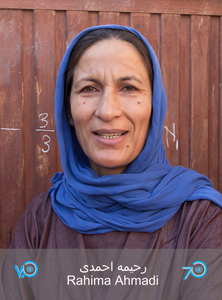
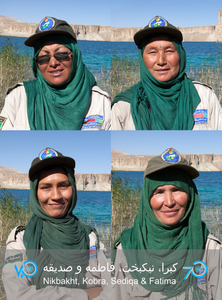
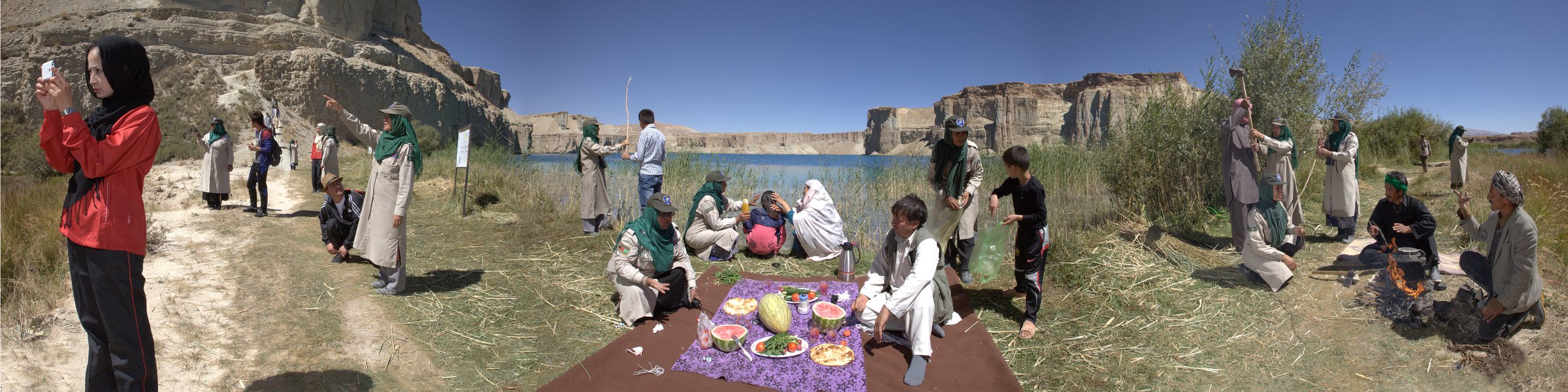
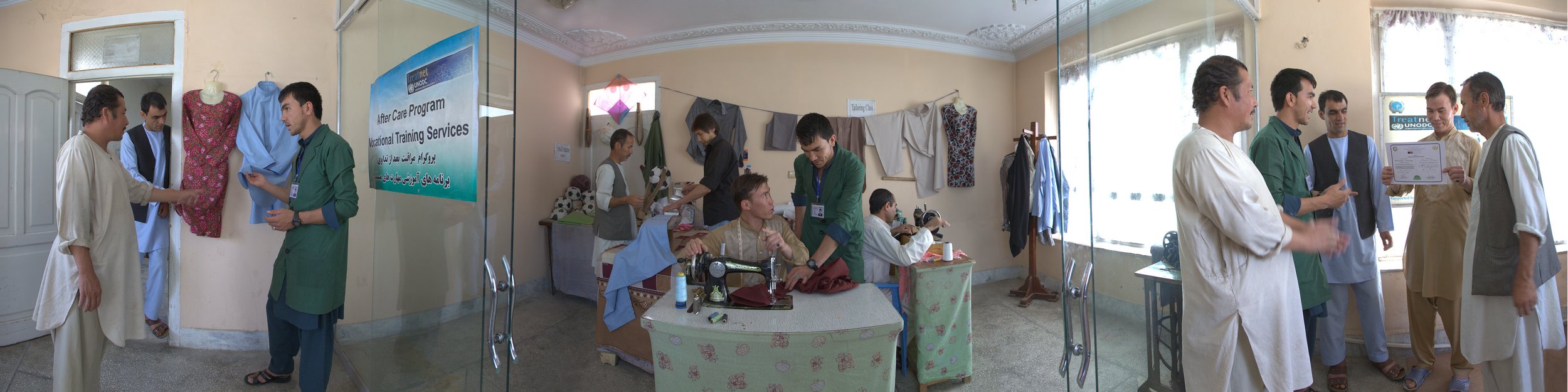
The campaign’s photographs, messages and stories also reflected the value of visibility. Recognizing Afghan contributions can strengthen public confidence and encourage young people to see engineering, construction management, environmental science and public service as meaningful career paths.
For future infrastructure programmes, this people-centred perspective offers a practical lesson. Projects should document local expertise, publish clear results and give communities a visible role in shaping priorities. The record of reconstruction should show how Afghan professionals and residents helped build, repair and protect the systems on which daily life depends.
Afghan engineers rebuild more than physical structures. Through careful design, field knowledge and collaboration, they help restore links between communities and services. UN support can reinforce that work by bringing technical resources, coordination and international partnership while keeping Afghan ownership at the centre.
Readers can explore the archived UN Afghanistan campaign materials, learn about the people featured in “Strong UN. Strong Afghanistan.” and follow current United Nations information through official UN channels. Sharing these stories helps recognize the expertise behind Afghanistan’s recovery and keeps attention focused on infrastructure that serves communities safely, fairly and for the long term.