
Making a Difference



Food for peace through school meals in Afghan provinces
In Afghanistan, a school meal can carry significance far beyond the food placed in a child’s hands. A bowl of fortified porridge, a packet of dates, or a serving of wheat may help a student concentrate in class, encourage regular attendance, and ease pressure on a household facing displacement, drought, unemployment, or rising food prices.
United Nations school feeding programmes have therefore operated at the intersection of nutrition, education, livelihoods, and community stability. In provinces where families have struggled to secure enough food, meals at school have helped make learning more accessible, particularly for children in rural districts and for girls whose education has faced severe restrictions.
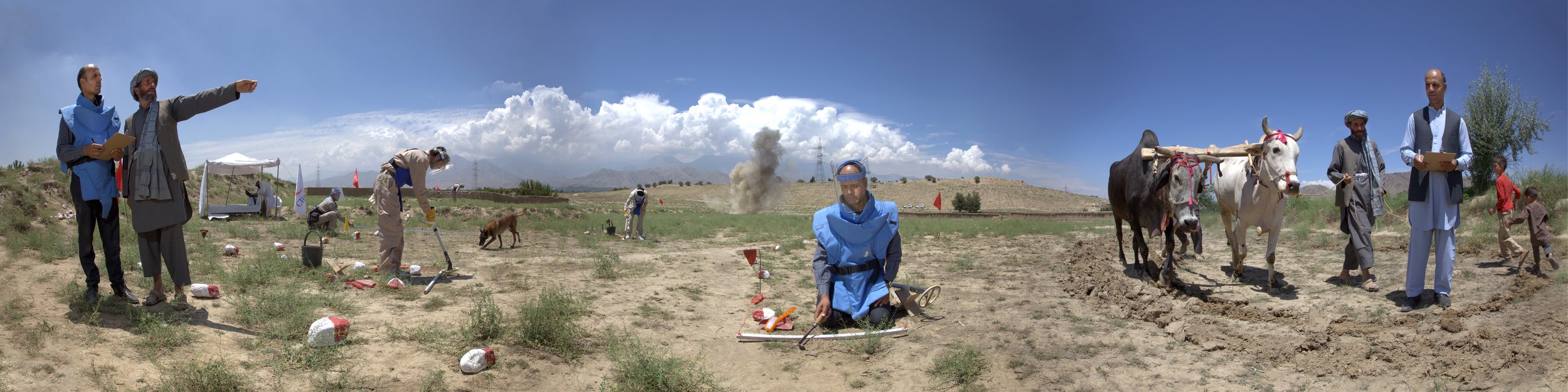
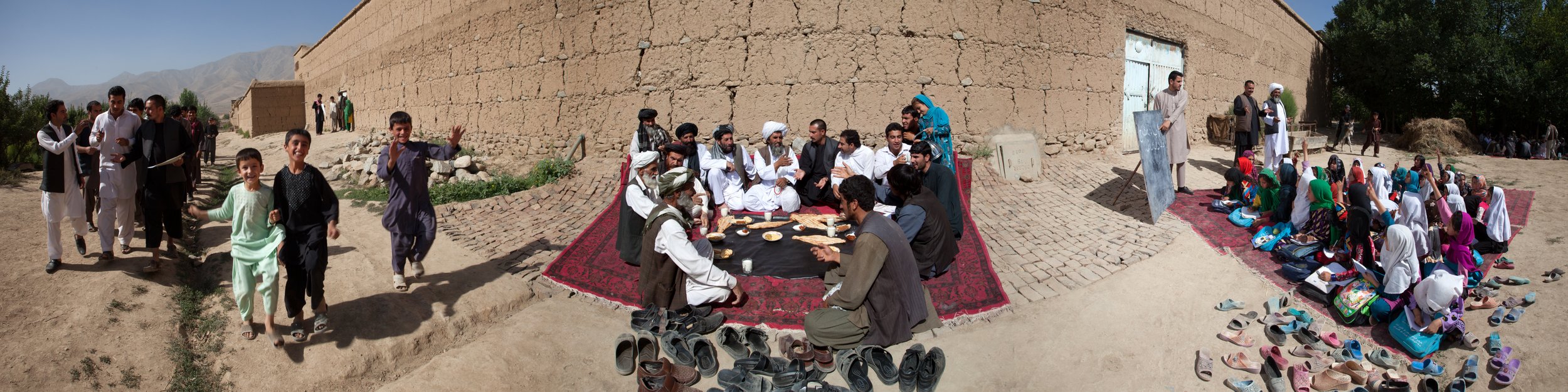
The work also reflects a wider UN Afghanistan mission: supporting communities through practical assistance while creating space for cooperation. The archived “Strong UN. Strong Afghanistan.” campaign highlighted Afghan people and local contributions, a useful reminder that humanitarian programmes are strongest when communities help shape how support is delivered.
Why school meals matter in Afghanistan
Food insecurity affects the way children learn. A student who arrives at school hungry may find it difficult to focus, participate, or remain in class for a full day. Regular school meals can provide essential calories and micronutrients while reducing the immediate burden on parents and caregivers.
For families living in remote provinces, the value of school feeding is often connected to household economics. When a child receives a meal at school, a portion of the family food supply can be preserved for younger children, older relatives, or the evening meal. This form of support does not solve poverty, yet it can help families manage a difficult period without withdrawing children from education.
The educational effect can be especially important for girls and children from vulnerable households. A meal may help make attendance more acceptable to families balancing transport costs, domestic responsibilities, and concerns about safety. Where schools remain open and accessible, food assistance can reinforce the idea that education is a community priority.
How the United Nations delivers support
The World Food Programme has been a central UN partner in school-based food assistance in Afghanistan, working with government counterparts, local authorities, school personnel, community representatives, and humanitarian organizations. Its approach has included meals prepared or distributed at schools, take-home rations, and nutrition-sensitive assistance adapted to local conditions.
Delivery varies by province and by the needs of each community. In some areas, students may receive a daily snack or fortified food. In others, families may receive a ration linked to attendance, helping offset the cost of sending children to school. These arrangements depend on funding, access, food availability, school infrastructure, and the security environment.
Local participation is essential. Community committees can help identify schools, organize storage, oversee distribution, and communicate with families. Teachers and school staff often serve as practical links between humanitarian workers and households, while women’s participation in food preparation or monitoring can strengthen accountability where social conditions permit.
School meals also depend on supply chains that are easy to overlook. Food must be procured, transported across difficult terrain, stored safely, and distributed on schedule. Winter roads, insecurity, fuel costs, and damaged infrastructure can all interrupt delivery. Maintaining reliable logistics is therefore as important as selecting nutritious food.
Meals, nutrition, and attendance
A school feeding programme has several connected objectives. The first is immediate hunger relief. The second is improved dietary quality through fortified foods that can supply iron, vitamin A, protein, and other nutrients. The third is an education incentive that helps children enroll, attend, and remain in school.
The design of the ration matters. Food needs to be familiar enough for children and families to accept, nutritious enough to support healthy development, and practical enough for schools to handle. Clean water, handwashing facilities, cooking equipment, and safe storage are also part of the nutritional outcome. A nutritious product cannot deliver its intended benefit if it is prepared or stored in unsafe conditions.
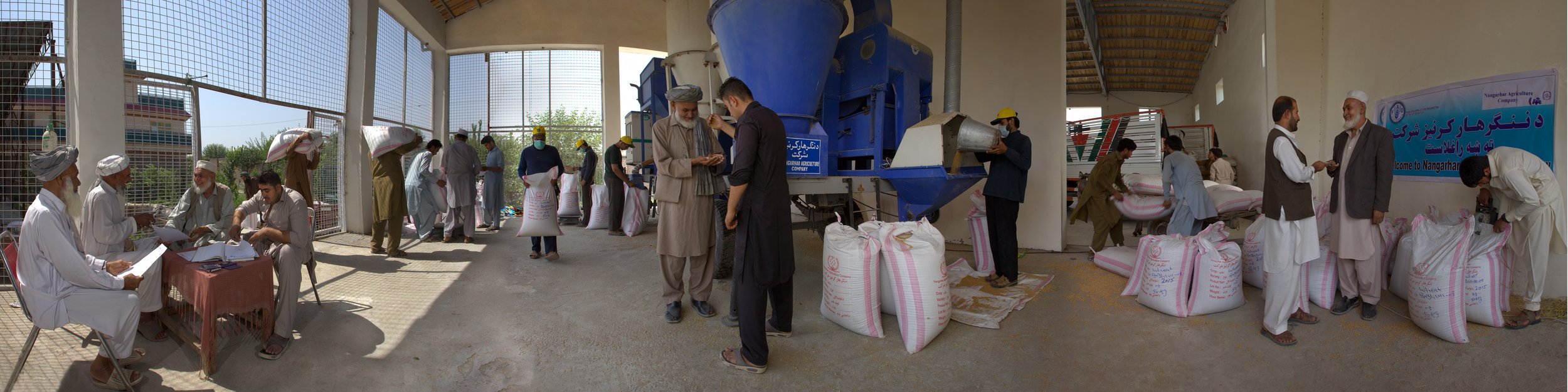
School feeding can support local markets when programmes purchase food from Afghan farmers, millers, traders, or small food businesses. Locally sourced commodities may shorten supply routes and create income for producers. They can also make meals more culturally appropriate, although local procurement requires careful attention to seasonal supply, quality standards, price volatility, and market capacity.
The strongest programmes connect food assistance with broader services. Deworming, health screening, nutrition education, clean water, and referrals for vulnerable children can increase the benefits of a meal. Coordination with education and health authorities helps prevent school feeding from becoming an isolated intervention.
Provincial realities shape the programme
Afghanistan’s provinces differ sharply in geography, climate, food access, and school infrastructure. A programme suited to a relatively accessible urban district may be difficult to operate in a mountainous rural area. In provinces affected by drought, families may have lost livestock or crops, making a school meal particularly important. In areas receiving displaced households, schools may face overcrowding and a sudden increase in need.
| Provincial setting | Common school feeding priority | Delivery consideration | Wider community effect |
|---|---|---|---|
| Remote rural districts | Reliable daily nutrition for children | Difficult roads, seasonal access, limited storage | Helps families keep children connected to school |
| Drought-affected areas | Food support alongside household resilience | Reduced local harvests and higher food prices | Protects household food stocks |
| Displacement-affected communities | Rapid assistance for newly enrolled pupils | Overcrowded schools and changing populations | Supports social cohesion among host and displaced families |
| Urban and peri-urban areas | Nutrition and attendance support for vulnerable children | Demand may exceed school capacity | Reduces pressure on low-income households |
| Mountainous provinces | Adapted rations and dependable logistics | Winter closures, long transport routes | Strengthens the role of schools as community hubs |
These differences explain why national targets need local implementation. Community consultations can reveal whether the main barrier is hunger, transport, school fees, household labor demands, or a lack of safe facilities. Food assistance is most effective when it responds to the actual reasons children are absent.
Access and neutrality also matter. UN agencies must work through humanitarian principles and coordinate with relevant authorities while protecting the safety and dignity of children. Clear eligibility criteria, transparent distribution, and confidential complaint channels can reduce tension and help communities understand how decisions are made.
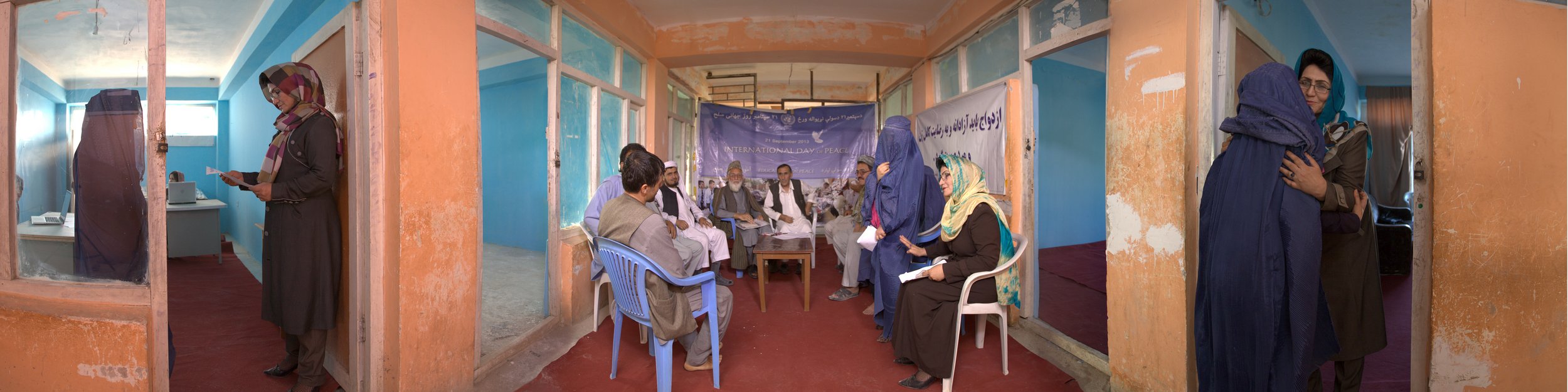
Food assistance can contribute to peace when it is fair, predictable, and shared across social groups. It should never be presented as a substitute for political settlement or long-term development. Yet equitable services can reduce grievances and create opportunities for cooperation. The UN’s wider efforts to bring Afghan stakeholders together, including mediated peace dialogues, demonstrate how community support and peacebuilding can reinforce one another when built around inclusion.
From emergency relief to local resilience
Emergency school meals are often introduced because families need immediate help. Over time, programmes can become part of a more durable social protection system. This shift requires investment in local agriculture, school kitchens, water systems, teacher training, and public institutions that can monitor quality.
Home-grown school feeding is one possible model. Under this approach, schools receive food produced by nearby farmers or cooperatives, connecting child nutrition with rural livelihoods. Wheat, pulses, oil, dairy products, and fresh produce may be sourced locally when supplies meet safety and quantity requirements. The arrangement can provide a predictable market for farmers and keep more of the programme’s economic value within the province.
Resilience also means preparing for shocks. Drought, floods, disease outbreaks, price increases, and population movement can quickly change the number of children who need assistance. Flexible funding and reliable contingency plans allow agencies to expand or adapt support instead of waiting for a new crisis to become severe.
The transition must be carefully managed. If external food assistance ends before local systems are ready, attendance and nutrition gains may be lost. A responsible pathway includes measurable targets, government and community ownership, continued humanitarian access, and financing that matches the scale of need.
Protecting dignity and accountability
Children should receive food in a way that protects their dignity. Distribution arrangements need to avoid public labeling, favoritism, or practices that place pressure on families. Staff should be trained to recognize safeguarding concerns, and children should have safe ways to report problems.
Gender-sensitive planning is equally important. Girls and boys may face different barriers to attendance, and women may encounter restrictions that limit their ability to work in schools or participate in committees. Programmes must follow humanitarian standards while seeking practical ways to include women’s knowledge in nutrition, household food use, and community monitoring.
Accountability begins with accurate information. Agencies need to know which schools are operating, how many children attend, whether rations arrive on time, and whether food is consumed safely. Independent monitoring, feedback mechanisms, and regular consultations can identify problems before they become widespread.
Useful indicators include attendance, retention, dietary diversity, meal frequency, complaints resolved, local procurement volume, and the number of schools meeting food safety standards. Numbers cannot capture every benefit, but they help donors and implementing partners decide where resources are most urgently required.
Priorities for stronger school feeding
A durable approach to school meals in Afghan provinces should focus on a few practical priorities:
- Protect predictable funding so schools can plan meals and families can trust the programme.
- Link food assistance with clean water, sanitation, health referrals, and nutrition education.
- Expand safe local procurement where Afghan producers can meet quality and supply requirements.
- Use community-led monitoring, including meaningful participation by women where possible.
- Adapt rations and delivery systems to provincial conditions, seasonal access, displacement, and climate shocks.
These priorities require coordination among UN agencies, Afghan institutions, donors, school communities, and local civil society. No single organization can manage procurement, education access, nutrition, infrastructure, protection, and peacebuilding alone.
The role of families and local leaders is particularly important. They can help identify barriers to attendance, protect food stocks, report delivery concerns, and encourage children to remain engaged with learning. Their involvement also helps ensure that school feeding reflects local preferences rather than imposing a uniform model across very different provinces.
Building peace through everyday services
School meals offer a practical way to connect humanitarian assistance with Afghanistan’s longer-term future. When children can study without the distraction of hunger, families receive modest economic relief, and local producers gain dependable markets, a food programme supports more than a single school day.
Its peacebuilding value comes from fairness and shared benefit. A school that welcomes children from different backgrounds, distributes assistance transparently, and operates with community support can become a place where trust is practiced. Those daily relationships matter in communities affected by conflict, displacement, and division.
The archived UN Afghanistan campaign placed Afghan voices and achievements at the center of its message. That perspective remains relevant to school feeding: international assistance can provide resources and technical support, but Afghan educators, parents, farmers, health workers, and students give the programme its meaning.
Support effective school meal programmes by funding nutrition, education, local food systems, and accountable humanitarian delivery. Sustained attention from governments, donors, UN partners, and communities can help ensure that a meal at school becomes a foundation for learning, dignity, and a more peaceful future.