
Making a Difference


Building Futures Through Afghan Youth Vocational Training
Afghan youth vocational training in carpentry and masonry sits at the meeting point of practical employment, community recovery and personal dignity. For a young person in Afghanistan, learning how to frame a doorway, lay a stable wall or read a basic construction plan can create a route into paid work when formal employment is scarce. These skills also support the repair and construction of homes, schools, clinics and public facilities.
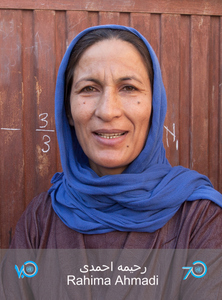
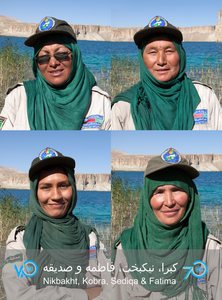
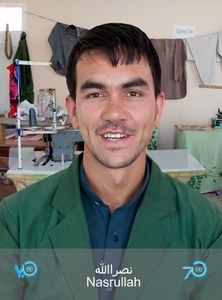
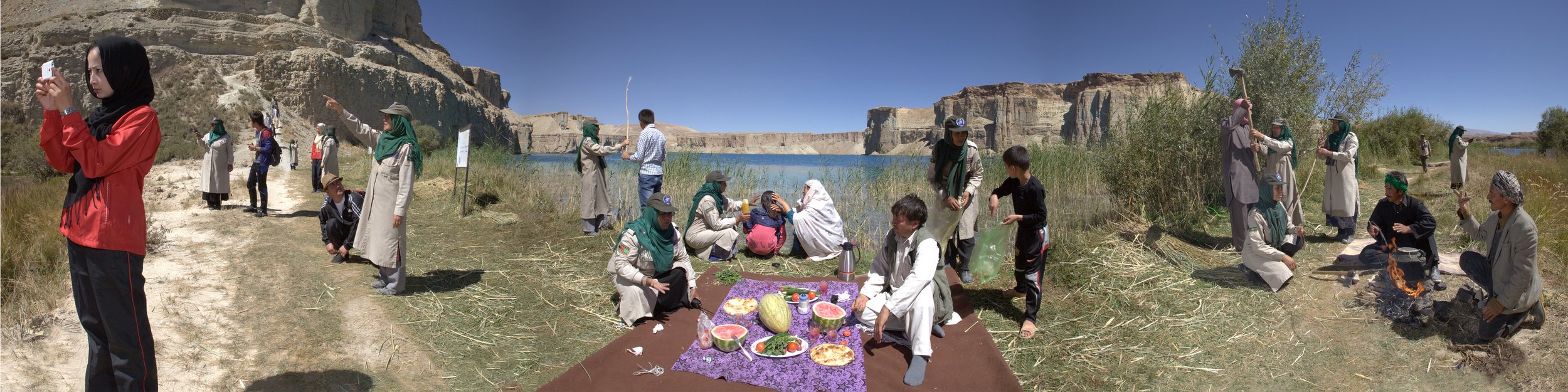
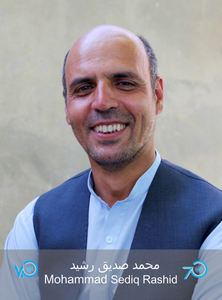
The United Nations has frequently worked with Afghan institutions, communities and local partners to strengthen opportunity, services and social participation. The UN70 “Strong UN. Strong Afghanistan.” campaign presented Afghan people and their contributions through photographs, stories and messages from the Special Representative of the Secretary-General. Its website is now an archived record of a completed campaign rather than an active enrolment portal, so readers should treat references to training as part of the wider development context and verify current course availability locally.
Why Practical Trades Matter For Afghan Youth
Carpentry and masonry are especially relevant in a country where construction and repair work are closely tied to everyday life. Families need safer houses, businesses need functional premises, and communities require roads, classrooms, water points and health facilities. A trained worker can begin with small jobs, build a reputation and gradually move towards subcontracting or operating a small workshop.
Vocational education can also offer a more direct transition from learning to income than a long academic pathway. That does not make trade training a second-best option. Good technical education demands measurement, planning, physical coordination, problem-solving and responsibility for other people’s safety. A carpenter must understand material behaviour and tolerances; a mason must manage levels, alignment, curing and load-bearing principles.
For young Afghans, the value of a course depends on whether it is connected to the local economy. Training should reflect the materials commonly available, the tools that employers use and the types of construction taking place nearby. A course designed around expensive equipment that graduates cannot access will have limited impact. A practical programme can be more useful when it combines workshop sessions, supervised site experience and advice on finding work.
The Australian audience may recognise this principle through TAFE and apprenticeship pathways in places such as Western Sydney, Brisbane or regional Victoria. Afghanistan’s context is different, yet the underlying idea is familiar: practical skills become valuable when training providers understand what employers actually need. A certificate matters, but demonstrated competence, punctuality and a safe work record often matter just as much.
What Carpentry And Masonry Courses Can Teach
A sound carpentry course usually begins with hand-tool safety, measuring and marking. Learners may progress to sawing, chiselling, joining, surface preparation and the construction of basic frames or fittings. Depending on the provider and equipment, lessons can include roof elements, doors, windows, furniture, partitions and repairs. Students should learn to reduce waste, store materials properly and maintain tools.
Masonry training generally covers bricks, blocks, mortar preparation, setting out, levelling and plumb alignment. Learners need to understand how a wall transfers weight, why foundations matter and how weather can affect curing. They may practise constructing straight sections, corners, openings and finishes before applying those techniques on a supervised project. The strongest programmes connect classroom explanations with repeated hands-on work.
Both trades require more than the ability to complete a physical task. Basic numeracy helps a worker estimate quantities and calculate areas. Communication skills support cooperation with clients, forepersons and other trades. Reading simple drawings allows a team to work from the same plan. Training can also introduce record-keeping, pricing, procurement and customer service, which are essential for youth who hope to become independent contractors.
A useful course may therefore include several connected learning areas:
- Tool handling, maintenance and workshop safety
- Measurement, drawings and construction calculations
- Materials, joining methods and quality control
- Work planning, communication and basic business practice
The exact curriculum will vary between provinces, providers and project partners. A short course may focus on an entry-level skill, while a longer programme can include assessment, workplace placement and a pathway to further technical education. Anyone seeking current opportunities should check with recognised Afghan training institutions, local authorities or established humanitarian and development organisations rather than relying on an archived campaign page.
Linking Training With Safety And Public Service
Construction training works best when it is part of a broader culture of safety and responsible public service. Students need to recognise hazards such as unstable structures, falling objects, dust, sharp tools, electrical risks and unsafe lifting. Even a small building project can harm workers or residents if the site is poorly organised. Personal protective equipment, safe storage and clear instructions should be treated as routine rather than optional extras.
The wider United Nations presence in Afghanistan has also included work on institutional standards and professional conduct. For example, readers interested in how capacity-building can extend beyond construction can explore UN human rights training connected with police reform. That example is not a carpentry or masonry course, but it illustrates a related principle: technical capability becomes more effective when it is paired with accountability, rights awareness and service to the public.
For young tradespeople, safety has a social dimension. A mason’s decisions can affect an entire household, while poorly installed timberwork can create risks for children and older residents. Training should encourage workers to speak up when a plan is unsafe, refuse dangerous shortcuts and explain limitations honestly to clients. These habits help establish trust in communities where formal inspection systems may be uneven.
Training can also support cooperation across different roles. A carpenter may need to coordinate with a mason before fitting a door frame. A builder may depend on an electrician or plumber to complete a site correctly. Learning to share information, keep a clean work area and respect agreed responsibilities prepares young people for the teamwork required on larger projects.
Skills That Translate Into Local Livelihoods
A vocational course has greater economic value when it recognises the way work is actually found. In many communities, employment may come through personal referrals, local contractors, shopkeepers, community leaders or short-term project work. Graduates need to show what they can do, explain their availability and build a record of reliable jobs. A simple portfolio of completed work, references and photographs can help establish credibility where formal recruitment is limited.
Small enterprise support can make a significant difference. A graduate might begin by repairing furniture, producing basic timber fittings, repointing walls or helping with household renovations. Access to shared tools, fair credit and a safe workspace can determine whether that knowledge becomes income. Training providers and partners can strengthen outcomes by introducing graduates to contractors and by teaching realistic costing rather than encouraging unsustainable promises.
Useful employment-building capabilities include:
- Estimating materials, labour time and transport costs
- Negotiating clear terms with clients and contractors
- Keeping records of jobs, payments and tools
- Cooperating with apprentices and other trades
Australian readers might compare this with the expectations placed on a sole trader in Melbourne or a small building business in Newcastle. A tradesperson generally needs insurance, licensing where required, tax records and compliance with workplace rules. Afghan workers operate within a different regulatory and economic environment, but the commercial basics still matter: accurate quotes, dependable attendance, good workmanship and a reputation for fair dealing.
Gender and access also deserve careful attention. Young women and young men may face different restrictions, transport concerns or family expectations. Where programmes can safely include women, they may open opportunities in areas such as furniture making, interior finishing, repair work, design support or community facilities. Inclusion should be shaped by local consultation and safety planning, not treated as a slogan detached from daily realities.
Measuring Whether Training Makes A Difference
The number of people who complete a course is an incomplete measure of success. A stronger assessment asks whether graduates can perform tasks safely, whether they find paid work, whether their earnings become more stable and whether employers trust their skills. It should also examine whether women, people with disabilities and youth from underserved areas can participate without unreasonable barriers.
Good monitoring can combine practical tests with follow-up interviews. Instructors might assess whether a learner can set out a wall accurately, prepare an appropriate mortar mix or construct a sound timber joint. Several months later, a provider could record employment, self-employment, further training and the challenges graduates face. This information helps organisers adjust course length, equipment, teaching methods and links to employers.
Indicators worth tracking include:
- Completion rates and practical assessment results
- Work placements, apprenticeships and paid jobs
- Access to tools, transport and protective equipment
- Graduate income, business activity and employer feedback
Training quality also depends on the people who teach it. Instructors need current technical knowledge, practical experience and the ability to explain tasks clearly. A skilled builder is not automatically an effective teacher. Demonstrations, guided practice and constructive feedback are especially important for learners who have had limited formal schooling.
The UN70 campaign’s emphasis on Afghan individuals is relevant here because development is easier to understand through people’s lived contributions. A young carpenter repairing a classroom or a mason helping rebuild a neighbourhood represents more than a statistic. Such stories can show how skills move from a training space into a family, a workplace and a wider community, while still leaving room to acknowledge the limits and difficulties of the work.
When readers in Australia look for ways to understand or support Afghan youth vocational training, the most useful approach is to focus on credible partners, transparent outcomes and local leadership. Archived campaign material can provide historical context, but it should not be mistaken for a current course directory or a promise of available places. Current information needs to come from verified organisations working in the relevant Afghan province or community.
Carpentry and masonry courses can give young people practical tools for earning a living and helping rebuild places around them. Their lasting value depends on relevant teaching, safe conditions, fair access, links to real work and respect for Afghan knowledge. Support the organisations that publish clear results, listen to communities and connect technical learning with dignified livelihoods.