
Making a Difference

Afghan Police Reform: UN Human Rights Training
Afghan police reform has long involved more than recruitment, equipment, and command structures. It has also required a change in how public authority is understood and exercised. For communities affected by conflict, the daily conduct of police officers often shaped whether the state was seen as a source of protection or another source of fear.
United Nations support in Afghanistan connected police development with human rights, constitutional principles, accountability, and community trust. Training for law enforcement personnel addressed practical duties such as arrest procedures, treatment of detainees, use of force, protection of civilians, and the rights of women and children. These themes formed part of a broader effort to strengthen public institutions.
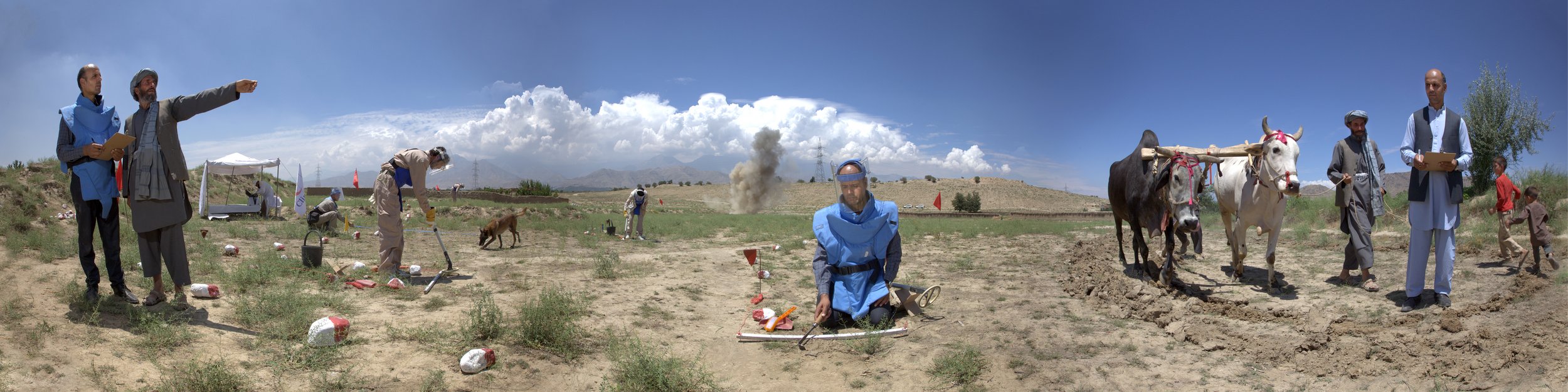
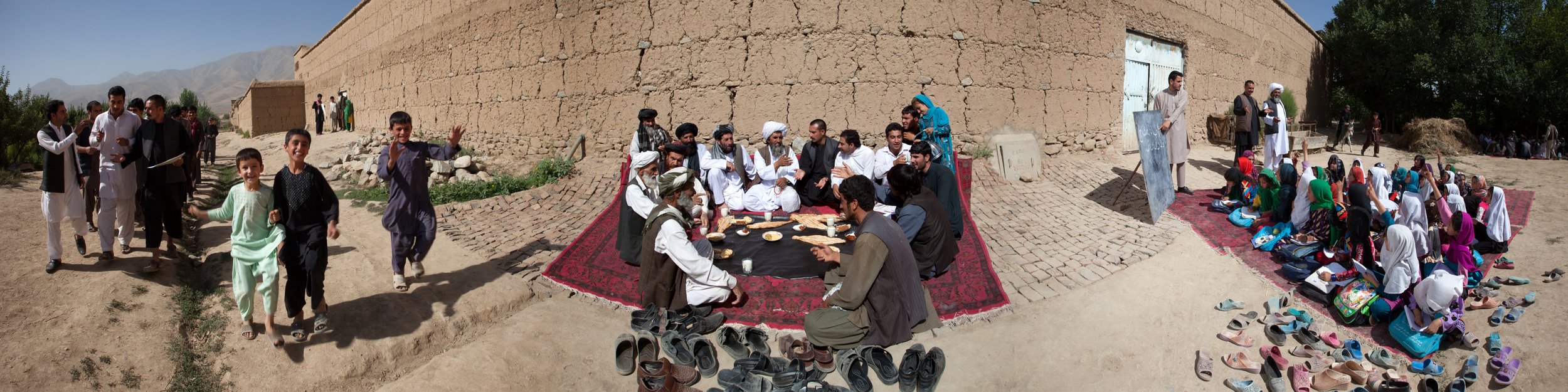
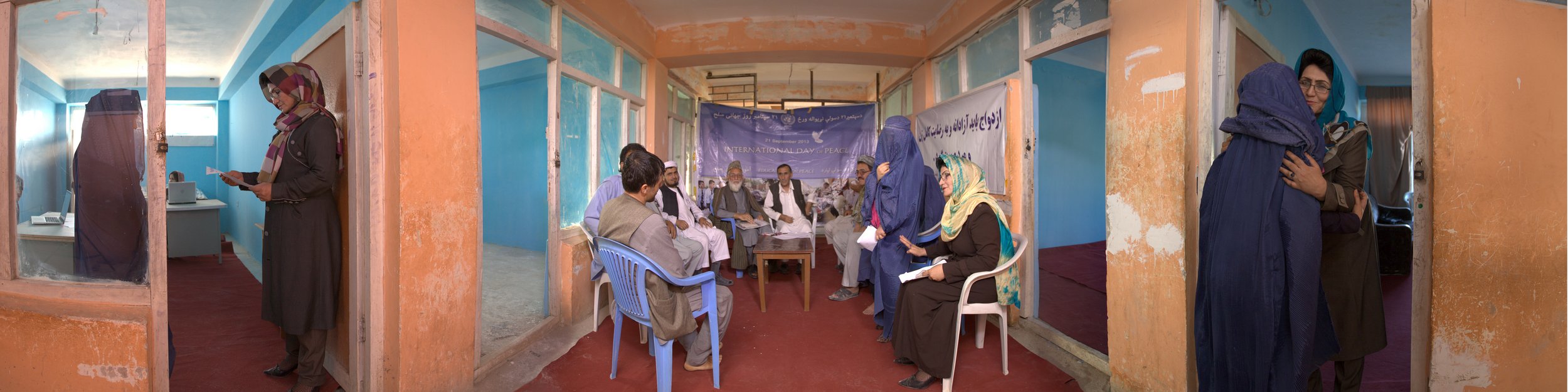
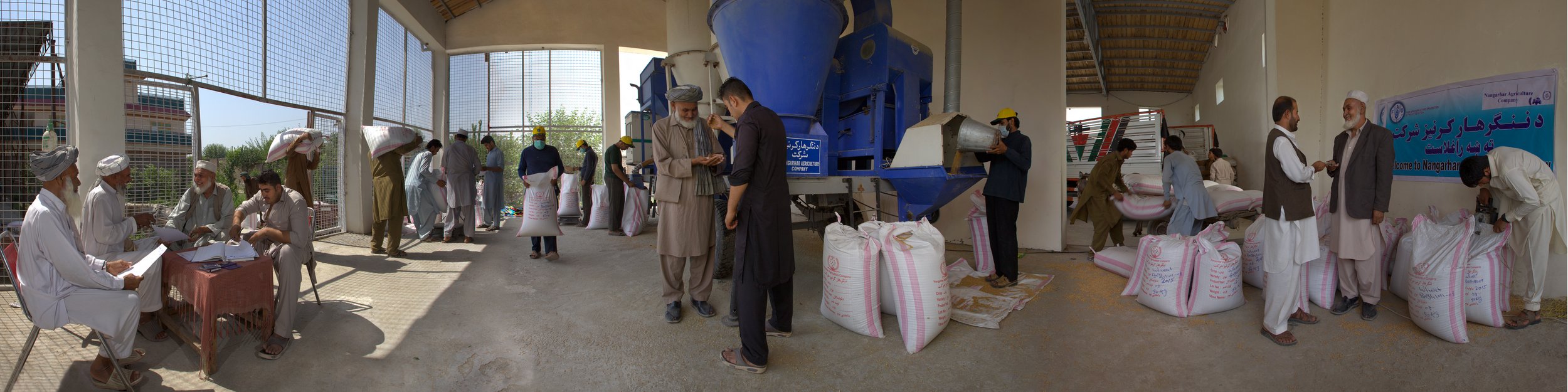
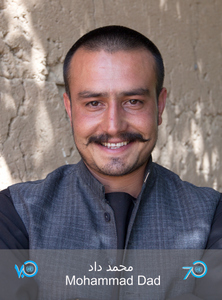
The UN70 “Strong UN. Strong Afghanistan.” campaign presented Afghan people and their contributions to national progress. Within that wider story, police reform illustrates how international assistance depended on Afghan professionals, local communities, trainers, civil society, and public institutions working together. The campaign is now an archived snapshot, but its focus on partnership remains relevant when examining the evolution of Afghanistan’s justice and security sector.
Why Human Rights Belonged In Police Reform
Police officers are among the most visible representatives of government. They may be the first officials a person meets after a crime, during a public gathering, at a checkpoint, or when seeking help. Their decisions can determine whether a victim receives protection, whether evidence is preserved, and whether an accused person is treated according to law.
For that reason, human rights education was not an optional addition to technical police training. It was connected to professional competence. Officers needed to understand that lawful policing requires necessity, proportionality, non-discrimination, and respect for human dignity. These principles help define the limits of police authority, particularly when officers face pressure, insecurity, or public anger.
Training also supported a shift away from informal or coercive practices. Afghanistan’s prolonged conflict had weakened institutions and exposed civilians to abuse by multiple armed actors. Building a rights-based police service therefore meant creating habits of lawful conduct in difficult environments, while recognizing that classroom instruction alone could not resolve political, institutional, or security problems.
The UN Partnership With Afghan Institutions
The United Nations worked through several complementary channels to support Afghanistan’s justice and security institutions. UNAMA engaged with national authorities, documented human rights concerns, advocated for civilian protection, and encouraged compliance with international standards. UNDP-supported programmes, including assistance connected with the Law and Order Trust Fund for Afghanistan, helped strengthen elements of police administration, pay, training, and institutional development.
The precise form of assistance changed over time and varied across provinces and institutions. It could include advisory support, curriculum development, training for instructors, mentoring, coordination with justice actors, and assistance to mechanisms intended to improve accountability. The objective was to help Afghan institutions build their own capacity rather than create a permanent substitute for national responsibility.
Human rights training was most effective when linked to police academies, field supervision, internal regulations, complaint systems, and judicial processes. An officer may know the correct rule but still violate it if commanders reward abusive conduct, investigators lack independence, or victims cannot safely report misconduct. Institutional reform and individual training therefore had to advance together.
Core Areas Of Police Human Rights Training
A practical curriculum generally connected international human rights law with everyday police decisions. Officers could examine when a person may be detained, what information must be provided, how searches should be conducted, and why torture and cruel, inhuman, or degrading treatment are prohibited. Instruction also addressed the presumption of innocence and the need to protect due process.
The use of force was another central subject. Police may need to respond to violence, but force must be lawful, necessary, and proportionate to the threat. Training could help officers distinguish between peaceful assembly and an immediate security danger, preserve life during an incident, and report the use of force accurately. These standards are especially important in an environment where civilians may already distrust state institutions.
Special attention was required for vulnerable groups. Women and girls often faced barriers when reporting violence or seeking justice, particularly where police stations lacked female officers or confidential procedures. Children required age-appropriate treatment and safeguards against intimidation. Training could also address discrimination, access for persons with disabilities, and respectful communication with minority or marginalized communities.
| Reform area | Human rights focus | Practical police application | Institutional support needed |
|---|---|---|---|
| Arrest and detention | Legality, due process, humane treatment | Informing detainees of reasons for arrest and protecting them from abuse | Clear procedures, custody records, judicial oversight |
| Use of force | Necessity, proportionality, protection of life | Selecting the least harmful response that can address a threat | Command supervision, reporting, independent review |
| Gender-responsive policing | Equality, privacy, protection from violence | Receiving complaints safely and respectfully | Female personnel, private spaces, referral networks |
| Child protection | Best interests of the child and special safeguards | Avoiding intimidation and separating children from adult detainees | Juvenile procedures, trained officers, social services |
| Public accountability | Remedy, transparency, responsibility | Recording complaints and investigating alleged misconduct | Oversight bodies, accessible complaint channels |
| Community policing | Participation, non-discrimination, trust | Working with residents to identify safety concerns | Local partnerships, outreach, consistent service |
From Classroom Lessons To Daily Practice
The value of a human rights course depended on whether officers could apply its principles under pressure. Scenario-based exercises were useful because they placed trainees in realistic situations: a domestic violence complaint, a crowded demonstration, an accusation of theft, a checkpoint search, or the detention of a child. Trainers could then examine both the officer’s decision and the reasoning behind it.
Instructor preparation was equally important. Police trainers needed more than legal information; they needed methods for teaching ethics, communication, de-escalation, and decision-making. Consistent terminology helped align police academy lessons with operational manuals and instructions issued by ministries or provincial commands.
Follow-up mattered after graduation. Supervisors could reinforce standards through regular briefings, case reviews, performance assessments, and disciplinary procedures. Reliable records made it easier to identify patterns, such as repeated allegations against a particular unit or recurring failures to register complaints. Without this feedback loop, training risked becoming a certificate rather than a professional standard.
Accountability And Public Confidence
Public confidence grows when people believe that police officers will listen, act fairly, and answer for misconduct. Human rights training can help establish the expected behavior, but accountability mechanisms give those expectations practical force. Complaint procedures should be accessible, confidential where necessary, and safe for people who fear retaliation.
Independent or credible investigations are essential when allegations involve torture, unlawful detention, sexual violence, corruption, or excessive force. Police institutions also need internal disciplinary systems that are transparent enough to demonstrate responsibility while protecting legitimate due process for accused officers. Cooperation with prosecutors, courts, human rights bodies, and civil society can strengthen this process.
UN human rights monitoring and public reporting contributed to identifying patterns of abuse and drawing attention to the protection of civilians. Such work was not a replacement for Afghan accountability institutions. Its purpose was to support awareness, encourage corrective action, and keep human rights obligations visible in national security discussions.
The Afghan Context And Lasting Limits
Afghanistan’s police reform took place amid armed conflict, political change, poverty, geographic isolation, and pressure on public institutions. Officers often operated with limited resources and faced serious risks. These conditions affected recruitment, retention, supervision, and the capacity to maintain consistent standards across urban and rural areas.
There were also structural concerns involving corruption, patronage, uneven access to justice, and the relationship between formal institutions and customary dispute resolution. A rights-based policing model had to be sensitive to local realities without allowing local practice to justify discrimination or abuse. Community engagement could help identify workable solutions, but it could not remove the state’s obligation to protect equal rights.
The end of a particular international programme or campaign does not erase the lessons associated with it. Sustainable reform requires national ownership, reliable financing, professional leadership, meaningful oversight, and a public commitment to lawful conduct. It also requires recognizing that security and human rights are connected: communities are more likely to cooperate with institutions they consider fair, and police work is more effective when residents are willing to report crime and share information.
Principles For Stronger Police Institutions
Several practical principles emerge from the UN’s broader approach to police development and human rights protection:
- Make human rights instruction a continuous part of police education, promotion, and field supervision rather than a single introductory course.
- Use realistic scenarios involving detention, domestic violence, public assemblies, children, and vulnerable communities.
- Pair training with clear procedures, accurate custody records, complaint channels, and timely investigations.
- Increase the participation of women and qualified local professionals in policing, training, oversight, and community outreach.
- Measure reform through public trust, lawful case handling, reduced abuse, and access to remedies, not only through recruitment or equipment figures.
These principles also show why police reform should be assessed as a public service project. Better facilities and stronger communications systems can improve operations, but they do not by themselves guarantee respectful treatment. The decisive question is whether institutional capacity is used to protect people and uphold the law.
The UN70 campaign’s stories of Afghan contribution provide a useful frame for understanding this work. International organizations could offer expertise, coordination, monitoring, and resources, while Afghan officers, instructors, officials, advocates, and communities carried the reform into daily life. Their experiences demonstrate that institutional change is built through repeated decisions, including the decision to treat every person with dignity.
Readers exploring the UN’s work in Afghanistan can consult the archived UN Afghanistan campaign materials, photographs, messages, and media resources to place police reform within the wider history of international partnership. Human rights training remains a central reference point for anyone studying accountable law enforcement, civilian protection, and the difficult process of building public trust after conflict.