
Making a Difference
Afghan youth sport leagues and the power of shared play
Across Afghanistan, football and volleyball have often offered young people more than exercise. A marked field, a net, a team shirt and a regular fixture can create routine, friendship and a visible sense of belonging, particularly where formal youth services are limited. Community tournaments also give families, coaches and local leaders a practical reason to gather around cooperation rather than division.
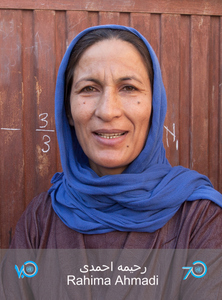
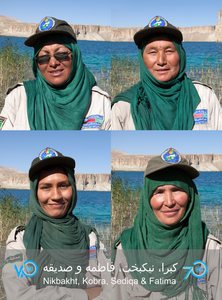
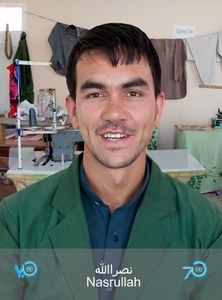
The United Nations has used stories of Afghan people and communities to show how local action supports a stronger country. The UN70 “Strong UN. Strong Afghanistan.” campaign, now preserved as an archived record, featured Afghan voices, photographs, news and messages from the Special Representative of the Secretary-General. Youth sports leagues fit naturally within that wider picture: they show how confidence and social ties can be built through ordinary community activity.
| Feature | Football tournaments | Volleyball tournaments |
|---|---|---|
| Space required | Open ground, school field or community pitch | Courtyard, schoolyard or indoor hall |
| Equipment | Ball, goals or markers, bibs and boots where available | Net, court lines and volleyballs |
| Participation | Often organised around neighbourhood or school teams | Frequently adaptable to mixed ages and community groups |
| Main social value | Teamwork, fitness and local identity | Communication, coordination and accessible participation |
| Suitable UN partnership | Youth engagement, peacebuilding and community mobilisation | Inclusion, confidence-building and local leadership |
Why sport mattered in Afghan communities
For many Afghan young people, organised sport provided a dependable activity in places affected by displacement, poverty, drought and insecurity. A league schedule could turn an irregular afternoon into a shared routine. Players learned to arrive on time, follow rules, support teammates and accept a referee’s decision. Those habits have significance beyond a match, especially when educational and recreational opportunities are uneven.
Sport also created a public platform for local talent. A talented teenager might be recognised by a coach, school or neighbourhood committee without needing expensive equipment or formal connections. Football could be played with improvised goals, while volleyball needed little more than a suitable space and a net. This low-cost character made tournaments practical for community organisations working with limited budgets.
For Australian readers, the idea may bring to mind Saturday football in Melbourne, junior soccer in Brisbane or a school volleyball fixture in Perth. Afghan leagues operated in very different conditions, yet the basic social function was familiar: young people had a place to belong, adults had a constructive role to play and communities could celebrate achievement together.
Football turned local grounds into meeting places
Football has a particularly broad reach because it can be adapted to many surfaces and group sizes. A formal pitch is useful, but a schoolyard, vacant plot or compact community ground may also support a five-a-side competition. Markers can replace permanent goals, and teams can be formed around districts, schools, youth groups or local associations.
A tournament changes the atmosphere of a neighbourhood. Families may come to watch, shopkeepers may provide water or snacks, and older players may take on coaching or refereeing duties. These small contributions create a network around the young athletes. The value lies in the relationships formed before and after the final whistle as much as in the scoreline.
Football also helps young people practise decision-making under pressure. Passing, defending and communicating require trust. A team cannot function if every player acts alone, and a competition cannot proceed if participants reject basic rules. In a setting where social divisions can be deep, shared sporting standards offer a modest but tangible experience of cooperation.
Volleyball widened the meaning of participation
Volleyball can be especially flexible for youth programmes because it requires less running space than football. A court may be established in a school compound, community centre or other safe gathering area. Players remain connected throughout the rally, so the game places a strong emphasis on communication, anticipation and collective responsibility.
The sport can also support participation across age groups and skill levels. A local tournament might include younger teams, experienced players, coaches and volunteers in different roles. Learning to keep score, organise fixtures or manage equipment gives participants practical responsibilities. Those roles are important for young people who may not become star athletes but still want to contribute.
Careful local planning is essential. Safe access, suitable clothing, transport arrangements and community approval affect who can participate. In Afghanistan, cultural expectations and security conditions could shape the design of a competition. A responsible programme therefore needed to work with families, schools and community leaders rather than assume that a single format would suit every location.
The United Nations connected sport with wider community work
UN-supported activities were part of a larger approach to community resilience and youth engagement. Sporting events could complement work in education, public health, livelihoods and local dialogue. The purpose was not simply to produce winners. It was to help communities identify their own strengths and create positive opportunities for young people.
That broader approach matters because sport cannot solve structural problems by itself. A football or volleyball league does not replace a school, a health service or secure employment. It can, however, strengthen relationships that make other initiatives easier to deliver. Coaches may become trusted contacts, schools may gain a reason to cooperate and young participants may develop confidence to take part in other community projects.
The UN’s Afghan partnerships also covered practical resilience in rural areas. Reporting on the drought-resistant seeds initiative, for example, illustrates how local knowledge and support can help families respond to difficult conditions. Sports programmes belonged to the same wider principle: durable progress is more credible when communities are active partners rather than passive recipients.
Inclusion required planning beyond the scoreboard
A youth sports league is inclusive only when barriers to participation are addressed. The cost of transport, shoes, uniforms and refreshments can exclude families. So can distance, insecurity, disability, language, social expectations or a lack of female coaches. Organisers needed to consider these realities before announcing a tournament, not after teams had already formed.
Volleyball and football could support different participation models. Some competitions might be organised for boys, while others could create appropriate opportunities for girls and young women where community conditions allowed. Separate training times, female staff, private facilities and consultation with families could make participation more practical. The right arrangement depended on local expectations and the safety of those involved.
Australian community sport offers useful comparisons. Clubs in Sydney, Adelaide and regional towns commonly rely on volunteers, child-safety procedures, working-with-children checks and clear codes of conduct. Afghanistan’s circumstances were distinct, yet the underlying lesson is shared: trust grows when organisers explain the rules, protect participants and make responsibilities visible.
What Australian communities can recognise in the model
Australians are accustomed to sport as part of everyday life. A weekend may include a junior AFL match in Geelong, a futsal session in western Sydney, cricket on a suburban oval or volleyball at a recreation centre on the Gold Coast. Local clubs often provide social contact for parents as well as players. The Afghan experience shows how that familiar community function can carry even greater weight where other gathering places are scarce.
The local market also shapes participation. In Australia, families can usually choose from football boots, inexpensive sporting goods, club canteens and paid coaching, although costs are still a concern. Afghan organisers often had to work with simpler equipment and shared resources. A donated ball, a repaired net or a volunteer referee could determine whether a league continued.
Australian legislation and public policy also influence how sport is delivered. Child protection laws and state-based working-with-children screening affect clubs, while privacy obligations shape the handling of player information and photographs. Afghan programmes worked within a different legal and institutional environment, but the same principle applies: young people need clear safeguards, accountable adults and respectful treatment.
Why the campaign stories still matter
The UN70 campaign was designed to show the human side of international cooperation. Its message was that a strong United Nations is connected to the strength, initiative and dignity of Afghan communities. Youth tournaments offered a compelling example because the results could be seen in ordinary actions: players arriving for training, volunteers preparing a court and families encouraging a team.
The campaign is now an archived snapshot rather than an active programme. That status matters when reading its photographs and stories. They should be understood as a record of a particular period of UN engagement, not as a current league timetable or an invitation to assume that every featured activity continues today. Even so, the archive preserves a useful account of how community achievements were presented.
For researchers, educators and Australian sporting organisations, the material can support discussion about peacebuilding, youth development and international partnerships. It invites attention to the people behind a programme: the coach who gives time, the player who encourages a teammate, the family that makes attendance possible and the local organiser who keeps fixtures running.
Sporting success is often measured in goals, sets and medals. In community settings, the deeper measure may be whether young people feel seen, whether different groups can share a safe space and whether local volunteers gain confidence to lead. Afghan football and volleyball tournaments demonstrated how modest resources could support those outcomes when planning was grounded in local relationships.
Explore the archived UN Afghanistan campaign stories, share them in schools or community clubs, and use the example of Afghan youth leagues to support conversations about sport, inclusion and practical international partnership. A strong community begins with people given the space, trust and encouragement to take part.