
Making a Difference


Drought-Resistant Seeds and the Future of Afghan Farming
For Afghan farmers, a reliable harvest can determine whether a family has enough food, income, and seed for the next planting season. Years of drought, irregular rainfall, depleted water sources, and economic pressure have made that security increasingly difficult to achieve. In this setting, stronger seed varieties can provide an important line of support.
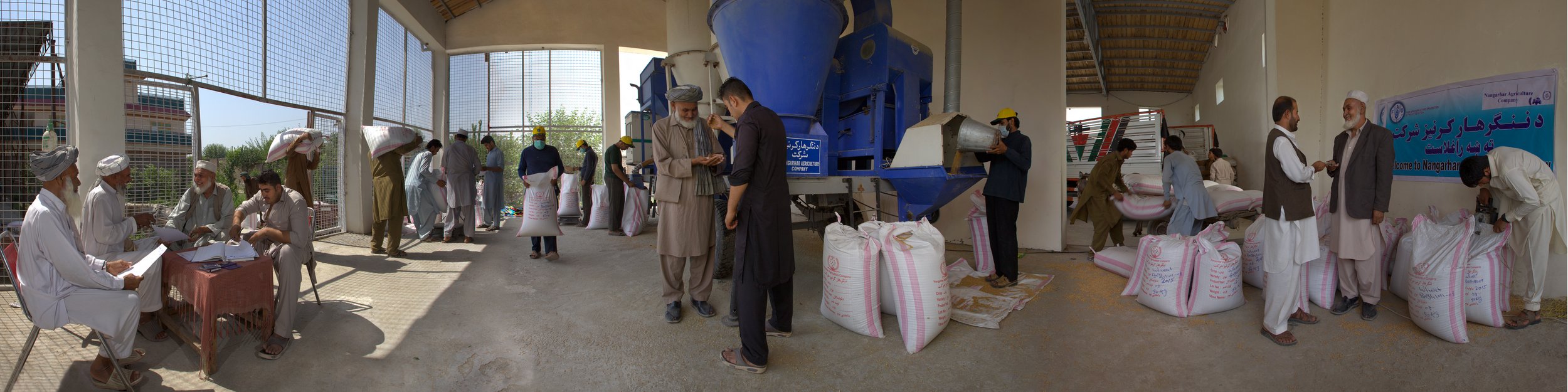
The UN and Afghan farmers: introduction of drought-resistant seeds is part of a wider effort to help rural communities manage climate stress while protecting livelihoods. Seed distribution alone cannot solve Afghanistan’s agricultural challenges, but appropriate varieties, better farming knowledge, water management, and local participation can reduce the risks facing smallholders.
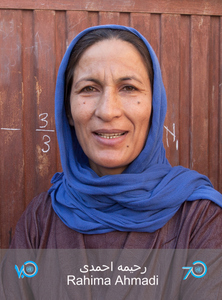
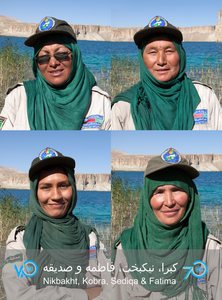
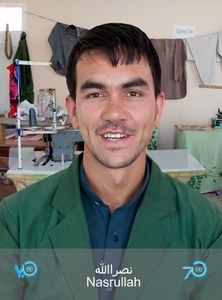
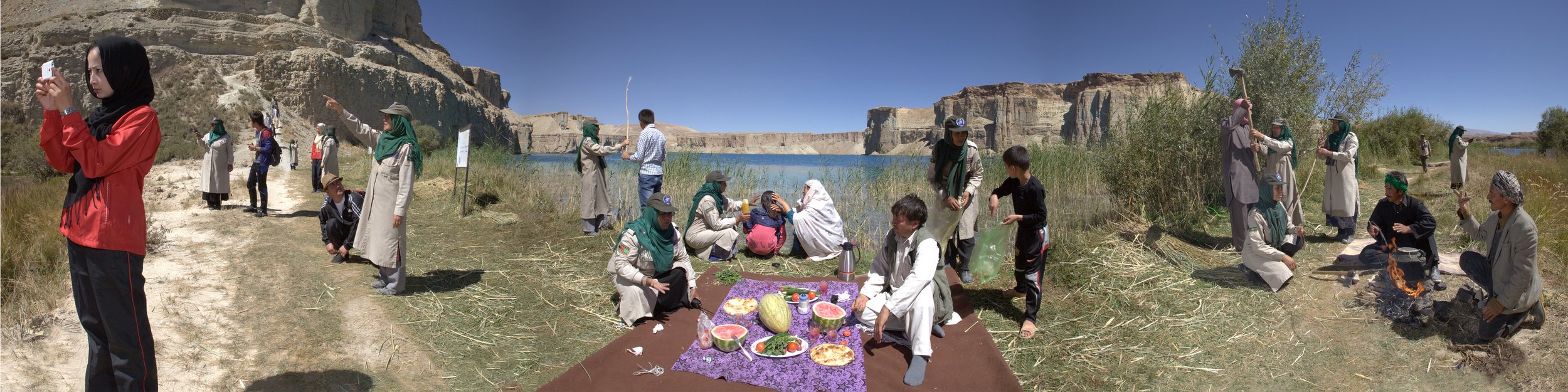
The archived UN Afghanistan campaign, “Strong UN. Strong Afghanistan.”, highlighted the contributions of Afghan people and the partnerships that support national resilience. Farmers belong at the centre of that story. Their experience shows how global assistance becomes meaningful when it responds to local conditions and strengthens the decisions farmers make every season.
Why Seeds Matter In Afghanistan
Agriculture supports a large share of Afghanistan’s rural population. Wheat, vegetables, fruit, pulses, and livestock products contribute to household food supplies and local markets. When rainfall fails or irrigation canals run dry, the effects spread quickly through villages. Families may lose both the food they planned to consume and the income needed to buy essentials.
Drought-resistant or drought-tolerant seeds are developed or selected to perform better when water is limited. Some mature earlier, allowing crops to finish their growth before severe heat arrives. Others maintain yields more effectively under moisture stress or have stronger resistance to diseases that can worsen when plants are weakened. Their value depends on the crop, the location, and the quality of cultivation.
These seeds are not a complete answer, and they are not immune to extreme weather. A prolonged drought can damage any crop. Their purpose is to improve farmers’ chances by matching seed characteristics to local growing conditions. When combined with soil conservation, efficient irrigation, weather information, and responsible planting decisions, improved seed can become part of a broader climate adaptation strategy.
How UN Partnerships Reach Farmers
United Nations support for agriculture commonly works through partnerships with Afghan institutions, local authorities, community organizations, research services, and international and national non-governmental organizations. Agencies such as the Food and Agriculture Organization may provide technical expertise, while other UN and humanitarian partners can support food security, livelihoods, market access, or emergency assistance.
The most effective programmes begin with local assessment. Farmers and extension workers know which varieties have performed well, which pests are common, how much water is available, and when planting conditions usually change. Their knowledge helps determine whether a particular wheat, maize, pulse, or vegetable variety is suitable for a district. A seed that performs well in one valley may be poorly matched to another area’s altitude, soil, or rainfall pattern.
Distribution methods also matter. Seed may reach households through community-based programmes, agricultural cooperatives, demonstrations, or seed fairs where farmers can examine varieties and make informed choices. Transparent selection criteria help ensure that women farmers, small landholders, returnees, and households in remote areas are not excluded from assistance.
What Drought-Tolerant Seed Can Change
The first benefit is risk reduction. If a crop can produce a reasonable harvest with less rainfall or a shorter growing period, a household may be better able to preserve food supplies and avoid selling livestock or tools to cope with a failed season. Even a partial harvest can provide seed, fodder, or modest market income.
Improved seed can also support recovery after a crisis. Farmers who receive quality planting material may restart cultivation more quickly after drought, displacement, conflict, or the loss of household assets. Local seed production can create additional opportunities by enabling trained farmers to multiply and sell varieties that have been tested in their own communities.
The results should be measured carefully. Yield is important, but so are germination rates, taste, storage quality, resistance to local pests, input costs, and the amount of water required. A variety that produces a high yield under ideal conditions may be less useful than a dependable variety that performs steadily on a low-input farm.
Comparing Seed Choices And Farm Needs
Choosing seed is a practical decision rather than a competition between “traditional” and “modern” farming. Farmers often benefit from retaining locally adapted varieties while testing improved options on a limited part of their land. This approach protects household food security and allows results to be compared across a full growing season.
| Seed or crop approach | Strength under water stress | Main consideration | Best support alongside it |
|---|---|---|---|
| Drought-tolerant wheat | Can maintain production during limited rainfall and may mature earlier | Performance varies by altitude, soil, and planting date | Soil preparation, timely planting, and extension advice |
| Early-maturing cereals | Reaches harvest before the most severe late-season heat | May have different yield or quality characteristics | Weather information and careful crop scheduling |
| Locally adapted seed | Often suited to local taste, storage, and environmental conditions | Supply and purity can vary | Community seed banks and quality testing |
| Pulses and legumes | Can diversify diets and farm income, with some improving soil fertility | Sensitive to pests and unsuitable moisture conditions | Crop rotation and integrated pest management |
| Drought-resilient fodder crops | Help protect livestock during dry periods | Require planning for storage and animal needs | Water-efficient cultivation and fodder conservation |
Farmers also need clear information about seed quality. Labels should identify the crop, variety, planting guidance, and germination expectations in language that users can understand. Training can explain how much seed to use, when to plant, how to store unused seed, and whether fertilizer or irrigation practices should change.
From A Seed Package To A Stronger Farm
Seed assistance is most valuable when it is connected to the rest of the farming system. A farmer may receive an appropriate variety yet still face poor results because of compacted soil, damaged irrigation infrastructure, a lack of tools, plant disease, or difficulty reaching a market. Agricultural resilience therefore requires coordinated support rather than a single distribution event.
Water management is especially important. Small-scale measures such as repairing canals, improving field channels, reducing runoff, using mulch, and protecting groundwater can help crops make better use of available moisture. In rain-fed areas, contour practices, erosion control, and careful planting dates can preserve soil moisture for longer.
Knowledge sharing is another essential element. Demonstration plots allow farmers to observe how a variety performs under local conditions instead of relying only on a written description. Extension workers can discuss crop rotation, seed storage, pest monitoring, and post-harvest handling. Radio programmes, mobile services, and community meetings can extend that information to farmers who cannot attend formal training.
Women’s participation deserves specific attention. Women contribute substantially to household food production, kitchen gardens, livestock care, seed selection, and food processing, yet they may have less access to agricultural services, markets, credit, or training. Programmes that provide accessible information and recognize women’s roles can improve the impact of agricultural assistance across the entire household.
Keeping Seed Systems In Afghan Hands
Emergency seed distribution can protect farmers during a difficult season, but long-term resilience depends on functioning local seed systems. Community seed banks, farmer groups, public research services, and private suppliers can help maintain access to reliable planting material. They can also preserve agricultural diversity, which is valuable when weather patterns and pest pressures change.
Quality assurance must remain central. Poor-quality or counterfeit seed can waste scarce land, water, labour, and money. Farmers need trusted channels, testing facilities, and practical ways to report problems. Local multiplication by trained growers can shorten supply chains, but it should be supported by standards that protect farmers from low germination or mixed varieties.
The UN’s role is strongest when it reinforces Afghan capacity rather than replacing it. International partners can bring technical knowledge, resources, coordination, and emergency reach. Afghan farmers, researchers, extension workers, and institutions provide the local understanding needed to adapt those resources. The partnership works when decisions are made with communities and when successful approaches can continue after a project ends.
A resilient seed system should also look beyond one harvest. It can help farmers plan for changing rainfall, protect crop diversity, improve household nutrition, and develop links to local buyers. This broader perspective connects immediate humanitarian assistance with sustainable rural development.
Practical Priorities For Resilient Farming
A focused approach can help ensure that drought-resilient seed programmes deliver useful results rather than short-term distribution figures. The following priorities place farmers’ needs, local evidence, and long-term sustainability at the centre:
- Match each seed variety to local rainfall, altitude, soil type, planting calendar, and farmer preferences.
- Combine improved seed with water conservation, soil management, pest control, and practical extension services.
- Include women farmers, smallholders, remote communities, returnees, and households with limited land in programme design and delivery.
- Establish transparent systems for seed testing, labelling, storage, multiplication, and farmer feedback.
- Measure success through harvests, household food security, income, seed reuse, and farmer satisfaction, not distribution totals alone.
These priorities also support accountability. Farmers should know why a variety was selected, what results to expect, and where to seek help if seed fails to perform. Monitoring should capture both positive outcomes and problems, allowing future programmes to adjust to changing conditions.
The wider message of the UN70 campaign remains relevant: a strong Afghanistan is built through the contributions of its people and the partnerships that help them act on their own knowledge. Afghan farmers are not passive recipients of agricultural aid. They are decision-makers, experimenters, custodians of local biodiversity, and vital contributors to national food security.
Readers can explore the archived UN Afghanistan campaign, its photographs, messages, news, and media channels to learn more about the people and partnerships behind this work. Supporting accurate public information about climate-resilient agriculture helps keep attention on the farmers whose daily choices sustain communities across Afghanistan.