
Making a Difference
Afghan Youth and Civic Participation Through Model United Nations
Afghan youth have long brought energy, creativity and determination to public life, even when conflict, economic hardship and political uncertainty have narrowed the space for participation. Civic engagement can take many forms: volunteering in a community, joining a student association, contributing to local discussions, supporting public awareness campaigns or developing solutions to shared problems. Model United Nations conferences offer another valuable channel by helping young people practise dialogue, negotiation and responsible decision-making.
In a Model UN conference, students act as delegates representing countries or institutions. They research international issues, prepare policy positions, deliver speeches, negotiate with other participants and work towards a written resolution. The exercise is educational rather than diplomatic, but it introduces participants to the habits of multilateral cooperation and gives them a structured setting in which their ideas can be heard.
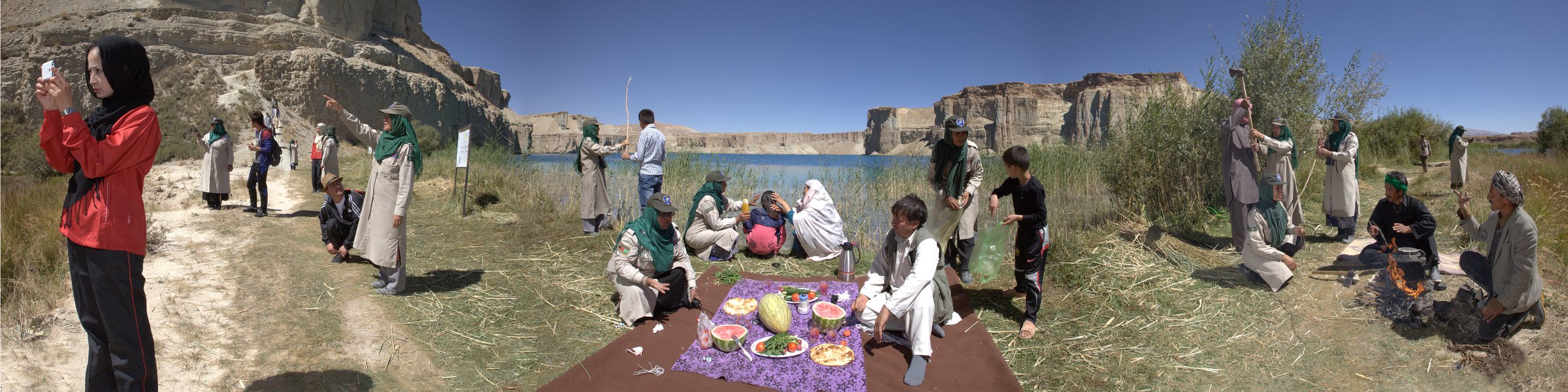
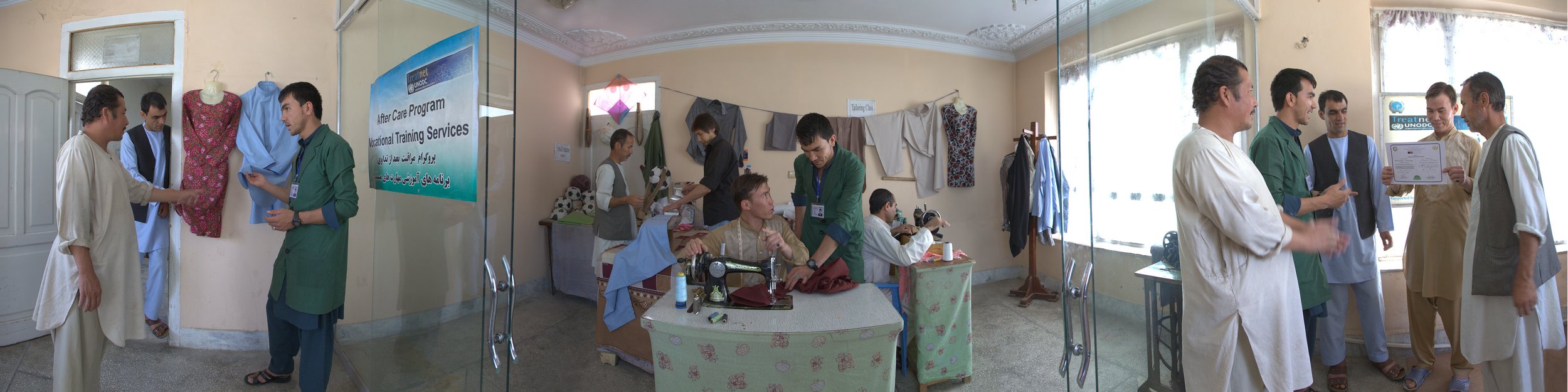
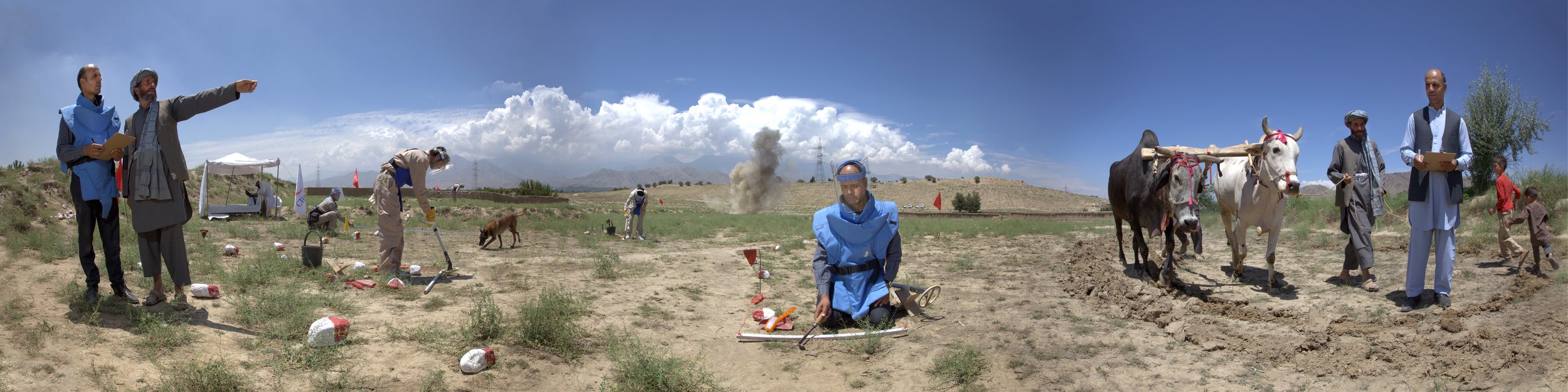
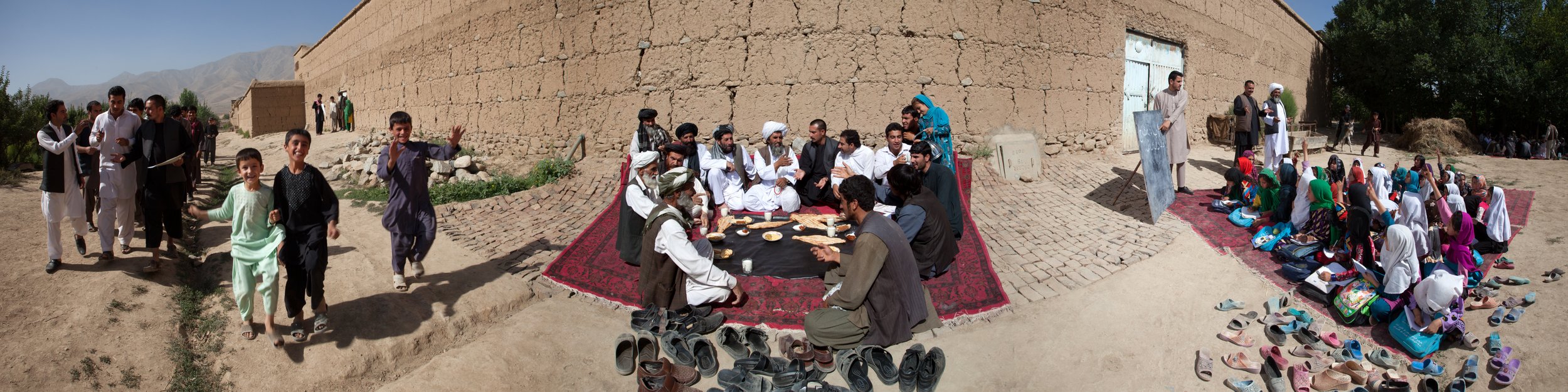
For Afghan participants, the experience can connect local concerns with global priorities. Peacebuilding, education, public health, climate resilience, migration, food security and renewable energy are international subjects with direct consequences for Afghan communities. The archived UN70 “Strong UN. Strong Afghanistan.” campaign provides a useful backdrop for understanding how Afghan voices, achievements and partnerships can be presented as part of a wider story about the country’s future.
Why Youth Participation Matters
Young people make up a significant part of Afghanistan’s population, so their perspectives are essential to discussions about development and social cohesion. Civic participation helps young citizens understand how decisions affect their families and communities, while giving institutions a clearer view of the aspirations and concerns of a new generation. It also encourages a sense of public responsibility that extends beyond private interests.
Participation does not require every young person to enter formal politics. A student who researches water management, a volunteer who supports displaced families, or a youth group that promotes girls’ education is contributing to civic life. Model UN conferences build on these forms of engagement by turning broad concerns into policy questions. Delegates must consider evidence, listen to competing priorities and explain why a proposed action could benefit people.
The format is especially relevant in environments where public debate needs care and structure. A moderated conference creates rules for speaking and negotiation, allowing participants to explore difficult issues through assigned roles. Delegates learn that disagreement does not have to become hostility, and that a workable agreement often depends on patience, compromise and respect for different experiences.
How A Model UN Conference Works
A strong conference begins with preparation. Organizers select a committee, define an agenda and provide background materials. Participants then study the issue, examine the position of their assigned country and identify possible partners. Afghan youth may also compare international policy with local realities, asking how global commitments could be adapted to Afghanistan’s social, economic and environmental conditions.
During the session, delegates make opening statements before moving into formal and informal negotiation. They may form groups around shared priorities, draft clauses, revise language and seek support for a resolution. Chairs guide the procedure and ensure that participants have a fair opportunity to speak. The final document may be adopted, amended or rejected, but the learning process remains the central purpose.
The exercise introduces several elements of multilateral diplomacy: agenda-setting, coalition-building, consensus-making and accountability. It also shows why international decisions can take time. A delegate may support the overall objective while requesting changes to funding, implementation or monitoring. This kind of careful negotiation reflects the complexity of real cooperation among governments, civil society organizations and international agencies.
Model UN can be adapted for schools, universities, youth networks or community learning programs. It can take place in person or online, depending on safety, access and available technology. A well-designed event should offer accessible briefing materials, clear rules, trained moderators and space for reflection after the simulation.
Skills That Carry Into Public Life
Public speaking is one of the most visible outcomes of Model UN participation, but it is only one part of the experience. Delegates learn to organize information, distinguish evidence from assumption and communicate a position within a limited time. These abilities can support future work in education, journalism, public administration, humanitarian action and community development.
Research and negotiation are equally important. Participants must assess reports, understand the interests of several stakeholders and identify language that different groups can accept. The process strengthens critical thinking because delegates cannot rely on slogans alone. They need to explain who would implement a proposal, how resources would be secured and how progress would be measured.
The social dimension also matters. Young people from different provinces, educational settings or professional backgrounds can discover shared concerns while learning about different local experiences. When conferences are designed inclusively, they can encourage cooperation across gender, ethnic, linguistic and socioeconomic lines. Participation should never be limited to confident speakers; written research, translation, facilitation and technical support are also meaningful roles.
| Model UN Element | Civic Skill Developed | Possible Afghan Application |
|---|---|---|
| Country research | Evidence-based analysis | Understanding development priorities and international commitments |
| Opening speeches | Clear public communication | Presenting community concerns to institutions or local groups |
| Informal negotiation | Listening and coalition-building | Finding common ground among stakeholders |
| Resolution drafting | Policy design and practical planning | Turning broad goals into achievable actions |
| Committee procedure | Respect for rules and accountability | Supporting transparent group decision-making |
| Reflection after the event | Self-assessment and learning | Evaluating what worked and how participation can improve |
Connecting Global Agendas With Afghan Priorities
A Model UN agenda becomes most meaningful when participants can connect it to everyday life. Climate change, for example, is not an abstract international topic for communities facing water stress, drought, flooding or reduced agricultural productivity. Delegates can examine how adaptation, clean energy and disaster-risk reduction affect households, schools and local economies.
This connection can be strengthened through reliable information and practical examples. A discussion of energy access might draw on the UN’s reporting about renewable energy cooperation, helping participants relate international development goals to technical assistance and Afghanistan’s potential energy future. Such material can support research without turning a simulation into a lecture.
Peace and security discussions also require a local perspective. Afghan youth may explore how education, livelihoods, inclusion and community trust contribute to lasting stability. They can consider the responsibilities of governments, international organizations, civil society and citizens, while recognizing that policies affecting Afghanistan should be informed by Afghan voices.
The same approach applies to public health, food security and gender equality. A committee can ask how a global commitment becomes a local program, who may be excluded and what safeguards are required. These questions help students move from symbolic participation towards practical civic reasoning.
Creating Inclusive Spaces For Dialogue
Inclusion should be planned from the beginning rather than added after a conference has been designed. Organizers can provide materials in relevant languages, explain procedures in simple terms and make room for participants with different levels of experience. Travel, connectivity and registration costs may prevent talented youth from taking part, so partnerships with schools, universities and community organizations can help broaden access.
Gender inclusion requires particular attention in Afghanistan’s changing social and educational environment. Women and girls should be able to participate safely and meaningfully wherever circumstances permit, with suitable consultation about venue, transport, digital access and facilitation. If participation is restricted, organizers can use carefully designed remote or small-group formats where feasible, while avoiding assumptions about what young women want or need.
A respectful conference also addresses disagreement directly. Participants should understand rules against harassment, personal attacks and discriminatory language. Moderators can encourage delegates to challenge ideas rather than individuals, and facilitators can intervene when a discussion becomes exclusionary. These practices model the kind of civic culture that public institutions need.
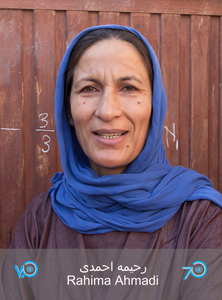
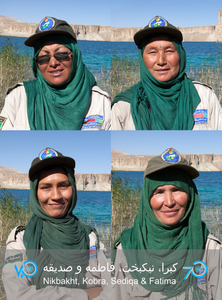
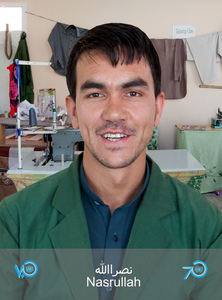
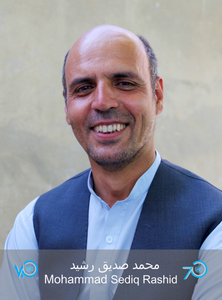
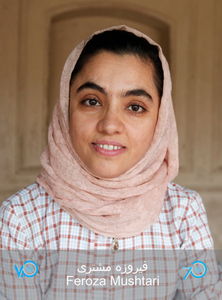
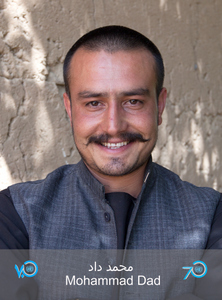
The UN70 campaign’s focus on Afghan individuals and contributions offers a useful storytelling principle: young people should be represented as active partners, not simply as recipients of assistance. Their research, leadership and community work deserve recognition. Public communication about youth conferences should protect privacy, obtain consent and avoid presenting a single participant as representative of all Afghan youth.
From Simulation To Community Action
The value of Model UN increases when participants have opportunities to use their skills after the conference. A class might turn its resolution on water security into a local awareness project. A university group could organize a public discussion on sustainable energy, publish a short policy brief or collaborate with a community organization. A youth network might create a peer education session on health, literacy or conflict prevention.
Follow-up does not need to be expensive or highly formal. Participants can write a reflection, map local stakeholders, interview community members or track whether their proposed solution is realistic. These activities encourage accountability and reveal the difference between a persuasive resolution and an implementable plan. They also help organizers assess which aspects of the conference produced lasting learning.
Partnerships can support this transition. Schools and universities provide continuity, while civil society groups contribute practical knowledge. UN agencies and other development partners may offer public resources, subject expertise or opportunities to understand international goals. Any partnership should preserve the independence of youth voices and avoid using the conference merely as a promotional event.
Digital platforms can extend the reach of civic education when participants have safe and reliable access. Online briefings, recorded lectures and collaborative documents can support preparation, while moderated discussion groups can connect participants in different locations. At the same time, organizers must consider connectivity costs, privacy, misinformation and the risks faced by participants who publicly discuss sensitive issues.
Practical Ways To Strengthen Youth Conferences
A durable Model UN program should measure success by learning and participation rather than the size of the event. Organizers can collect anonymous feedback, review the diversity of attendance and assess whether participants gained confidence in research, dialogue and policy writing. Results can guide future events and make support from educational or development partners more meaningful.
The following practices can help create a constructive and locally relevant experience:
- Choose agendas that connect international priorities with concerns identified by Afghan communities.
- Provide accessible research guides, language support and preparation sessions before the conference.
- Train chairs and facilitators in inclusive moderation, conflict sensitivity and safeguarding.
- Offer varied roles, including research, drafting, translation, media, logistics and speaking.
- Create a follow-up activity so delegates can apply their resolution-writing and civic engagement skills.
Youth participation should also be recognized as a continuing process rather than a single conference day. Alumni networks, mentoring and periodic policy discussions can help participants remain connected. Small grants or institutional support may enable promising ideas to develop, but recognition, feedback and access to trusted information are equally important.
When organizers document these activities, they should tell the story with accuracy and dignity. Photographs, personal accounts and campaign messages can show the range of Afghan contributions, provided participants give informed consent. Responsible storytelling helps audiences see young people as thinkers, negotiators and community partners whose civic work contributes to a stronger Afghanistan.
Engage with Afghan youth civic participation by supporting safe Model United Nations conferences, sharing credible learning resources and creating opportunities for young delegates to turn dialogue into community action. Through research, respectful debate and practical cooperation, each conference can help build the habits of service and partnership that Afghanistan’s future depends on.