
Making a Difference


Afghanistan’s Renewable Energy Future Through UN Technical Cooperation
Afghanistan’s energy future is closely linked to reliable, affordable and locally appropriate power. For many communities, especially in remote and rural areas, access to electricity affects education, health services, agriculture, water supply, communications and small businesses. Renewable energy can help address these needs while reducing exposure to imported fuel prices and supply disruptions.
The country has strong potential for solar power, small hydropower and, in selected locations, wind energy. Yet potential alone does not create functioning energy systems. Communities need technical studies, trained workers, practical regulations, responsible investment and equipment that can be maintained over time. This is where United Nations technical cooperation can provide important support.
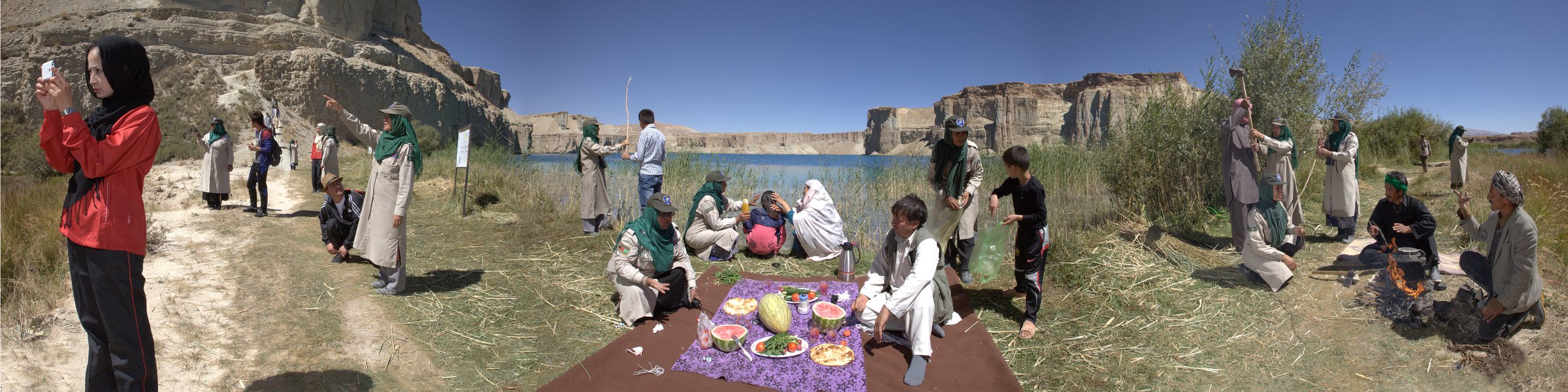
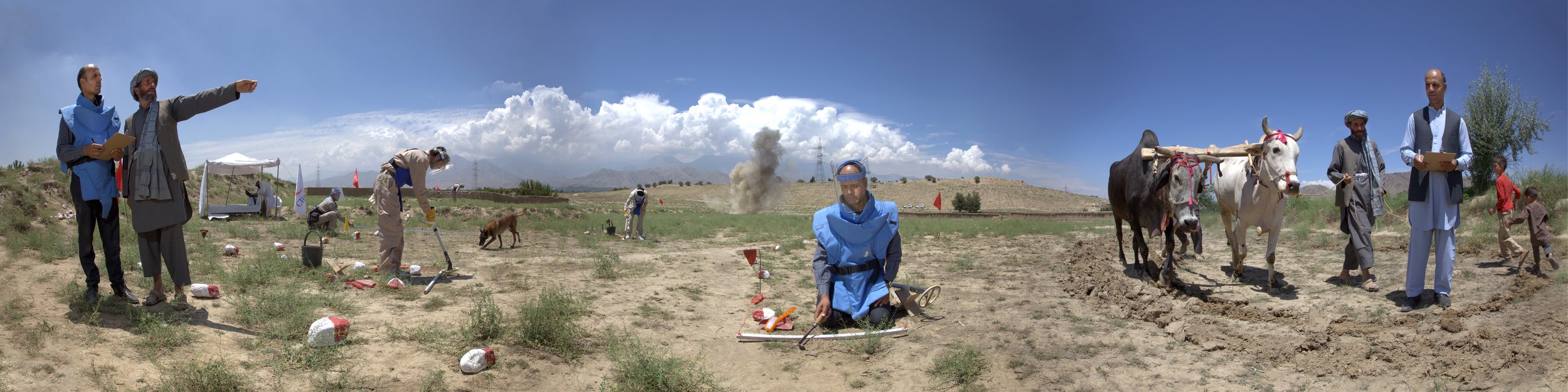
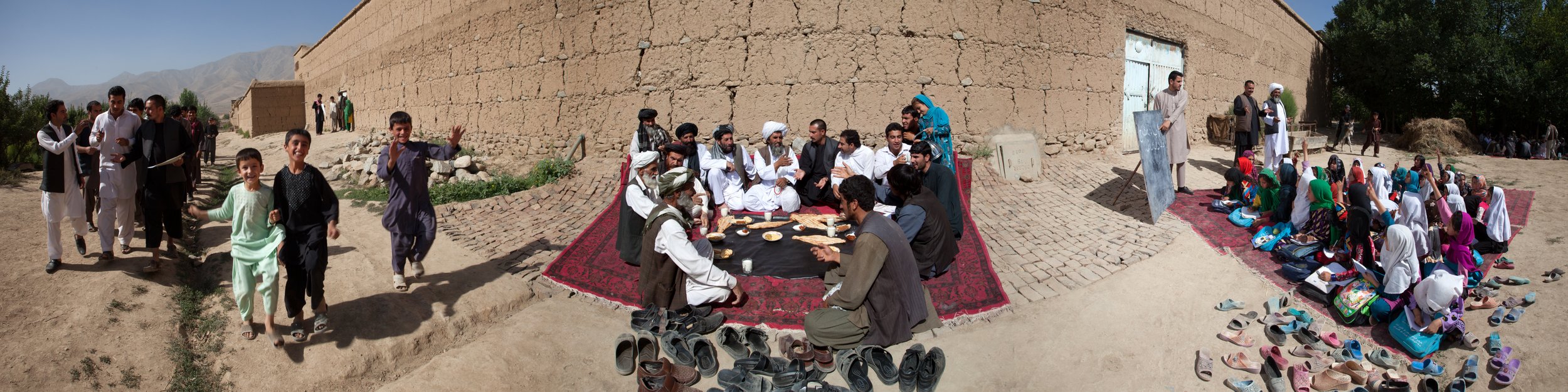
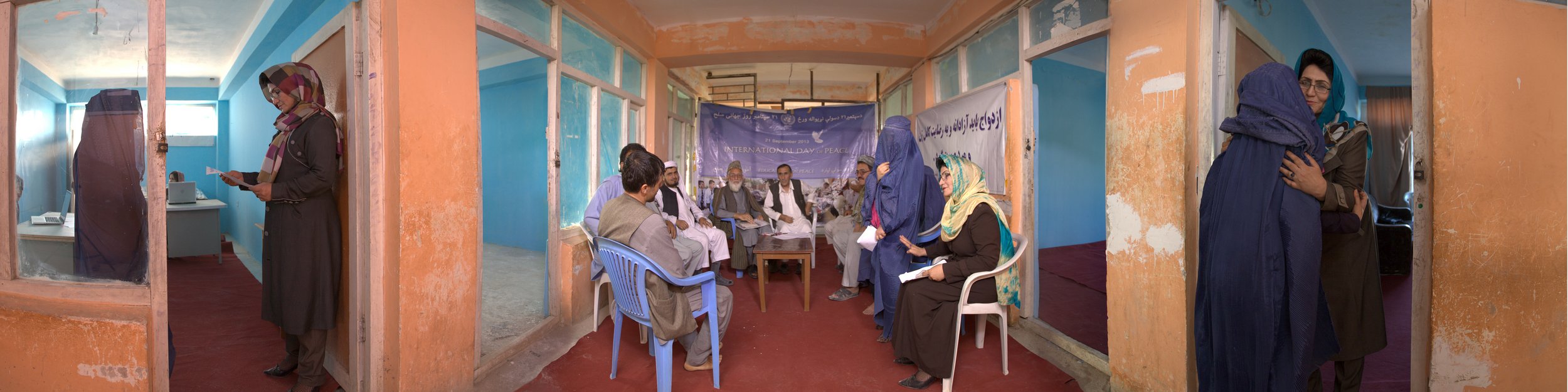
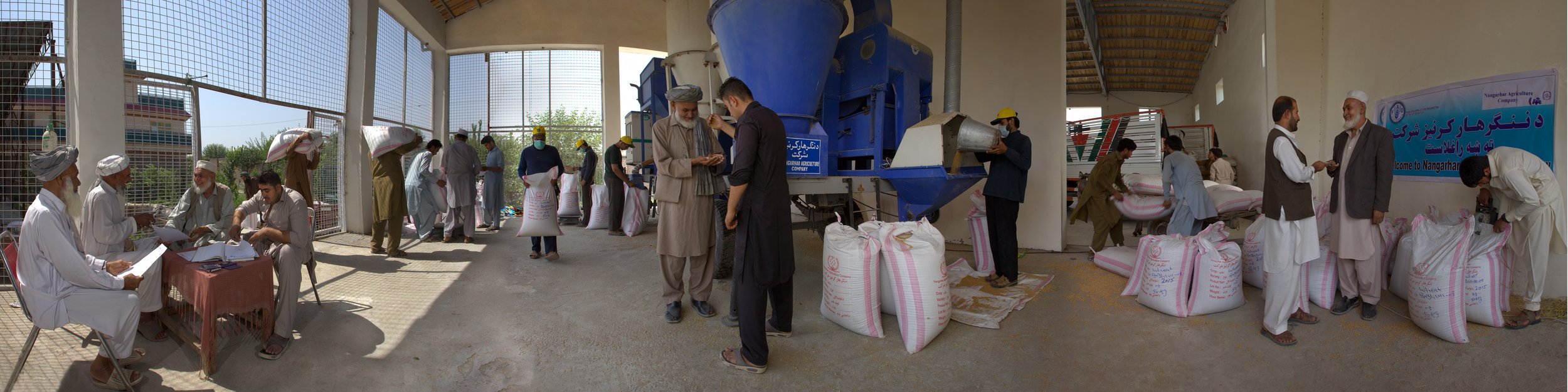
The UN70 campaign, remembered through the UN Afghanistan archive, highlighted the strength and contribution of Afghan people. Its message remains relevant to energy planning: durable progress depends on Afghan leadership, local knowledge and partnerships that expand people’s ability to shape their own future.
Why Renewable Energy Matters For Afghanistan
Afghanistan’s geography makes nationwide energy delivery difficult. Mountainous terrain, scattered settlements and long distances between population centres increase the cost of extending conventional grids. In some areas, a stand-alone solar system or a community-scale mini-grid may be more practical than a large transmission project.
Solar energy is especially promising because sunlight is widely available across the country. Solar home systems can support lighting, phone charging and basic appliances, while larger photovoltaic installations can power schools, clinics, water pumps and productive businesses. Small hydropower may serve communities near suitable waterways, although seasonal flows, watershed conditions and climate pressures must be carefully assessed.
Renewable energy also supports resilience. A health facility with dependable electricity can refrigerate medicines, provide safer maternity care and operate communications equipment. A farmer with solar-powered irrigation may reduce dependence on diesel. A shop, workshop or food-processing enterprise can stay open longer when its energy supply is stable.
The Role Of UN Technical Cooperation
Technical cooperation is broader than supplying equipment. It involves helping national institutions and communities identify suitable technologies, establish standards, train personnel, collect reliable data and manage projects. The United Nations can contribute by bringing together government bodies, development partners, engineers, civil society organizations and local communities around shared energy priorities.
A first step is often an energy assessment. This can map solar radiation, water resources, wind conditions, existing infrastructure, energy demand and the capacity of local service providers. Good data helps prevent poorly designed projects, especially where equipment must function in harsh weather, difficult terrain or areas with limited repair services.
Policy and regulatory support is equally important. Clear rules for mini-grids, connection standards, tariffs, licensing, procurement and consumer protection can give investors and communities greater confidence. Technical advice can also help public institutions compare options fairly, considering lifetime costs rather than focusing only on the initial purchase price.
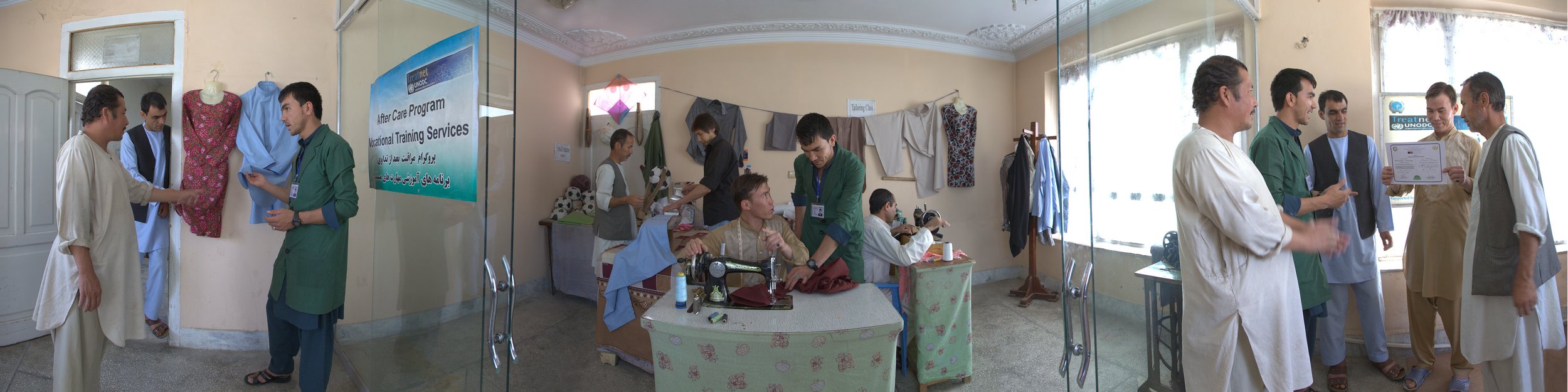
The UN system can further support capacity development. Afghan universities, vocational institutes, municipal authorities, technicians and entrepreneurs need opportunities to build skills in system design, installation, battery management, safety, financial planning and maintenance. Local capacity reduces dependence on outside contractors and creates employment connected to the clean-energy transition.
Technologies Suited To Local Needs
There is no single renewable solution for every province or settlement. A practical energy strategy should match technology to local resources, population density, demand patterns and the ability to operate and repair equipment. A village school may need a modest solar-battery system, while a district centre could require a hybrid mini-grid combining solar generation, storage and another dependable source.
| Energy option | Appropriate use | Main benefits | Technical considerations |
|---|---|---|---|
| Solar home systems | Lighting, charging, basic household electricity | Quick deployment and useful for dispersed homes | Battery replacement, quality control and user training |
| Solar mini-grids | Villages, markets, clinics and schools | Can support productive activities and shared services | Demand forecasting, tariff design and local operators |
| Small hydropower | Communities near reliable waterways | Potentially steady local generation | Seasonal flows, civil works and environmental safeguards |
| Solar water pumping | Drinking water and irrigation | Reduces diesel costs and improves water access | Groundwater management, pump sizing and maintenance |
| Wind power | Selected high-resource locations | Diversifies renewable generation | Reliable wind data, transport logistics and equipment servicing |
| Hybrid systems | Larger or critical facilities | Combines renewable sources and storage | Controls, battery safety and clear operational responsibility |
Solar mini-grids deserve particular attention because they can provide electricity for both household and economic use. If systems are designed only for lighting, their wider development value may be limited. Productive loads such as milling, refrigeration, carpentry, telecommunications and agricultural processing can improve local incomes and strengthen the financial sustainability of the system.
Battery storage is another key element. It allows electricity generated during sunny hours to serve evening demand and can improve reliability during short periods of low production. However, batteries require careful procurement, safe installation, monitoring and a plan for replacement and eventual disposal. Technical cooperation can help establish these practices before systems are deployed at scale.
Linking Energy Access With Community Development
Renewable power has the greatest effect when it is connected to local priorities. Community participation can clarify when electricity is needed, which services should receive priority and how households or businesses can contribute to operating costs. It can also reveal cultural, environmental or land-use concerns that may be missed by a remote project design team.
Women and young people should have meaningful roles in energy planning and employment. Women often have detailed knowledge of household energy use, water collection and health needs, while young people can develop careers in installation, digital monitoring, appliance repair and enterprise management. Training programmes should address barriers to participation rather than assuming that technical work will be equally accessible to everyone.
Energy projects can support public services in ways that extend beyond electricity access. Solar systems can power vaccine refrigerators, lighting for classrooms, internet equipment, water treatment and communications. In rural areas, reliable power can help health workers remain connected with referral centres and enable students to study after sunset.
The connection with livelihoods is just as important. Electricity can improve agricultural storage, reduce post-harvest losses and support small manufacturing. A UN-supported approach should therefore measure outcomes such as school attendance, clinic operation, household expenditure, business revenue and time saved, rather than counting installed panels alone.
Building Reliable And Sustainable Systems
A renewable energy project can fail even when the technology works. Common risks include weak maintenance arrangements, unclear ownership, undersized equipment, poor-quality components and tariffs that do not cover routine costs. Technical cooperation should address the full life cycle of a project, from feasibility and procurement to operation, repair, upgrading and decommissioning.
Local service networks are essential. A community should know who will inspect the system, where spare parts can be obtained, how faults will be reported and who is authorized to carry out repairs. Training several technicians in a region can reduce downtime and create a competitive market for maintenance services.
Climate and environmental safeguards also belong in project planning. Hydropower proposals need assessment of water availability, downstream effects and competing uses. Solar installations require responsible land selection and a plan for managing damaged panels and batteries. Construction should avoid unnecessary harm to ecosystems, cultural sites and productive agricultural land.
Affordability must be considered alongside engineering. User fees, targeted subsidies, community contributions and public financing can be combined in different ways. Transparent arrangements help ensure that low-income households and essential public services are not excluded, while operators still have enough revenue to keep systems functioning.
Cooperation Across Institutions And Partners
Afghanistan’s renewable energy development requires coordination among national authorities, provincial administrations, communities, universities, private companies, humanitarian actors and development agencies. Fragmented projects can lead to incompatible equipment, duplicated assessments or systems that cannot be integrated into wider planning.
The United Nations can help create spaces for coordination and shared learning. This may include technical working groups, common guidelines, project databases, training partnerships and exchanges between communities. A coordinated approach also makes it easier to align renewable energy with priorities in health, education, agriculture, water management, disaster risk reduction and poverty reduction.
International cooperation should reinforce Afghan institutions rather than replace them. National and local authorities need access to data, planning tools and professional expertise so that they can make informed decisions and oversee implementation. Afghan engineers, businesses and civil society organizations should be treated as partners with knowledge to contribute, not simply as project beneficiaries.
The UN70 theme of a strong United Nations supporting a strong Afghanistan offers a useful lens for this work. A strong partnership is measured by the capabilities it helps build and the local leadership it enables. Renewable energy cooperation will be most durable when communities can influence decisions, institutions can enforce standards and Afghan professionals can manage the systems that serve them.
Priorities For A Practical Energy Transition
A focused programme can combine immediate improvements with longer-term planning. The following priorities would help turn renewable energy potential into dependable public value:
- Map renewable resources, existing infrastructure and community energy demand using transparent, accessible data.
- Expand solar mini-grids and stand-alone systems for schools, clinics, water facilities and productive rural enterprises.
- Establish training and certification pathways for Afghan technicians, operators, entrepreneurs and public officials.
- Create clear standards for procurement, installation, batteries, safety, tariffs, consumer rights and end-of-life equipment.
- Link energy finance to measurable results in health, education, livelihoods, inclusion and climate resilience.
These priorities should be adapted to local conditions rather than applied as a single national template. A remote settlement, a provincial hospital and an agricultural market will have different energy profiles and different capacity to pay. Pilot projects can generate evidence, while independent monitoring can show which models are technically sound, financially realistic and socially inclusive.
The most effective cooperation also makes room for learning from failure. Projects should document equipment performance, maintenance costs, user satisfaction and unexpected impacts. Sharing this information across provinces and institutions can improve future investment and reduce the repetition of avoidable mistakes.
Afghanistan’s renewable energy future will be shaped by decisions made at many levels: national policy, local planning, household choices and the daily work of technicians. UN technical cooperation can connect these levels through evidence, training, coordination and support for Afghan-led solutions. The objective is a resilient energy system that serves people consistently, protects natural resources and expands opportunities.
The archived UN Afghanistan campaign remains a reminder that development is ultimately about people and their contributions. Support the continued conversation on renewable energy by sharing credible evidence, strengthening local technical capacity and backing partnerships that put Afghan communities at the centre of energy planning.