
Making a Difference
Afghan Women’s Mental Health and Community Care in Afghanistan
Afghan women’s mental health is closely connected to safety, family wellbeing, economic security and access to basic health services. Years of conflict, displacement, poverty and restrictions on women’s lives have increased exposure to grief, anxiety, depression and trauma. For many women, emotional distress is experienced alongside pregnancy, caring responsibilities, chronic illness or uncertainty about the future.
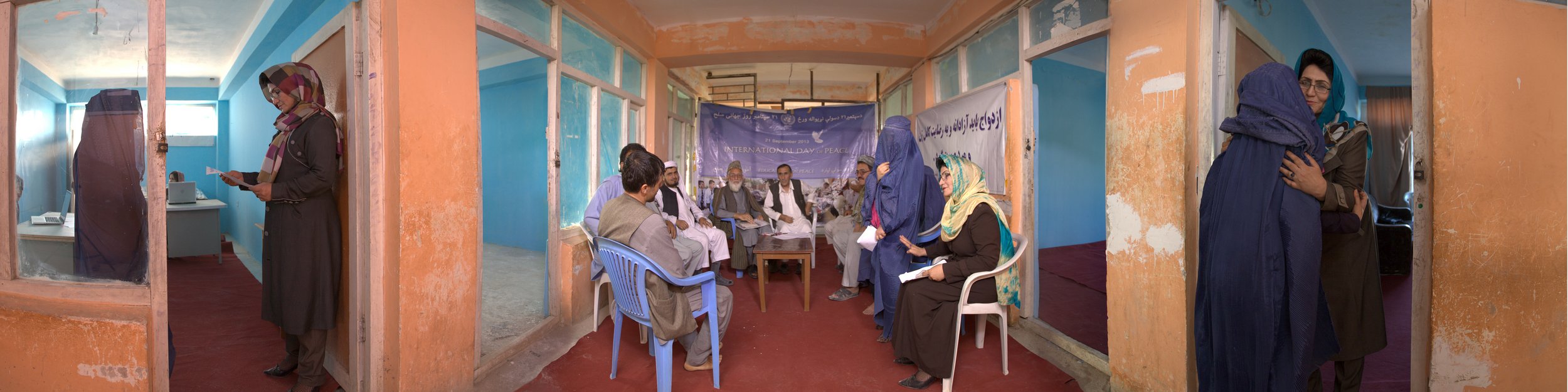
Community counselling centres can provide a practical first point of support. When services are located near homes, clinics, women’s groups or trusted community organisations, people may be more willing to seek help before a crisis develops. United Nations partnerships have helped place women’s health, psychosocial support and referral pathways within broader humanitarian and development work in Afghanistan.
Why Community-Based Support Matters
Mental health care in Afghanistan has often been concentrated in major urban areas, while many women live in rural districts or communities affected by displacement. Travel can be expensive and unsafe, and social expectations may make it difficult for a woman to attend a specialist appointment alone. A local centre can reduce these barriers by offering a familiar, discreet setting.
Community counselling does not need to begin with a formal psychiatric diagnosis. A trained counsellor may provide supportive listening, basic psychological assistance, safety planning and information about further care. This early contact can help identify severe depression, suicidal thoughts, domestic violence, trauma symptoms or other conditions requiring specialist attention.
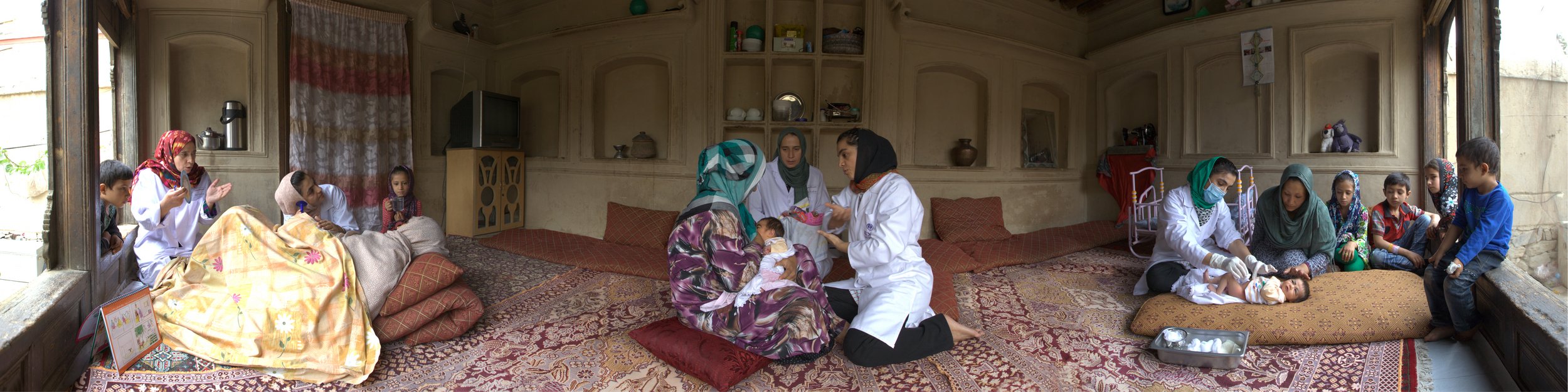
A centre may also work through outreach visits, women’s health sessions and referrals from midwives or primary care workers. These links matter because emotional and physical health frequently overlap. UN-supported health initiatives have highlighted the value of integrated services, including women’s health services, where reproductive care and wider wellbeing can be addressed through connected systems.
Trust, Privacy and Cultural Safety
For many Afghan women, trust is the foundation of mental health support. A counsellor who speaks the local language, understands community customs and respects religious and family values may be better placed to create a safe relationship. Female staff can be especially important when women are discussing sexual health, intimate partner violence, pregnancy loss or experiences of conflict.
Confidentiality must be explained clearly. Women need to know who can access their information, when a referral is necessary and how personal details will be protected. A private room, a careful appointment system and discreet communication can make a significant difference in communities where seeking psychological help may attract gossip or stigma.
Culturally responsive care does not mean assuming that every woman has the same needs. A young woman living with her parents, a widow supporting children, a displaced person in an informal settlement and an older woman caring for a disabled family member may require different forms of assistance. Counselling should allow women to describe distress in their own words rather than forcing every experience into unfamiliar clinical language.
The Role of Women Health Workers
Women health workers often serve as the bridge between a community and a formal care system. They may identify changes in mood during antenatal visits, hear concerns during home-based care or recognise signs of trauma when helping with medication and nutrition. With suitable training and supervision, these workers can offer basic psychosocial support and refer complex cases.
Their work also helps challenge the idea that mental health is separate from everyday health. Sleep problems, headaches, fatigue, pain and loss of appetite may be signs of psychological distress, although they can also indicate physical illness. A careful assessment helps avoid dismissing symptoms as either “just stress” or a purely medical condition.
Supervision is essential. Community workers need regular guidance, safe ways to discuss difficult cases and clear escalation procedures. They should not be expected to manage serious risk alone. A functioning referral network may include primary health centres, psychologists, psychiatrists, protection services, women’s shelters where available and emergency contacts.
The Australian experience offers a useful point of comparison. In Sydney and Melbourne, Afghan community members may encounter GPs, counsellors, multicultural health services and telephone support lines, while a rural Afghan woman may have far fewer choices. The lesson is relevant in both settings: trained community workers can improve access, but they need reliable services behind them.
Common Sources of Psychological Distress
Afghan women may experience distress after losing relatives, homes, livelihoods or access to education. Displacement can fracture social networks and create overcrowded living conditions. Financial pressure may increase conflict within households, while restrictions on work and movement can produce isolation and a loss of purpose.
Pregnancy and childbirth can intensify existing vulnerability. Fear surrounding delivery, previous pregnancy loss, limited access to skilled care and concerns about a child’s health may contribute to anxiety or depression. Women who are caring for several children while managing poverty can become exhausted without describing themselves as unwell.
Violence is another major concern. Counselling centres must be prepared to respond safely to domestic abuse, forced marriage, exploitation and other forms of gender-based violence. Asking about violence requires privacy, sensitivity and a plan for immediate protection. Pressuring a woman to confront an unsafe person or disclose information publicly can increase danger.
Support should recognise strengths as well as suffering. Afghan women sustain families, organise neighbourhood assistance, teach children, manage scarce resources and contribute to local economies. A strengths-based approach can acknowledge these capacities while still making room for grief, anger and fear. Respectful care does not require women to appear resilient at every moment.
Reaching Women Beyond the Main Cities
Services in Kabul, Herat, Mazar-e Sharif and other urban centres may be easier to coordinate because hospitals, training institutions and humanitarian organisations are nearby. Yet urban access is not guaranteed. Transport costs, overcrowding, insecure neighbourhoods and lack of privacy can prevent women from attending appointments.
Rural and displaced communities require flexible delivery. Outreach teams, women-friendly spaces, mobile health visits and carefully managed telephone support can extend the reach of a centre. Any remote option must account for limited phone ownership, shared devices, poor connectivity and the risk that another household member may overhear a conversation.
Referral information should be simple and practical. A woman may need to know where to go, how much it costs, whether a female provider is available and what will happen at the first appointment. Services are more accessible when they coordinate transport, interpretation, disability support and child-friendly arrangements.
This is also where lessons from Australia’s service market are useful, although the resources are very different. Australians may compare public mental health care with private psychologists, GP referrals, employee assistance programmes and telehealth platforms; people in Afghanistan may have no affordable equivalent nearby. A community centre must therefore minimise fees and administrative barriers rather than assuming that a private appointment is a realistic fallback.
Building Sustainable Care and Public Understanding
Short-term projects can open counselling rooms and train staff, but long-term care depends on continuity. Centres need dependable funding, safe premises, qualified supervision, referral agreements and supplies for outreach. Local organisations should have a meaningful role in planning so programmes reflect community priorities rather than operating as temporary external projects.
Monitoring should protect dignity. Useful measures may include waiting times, referral completion, client safety, continuity of care and whether women feel respected. Counting appointments alone does not show whether a service is helping. Feedback can be gathered anonymously through trusted women’s groups or community representatives, with safeguards against exposing personal information.
Public education can reduce stigma when it uses familiar language. Radio programmes, health talks and community discussions can explain that persistent sadness, panic, trauma reactions and thoughts of self-harm deserve care. Religious and community leaders may help encourage compassion, provided messages do not blame women or treat suffering as a moral failure.
Australian audiences can support this work through informed advocacy and responsible engagement with Afghan-led organisations. Afghan community associations in cities such as Adelaide, Brisbane and Perth often understand the importance of language, trust and family networks. Their perspectives can improve humanitarian communication and help connect local solidarity with credible international programmes.
Mental health support for Afghan women is strongest when it is close to daily life: linked with primary care, reproductive health, protection services, education and livelihoods. Community counselling centres cannot resolve the political and economic pressures that contribute to distress, but they can offer a confidential place to be heard, receive practical help and reach further care.
Support the visibility of Afghan-led health initiatives by sharing reliable information, backing organisations with transparent safeguarding standards and encouraging policymakers to fund women-centred psychosocial services. Sustained attention from the international community, including Australia, can help ensure that emotional wellbeing remains part of essential health care rather than an overlooked extra.