
Making a Difference
Afghan women’s health and UN reproductive health services
Afghan women’s health is closely connected to access, safety, information and the ability to make decisions about pregnancy and family life. In Afghanistan, reproductive health services have long been delivered in settings ranging from public hospitals and health centres to rural outreach posts, mobile clinics and community midwife programmes. These services help women receive care before, during and after childbirth, while also supporting newborns and families.
The United Nations has worked with Afghan institutions, local organizations and health workers to expand essential care. Agencies such as UNFPA, WHO and UNICEF have supported maternal and newborn health, family planning, health-system capacity, disease prevention and emergency response. The work is part of a wider effort to ensure that women and girls can obtain respectful, confidential and medically appropriate services, including in remote communities.
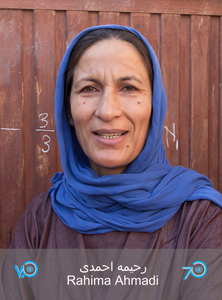
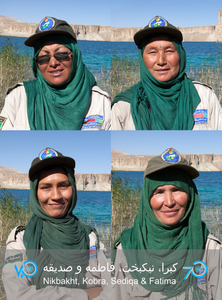
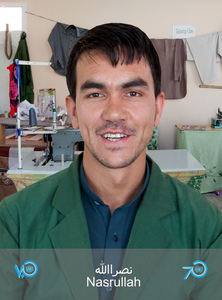
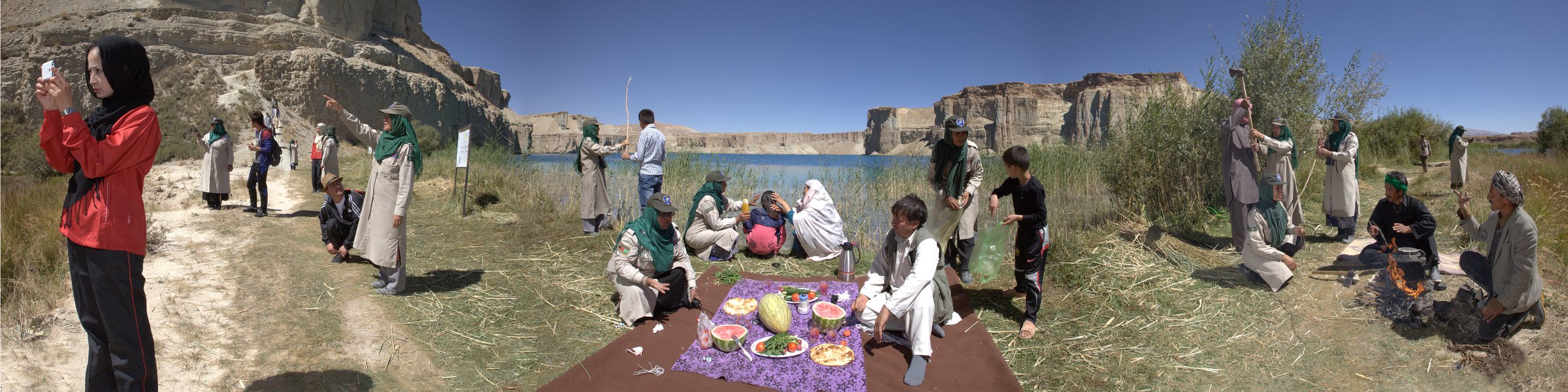
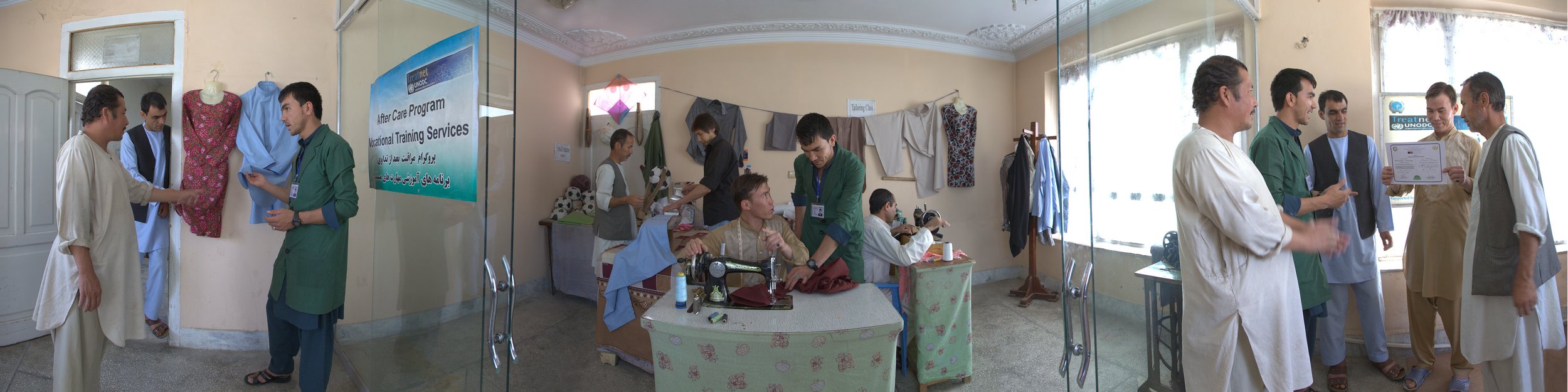
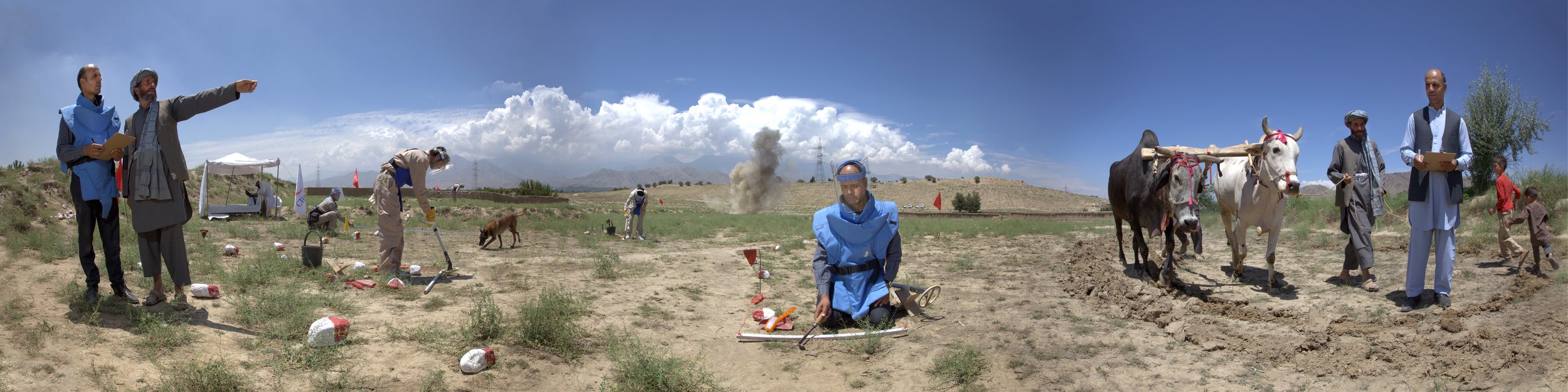
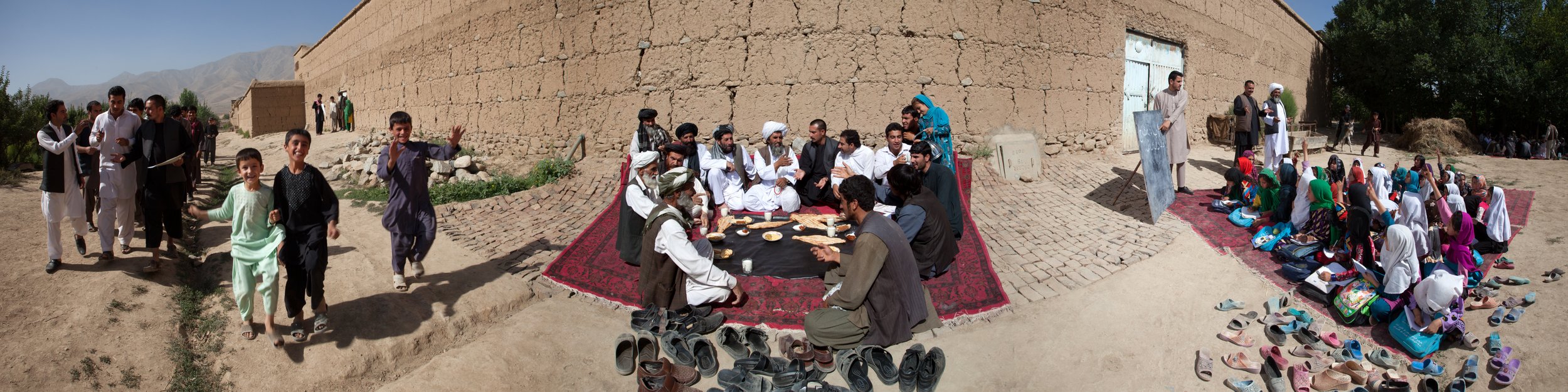
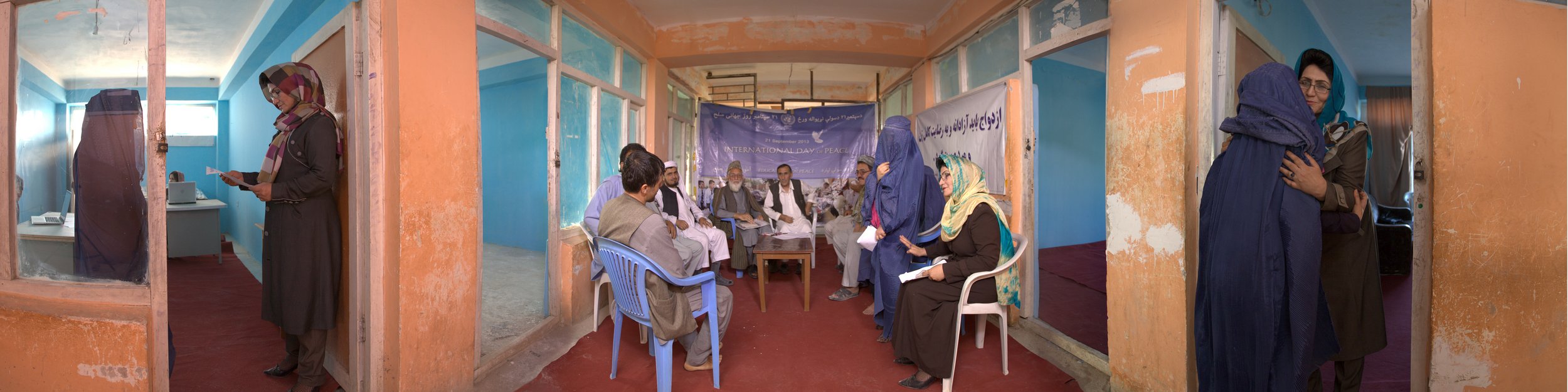
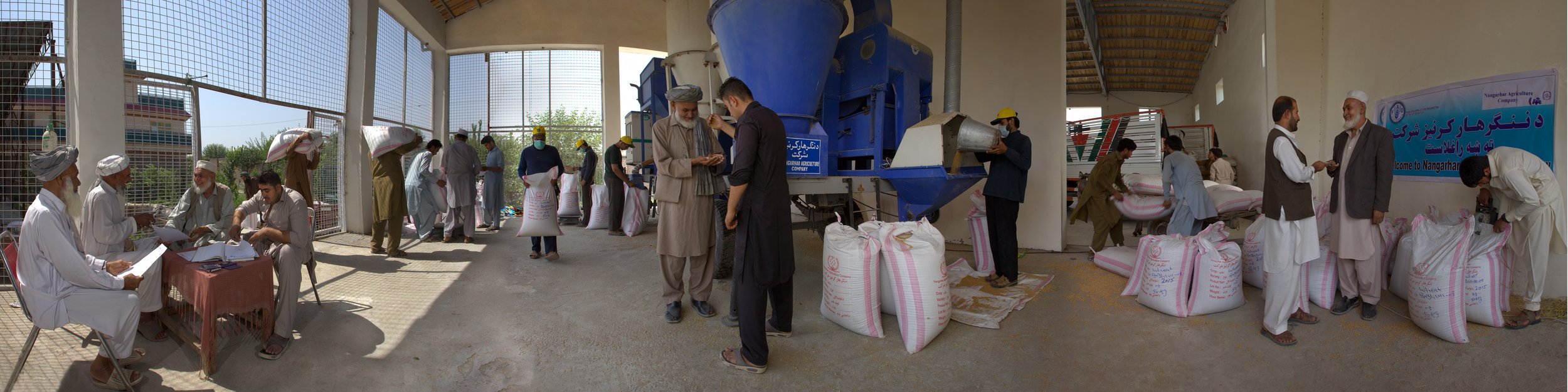
The archived UN Afghanistan UN70 campaign, built around the message “Strong UN. Strong Afghanistan.”, highlighted the contributions of Afghan people and the partnerships that sustain communities. Its stories offer useful context for understanding how international assistance is translated into local action. Reproductive healthcare is strongest when Afghan women, midwives, doctors, community leaders and institutions shape the services together.
The link between reproductive care and community wellbeing
Reproductive health includes far more than treatment during childbirth. It covers antenatal check-ups, skilled birth attendance, postnatal care, contraception, infertility information, prevention and treatment of sexually transmitted infections, and care following miscarriage or other pregnancy complications. Services should also include accurate information that allows women and couples to make voluntary, informed choices.
When these services are available, health risks can be identified earlier. A midwife may recognize high blood pressure during pregnancy, a health worker can refer a woman with signs of obstructed labour, and a postnatal visit can detect infection or complications affecting the mother or baby. Family planning can help people space pregnancies, which may benefit maternal health, household stability and child wellbeing.
Access remains uneven across Afghanistan. Distance, insecurity, poverty, transport costs, shortages of female health professionals and social restrictions can prevent women from reaching a facility. In some areas, a woman may need a trusted relative to accompany her, while seasonal flooding, harsh winters or damaged roads can make referral nearly impossible. These barriers show why reproductive health programmes need both well-equipped facilities and community-based services.
Services that support women through pregnancy and beyond
Maternal healthcare begins before delivery. Antenatal services provide screening, counselling, nutrition guidance, vaccination where appropriate and referrals for women with high-risk pregnancies. Skilled providers can discuss birth preparedness, danger signs and emergency plans so that families are better able to act when urgent care is needed.
Delivery care is another central part of the health system. Midwives and doctors assist with normal births, manage complications within their training and arrange referrals when surgery, blood transfusion or specialist treatment is required. Basic supplies, reliable electricity, clean water, infection prevention and functioning communications are essential to safe maternity care.
After childbirth, women need continued attention rather than a single discharge visit. Postnatal support can address bleeding, infection, hypertension, breastfeeding difficulties, depression and family planning. Newborn care is closely connected, including guidance on feeding, warmth, immunization and recognition of illness. A strong reproductive health programme therefore follows a woman and her child across the continuum of care.
| Area of care | What it can provide | Why access matters |
|---|---|---|
| Antenatal care | Health checks, counselling, screening and referral | Detects risks before labour and supports a safer pregnancy |
| Skilled delivery care | Midwife or doctor assistance and emergency referral | Reduces delays when complications arise |
| Postnatal care | Maternal recovery support, newborn checks and breastfeeding guidance | Identifies problems after birth, when families may be focused on the baby |
| Family planning | Voluntary counselling and a range of contraceptive options | Helps individuals plan and space pregnancies |
| Adolescent-friendly information | Confidential, age-appropriate education and care | Enables young people to seek help before health problems become severe |
| Gender-based violence response | Clinical care, psychosocial support and safe referral | Protects health, dignity and confidentiality |
Midwives bring care closer to Afghan families
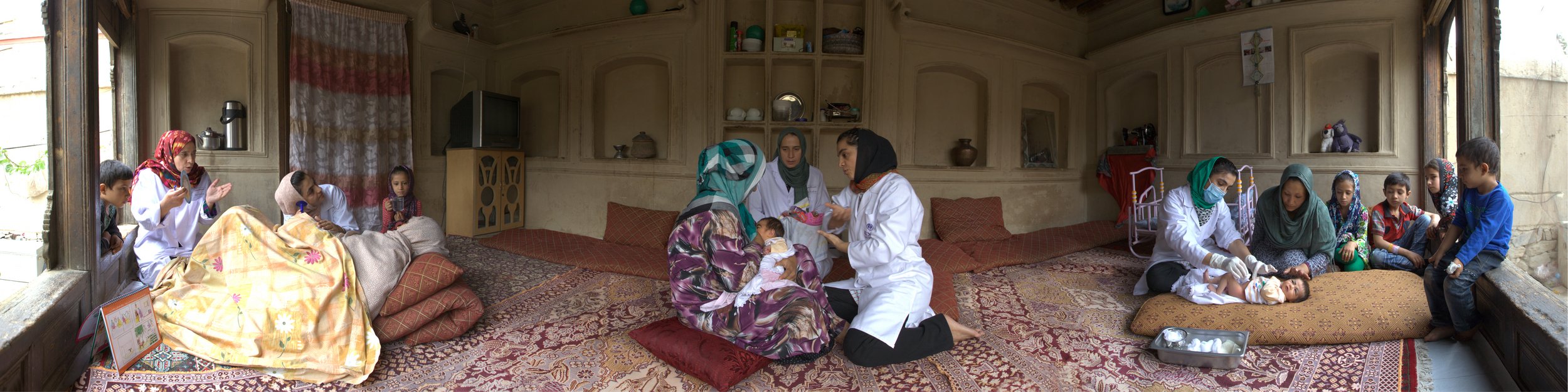
Community midwives have played a particularly important role in expanding women’s healthcare. In communities where cultural expectations make access to male providers difficult, trained female health workers can offer care that is more acceptable and accessible. They may work in health facilities, travel through outreach programmes or serve as a trusted link between households and the formal health system.
Their responsibilities can include antenatal counselling, routine examinations, birth assistance, postnatal follow-up and referral. They also help families understand when a symptom requires urgent attention. Because they live near the communities they serve, midwives often understand local languages, customs and practical barriers that outside providers may not see.
Training and retention are as important as recruitment. Health workers need supervision, continuing education, protective equipment, reliable salaries and safe working conditions. Rural facilities require adequate medicines, clean delivery rooms, transport arrangements and communications systems. Investment in these foundations helps ensure that a woman does not lose access to care when a trained provider is transferred, a clinic closes or an emergency occurs.
Reaching women during crisis and displacement
Humanitarian emergencies can interrupt every stage of reproductive healthcare. Conflict, displacement, disease outbreaks, natural disasters and economic hardship may force families to move away from their usual clinic. Pregnant women can lose access to records, medicines and familiar providers, while displaced women may face overcrowded shelters and limited privacy.
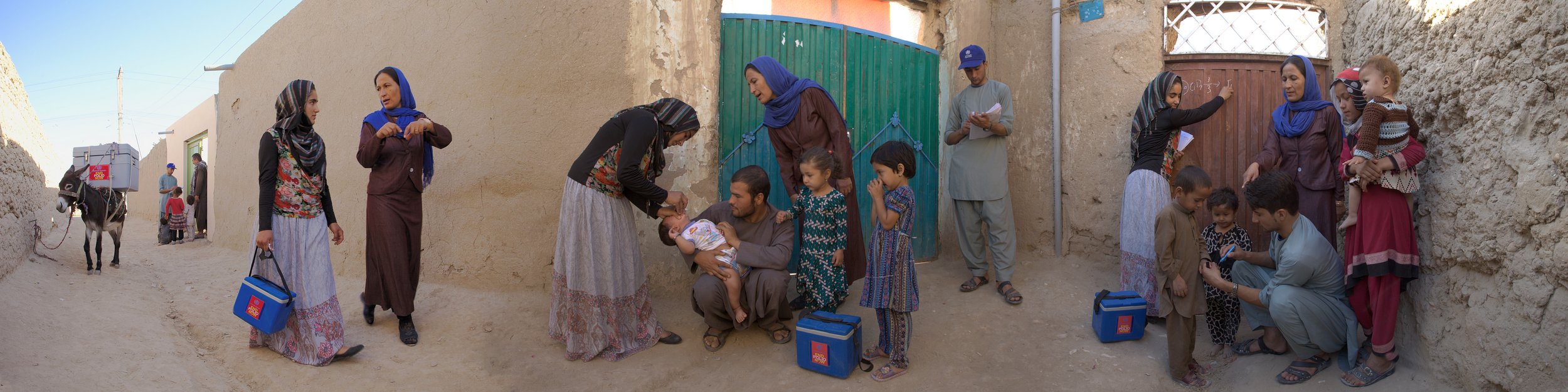
Emergency reproductive health services aim to preserve essential care under these conditions. Mobile teams may provide antenatal consultations, contraception, treatment for common infections and referrals. Temporary clinics can support displaced communities, while hospitals and health centres prepare for urgent obstetric care. Women also need clean delivery supplies, menstrual hygiene materials and accurate information about where assistance is available.
Continuity is crucial. A mobile consultation is valuable, but it cannot replace a functioning referral network. Health programmes need clear links between community workers, primary facilities and hospitals. Transport, communication and case documentation can determine whether a woman with a serious complication reaches appropriate care in time.
Protection concerns must be addressed alongside medical needs. Women and girls affected by violence may require clinical treatment, psychological support, legal information and confidential referral. Services should be survivor-centred, voluntary and designed to protect privacy. Staff must be trained to avoid blame, protect sensitive information and respond without exposing a woman to additional danger.
Choice, confidentiality and respectful treatment
Quality healthcare is measured by more than the number of consultations delivered. Women should be treated with respect, receive understandable information and participate in decisions about their care. Informed consent matters in examinations, contraception, childbirth interventions and referrals. A provider’s responsibility includes explaining options, benefits, risks and alternatives in language the patient can understand.
Family planning is an important part of this approach. Voluntary contraception counselling can help women and couples choose whether and when to have children. A range of methods, trained counsellors and reliable supplies are needed so that decisions are based on preference and medical suitability rather than pressure or misinformation. Services should also respond to side effects and allow clients to change methods when their circumstances change.
Adolescents and women with disabilities may face additional barriers. They can be overlooked in facility design, excluded from health information or discouraged from seeking care. Accessible buildings, confidential counselling, trained staff and communication adapted to different needs can make services more inclusive. Community engagement is most effective when it includes women, elders, religious figures, youth representatives, disability advocates and health workers.
Respectful care also strengthens trust. When women believe that a clinic will protect their confidentiality and treat them fairly, they are more likely to return for follow-up, seek help early and share accurate information about their symptoms. Trust supports better health outcomes across the household and the wider community.
Measuring progress through partnership
International agencies provide technical expertise, supplies, financing and coordination, but sustainable healthcare depends on Afghan leadership. The Ministry of Public Health, provincial authorities, local organizations, professional associations and community representatives each have a role in planning and delivering services. Partnerships work best when priorities reflect local conditions rather than applying one model everywhere.
Useful measures include the number of women receiving antenatal and postnatal care, access to skilled birth attendants, availability of essential medicines, contraceptive choice, referral completion and the quality of emergency obstetric services. Data should be separated by location, age and other relevant factors so that underserved communities are not hidden within national averages.
Numbers should be combined with the experiences of women using the system. Feedback can reveal whether a clinic is open when people need it, whether staff communicate clearly, whether privacy is respected and whether fees or transport costs prevent attendance. Community feedback mechanisms need to be safe, confidential and accessible to women who may not be able to speak publicly.
The UN70 campaign’s focus on Afghan contributions is relevant here. Afghan health workers and communities are not passive recipients of assistance. They are central to identifying priorities, adapting services and sustaining progress. International support is most valuable when it strengthens local capacity, supports accountable institutions and helps Afghan professionals continue serving their communities.
Priorities for stronger reproductive healthcare
Long-term progress requires practical investment across the entire health system. Facilities need dependable supplies and referral arrangements, while workers need training, supervision and protection. Community outreach must complement facility care, especially in rural and underserved areas.
Programmes should also recognize that health outcomes are shaped by education, nutrition, household income, transport and protection from violence. A woman may understand the importance of antenatal care yet still be unable to attend because the road is unsafe or the family cannot afford transport. Effective planning addresses these connected barriers rather than treating healthcare as an isolated service.
Key priorities include:
- Expand community midwife and female health-worker programmes in underserved districts.
- Maintain reliable supplies for contraception, safe delivery, newborn care and infection prevention.
- Strengthen emergency referral systems, including transport, communications and hospital readiness.
- Provide confidential, survivor-centred services for women and girls affected by gender-based violence.
- Use community feedback and disaggregated data to improve quality and reach.
Afghan women’s health depends on consistent access to care before pregnancy, during childbirth and throughout recovery. It also depends on the dignity, safety and freedom of choice that should accompany every clinical service. Reproductive health programmes can save lives, but their wider value is found in the confidence they give families and the opportunities they create for communities.
The archived UN Afghanistan campaign remains a record of partnership and public service, while the need for strong health systems continues beyond any single campaign. Support for Afghan-led healthcare institutions, trained professionals, community organizations and humanitarian partners helps preserve essential reproductive health services. Sharing reliable health information, backing women health workers and sustaining responsible international cooperation are concrete ways to help build a healthier, stronger Afghanistan.