
Making a Difference
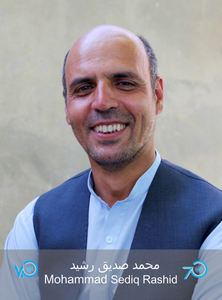
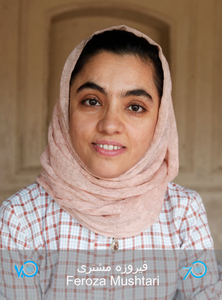
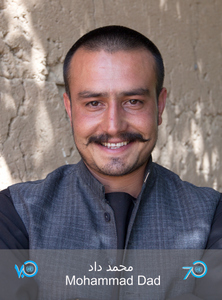
Afghan solar microgrids bring UN-installed power to remote clinics
Across much of Afghanistan, a dependable electricity supply can still be as distant as the nearest large town. Mountain roads, winter snow and long supply routes leave many health facilities operating for part of the day on unreliable service or diesel generation. A solar energy microgrid changes that equation: local panels charge batteries that run a clinic after sunset, protect medical refrigerators and keep communications open when wider networks fail.
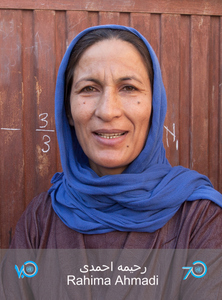
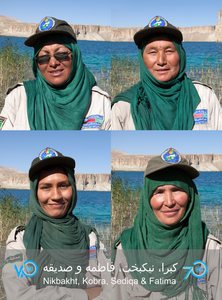
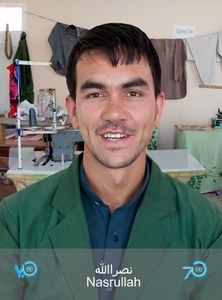
For Australian readers, solar power and battery storage are familiar parts of everyday life, yet the scale of remote health service in Afghanistan is different. The UN70 Strong UN. Strong Afghanistan. campaign placed Afghan voices and locally led partnership at the centre of this work. Afghan solar energy microgrids show what that approach can deliver when power is treated as essential health infrastructure rather than an optional convenience.
Health care starts where the grid ends
Useful electricity at a rural clinic goes far beyond lights and a socket in a waiting room. A facility may need refrigeration for vaccines, dependable lighting for examinations, a laboratory analyser, equipment for sterilisation, water for hygiene and a radio or phone connection with district staff. An outage can therefore affect medicine, diagnosis and communication at the same time. Running essential services from a small local system makes their operating time more predictable.
UN support is most useful when Afghan institutions lead the design, installation and future operation of these systems. Agencies can help specify equipment, procure quality components, fund installation and arrange training, while Afghan engineers and health staff adapt the package to local loads and conditions. The handover matters as much as the commissioning date: technicians need local access, spare parts, clear fault-finding procedures and a realistic route for replacing batteries or damaged components.
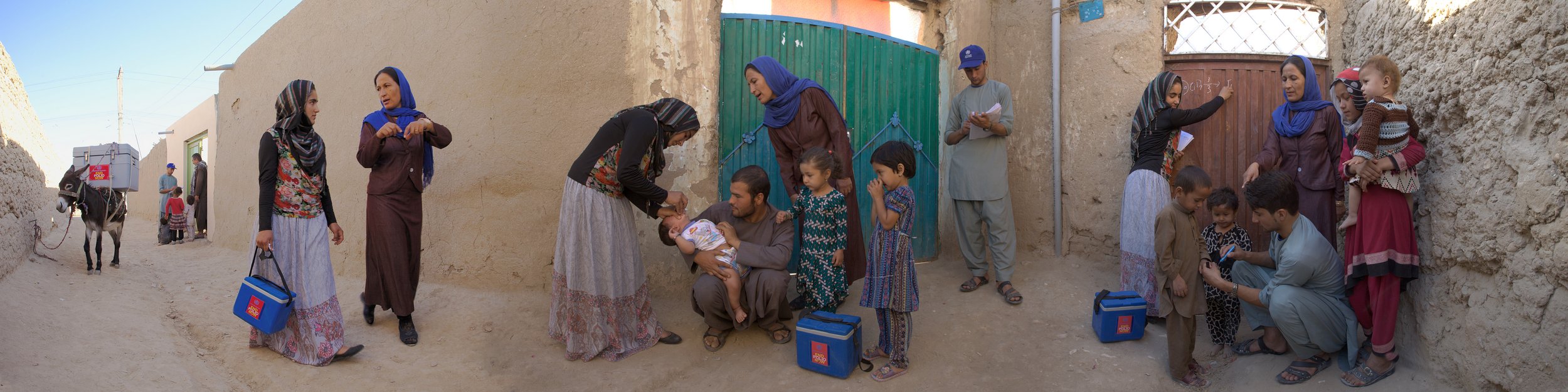
Vaccination demonstrates the value of continuity. Vaccines must remain within a controlled temperature range, and health workers need power for refrigerators and for coordinating outreach. The UN Afghanistan account of frontline vaccination work shows the wider human setting behind cold-chain requirements. A clinic with reliable electricity can protect supplies and give nurses, vaccinators and drivers more time to focus on reaching communities.
How a small grid carries a large burden
A clinic-scale microgrid is a coordinated set of assets rather than a lone solar panel. A photovoltaic array feeds a charge controller; energy is stored in a battery bank and converted for clinic use by an inverter, with protection and distribution equipment carrying it safely to each circuit. Some power can serve daytime loads directly, while surplus charges the batteries. The batteries then cover evening consultations, overnight refrigeration and critical equipment when the sun is down.
Capacity has to be based on measured demand. Engineers examine which appliances run together, their peak electrical load and their daily energy use, then calculate how much storage is needed for nights or cloudy periods. Local conditions affect the result, from snow accumulation on panels to dust, heat and the difficulty of moving heavy replacement batteries. A modest system for a single health post may need a larger design than one serving a busy district hospital, and no solar calculation should promise more reliability than the equipment can provide.
Long-term performance depends on maintenance that fits the location. Panels need periodic cleaning and inspection; batteries require monitoring and eventual replacement; controllers, inverter settings and electrical connections need regular checks. A service plan should identify who responds to a fault, how spare parts reach the clinic and how the system is funded when a component fails. Good monitoring can record voltage, battery condition and energy flows, giving technicians evidence instead of guesswork when a cold-chain refrigerator starts to behave irregularly.
Afghan expertise keeps the lights on
Infrastructure becomes dependable when the people using it have authority over it. In remote Afghan districts, that may mean a nurse who knows how clinic equipment behaves, a technician who can travel within the district or a local authority involved in contracts and budgeting. Training delivered in familiar language, alongside diagrams and hands-on practice, gives participants a stronger basis than a brief handover. It also creates a pathway for a young person to enter electrical work or health facility operations.
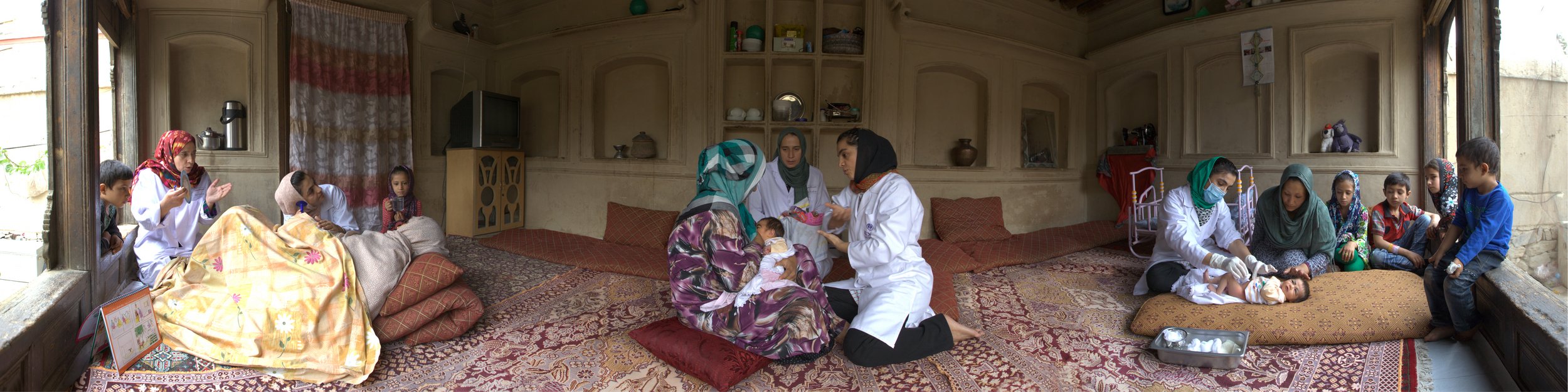
Women are central to both health care and energy access in many communities. Female nurses, midwives and community health workers often understand the barriers patients face, while women can make important contributions as solar technicians, engineers, equipment officers and maintenance staff. Their participation should be supported through practical training, safe working conditions and paid roles, with opportunities to progress beyond entry-level tasks. Community approval is built when local workers can explain the system and influence decisions about it.
A well-sized clinic microgrid can also support adjacent public services where the design allows. Power may extend to staff accommodation, a community meeting space, a water pump or a communications point, creating value beyond the examination room. Loads still need to remain within safe capacity, and expansion should follow an updated assessment rather than assumptions that spare electricity is always available. The strongest model treats the clinic as an anchor service while giving nearby users a clear, affordable share of a limited network.
Lessons from Australia's remote health hubs
Northern and central Australia offer a useful point of comparison. Health services around places such as Katherine, Tennant Creek, Alice Springs and the Kimberley operate across long distances, and the Royal Flying Doctor Service treats people in some of the most isolated parts of the country. In many locations, the electricity supply ends at the town boundary. A clinic, pastoral station or roadhouse beyond it may use a hybrid arrangement in which solar, batteries and a diesel generator share the load, with the generator reserved for peak demand or prolonged cloudy weather.
The electricity market works differently in remote Australia. In the populated eastern and southern states, most households buy power from a state or territory retailer, while large generators participate in the National Electricity Market. Remote facilities often sit outside that market structure, so equipment tends to be bought through public health procurement, a service provider or an NGO contract. Aboriginal Community Controlled Health Services and organisations such as the RFDS also make purchasing decisions shaped by distance, Aboriginal governance and the need for assets to remain useful for many years. In Australian planning conversations, people commonly describe supply arrangements as “off-grid” or “hybrid”, while operators focus on whether the lights stay on through a blackout rather than on peak daytime generation.
The common lesson is about whole-of-life cost rather than panel prices. Specifiers need to compare purchase, installation, fuel savings, battery replacement, travel, outages and service contracts. Local trades with the skills to maintain equipment are essential, as are spare-parts plans and standard electrical work practices. Afghan and Australian engineers face different regulatory and security environments, so Australian experience should inform questions without overruling Afghan leadership. The transferable principle is simple: decentralised power works best when maintenance capacity travels with the technology.
Keeping the promise beyond the campaign
The value of a clinic microgrid is measured over years of service. It can mean uninterrupted refrigeration, safer care after dark, working communications and fewer hours spent troubleshooting a generator. Those gains become meaningful when Afghan health workers and technicians can keep the system running without waiting for an outside mission. The UN70 campaign archive preserves stories of that capacity, but the infrastructure still depends on ordinary budgets, replacement parts and respect for the people who operate it.
UN partnership works best as support around Afghan ownership, not as a substitute for it. International expertise and funding can open access to suitable equipment and technical training; Afghan health authorities, engineers and communities determine priorities and sustain the service. Recognising local contribution also changes who is seen as an expert. A rural nurse diagnosing a weak connection or a technician improving an installation schedule may know more about daily reliability than a distant donor can infer from a set of project documents.
Support locally led health and energy work, share Afghan voices through trusted professional and community networks, and use the UN’s official Afghanistan channels to find current information and ways to engage. Every clinic kept in operation by Afghan hands demonstrates a central promise of the Strong UN. Strong Afghanistan. campaign: practical progress grows when communities have the power, skills and partners to shape it.