
Making a Difference



Fortified Biscuits And School Meals In Afghanistan
For many children in Afghanistan, a school meal can be the difference between attending class hungry and having enough energy to read, write and take part. In communities affected by displacement, drought, poverty and disrupted markets, a simple food ration can support both learning and household resilience.
United Nations-backed school feeding programmes have used fortified biscuits as a practical way to deliver calories and essential micronutrients to children. These compact, shelf-stable foods can be transported to remote districts, stored without refrigeration and distributed during the school day.
The biscuit is only one part of a wider effort. Effective school feeding also depends on safe water, functioning schools, reliable roads, community participation and policies that keep girls and boys connected to education. For an Australian audience, the model may seem quite different from a school canteen or tuckshop, yet the underlying idea is familiar: children learn better when they are properly nourished.
Why School Meals Matter In Afghanistan
Afghanistan has faced long-running humanitarian pressures, including conflict, economic hardship, internal displacement and severe climate events. Families may struggle to afford a varied diet, while local food prices and transport costs can change quickly. A child who arrives at school without breakfast may find it difficult to concentrate, especially during a long morning of lessons.
School feeding can reduce that immediate burden. When food is provided at school, families receive practical support and children have a stronger reason to attend regularly. The benefit is especially important for households with several children, where parents may have to decide which essentials to buy each week.
Food assistance can also protect education during periods of crisis. A dependable school ration does not solve poverty, insecurity or barriers to girls’ education, but it can help keep schools connected to their communities. In this sense, a biscuit distribution is part of a broader social protection response rather than a standalone nutrition project.
What Makes A Biscuit Fortified
Fortified biscuits are usually manufactured to provide concentrated energy in a small, durable serving. They may contain wheat or other cereals, vegetable fat, sugar, protein ingredients and added vitamins and minerals. Depending on the specification, nutrients can include iron, vitamin A, iodine and several B vitamins.
Their design suits difficult operating environments. A sealed packet is easier to count, transport and distribute than fresh food, and it can remain usable for longer when stored correctly. This matters in mountainous areas, remote villages and places where roads become difficult during winter or heavy rain.
These biscuits should be understood as a supplementary ration, not a complete diet. Children still need diverse foods, including grains, pulses, vegetables, fruit and protein sources. Fortification helps address particular nutrient gaps, but it cannot replace good household meals or a functioning health system.
The packaging and serving process also require care. Programme teams need to check expiry dates, protect cartons from moisture and pests, and make sure children receive a fair portion. Clear information for teachers and parents helps prevent the biscuits being mistaken for a general commercial snack.
How The UN Supply Chain Supports Schools
UN agencies and humanitarian partners typically coordinate several stages of school feeding: assessing need, setting nutrition standards, sourcing food, transporting supplies, monitoring distribution and reporting results. The exact arrangement can vary between provinces and between emergency operations and longer-term education programmes.
The World Food Programme has extensive experience delivering food assistance in Afghanistan, working with national authorities, schools, community representatives and local partners. A successful operation depends on more than bringing food into the country. Supplies must reach the right schools, at the right time, in quantities that match enrolment and local conditions.
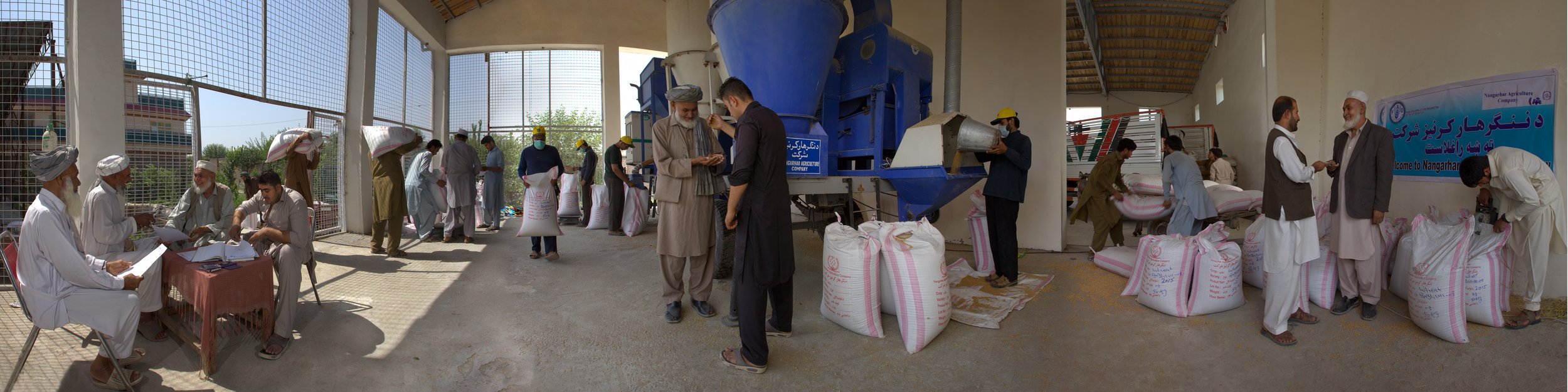
Procurement choices can affect Afghan livelihoods. Where feasible and safe, purchasing from local or regional producers may support farmers, millers, transport operators and packaging businesses. Importing fortified products may be necessary when local capacity, quality controls or supply volumes are insufficient. The balance must be guided by nutrition standards, value for money and dependable availability.
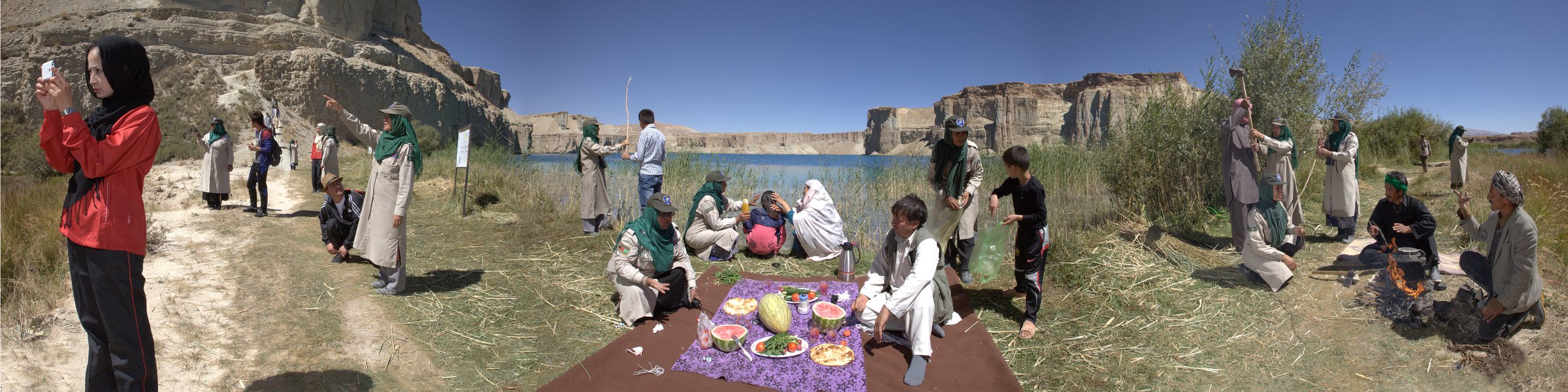
Women’s participation is also relevant to the wider food and education economy. Afghan women may contribute as small business owners, producers, teachers, health workers or community organisers. The UN’s work with women entrepreneurs illustrates why economic participation belongs in discussions about resilient humanitarian programmes.
From Warehouse To Classroom
The journey from a central warehouse to a rural school can involve multiple transport legs. Food may move through provincial hubs before reaching district stores and then individual schools. In areas with poor roads or seasonal access, planners need buffer stocks so a short delay does not immediately interrupt distributions.
Schools require basic systems for receiving and recording supplies. Teachers or designated staff may check carton counts, store the products above the floor and note which classes have been served. Community oversight can strengthen accountability, particularly where families need confidence that allocations are reaching children rather than being diverted.
The distribution routine should be simple enough to operate in a busy school day. A teacher might hand out one packet at a designated time, while students eat in the classroom or courtyard. Clean water and handwashing facilities are important because food assistance should reinforce safe hygiene rather than create additional health risks.
Monitoring can include attendance records, stock registers, post-distribution checks and feedback from parents. These tools help identify problems such as supplies arriving late, schools being missed, children receiving unequal portions or packaging being damaged. Good monitoring treats local knowledge as valuable evidence.
Nutrition, Attendance And Dignity
School meals are often discussed in terms of attendance, and the link is understandable. If a family knows a child will receive food at school, attending may become more realistic during difficult financial periods. The effect can be stronger when food support is predictable and delivered without humiliating children.
Nutrition can influence classroom participation as well. Hunger may show up as tiredness, distraction or reluctance to take part. A fortified snack does not guarantee academic progress, yet it can remove one barrier to learning. Teachers may then be better placed to focus on lessons rather than managing children who are unable to concentrate.
Dignity matters in the way food is delivered. Students should not be singled out because their families are poor, displaced or from a particular community. A school-wide approach can reduce stigma, while consultation with parents can help ensure that ingredients, portion sizes and eating arrangements are culturally acceptable.
There are also practical gender considerations. Girls may face household responsibilities, safety concerns or restrictions that affect school attendance. Food support can make education more worthwhile to families, but it must be paired with safe access, suitable facilities, qualified teachers and policies that recognise the specific barriers girls face.
What Strong Delivery Looks Like
For Australian readers, the closest everyday comparison may be a school breakfast club or a neatly packed recess snack. The scale and setting are different, though. An urban school in Melbourne or Brisbane may rely on refrigerated storage, established wholesalers and food safety systems, while a school in a remote Afghan district may need a shelf-stable ration that can survive a long journey over rough roads.
Australia’s own geography offers a useful point of reference. Delivering supplies to schools in the Northern Territory, Far North Queensland or Western Australia can involve long distances and limited transport options. Afghan programmes face far greater insecurity and infrastructure constraints, but the basic logistics lesson is familiar: a food plan is only as reliable as its last kilometre.
Local language also shapes communication. Australians may call a biscuit a “bikkie” and think of a lunchbox or tuckshop, whereas families in Afghanistan may have different expectations about snacks, sharing and the role of schools. Programme messages need to use locally understood language and involve parents, teachers and community leaders rather than relying on an imported script.
A comparison helps show why fortified biscuits are selected in some settings:
| Feature | Fortified school biscuit | Standard packaged snack | Cooked school meal |
|---|---|---|---|
| Storage | Usually shelf-stable and compact | Often shelf-stable | Needs ingredients, water and cooking space |
| Nutrition | Can deliver specified vitamins and minerals | Nutrition varies widely | Can provide greater variety |
| Transport | Efficient for remote distribution | Efficient, but may lack nutrition standards | More complex, especially across long distances |
| Preparation | Little or no preparation at school | Little or no preparation | Requires fuel, equipment and trained workers |
| Best use | Emergency or supplementary school feeding | General snack provision | Regular meal where infrastructure allows |
The Australian food market also highlights an important distinction. A brightly packaged snack sold through a supermarket or school canteen is designed for retail appeal, while a humanitarian biscuit is produced to a programme specification. The latter must meet defined nutritional, safety and delivery requirements rather than compete for shelf space beside muesli bars and crackers.
Practical Priorities For Programme Partners
Strong school feeding programmes usually combine a clear food specification with local checks on how the system works in practice. The following priorities help turn a ration into a dependable education support measure:
- Match quantities to verified enrolment and seasonal attendance.
- Store cartons securely, off the floor and away from moisture.
- Provide clean water and handwashing arrangements where possible.
- Record deliveries, distributions, complaints and damaged stock.
Community participation should be built into planning and oversight. Useful groups may include parent representatives, teachers, local authorities, health workers and trusted civil society organisations. Their involvement can reveal issues that a central monitoring system misses, such as a school becoming inaccessible or a product not being accepted by families.
Partners should also keep the limits of biscuit-based feeding in view:
- Use fortified biscuits as a supplement, not a replacement for dietary diversity.
- Review ingredients against local cultural and religious requirements.
- Plan for interruptions caused by weather, insecurity or funding gaps.
- Link food assistance with education, health and child protection services.
Funding decisions can influence whether a programme remains responsive. A cheap product that arrives late or is rejected by families represents poor value. A slightly more complex approach may deliver better results if it improves acceptance, reduces wastage and reaches children consistently.
Supporting Afghanistan’s School Communities
Fortified biscuits are a practical tool within UN-supported humanitarian action, especially where schools need a food ration that is durable, portable and nutritionally specified. Their value comes from the system around them: responsible procurement, reliable transport, fair distribution, community accountability and attention to children’s dignity.
For Australians, the issue connects to familiar conversations about breakfast clubs, remote service delivery, food security and the cost of getting essentials to regional communities. The Afghan context is far more severe, but the principle remains clear: learning is easier when children are safe, supported and able to eat.
Readers can support informed public discussion by following credible UN reporting, sharing accurate information about humanitarian nutrition and backing organisations with transparent safeguarding and monitoring standards. Continued attention helps keep school feeding, girls’ education and Afghan community resilience visible long after a campaign or website archive has gone quiet.