
Making a Difference

Reducing Afghan Child Labour Through UN School Enrolment Initiatives
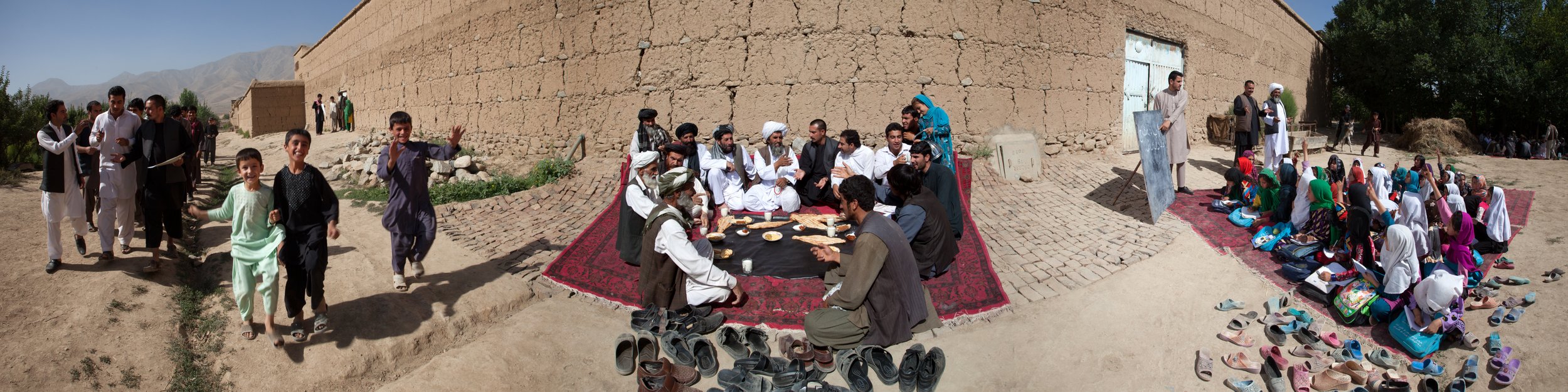
In the highlands of Bamyan and the dusty outskirts of Herat, classrooms that once stood empty are filling again. Children who spent mornings hauling bricks or weaving carpets are trading those loads for textbooks, and the change can be traced to a quiet shift in policy: targeting the root causes of school absence with practical incentives. For decades, child labour in Afghanistan was woven into household survival strategies, leaving the youngest family members with little choice but to work alongside their parents. International organisations have long recognised this dynamic, and the United Nations has moved toward wrapping education support, family income, and community awareness into a single coordinated response.
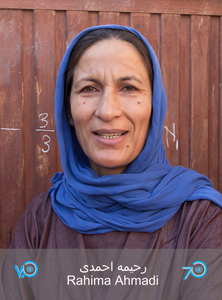
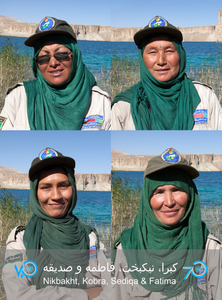
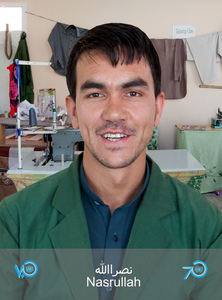
With the UN70 "Strong UN. Strong Afghanistan." campaign, stories of children returning to school have become central to the broader narrative about rebuilding public services. Photos of new school buildings, smiling students, and teachers holding chalk have circulated across UN channels and partner organisations. Within Australia, humanitarian advocates in Melbourne, Sydney, and smaller regional centres have followed the Afghan story closely, drawing parallels with their own country's long-running efforts to keep vulnerable kids in classrooms. The connection between policy intention and lived experience is shaped, in the end, by the daily decisions families make about whether a child should be sent to school or sent to work.
The Weight of Missing Classrooms in Afghanistan
The figures around child labour in Afghanistan are stark but easily reduced to numbers. Behind every statistic is a boy who never learned to write his own name, or a girl whose seventh birthday marks the end of her formal education. Rural provinces such as Badakhshan, Balkh, and parts of Helmand have historically struggled with low attendance rates, partly because families cannot afford to lose an income-earner, and partly because physical schools have been slow to reach scattered communities. Pastoral and agricultural cycles also play a role: during harvest seasons, children are pulled from any study they manage during quieter months.
The consequences accumulate quickly. Children who begin formal work before age twelve rarely return to the educational track, and adult earnings potential falls sharply for every year of schooling missed. Health outcomes, gender equity, and regional stability are tied to whether the next generation of Afghans learns to read and count. Treaties alone cannot reverse this pattern; they must be paired with on-the-ground mechanisms that reframe the trade-off between labour and learning.
Cash, Stipends, and Supplies: How Incentives Reach Families
Changing that trade-off requires giving households a reason to choose the classroom over the workshop. The most promising programs have moved beyond simple provision of school buildings and toward layered incentive packages designed for families living close to the poverty line. When a family's monthly budget stretches across rent, food, and medicine, even a modest stipend can be the deciding factor in whether a child stays in school.
Support reaching families in Afghan provinces now flows through several channels:
- Conditional cash transfers paid directly to mothers, conditional on attendance markers
- Free school meals that double as nutritional support for siblings at home
- Uniform and supply kits funded through UN donor pools, removing a common enrolment barrier
- Stipends reserved for female students in districts where dropout risk is highest
Each component addresses a different cost weighing on a household. Where cash transfers flow directly to mothers, evidence from similar schemes in South Asia suggests spending tilts toward children's wellbeing rather than discretionary expenses. Supply kits reduce the upfront cost of enrolment, and school meals work as a daily draw that competes with the wages of part-time labour. Together, these levers aim to make attendance the easier, more rewarding choice for Afghan families.
Radio Programs Carrying the Message Into Mountain Districts
Even the best designed incentive cannot help a household that has never heard of it. Reaching remote villages requires communication channels that travel without road access, and radio remains one of the most reliable media in Afghanistan's mountainous north and west. Broadcasters working with UN agencies air programming that explains enrolment procedures, discusses the long-term value of schooling, and answers the practical questions families ask about attendance.
Programmes now range from call-in discussions with educators to short dramas illustrating how incentive schemes work in real households. In rural provinces, UN-supported radio programs for Afghan rural communities have helped parents reconsider assumptions about who should be working and who should be studying. The conversation extends beyond children themselves, addressing elders, mullahs, and village councils whose support often determines whether girls can walk to school unaccompanied. When paired with mobile notifications and printed materials distributed at bazaars, radio becomes the backbone of a wider awareness campaign.
Removing Barriers for Girls in Provinces With Low Enrollment
For girls, the calculus around schooling is shaped by safety, household expectations, and the availability of female teachers. In several provinces, secondary school enrolment for girls sits below thirty percent, and child labour patterns inside the home can be just as damaging as work in fields or workshops. Incentive packages specifically targeted at adolescent girls have therefore become a focus of recent UN programming, with stipends and female-only transport subsidies among the most discussed tools.
Community dialogue sessions, often held in parallel with the awareness campaigns described above, have been crucial. Elders who participate in these sessions frequently emerge as the strongest advocates for girls' education, lending their standing to arguments that female literacy strengthens rather than disrupts family life. Programs that couple scholarships with mentorship, sanitary supplies, and exam preparation have reported measurable gains in transition rates from primary to secondary school. The lesson is consistent: barriers to enrolment multiply when incentives are designed without listening to the girls and families they are intended to serve.
What Australia Has Learned About Keeping Children in School
Australian policy offers a useful mirror, though the scale and context differ sharply from Afghanistan. Federal initiatives targeting disengaged youth, from the Youth Allowance system to the more recent Keep Australia Working schemes, share a familiar structure: conditional support paired with educational or training obligations. States such as Victoria and New South Wales run attendance recovery programs that channel counsellors into schools where chronic absence is identified early, and similar thinking informs national schemes supporting First Nations students in remote Queensland and Western Australia.
Several Australian policy instruments stand out as instructive parallels:
- The Modern Slavery Act 2018, which pressures companies to audit supply chains for child labour exposure
- Tasmanian and Northern Territory Learn-to-Work pilots, blending stipends with apprentice pathways
- The Clontarf Foundation academies, which use sport-based engagement to keep Aboriginal boys enrolled through to year twelve
- The ABC's regional broadcasting network, delivering education and welfare messaging to remote towns where access to services is otherwise patchy
Australia's multicultural broadcasters, including SBS and community stations in Melbourne's western suburbs and western Sydney, carry a mandate similar to UN-affiliated Afghan stations: reaching first-generation families in their preferred language. Settlement services across the country regularly cite radio and podcasts as the single most trusted source of information for newly arrived families. The shared playbook involves plain language, repeated messaging, and trusted local voices, and both contexts show what happens when those elements are missing.
Skills Training and Accelerated Learning for Returning Students
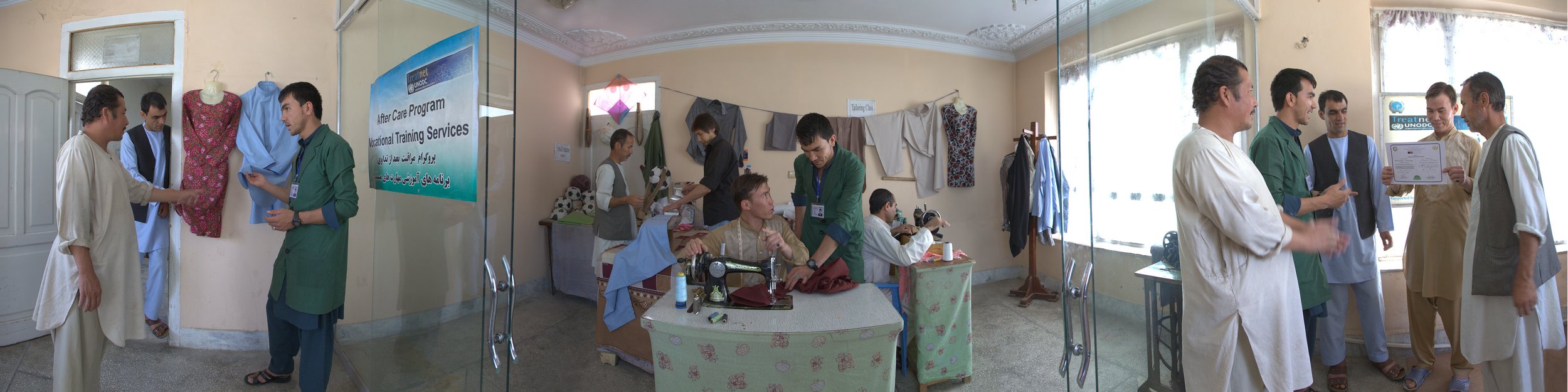
Some children who have spent years in the workforce will not simply slot back into a standard classroom. For them, accelerated learning programs and vocational tracks offer a more realistic route back to education. The United Nations Children's Fund, working alongside Afghan counterparts, has piloted condensed curricula that compress several primary years into a single calendar year, with evening classes designed for working adolescents. Older students can join skills training in carpentry, tailoring, or IT support, turning what was once child labour into a stepping stone toward decent adult work.
Outcomes from these pathways have been encouraging. Participants who complete accelerated courses are more likely to sit for end-of-year assessments than peers who re-enter standard streams without additional support. Vocational graduates often find roles in their home districts, reducing the pull toward migration in search of work. Where local industries already exist, integrating older children into supervised apprenticeships gives families a credible alternative to unsupervised labour and keeps education in the picture rather than outside it.
Stand With Afghan Learners and Add Your Voice
The work of pulling Afghan children out of labour and into classrooms depends on visibility as much as funding. Sharing stories from the UN70 campaign, amplifying the voices of Afghan teachers, and supporting organisations that maintain radio contact with remote districts are small acts that compound into meaningful pressure on decision-makers. Australian readers can follow the original source material on the UN Afghanistan archive, which preserves campaign photography, statements from the Special Representative of the Secretary-General, and updates from across the country, and bring those stories into staff meetings, classrooms, and community conversations back home.
Stay engaged on social channels, lend your workplace or community group to fundraising events, and consider supporting organisations that fund conditional transfers, school meals, and supply kits. The shift from child labour to childhood education is rarely sudden, but the path is clearer when individuals, communities, and international bodies move in step. Stand with the children of Afghanistan today, and add your voice to a story that deserves wider attention.