
Making a Difference

How Radio Connected Afghan Rural Communities With Support
In Afghanistan’s rural districts, radio has often been the most practical way to share information across long distances. A battery-powered receiver can reach homes, farms, markets, schools, and displacement settlements without requiring reliable internet, electricity, or literacy. For communities separated by mountains and poor roads, a local broadcast may be faster and more accessible than a printed notice or public meeting.
United Nations agencies and their Afghan partners have supported radio as part of wider work in education, health, humanitarian response, human rights, community participation, and peacebuilding. This support has taken different forms: training journalists, helping produce public-interest programmes, distributing verified information, strengthening local stations, and connecting broadcasters with specialists who understand community needs.
Radio has never been a complete solution. Security concerns, funding shortages, political pressure, limited transmission coverage, and unequal access to telephones can all restrict its reach. Yet its value remains clear. A well-designed broadcast can communicate in local languages, invite community feedback, and give people useful information when other channels are unavailable.
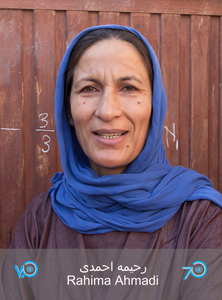
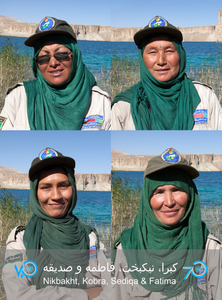
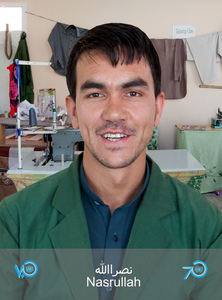
The archived UN Afghanistan website and its “Strong UN. Strong Afghanistan.” campaign reflected a broader emphasis on Afghan people and their contributions. Within that vision, rural radio can be understood as a public service that helps communities share knowledge, discuss local concerns, and participate in the decisions affecting their lives.
Why Radio Remained Essential Outside Major Cities
Afghanistan’s geography has always shaped its information systems. Villages may be separated by high mountains, seasonal rivers, or roads that become difficult to use during winter. A central announcement can take days to reach a remote district through administrative channels. Radio reduces that distance by carrying the same message across a wide area at a relatively low cost.
Broadcasting is also suited to communities where reading levels vary. A programme in Dari, Pashto, Uzbek, or another local language can explain a health recommendation, agricultural practice, school opportunity, or emergency warning through conversation and repetition. Listeners do not need a data plan or a smartphone, and several family members can hear the same programme together.
Radio listening is often social. Families may gather around a receiver, shopkeepers may keep one playing during the day, and people may discuss a broadcast at a mosque, school, market, or village meeting. This shared experience can help information travel beyond the original audience. It also gives programme producers a way to learn which issues matter locally.
The medium is especially important during crises. Humanitarian messages about displacement, food assistance, mine risks, disease prevention, or access to services can be broadcast when movement is restricted. Accuracy and clarity are essential because a rumour repeated over radio can create confusion just as quickly as a reliable message can build confidence.
How UN Partnerships Strengthened Local Broadcasting
UN support for rural radio has generally worked through cooperation with Afghan media outlets, civil society groups, community organisations, and technical specialists. Rather than replacing local broadcasters, programmes have often aimed to improve their ability to gather information, produce responsible journalism, and serve audiences in their own languages.
Training is one important area. Journalists and producers may receive guidance on interviewing, verification, conflict-sensitive reporting, safeguarding sources, and representing women and marginalised groups. Technical assistance can cover sound recording, editing, transmission, archiving, and station management. These skills help a local broadcaster remain useful after a particular project ends.
Content partnerships are another route. A station can work with health workers, teachers, agricultural experts, humanitarian teams, or legal advisers to produce programmes that answer practical questions. UN agencies may help connect broadcasters with reliable information and subject-matter expertise, while local producers shape the format and language so it makes sense to listeners.
Public information must be adapted to the audience. A message about maternal health, for example, is more effective when it addresses local transport barriers, household decision-making, available clinics, and concerns about privacy. A programme on farming must take account of water access, seasonal conditions, seed availability, and the realities faced by smallholders. Local editorial control makes these broadcasts more relevant.
Programmes That Turned Information Into Participation
A rural radio programme is more valuable when it allows people to respond. Call-in segments, recorded interviews, letters, community reporters, and listener groups can turn a one-way announcement into a conversation. These formats help stations identify misinformation and reveal gaps between national policy and daily experience.
In health programming, listeners may hear discussions about vaccination, nutrition, sanitation, maternal care, or disease prevention. A trusted local presenter can explain technical guidance in familiar language and direct people to nearby services. Programmes can also address harmful myths without humiliating the people who hold them, which is important for maintaining public trust.
Agricultural broadcasts have a similar practical role. Farmers can receive information about weather, crop management, livestock care, water conservation, market conditions, and pest control. When specialists respond to questions from villagers, the advice becomes more specific than a general campaign message. Local experience can also be shared between communities.
Education programmes can support children who cannot attend school regularly and adults seeking literacy or vocational knowledge. Radio lessons do not replace teachers, classrooms, or safe access to education, but they can provide continuity during displacement, insecurity, extreme weather, or household hardship. Broadcasts may also encourage families to support girls’ and boys’ learning.
Community radio can contribute to social cohesion when it gives different groups space to discuss shared concerns. Carefully moderated programmes may address local disputes, access to services, women’s participation, disability inclusion, or the needs of displaced families. This requires editorial standards that prevent broadcasts from becoming platforms for threats, incitement, or political manipulation.
| Radio Function | Rural Community Value | Typical UN-Supported Contribution | Key Safeguard |
|---|---|---|---|
| Public health broadcasting | Explains prevention, treatment, and available services | Reliable technical information and links to health partners | Use clear local-language guidance |
| Humanitarian communication | Shares assistance details, warnings, and referral information | Coordination with response agencies and local stations | Update messages as conditions change |
| Agricultural programming | Offers seasonal advice and practical farming knowledge | Access to specialists, training, and community feedback | Avoid advice that ignores local resources |
| Education by radio | Extends learning beyond classrooms | Educational content, production support, or teacher input | Complement, rather than replace, schools |
| Peace and dialogue programmes | Creates space for respectful discussion | Conflict-sensitive production and facilitator training | Protect guests and prevent incitement |
| Women’s and girls’ participation | Broadens representation in public discussion | Support for inclusive formats and women broadcasters | Assess safety, privacy, and social risks |
Reaching Women, Young People, And Remote Listeners
Access to radio is not equal. Women may have less control over household devices, less freedom to travel to a station, or greater exposure to criticism when speaking publicly. Girls may have fewer opportunities to participate in media production. A programme that claims to represent a whole district can still exclude a large part of its population if producers do not examine who is heard and who is missing.
UN-supported media initiatives have therefore placed value on inclusive production and safer participation. Women journalists, presenters, and community contributors can bring attention to issues that might otherwise be overlooked, including maternal health, domestic violence, education, livelihoods, and access to documentation. Their involvement must be supported by practical risk assessments rather than treated as a symbolic addition.
Privacy is equally important. Callers and interviewees may face social, political, or security consequences if their names, locations, or opinions are broadcast. Producers need consent procedures, secure communication methods, editorial review, and options for anonymous participation. Sensitive stories should never be made more dangerous in the pursuit of audience interest.
Young listeners can be reached through dramas, quizzes, storytelling, music, and discussions about education or employment. Creative formats may make serious subjects easier to understand, although entertainment should not obscure essential facts. Programmes should also avoid presenting young people only as beneficiaries; they can be reporters, researchers, performers, and contributors to community problem-solving.
Reaching remote communities requires more than producing good content. Stations need functioning transmitters, fuel or electricity, maintenance, suitable broadcast times, and sometimes repeaters or partner stations. Producers must consider dialect, seasonal migration, listening habits, and whether people can safely access a receiver. Distribution planning is as important as editorial quality.
Trust, Verification, And Responsible Public Information
Radio can build confidence when listeners know who is speaking, where information comes from, and how to obtain further help. Stations supported through international partnerships have a responsibility to distinguish verified public information from opinion, advocacy, rumour, and paid content. Clear corrections are important when an earlier report proves inaccurate.
Trust is local and gradual. Listeners may judge a station by whether it reports fairly on a village problem, follows up on a promised service, or gives ordinary people an opportunity to respond. Consistent presenters and transparent editorial practices can make complex subjects easier to approach. A broadcast that respects its audience is more likely to be remembered and shared.
Conflict-sensitive reporting is particularly important in Afghanistan. Language that assigns collective blame or repeats unverified accusations can deepen tensions. Producers need to consider how a story could affect ethnic, religious, political, or tribal relationships. A responsible programme can acknowledge disagreement while focusing attention on evidence, rights, safety, and practical solutions.
The United Nations’ role is strongest when it supports trusted Afghan voices rather than speaking over them. International organisations can provide technical knowledge, coordination, training, and resources, but community broadcasters understand local language and context. The partnership works when each side contributes what the other cannot easily provide.
Keeping Rural Radio Useful In A Changing Media Environment
The spread of mobile phones and social media has changed how Afghans receive and share information, but it has not made radio irrelevant. Phones may lack stable connectivity, charging facilities, affordable data, or privacy. Radio remains a dependable shared channel, while digital tools can extend its reach through recorded clips, SMS feedback, online archives, and messaging groups where access allows.
A blended approach can improve responsiveness. A station might broadcast a programme, collect questions by phone, verify them with a specialist, and address the answers in a later episode. Community reporters can send short updates from areas that professional journalists cannot visit regularly. Digital distribution can preserve useful content, while the broadcast keeps it available to people without internet access.
Sustainability remains a central concern. Many local stations depend on short-term project funding, advertising, donations, or volunteer labour. When support ends, trained staff may leave and equipment may fail. Long-term media development therefore needs attention to business planning, transparent governance, maintenance budgets, journalist safety, and editorial independence.
Measurement should look beyond the number of programmes produced. Useful indicators include who listens, whether women and marginalised groups participate, whether audiences understand the message, whether referrals reach services, and whether corrections are made promptly. Feedback from villages can reveal both the benefits and unintended effects of a broadcast.
Archived campaigns such as UN70 offer a reminder that international work is ultimately about people rather than institutions. The lasting value of rural radio lies in the Afghan producers, callers, teachers, health workers, farmers, and listeners who make communication meaningful. When communities can access accurate information and speak about their own priorities, broadcasting becomes part of local capacity rather than a temporary project.
Practical priorities for future rural radio partnerships include:
- Fund multi-year training, equipment maintenance, and station management instead of isolated broadcasts.
- Produce programmes in locally used languages and test messages with rural listeners before wider transmission.
- Protect journalists, callers, women contributors, and vulnerable interviewees through clear safety and consent procedures.
- Combine radio with community meetings, telephone feedback, and accessible digital channels where appropriate.
- Evaluate whether broadcasts lead to understanding, participation, and access to services, not simply audience reach.
Supporting Afghan rural communities through radio means investing in communication that is local, inclusive, and accountable. UN agencies, Afghan media organisations, civil society groups, and community leaders can preserve that value by sharing expertise while keeping editorial work rooted in the lives of listeners. Explore the archived UN Afghanistan campaign materials, follow the documented stories of Afghan contributors, and support media partnerships that help reliable information reach every community.