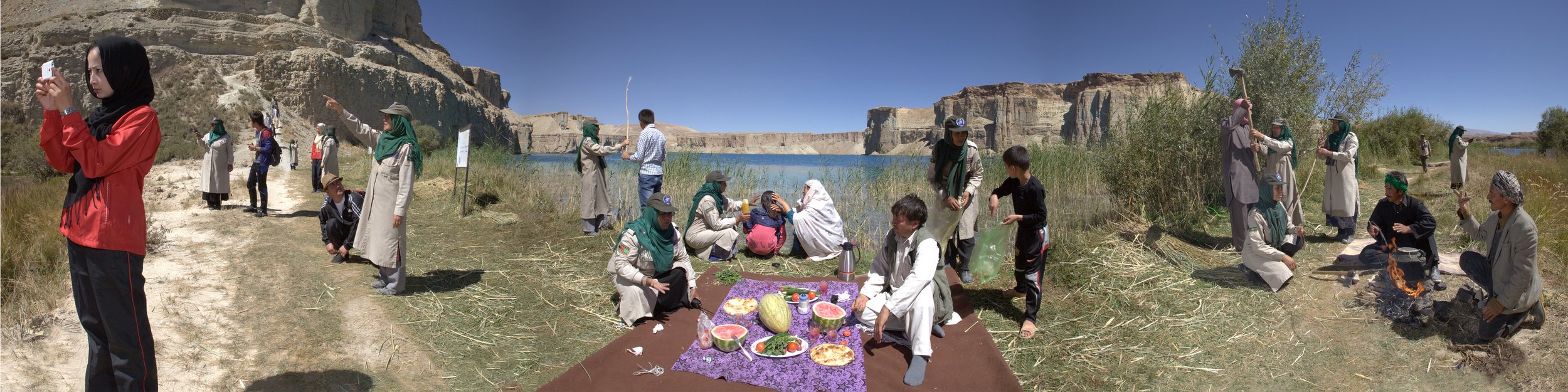
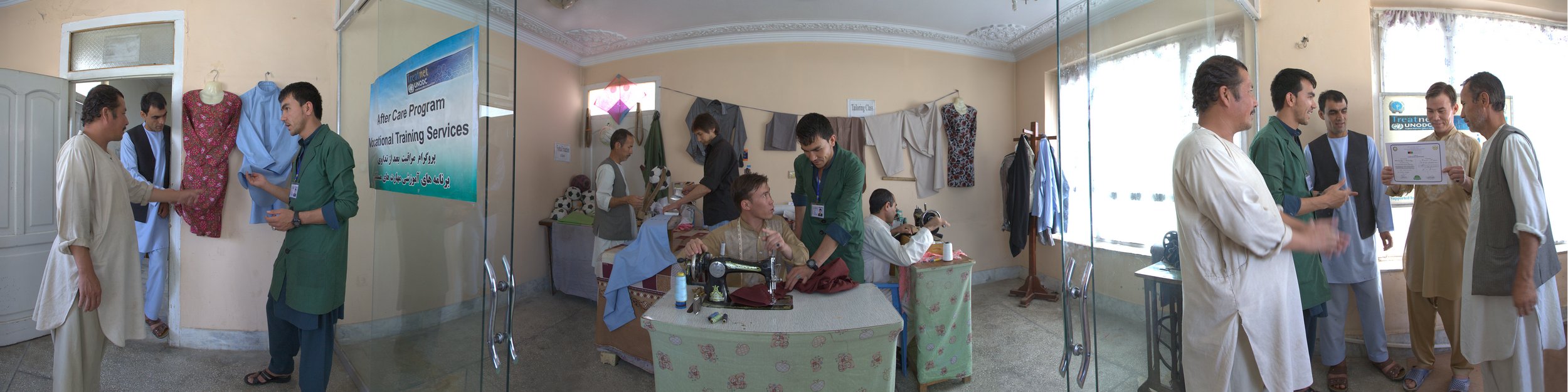
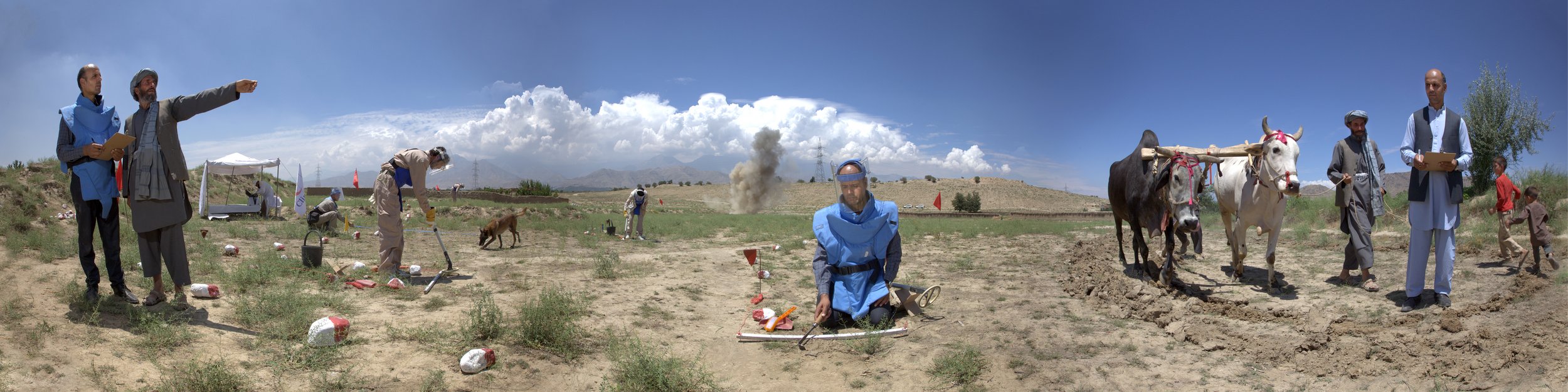
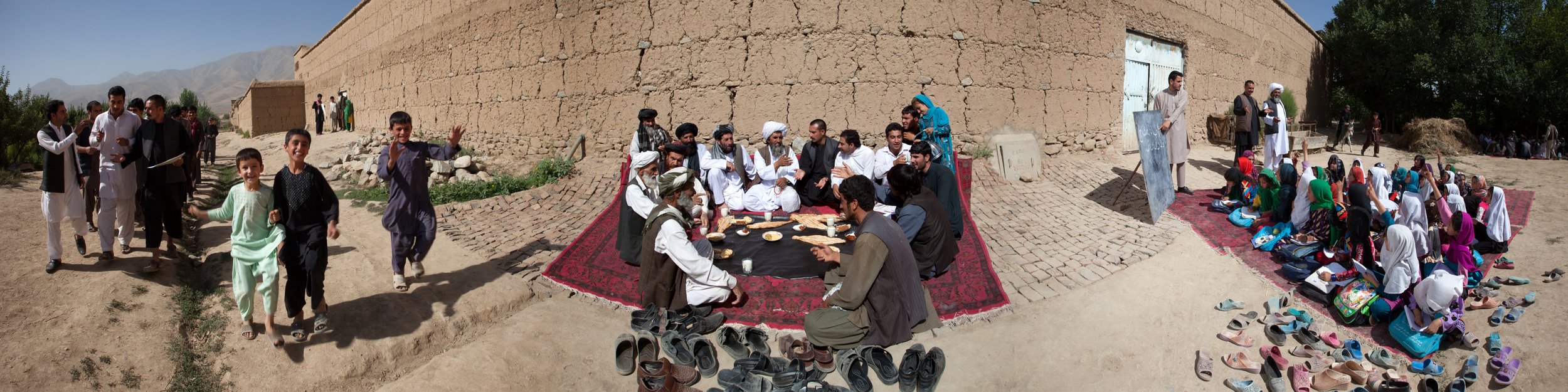

Making a Difference
Women in Afghanistan: Resilience, Partnership and Hope
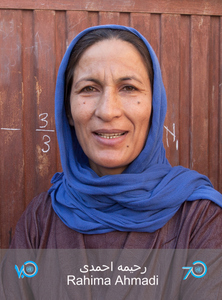
Women in Afghanistan have continued to shape their families, communities and country through periods of conflict, displacement, economic hardship and social change. Their experiences are diverse, yet many stories share a common thread: persistence grounded in everyday action. A teacher keeps a classroom open, a health worker reaches a remote village, a farmer supports household income, and a community organizer helps neighbors find safety and services.
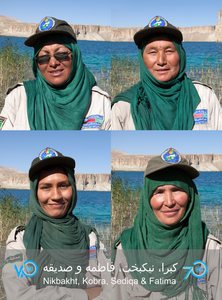
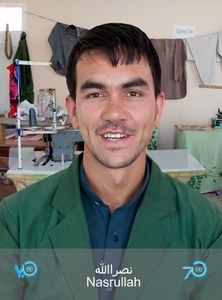
The United Nations has often presented Afghanistan through the people who make progress possible. The UN70 campaign, built around the message “Strong UN. Strong Afghanistan.”, highlighted Afghan individuals and their contributions while emphasizing the value of partnership. Although the campaign website is now an archived record of a completed initiative, its central idea remains relevant: national strength is closely connected to the participation, dignity and leadership of Afghan women.
These stories should be understood with care. Resilience does not mean that hardship is acceptable, nor should women be expected to carry the burden of rebuilding alone. It means recognizing agency while acknowledging the structural barriers that restrict education, employment, healthcare, mobility and public participation.
Everyday Leadership In Afghan Communities
Women’s leadership is often visible far beyond formal political positions. In villages, towns and urban neighborhoods, women have served as educators, health professionals, farmers, entrepreneurs, civil servants, artists and peace advocates. Their work sustains households and creates practical solutions when institutions are under pressure.
A woman who organizes maternal health information, for example, may become a trusted link between families and a clinic. A teacher can give children continuity during uncertainty. A small business owner may employ relatives or provide essential goods locally. These contributions may not appear in national statistics, yet they influence household security and community wellbeing.
The strength of such leadership often comes from relationships. Women rely on family networks, neighborhood groups, professional associations and local organizations to exchange information and respond to urgent needs. Partnership is therefore not an abstract principle. It is a daily practice built through trust, shared responsibility and knowledge of local conditions.
Education As A Foundation For Agency
Access to education has long been central to the hopes of Afghan families. Girls’ learning strengthens literacy, confidence and future employment prospects, while educated women are better positioned to make informed decisions about health, finances and family life. Education also benefits entire communities because knowledge is shared across generations.
Afghan women educators have shown remarkable dedication in difficult circumstances. Some have taught in formal schools, while others have supported literacy programs, vocational training, home-based learning or informal study groups. Their work demonstrates that education can continue through adaptable, community-led approaches, even when conventional systems are disrupted.
Partnership is essential to protecting these gains. Families, teachers, local leaders, humanitarian organizations and public institutions each have a role in keeping learning safe and accessible. Support must include trained educators, learning materials, transportation, psychosocial care and clear protection measures. It should also respect the expertise of Afghan women, who understand the needs and risks within their own communities.
Health, Care And Human Dignity
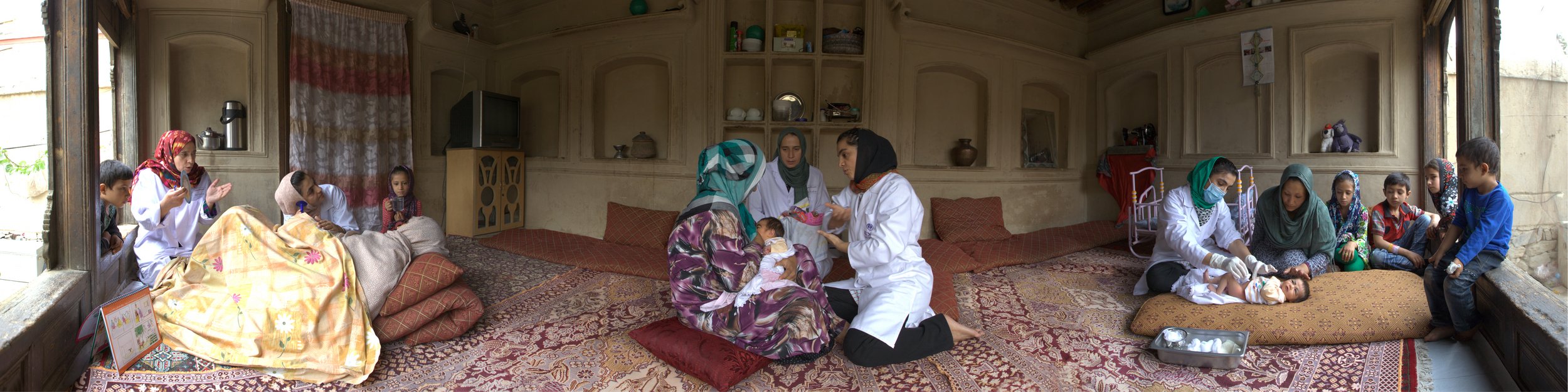
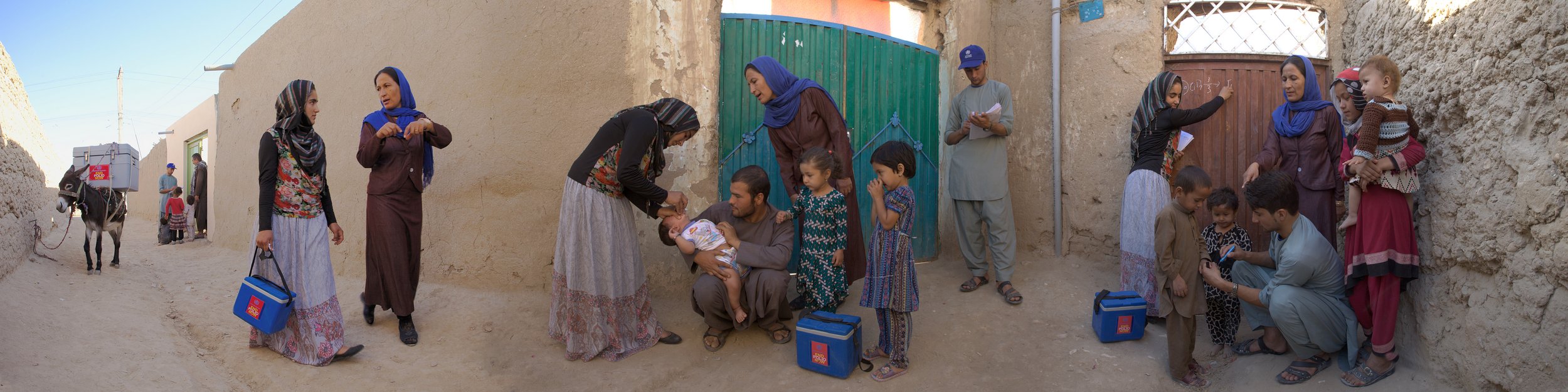
Women’s contributions to healthcare extend from professional medicine to unpaid caregiving. Midwives, nurses, doctors, community health workers and volunteers have helped women and children access essential services, particularly in areas where distance, poverty or insecurity creates additional barriers. Their work can determine whether a mother receives timely care or whether a child is treated before an illness becomes life-threatening.
Healthcare workers frequently operate under intense pressure. They may face shortages of medicine, limited transport, inadequate facilities and personal safety risks. Female health workers are especially important because cultural expectations and privacy concerns can prevent some women from seeking care unless services are delivered by women they trust.
Humanitarian partnership should therefore prioritize continuity of care and the safety of local staff. International agencies can provide funding, supplies, technical assistance and coordination, but locally rooted workers bring the language, relationships and knowledge that make services effective. Listening to them is as important as delivering resources.
| Area of contribution | What women bring | Partnership priorities |
|---|---|---|
| Education | Teaching, mentoring, literacy and skills development | Safe learning spaces, training, materials and long-term support |
| Healthcare | Clinical care, maternal health, outreach and health education | Reliable supplies, secure facilities and fair access to services |
| Livelihoods | Farming, trade, crafts, entrepreneurship and household income | Market access, finance, vocational training and legal protection |
| Community protection | Mediation, referrals, awareness and mutual aid | Local networks, safeguarding and responsive humanitarian services |
| Public participation | Advocacy, civic engagement and decision-making | Inclusion, representation, consultation and accountability |
Economic Resilience And Livelihoods
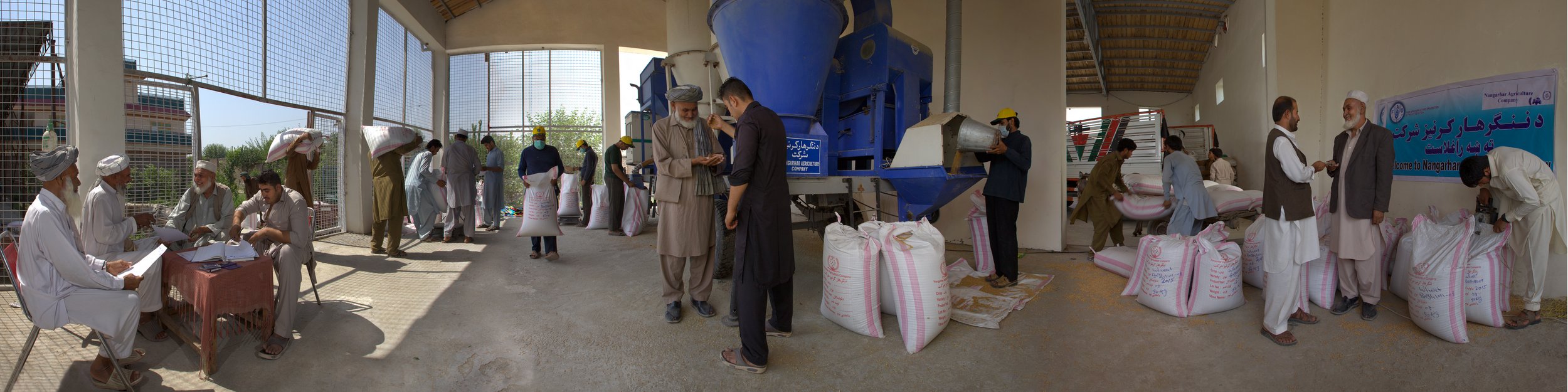
Economic independence can give women greater influence over household decisions and create a buffer against crisis. Afghan women have contributed to agriculture, livestock care, handicrafts, food production, retail, services and home-based enterprises. In many cases, these activities support children’s education, improve nutrition and help families recover after displacement or loss of income.
Women entrepreneurs often work within narrow limits. Access to credit may be restricted, markets may be distant, and movement can be difficult. Some businesses depend on informal networks or seasonal demand. Even when a venture is small, its effect can be substantial if it creates work for other women or keeps essential goods available in a community.
Effective livelihood programs should be designed around the realities of Afghan women’s lives. Grants and loans matter, but so do secure marketplaces, digital access, business training, childcare, transportation and connections to buyers. Programs are stronger when women help define the objectives, manage implementation and assess results. Partnership should build durable opportunity rather than create short projects that disappear when funding ends.
Voice, Representation And Peacebuilding
Women’s participation in public life is a measure of whether a society can draw on all of its knowledge. Afghan women have contributed as journalists, lawyers, researchers, local representatives, activists, mediators and community advocates. Their perspectives are especially important in discussions about protection, justice, displacement, education and peace.
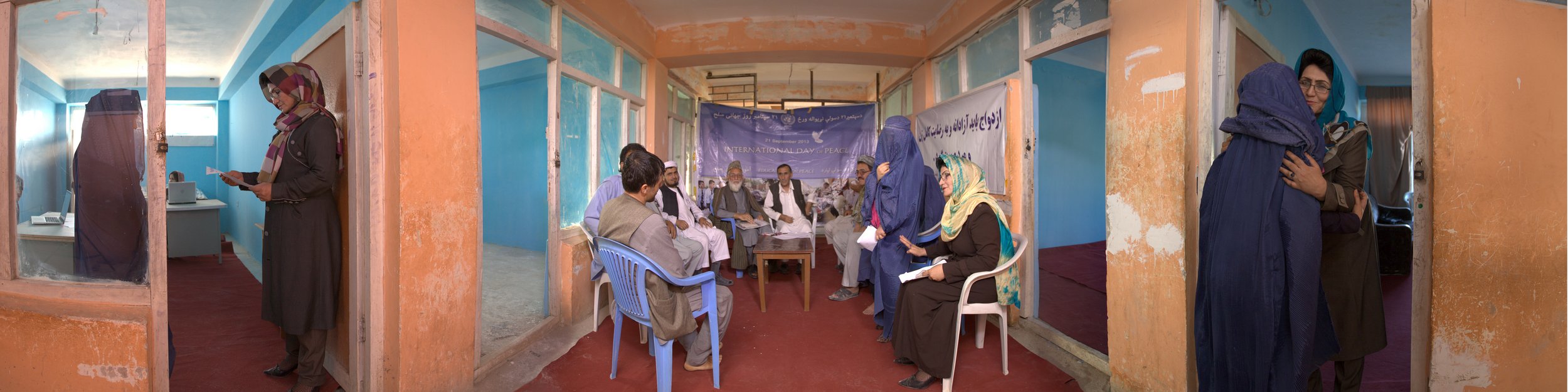
Peacebuilding is not limited to formal negotiations. It includes preventing local disputes, helping families resolve disagreements, supporting survivors of violence and encouraging cooperation across social divisions. Women may have access to information and relationships that formal authorities do not. Their presence can make dialogue more responsive to the experiences of civilians.
Representation must be meaningful rather than symbolic. Women need opportunities to speak, influence decisions and see their priorities reflected in policy and funding. International partners should consult a broad range of Afghan women, including those from rural areas, minority communities, displaced populations and households affected by poverty or disability. Listening to a small group of visible representatives cannot replace wider community engagement.
Partnership That Respects Local Knowledge
The UN70 campaign’s emphasis on a strong United Nations and a strong Afghanistan offers a useful framework for thinking about cooperation. A capable international presence can help coordinate humanitarian assistance, support human rights, document needs and connect Afghan communities with global attention. Yet international action is most effective when it strengthens local capacity instead of substituting for it.
Partnership involves shared responsibility. Afghan women and community organizations contribute lived experience, cultural understanding and practical networks. United Nations agencies and other partners can contribute resources, technical expertise, protection mechanisms and platforms for advocacy. Government bodies, donors and civil society also have responsibilities to remove barriers and ensure assistance reaches people fairly.
Trust grows when commitments are transparent and outcomes are measured against community priorities. It also depends on protecting confidentiality, preventing exploitation and recognizing the unpaid labor that often sustains local initiatives. Women should be treated as rights holders and decision-makers, not merely as beneficiaries of aid.
Priorities For Supporting Women’s Leadership
- Protect access to quality education, literacy programs and skills training for girls and women.
- Fund women-led organizations through flexible, predictable support that reflects local priorities.
- Expand safe healthcare, maternal services, psychosocial support and referral systems.
- Improve access to finance, markets, technology and secure livelihoods for women entrepreneurs and farmers.
- Include Afghan women from diverse backgrounds in humanitarian planning, peacebuilding and public decision-making.
Preserving Stories And Sustaining Accountability
Campaigns and public storytelling can make individual contributions visible, but representation carries an ethical responsibility. Stories should preserve dignity, avoid reducing women to suffering and show the choices, skills and relationships behind their achievements. Afghan women are not symbols of crisis; they are people with ambitions, expertise and rights.
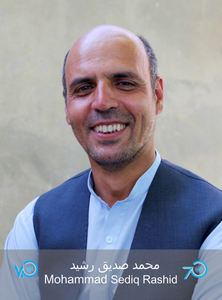
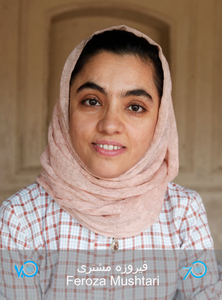
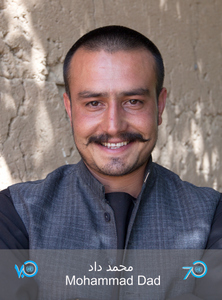
An archived campaign can still serve as a historical resource. Photographs, messages, news items and personal profiles help show how the United Nations described its partnership with Afghan communities at a particular moment. They can also prompt reflection about which commitments endured, which barriers remained and whose voices were missing from public narratives.
Documentation should lead to accountability rather than temporary recognition. When a woman’s story is shared, the institutions involved should consider whether she received protection, fair compensation, meaningful consent and continuing support. Public attention has value when it strengthens safety, resources and opportunities after the campaign has ended.
The resilience of women in Afghanistan is found in classrooms, clinics, farms, marketplaces, homes and community meetings. It is present in quiet acts of care as well as visible public leadership. These efforts deserve more than admiration: they require policies, funding and partnerships that protect rights and expand choices.
Support the work of Afghan women by sharing their stories responsibly, backing women-led initiatives, defending access to education and healthcare, and urging institutions to include women in decisions that affect their lives. A stronger Afghanistan depends on partnerships that recognize women as active participants in shaping its future.