
Making a Difference
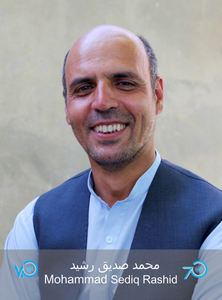
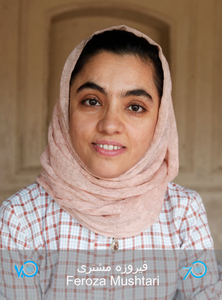
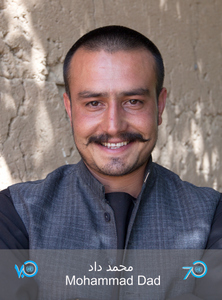
Afghan Election Monitors and Trust at the Polling Station
Elections are experienced locally. A ballot is cast at a school, community centre or temporary polling site, where voters need to know that procedures are being followed and that their choices will be recorded fairly. In Afghanistan, trained election monitors helped provide that essential oversight in an environment shaped by insecurity, limited infrastructure, social pressure and deep public concern about political legitimacy.
The work formed part of a wider effort to strengthen Afghan institutions and civic participation. The UN70 campaign has now finished, and the website is an archived record rather than an active service, but its stories remain useful for understanding how people supported accountable elections. The UN Afghanistan archive preserves that broader setting: an international partnership working through Afghan people and communities.
Why Election Monitors Matter
Election monitors are independent observers who watch whether voting rules are applied consistently. They may check that polling materials arrive, that voter identification procedures are followed, that ballot boxes are handled correctly and that counting takes place according to the authorised process. Their role is observation and reporting, not campaigning or directing election officials.
A monitor’s presence can deter misconduct because staff, party representatives and voters know that events may be recorded and reviewed. It can also protect officials from unfair accusations by creating a reliable account of what happened. In a contested election, clear evidence carries more weight than rumour moving through a village, a bazaar or a mobile-phone network.
Afghanistan’s geography made local observation especially important. A national institution could issue rules from Kabul, but monitors on the ground understood whether those instructions were practical in a remote district, whether women could reach a polling centre safely and whether transport problems delayed essential materials. Their knowledge connected formal election standards with everyday conditions.
What UN Training Prepared Them To Do
Training gave monitors a shared method for watching polling stations. They needed to understand the electoral code, identify irregularities, complete observation forms and distinguish a serious breach from a minor administrative mistake. Careful note-taking mattered: the time, location, people involved and action taken could determine whether a complaint was credible.
Impartiality was central. A monitor could not promote a candidate, pressure a voter or treat one party’s representative more favourably than another. Training therefore focused on professional conduct, confidentiality and calm communication. When tensions rose, the monitor’s responsibility was to document the incident and use the appropriate reporting channel rather than become part of the dispute.
The programme also built practical skills. Monitors learned how to observe voter access, ballot secrecy, queue management, the sealing of boxes and the reconciliation of ballots. These details can sound routine, yet public confidence often depends on routine being visible and consistent. A well-prepared observer helps turn broad promises about a free election into verifiable actions.
A Watchful Presence at Polling Stations
At a polling station, oversight begins before the first voter arrives. Monitors can observe whether the site is open on time, whether materials are present and whether the layout supports a secret vote. They can record whether people are being asked for proper identification and whether anyone is being excluded without a lawful reason.
During voting, an observer may watch the queue, the treatment of elderly voters and people with disabilities, and the conduct of security personnel. In Afghanistan, these observations could involve sensitive questions about gender, local authority and personal safety. A woman voter might require a female staff member or a private arrangement that allows her to participate without violating cultural expectations.
The closing process is equally important. Ballots must be counted in view of authorised observers, unused papers accounted for and results recorded accurately. Monitors should not handle election materials unless the rules permit it, yet their written record can establish whether the process was orderly. If a discrepancy appears, the monitor can report it for investigation instead of trying to resolve it independently.
Women, Access and Local Knowledge
Women’s participation was a major test of election access. A polling centre could be formally open to all while remaining difficult for women to use because of travel restrictions, family concerns, inadequate privacy or a shortage of female election workers. Female monitors brought direct knowledge of these barriers and could report them with greater sensitivity.
Local monitors also understood the difference between an official rule and its effect on the ground. A voter might live a long distance from a polling station, face a checkpoint on the route or lack the documents expected by staff. In rural areas, weather, damaged roads and limited communications could affect whether a polling centre opened or whether results arrived on schedule.
This local perspective strengthened the quality of observation. International personnel might assess a process against global standards, while Afghan monitors could explain language, customs and community dynamics. Their involvement supported a form of accountability that was rooted in the people using the system, rather than imposed entirely from outside.
Reporting, Accountability and Public Confidence
Observation has value only when information can travel safely and be assessed fairly. Monitors therefore needed channels for submitting reports to election bodies, civil society organisations or other authorised partners. A report should separate what the observer personally witnessed from what a voter or official claimed, protecting the credibility of the evidence.
Reliable reporting helps identify patterns. One late-opening polling station might be an operational failure; similar delays across a province could suggest a supply or management problem. Repeated complaints about intimidation, ballot secrecy or unequal access may point to a wider concern requiring investigation. Monitoring turns isolated experiences into information that institutions can act on.
The public does not need every technical detail, but it does need signs that complaints are taken seriously. Transparent procedures for reviewing incidents can reduce the space for speculation. In Australia, voters often take the Australian Electoral Commission’s routine processes for granted; in Afghanistan, demonstrating that complaints were logged, checked and answered could be a crucial part of building institutional trust.
Lessons for Australian Readers
Australia’s election environment is different, with compulsory voting, a strong electoral administration and familiar arrangements for early voting, postal voting and polling-day queues. Someone in Canberra or suburban Melbourne may see a polling place in a school hall, follow clear instructions and leave after an exchange of “no worries” with a volunteer. That normality rests on systems that have been built and maintained over time.
The Australian Electoral Commission provides an important point of comparison because it separates election administration from party campaigning. Voters may still debate boundaries, enrolment rules or counting methods, yet there is a widely recognised process for raising concerns. The presence of scrutineers, published information and formal recount procedures shows how oversight can become part of ordinary democratic practice.
Local context still matters here. A polling place in Western Sydney may serve a multilingual community with different levels of familiarity with Australian voting rules, while a remote community in the Northern Territory may face distance and transport barriers. In regional Western Australia, a long journey can affect participation in ways that are invisible from Perth. A “fair go” requires attention to those practical conditions, just as Afghan monitors assessed access beyond the wording of national law.
The comparison should not flatten the differences between the two countries. Australia’s sausage-sizzle polling-day culture and well-established electoral infrastructure cannot be transferred to an Afghan district facing conflict or scarce resources. The useful lesson is narrower: public trust grows when people can see who is responsible, understand the rules and obtain a credible account when something goes wrong.
Practical Ways To Support Election Oversight
The experience of trained Afghan observers offers principles for anyone studying election integrity, civic education or international development. Oversight works best when it is independent, locally informed and connected to a process that can respond to evidence.
- Give monitors clear training on electoral law, observation techniques, impartial conduct and personal safety.
- Include women, minority communities, people with disabilities and residents of remote areas in monitoring networks.
- Use standard forms and secure reporting channels so incidents can be compared without exposing vulnerable observers.
- Distinguish accidental administrative errors from deliberate interference while investigating both appropriately.
- Publish accessible information about complaints, recounts and corrective action wherever security and privacy permit.
- Support local civil society groups so election oversight continues beyond a single funding cycle or campaign.
- Compare international standards with local realities instead of assuming one model will suit every polling place.
The strongest programmes also protect the people doing the watching. Monitors may face pressure from candidates, local power brokers or armed groups, so training should cover confidentiality, safe travel and escalation procedures. Their work cannot be credible if observers fear that accurate reporting will put their families or communities at risk.
The completed UN70 campaign placed these individual contributions within a larger story about partnership. Its value today lies in showing that electoral integrity is built through many modest actions: a careful briefing, a woman gaining safe access to a ballot, a discrepancy being recorded, or a local observer insisting that evidence matters more than hearsay. Readers interested in the campaign’s wider context can consult this campaign background alongside the archived UN material.
Read the archived stories, share them with students, civic groups and election professionals, and use the example of Afghan monitors to keep attention on the people who make democratic procedures visible. Supporting informed observation—through research, public discussion and responsible civic participation—helps protect the principle that every voter deserves a process that can be watched, checked and trusted.