
Making a Difference
Football, Youth And Peacebuilding In Afghanistan
Sport can give young people a shared language when communities are divided by conflict, displacement, poverty or mistrust. In Afghanistan, football tournaments supported by United Nations agencies and local partners have offered more than a fixture list. They have created supervised spaces where young people can meet, practise teamwork and experience public life through agreed rules rather than confrontation.
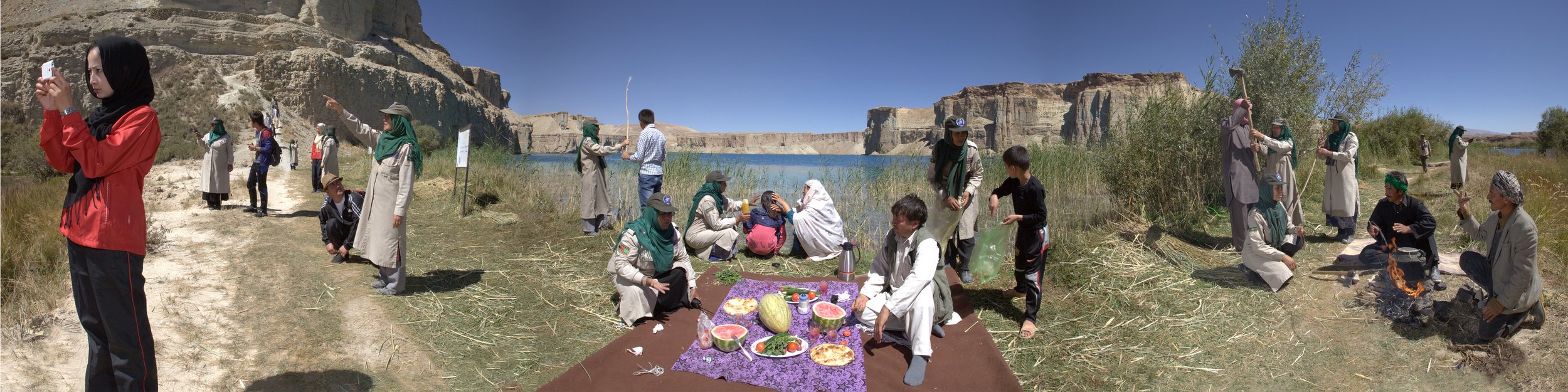
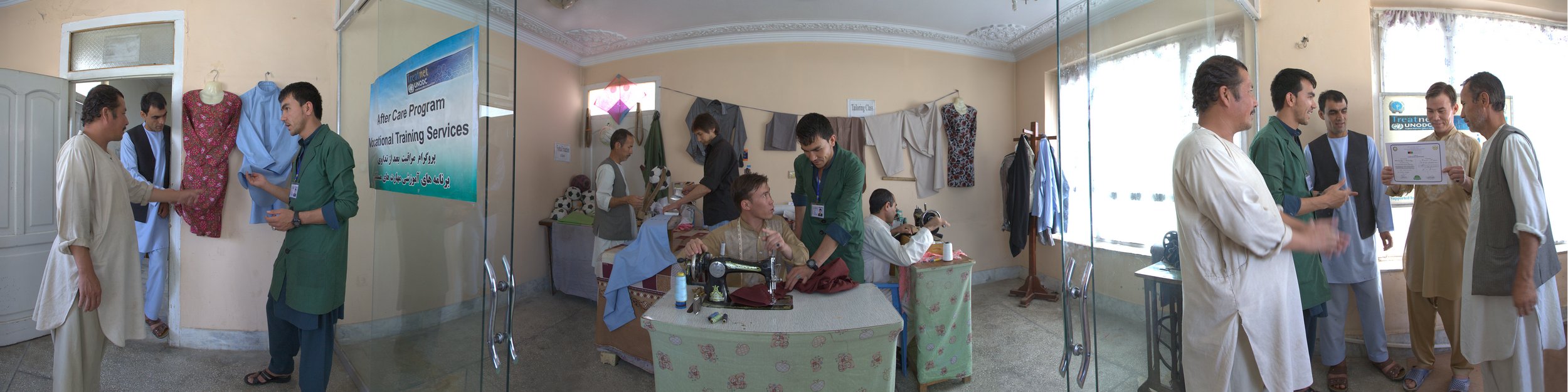
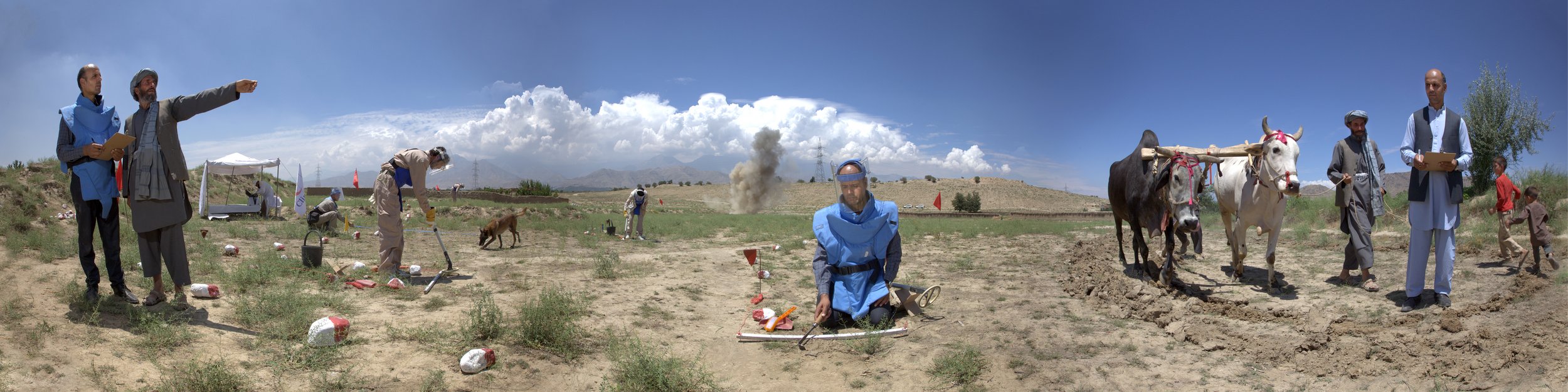
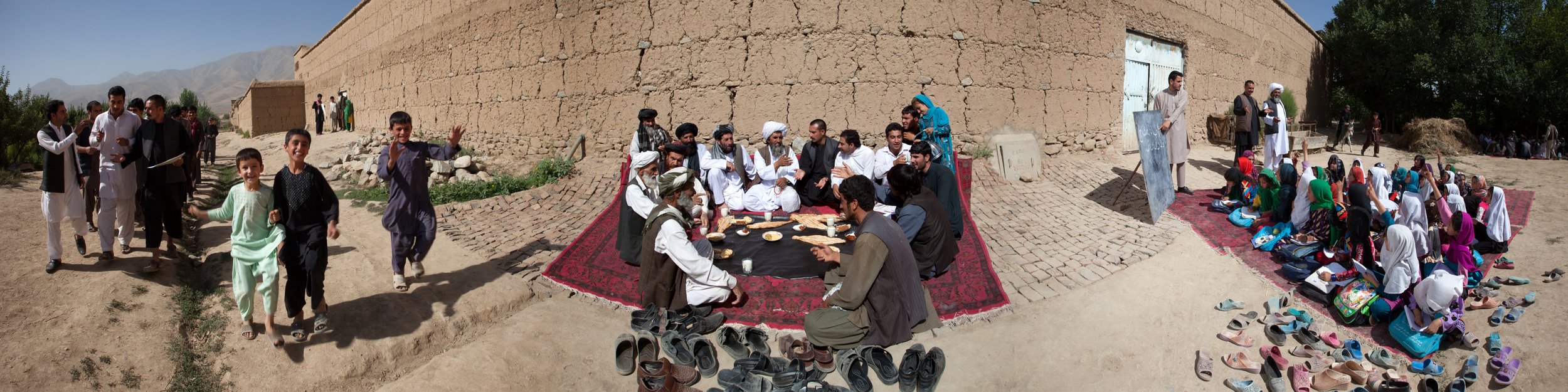
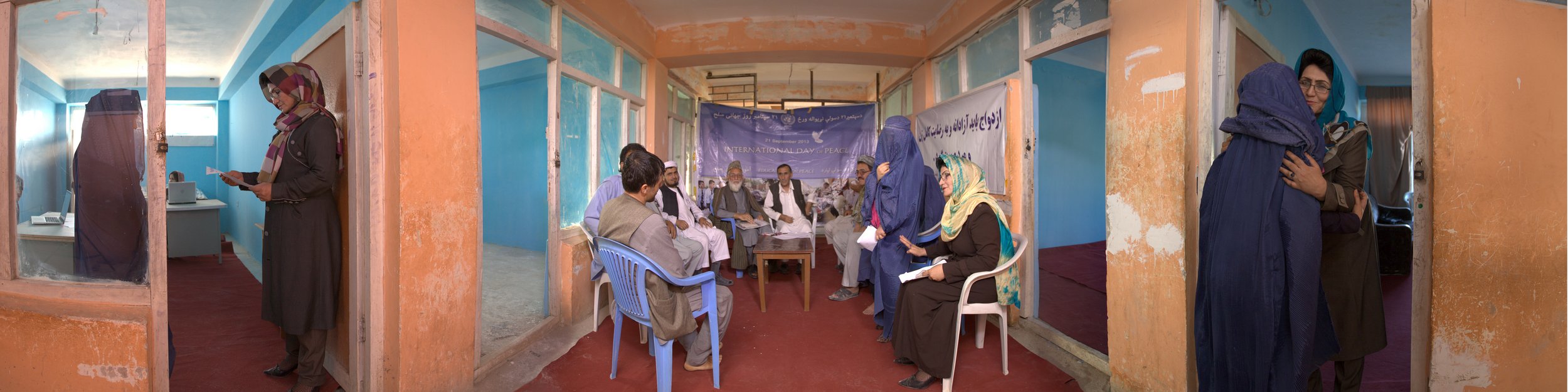
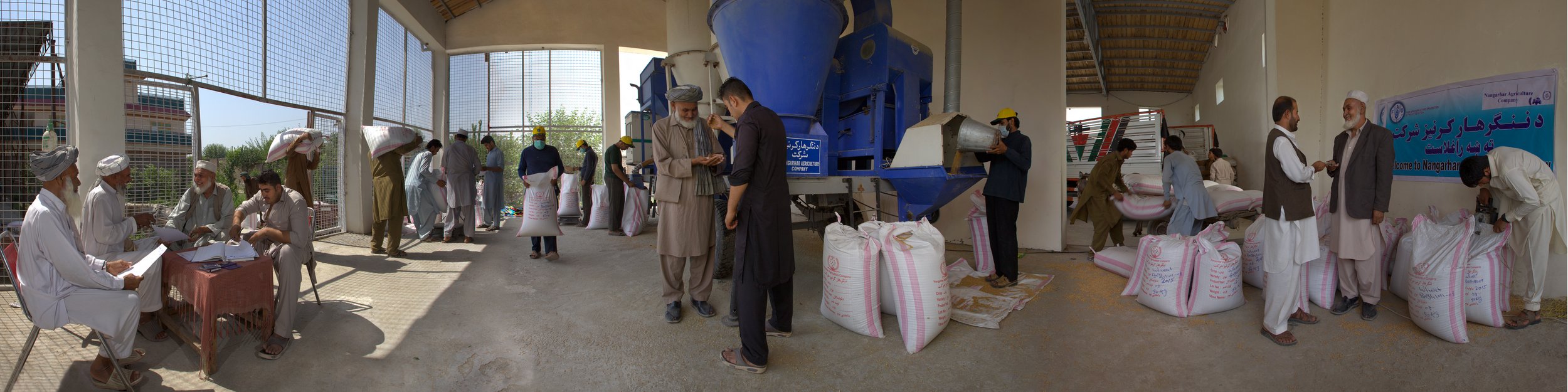
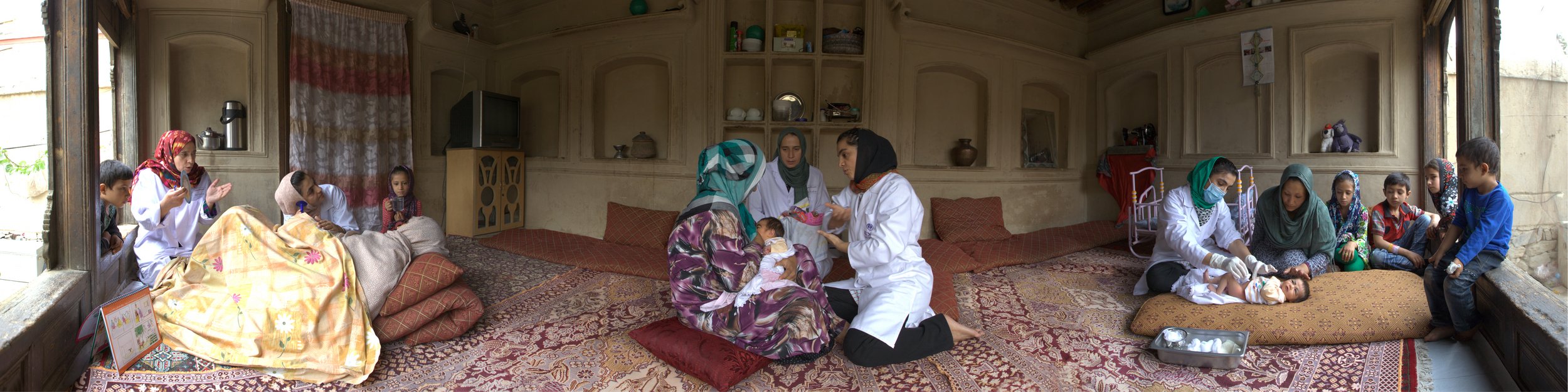
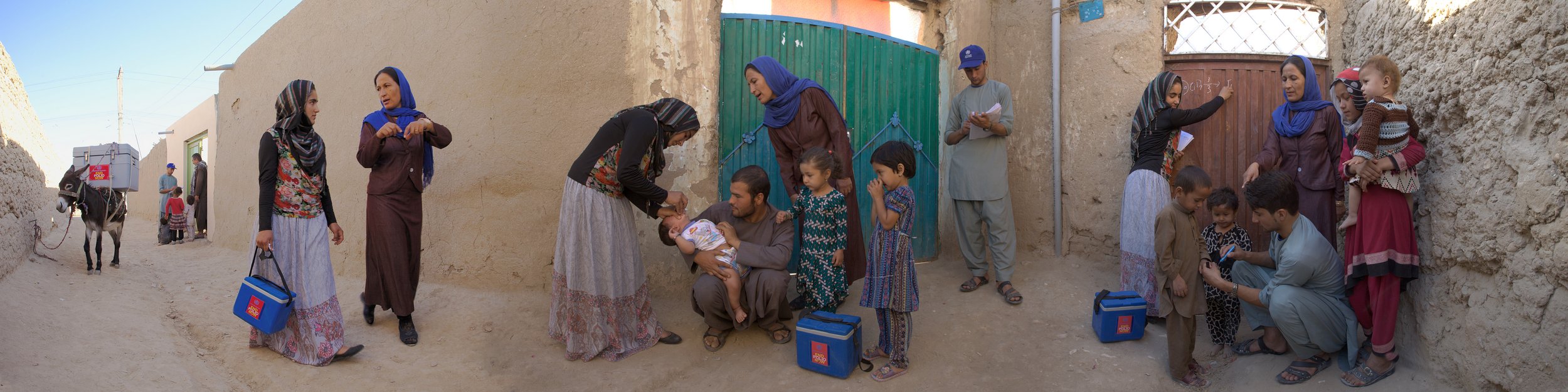
The UN70 “Strong UN. Strong Afghanistan.” campaign presented Afghan people as active contributors to their communities, rather than passive recipients of international assistance. Its archived stories and images provide useful context for understanding youth initiatives, community leadership and the practical work that helps social ties survive. Soccer leagues fit within that wider picture: modest local activities can support confidence, belonging and peaceful cooperation when they are carefully designed.
Why Youth Football Matters In Afghanistan
Football is accessible because it requires relatively little equipment. A ball, open ground, basic goalposts and a trusted organiser can be enough to bring a group together. In places where formal youth clubs are scarce, a tournament can become a regular meeting point for teenagers and young adults who might otherwise have limited opportunities for recreation.
A league also creates repeated contact. A single match may produce excitement, but a season encourages players to return, follow a schedule and accept decisions made by referees or coaches. These habits can reinforce patience, accountability and respect for other teams. The peacebuilding value lies in the routine as much as in the result.
The Afghan setting requires care. Access to safe public spaces varies sharply between provinces, and girls, young people with disabilities, displaced families and minority communities may face additional barriers. Any sports programme that treats participation as automatic risks reproducing the exclusions it aims to reduce.
From Tournament Matches To Peacebuilding
A soccer tournament cannot resolve political disputes or replace protection, education and humanitarian services. Its contribution is more focused: it can help reduce social distance and establish constructive relationships among participants. Teams may include players from different neighbourhoods, ethnic groups or displaced communities, allowing cooperation to develop through practical goals.
Coaches and youth workers are central to this process. Before competition begins, they can agree on codes of conduct covering insults, retaliation, discrimination and spectator behaviour. A referee’s decision then becomes part of a shared framework. Players learn that disagreement can be managed through rules, appeals and conversation rather than intimidation.
The strongest programmes connect the matches with broader activities. Short discussions about non-violent communication, first aid, gender respect or community responsibility can take place before or after games. These sessions should be age-appropriate and led by people who understand local customs. They work best when they complement football instead of turning every training session into a formal lecture.
Building Safe And Inclusive Leagues
Safety planning begins with the venue. Organisers need to assess travel routes, crowd control, weather, field conditions and emergency contacts. Matches should be scheduled at times that families consider acceptable, with clear arrangements for supervision and transport. A tournament that feels unsafe will quickly lose community trust.
Inclusion requires practical decisions rather than broad statements. Registration fees may need to be waived, equipment shared and places reserved for young people who cannot easily afford boots or uniforms. Where mixed-gender play is not locally workable, organisers can still support girls’ football through separate teams, women coaches, school partnerships or parallel training opportunities.
Disability inclusion also deserves attention. Fields can be made easier to enter, rules can be adapted where appropriate and teams can include players with different physical abilities. Communication should use local languages and accessible formats. Community elders, parents and religious leaders may need to be engaged early so that participation is understood as a legitimate youth and community activity.
The UN Role And Local Ownership
United Nations support can involve funding, technical advice, coordination, communications, protection standards or connections with Afghan civil society organisations. The precise role differs by programme and location. It is important to describe partnerships accurately rather than suggesting that every match is directly run by the UN.
Local ownership gives a league its durability. Afghan coaches, teachers, municipal representatives, youth associations and community volunteers understand the rhythms of their areas better than an outside organisation. They can identify suitable grounds, mediate disagreements and recognise risks that may not appear in a formal project assessment.
International partners can add value by helping local organisers develop safeguarding systems, transparent budgets and monitoring tools. They may also provide sports equipment or training for coaches. The objective should be a stronger local network, rather than a short-lived event that disappears when a grant ends.
For organisations communicating this work online, clear archives matter. A civic information website such as a local public portal shows why straightforward navigation, community-facing information and reliable public presentation are useful even when a campaign has finished. Archived material should identify dates, partners, locations and limitations so readers can distinguish historical reporting from current services.
Measuring Trust, Participation And Change
Match scores are easy to record, but they reveal little about peacebuilding. Evaluation should track who participates, how often teams return, whether disputes are resolved safely and whether young people report stronger connections with people outside their immediate group. Coaches can keep simple attendance and incident records without collecting unnecessary personal information.
Short surveys or group discussions may ask whether participants feel safe, respected and welcome. They can explore whether players have made friends from other communities, whether parents support continued participation and whether teams have developed new ways to handle conflict. Feedback should be voluntary and gathered in a way that does not expose participants to risk.
Evidence must be interpreted carefully. A calm tournament does not prove that violence has declined across a district. Outcomes may also be shaped by school access, local leadership, security conditions or changes in household income. The most credible reports describe the programme’s modest contribution and include the voices of players, coaches and families.
Photography and storytelling need similar discipline. Young people should understand where their images may appear, and consent procedures should reflect safeguarding concerns. A compelling photograph can humanise a campaign, but it should never identify a vulnerable participant without proper permission or present hardship as entertainment.
Lessons For Australian Communities
Australian readers can recognise the value of local sport through community football, futsal and school competitions. In Melbourne’s western suburbs, clubs often bring together families with roots in many countries. In Western Sydney, football can connect school communities, migrant associations and neighbourhood volunteers. These examples do not mirror Afghanistan, but they show how regular sport can create relationships across difference.
The Australian market also demonstrates the importance of affordable access. Registration, uniforms, transport and venue hire can place pressure on families during a cost-of-living squeeze. Community leagues often depend on local councils, small business sponsors, volunteer referees and grants. Similar principles apply to international youth sport: a programme’s social value is weakened if only the most resourced young people can join.
Australian sporting customs offer useful reference points, including fair play awards, club canteens, weekend fixtures and volunteers who manage equipment or transport. These traditions can inform programme design without being exported uncritically. Afghan communities should determine which practices fit their own social expectations and safety conditions.
There is also a communications lesson for Australian organisations supporting international development. Audiences respond to specific stories, but stories should preserve dignity and accuracy. Campaign pages can explain what funding achieved, who delivered the work and whether an initiative is current or archived. That standard helps prevent supporters from confusing a past tournament with an active service.
Recommendations For Responsible Youth Leagues
A practical model for UN-supported Afghan youth sports leagues should balance enjoyment with protection, inclusion and accountability. The following priorities can help partners move from a one-off tournament towards a more reliable community programme.
- Partner with Afghan coaches, youth groups, schools and community leaders from the planning stage.
- Complete venue, travel, safeguarding and emergency assessments before registration opens.
- Keep participation affordable through shared equipment, fee waivers and local sponsorship.
- Create clear rules against harassment, discrimination, threats and retaliation for players and spectators.
- Provide meaningful routes for girls, displaced young people and participants with disabilities.
- Train coaches in conflict-sensitive communication, first aid and referral procedures.
- Measure attendance, inclusion, safety, dispute resolution and participant feedback alongside match results.
These steps should be adapted to local conditions rather than imposed as a universal template. A rural league may need different transport and scheduling arrangements from a city competition. In every setting, organisers should protect personal data, document incidents responsibly and establish a trusted way for participants to raise concerns.
Funding decisions should allow enough time for relationship-building. Peacebuilding through sport is cumulative: trust grows through repeated meetings, consistent rules and visible fairness. Short grants can still help, but they should support local capacity and leave behind skills, equipment and partnerships that communities can maintain.
Youth football in Afghanistan deserves to be understood as part of a wider social effort. A match cannot carry the burden of peace on its own, yet it can provide a practical setting for cooperation, dignity and shared responsibility. When the field is safe and the programme is locally led, a tournament becomes a small but meaningful public space.
The archived UN70 campaign’s central message remains relevant: a strong United Nations depends on strong relationships with people and communities. Organisations, donors, clubs and educators can support that principle by funding conflict-sensitive sport, sharing responsible stories and backing Afghan youth leaders. Turning goodwill into sustained partnerships is the next step towards leagues where every fixture builds skills, trust and a stronger community.