
Making a Difference
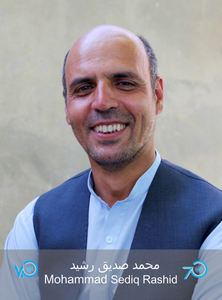
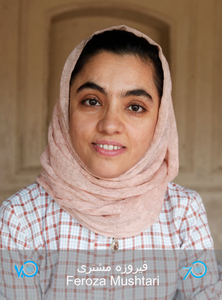

UN-Supported Afghan Women’s Soup Kitchens Feed Families
Across Afghanistan, women are using everyday cooking skills to respond to hunger, displacement and economic hardship. Community soup kitchens prepare affordable meals for families who may have little income, limited access to markets or no dependable source of food. For many households, a warm bowl of soup means fewer missed meals and enough nourishment for children to learn, play and grow.
These kitchens are more than food distribution points. Women plan menus, organise ingredients, welcome neighbours and shape solutions around local needs. Support from United Nations agencies and partner organisations can help cover training, kitchen equipment, nutrition information and ingredient costs, depending on each location. The result is a practical form of assistance built around Afghan women’s leadership.
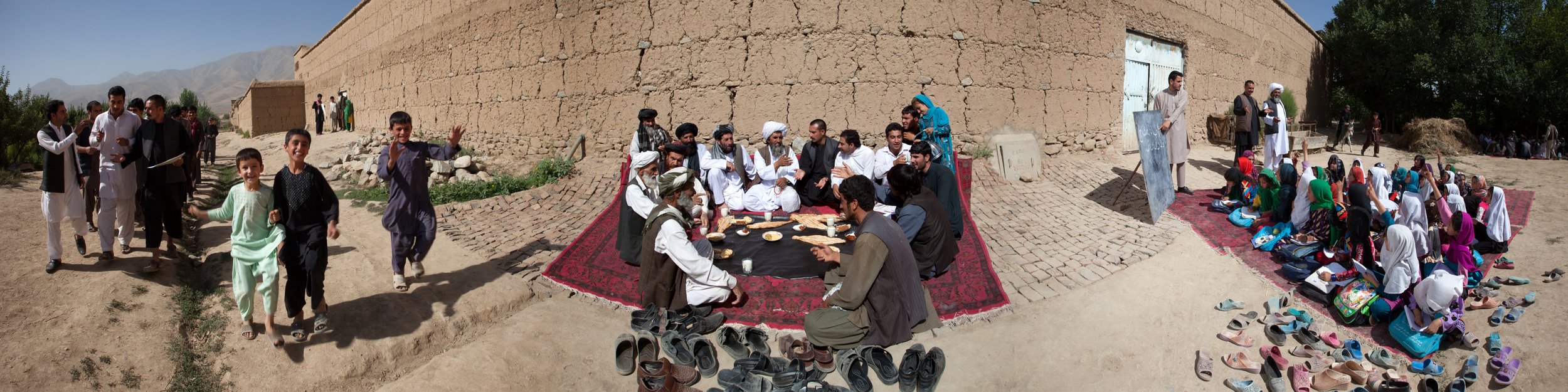
The completed UN70 campaign preserved stories and photographs from this work through the archived UN Afghanistan campaign. Although the website is no longer active, its messages remain relevant: local action deserves recognition, international support should be accountable, and food assistance works best when it strengthens the people delivering it.
Nutrition That Reaches the Table
Soup kitchens can provide several kinds of nourishment in one economical meal. Pulses, grains, vegetables, cooking oil and spices create filling food that can be adjusted to available supplies. Root vegetables and leafy greens add variety, while eggs or other locally available protein sources strengthen nutrition when they can be included. Thickening and careful portion control also allow a limited quantity of ingredients to reach many people.
Nutrition depends on more than the number of bowls served. Regular balanced meals can help address hunger among children, pregnant women, older people and those living with illness. Kitchen teams can also identify people who need referrals for health care, cash support or specialist nutrition services. Those referrals turn a meal into an entry point for other assistance.
No single recipe suits every community. Men and women from the cooking team can consult families about preferences, allergies and religious requirements without compromising the menu. When ingredients are scarce, a flexible base of grains, pulses and vegetables allows the soup to remain nutritious. Clear records of supplies and meal numbers also help partners understand demand and reduce waste.
Women Lead, Communities Set the Menu
Afghan women often carry substantial responsibility for feeding their families, yet they may have unequal access to paid work, markets, transport and public services. A community kitchen can place their organisational skills at the centre. Women may manage cooking rotations, negotiate with suppliers, track stock and decide how funds are used, creating opportunities for leadership that might otherwise remain unrecognised.
Economic support can make that leadership more secure. Some initiatives provide small grants, ingredient stipends or links to livelihoods activities. Training in food safety, bookkeeping and group coordination adds value that lasts beyond a single meal. Accessible collection times, child-care arrangements and safe workspaces can help women participate without adding further pressure to their day.
Community kitchens in Australia offer a useful point of comparison. Melbourne organisations such as Community Kinners? Need exact: Community Kitchens brings people together around shared meals; Sydney’s Citymeals supports people experiencing homelessness. These models differ from Afghan soup kitchens, yet all show how a welcoming space, dependable volunteers and a clear meal schedule can reduce isolation. In Australian cities, where rent and food costs compete for limited household budgets, regular low-cost meals can offer meaningful relief.
Local Markets and Shared Resources
Ingredient purchasing has direct benefits for nearby farmers, shops and transport providers. Where security, prices and supply chains allow, partners can buy from Afghan markets rather than relying entirely on imported products. Demand generated by a kitchen may help small traders sell pulses, grains, vegetables and cooking oil, while predictable weekly orders can reduce waste for sellers as well as households.
Community contributions can fill gaps. Families may donate vegetables, herbs, labour or a small quantity of rice and oil. Mosques, schools, women’s groups and local businesses can support collections or provide space for preparation. In-kind support requires careful management, especially when families facing hardship are asked to give, so regular assistance and transparent planning are just as important as generosity.
Australia has a mature retail and food-rescue system that can help organisations source supplies, although conditions vary sharply between cities and regional areas. Seasonal produce may be abundant and affordable, while drought, freight costs and long travel distances raise prices in rural and remote communities. Supermarkets, secondary wholesalers and food-rescue groups may redirect edible stock, but transport and cold storage remain significant expenses in places such as far northern New South Wales.
Water Is Essential in Every Serving
Water is needed before any ingredient reaches the table. Soup kitchens require safe drinking water for cooking, handwashing, cleaning utensils and maintaining basic hygiene. Without adequate sanitation, food can spoil and illness can spread quickly through a crowded community. Reliable water therefore belongs alongside food, fuel and clean cooking equipment in any responsible assessment of a kitchen’s needs.
That connection is familiar in Susanville, New South Wales, where dry conditions can put pressure on household supplies and local infrastructure. Residents responding to an unusually high water bill can check fixtures, irrigation, household habits and possible leaks while awaiting advice from the relevant authority. The same careful attention to every litre is valuable in a community kitchen serving dozens of people each day.
Afghan kitchen teams can improve efficiency by storing covered water, using basins rather than continuous running water and keeping washing areas orderly. Rainwater collection may supplement supply where local conditions permit, but water intended for drinking or cooking must be treated and stored safely. Water, sanitation and hygiene support should strengthen local knowledge and equipment rather than impose a single design on every community.
Dignity, Safety and Cultural Fit
Food assistance can shape how people see themselves. A service built around suspicion, embarrassment or rigid eligibility rules may discourage eligible families from attending. Clear information, respectful reception and private ways to seek help can make a kitchen feel safer. Shared tables also allow people to eat together as neighbours rather than being sorted into separate groups defined by need.
Kitchen teams need safeguarding procedures, especially when children and vulnerable adults are present. Trained personnel should handle complaints, record incidents responsibly and prevent misuse of private information. Cooking spaces should have suitable ventilation, fire controls, clean surfaces and protection from harassment. Community feedback can reveal whether opening hours, locations or collection arrangements are working well for women and people with disabilities.
The Australian expression “a fair go” captures a widely shared expectation that systems should be fair and accessible. Applying that principle does not mean copying one country’s model; it means listening carefully. Afghan communities know which recipes, hosts, religious observances and collection times encourage participation. Local decision-making protects dignity and often improves attendance, while outside partners can help with the resources that volunteers cannot secure alone.
A Campaign Legacy for Future Support
Numbers can show how many meals were prepared or how many people attended, yet stories reveal what those figures represent. A child receiving regular food may return to school with greater concentration. A woman managing procurement may gain confidence and experience that supports another enterprise. Shared meals may also create information networks, allowing neighbours to learn about available services before a crisis becomes severe.
The archived campaign gives this story a public record through photographs, news and messages from senior UN representatives. These materials help supporters understand that national progress depends on daily, local decisions. They can also encourage humanitarian organisations to fund practical leadership, nutrition training and community accountability rather than treating assistance only as an emergency distribution exercise.
Long-term support should help kitchens remain adaptable after an emergency or seasonal funding period ends. This may include shared kitchen facilities, cooperative purchasing, financial training and links to local employment. Donors should ask how organisations measure nutrition, safety and community ownership alongside meal output. Local women should help interpret those measures and decide what a successful transition looks like for their neighbourhoods.
A bowl of soup may appear simple, but every serving depends on networks of care, planning and trust. Australians can honour Afghan women’s leadership by sharing the archived stories, supporting current Afghanistan-focused humanitarian programmes and giving through organisations that explain where their funding goes. Standing with Afghan-led solutions keeps attention on families while helping practical, community-based work continue beyond an archived campaign.