
Making a Difference


Afghan Artisans Build Export Markets Online
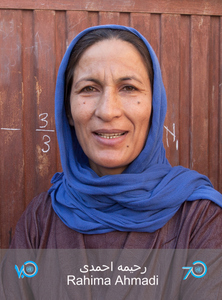
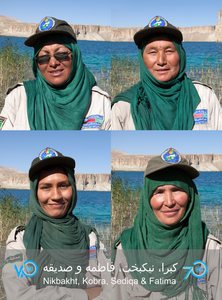
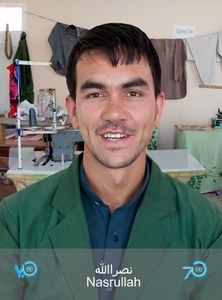
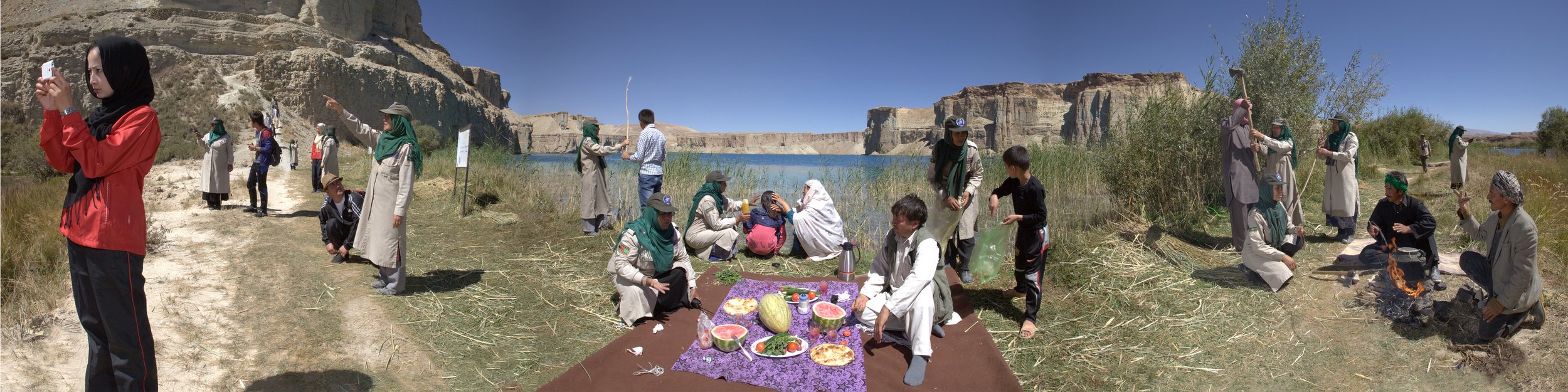
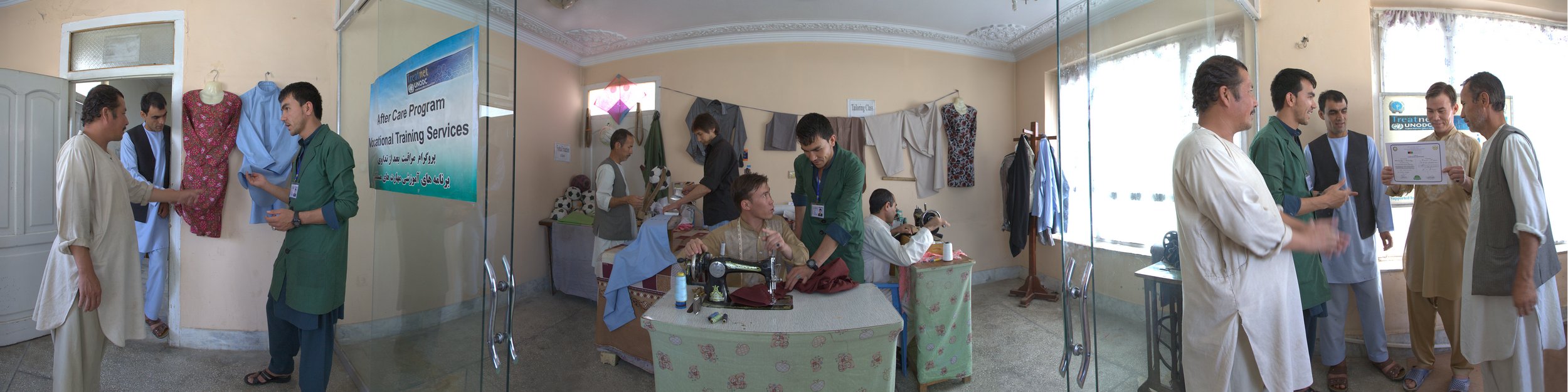
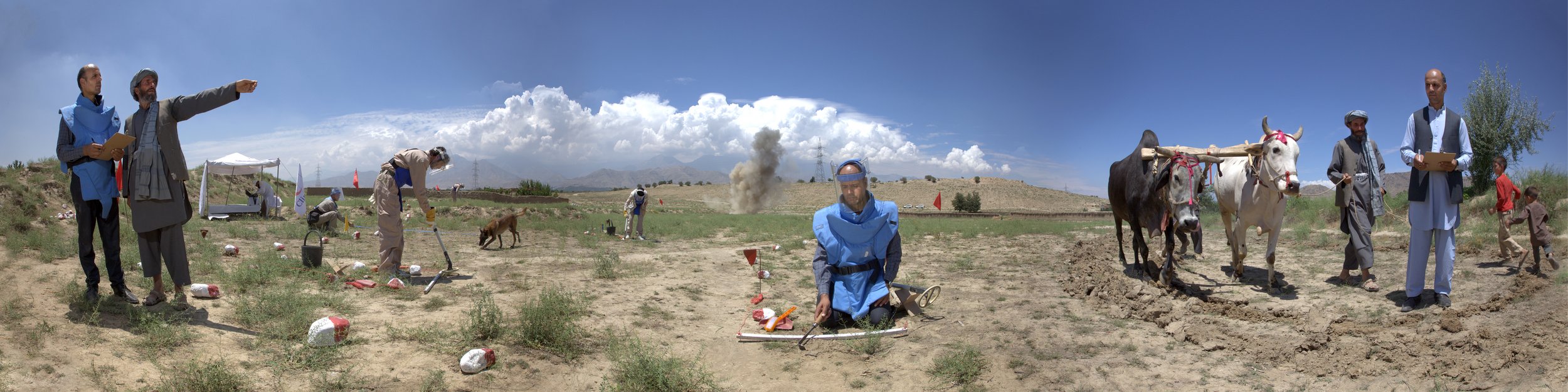
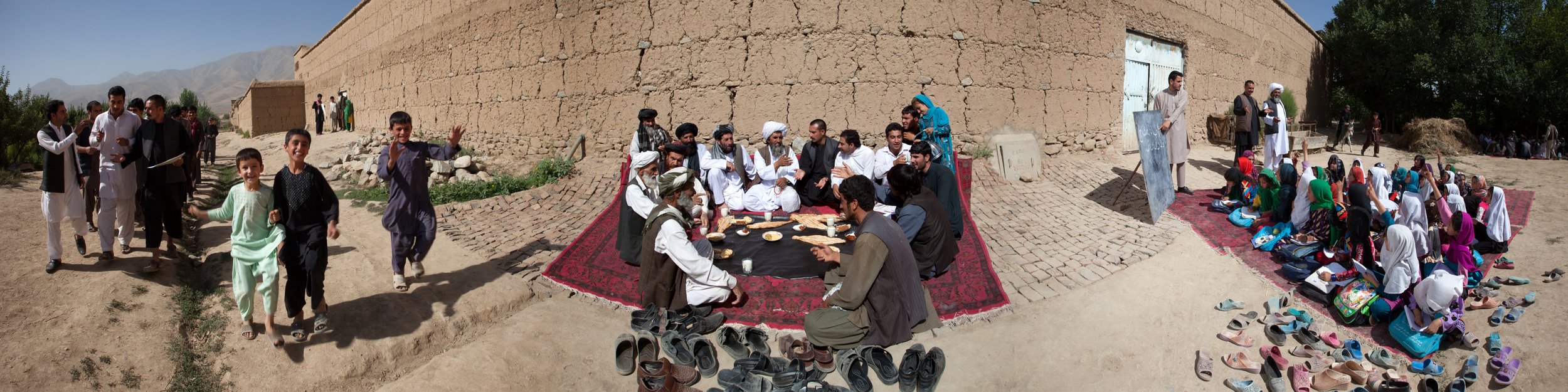
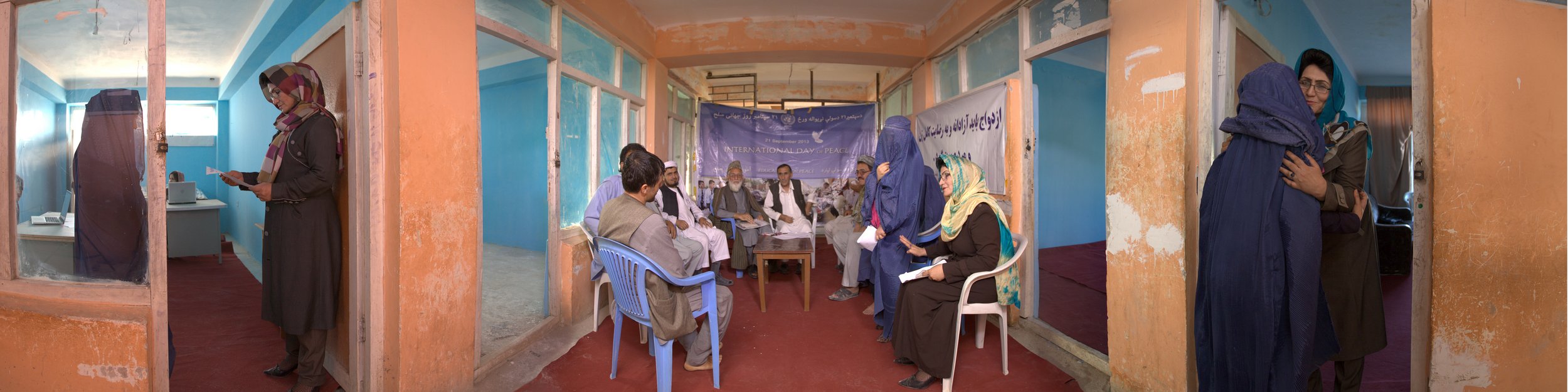
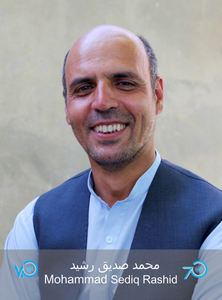
UN-supported Afghan handicraft exports are finding a practical route through online stores, social commerce and digital marketplaces. At the heart of the UN70 “Strong UN. Strong Afghanistan.” campaign are Afghan people whose craft knowledge sustains household businesses and local economies. The official UN Afghanistan site preserves their stories through an archived snapshot, photographs, news and messages from the Special Representative of the Secretary-General. Its focus is a strong partnership with communities, and its lessons remain relevant as artisans adapt to changing markets.
Online selling can widen access for makers of textiles, jewellery, woodwork and other handmade goods, yet a digital catalogue alone does not create a durable export business. Training must connect beautiful products with pricing, photography, secure payment, reliable dispatch and accurate customer records. It should also respect the time, skill and decisions behind each piece. For many artisans, direct digital relationships can mean steadier demand and a larger share of income remaining with the workshop rather than disappearing through layers of intermediaries.
For Australian readers, the opportunity is real but not automatic. Melbourne’s laneway boutiques, the traders at Sydney’s Paddy’s Markets and stalls at Adelaide Central Market all show how buyers respond to distinctive, well-presented craft. Australians commonly describe quality as “properly made” or “small batch”, while careful shoppers increasingly ask who made an item, where the materials came from and whether the maker was paid fairly. The local market operates in Australian dollars, with GST, marketplace fees, courier charges and consumer guarantees shaping the final purchase. Long distances between cities and towns also make shipping costs and delivery promises decisive.
A useful training programme therefore begins with the business behind the craft. It identifies priority products, maps reliable courier options, checks customs and biosecurity requirements, and builds simple procedures for orders, returns and customer care. Digital skills should be taught in accessible, practical sessions, with follow-up support after launch. This approach turns e-commerce into a business tool for artisans while giving Australian buyers a clearer, more respectful way to discover Afghan creativity.
From workshop to online storefront
The first session should map how a product moves from a workshop to an overseas customer. Trainers can compare wholesale, trade-fair and direct online routes, then help each artisan choose a realistic mix. A focused range is more useful than listing every item: buyers can understand the workshop’s identity, while makers spend less time on products that do not travel well or cannot be replenished consistently.
| Export route | Buyer experience | Main advantage | Main constraint |
|---|---|---|---|
| Trade fair or wholesale agent | Samples, bulk orders and negotiated margins | Established networks and concentrated demand | Less direct contact with end buyers and thinner control over margins |
| Direct e-commerce | Individual orders through a workshop store or marketplace | Creator control over presentation, data and customer relationships | Requires packaging, payments, support, compliance and predictable fulfilment |
Direct e-commerce gives the artisan control over presentation, customer data and margins. It also creates extra duties: answering enquiries, packing safely, processing refunds and handling chargebacks. Workshops should practise these tasks before launch, using mock orders and clear checklists. The goal is not to make every participant become a full-time logistics manager, but to give them dependable systems and know when to call an experienced partner.
A hybrid route often works best. Trade fairs and stockists can provide early cash flow, introductions and credibility, while a storefront turns those contacts into repeat customers. Online marketplaces may help new sellers test demand, but a simple, mobile-friendly shop owned by the workshop can reduce fees over time. Training should compare total costs rather than assume that the channel with the biggest audience is automatically the best one.
Find a focused product range
Product selection should begin with an inventory and skills review. Trainers record each item’s materials, dimensions, weight, production time, colour options and likely shelf life. They also note seasonal demand, fragile features and restrictions that may affect cross-border movement. The review identifies a small group of signature products that can be photographed consistently and supplied without regular quality problems.
Distinctiveness matters in Australian retail. A well-described woven bag, carved box or embroidered textile can stand out from mass-produced alternatives, especially when the listing explains the technique and time involved. Clear sizes and natural colours reduce guesswork, while discreet variations should be presented as part of handmade production rather than hidden. Product bundles can raise order value, yet they should never bundle poor-quality pieces merely to reach a free-shipping threshold.
Pricing needs to cover materials, labour, design work, packaging, platform charges, payment fees, shipping and returns. Trainers can show artisans how to calculate a sustainable price and a promotional price without confusing the two. A product that appears cheap but cannot absorb a parcel fee, replacement or return is not competitive. Transparent pricing also protects the perceived value of skilled work and reduces pressure to underpay makers.
Make every listing feel trustworthy
Every listing should answer basic questions quickly: what is the item, how large is it, what is it made from, how long will dispatch take, and what happens if it arrives damaged? Training can use a phone camera, daylight and a simple background to produce consistent photographs. Short videos can show a maker’s process when consent is given, while close-up images help buyers judge texture and craftsmanship.
Storytelling should add context rather than decorate empty claims. Good copy explains regional techniques, material choices and the artisan’s role, with care around cultural symbols and community identity. It can state what makes an item handmade and how the workshop supports its makers. Retail buyers in Melbourne, Sydney and Adelaide can then assess the story alongside quality, making it easier to place a product in a collection built on genuine provenance.
Trust also depends on visible service information. Stores need a working contact route, delivery areas, tracking expectations, return conditions and privacy details. Descriptions can be written in Dari, Pashto and English where audiences require it, then checked for accuracy. Reviews should be collected naturally, never bought. Consistent packaging, realistic stock updates and prompt responses often influence repeat purchases more than a new social media campaign.
Train for payments, logistics and compliance
Payments and cash flow require careful rehearsal. Participants should compare secure options available to their business, including suitable card, wallet or bank-transfer arrangements, and learn how refunds affect their accounts. They should keep a simple record of every sale, fee and currency conversion. Trainers need to explain the actual cost of receiving money, not just the customer-facing checkout button, and should refer uncertain cases to an authorised provider.
Shipping is the point where many promising stores lose trust. Packing demonstrations should cover protection, moisture, breakage and weight, followed by a calculation using the courier’s real rates. Shared collection points, discounted negotiated rates and tracked services can improve feasibility, especially where one artisan does not send parcels every day. Australian customers value clear postage and a realistic delivery window, particularly when long distances make vague promises impossible.
Customs and product rules need equal attention. Textiles, leather, wood or natural fibres may raise different questions about duties, treatment, quarantine and biosecurity. Sellers should verify requirements for their actual products and destinations rather than rely on assumptions, while support organisations can connect them with current guidance. Australian shoppers may also see GST or other charges at checkout, so descriptions should avoid guaranteeing an all-in price until those variables are checked.
Protect artisans while they grow online
Online growth creates exposure to impersonation, fake invoices, malicious links and payment fraud. A practical session should cover unique passwords, two-step verification, secure backups, limited access for staff and careful checks of unexpected requests. Artisans should separate business information from personal accounts where possible. These habits protect more than a store; they protect the workshop’s cash flow and reputation when a convincing scam targets a busy operator.
Records must be organised so they remain available when a phone, laptop or paper ledger fails. This is familiar to Australian defence communities, where personnel moving between units often need to retrieve old documentation. A guide to retrieving archived NCOER documents explains how former personnel can recover a copy of an NCOER from a previous unit. For exporters, the practical lesson is to maintain cloud backups of invoices, order confirmations, agreements, certificates and product images while keeping one offline copy.
Safety planning should extend to harassment, unwanted contact and misuse of personal details. Workshops can agree on response procedures, train a designated contact and provide private ways to report abuse. Training must also be available to women, people with disabilities and makers with limited literacy without exposing them to uncomfortable public scrutiny. Local language, practical examples and peer learning often help participants absorb digital safeguards faster than abstract rules delivered in English.
Measure progress with useful numbers
Success measures should reflect both business health and participation. Useful indicators include revenue by product, repeat customers, conversion rate, average order value, delivery time, return rate and gross margin. Workshop data should also show how many artisans are earning, which groups are underserved and whether training reaches rural producers. A large social following means little if it does not translate into fairly paid, repeat orders.
Small pilot sales can reveal problems more quickly than a large launch. Trainers should review customer questions, failed deliveries, refunds and product feedback with the makers, then help them adjust photographs, descriptions, stock and packing. Each participant can set one goal for the next month, such as reducing response time or adding a clearer size chart. The aim is steady improvement, supported by mentoring after the formal course ends.
A durable programme needs partners beyond the trainer: artisan cooperatives, makers, logistics firms, payment providers, ethical retailers, mentors and relevant Afghan institutions can reinforce each other. Universities and technical groups may support digital skills, while buyers can provide feedback on design and presentation. Although the UN70 campaign site is archived, its partnership model remains a useful guide: national progress grows when Afghan expertise shapes the work and local capacity remains after outside support departs.
Bring Afghan craft into Australian homes
Consumers can contribute by looking for clear origin, fair payment and dependable fulfilment rather than the lowest sticker price. Supporting a verified Afghan workshop or producer group helps keep more value with the people making the goods. It also helps preserve techniques passed down through families and communities. Online discovery is valuable only when the customer relationship continues beyond the first transaction.
Australian retailers and marketplaces have a practical role in widening that relationship. They can offer fair terms, provide accurate product information and feature makers in Melbourne, Sydney and Adelaide rather than treating Afghan craft as a temporary trend. Pop-up displays and online showcases can connect a physical buying experience with a digital storefront. Sellers who meet delivery, packaging and customer-care standards deserve long-term partnerships, not one-off discount orders.
Read the archived UN Afghanistan campaign stories, select responsibly sourced Afghan handicrafts and choose sellers who explain who made each piece. Share accurate listings with friends, support fair partnerships with retailers, and help artisans build direct, lasting customer relationships. Every well-informed purchase can give an Afghan workshop visibility, income and room to keep developing the craft for which it is known.