
Making a Difference

Community Libraries And Reading In Afghanistan
For many people in Afghanistan, a community library is far more than a room filled with books. It can be a quiet place to study, a shared resource for families, and a practical sign that local residents deserve access to knowledge. When the United Nations and its partners support book donations and reading activities, they help communities build spaces where children, young people and adults can learn together.
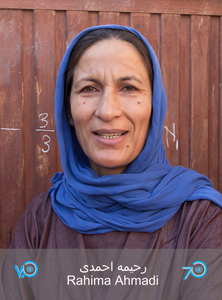
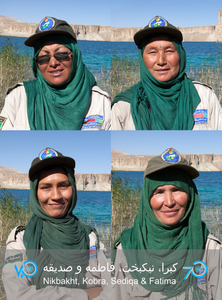
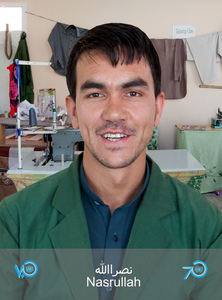
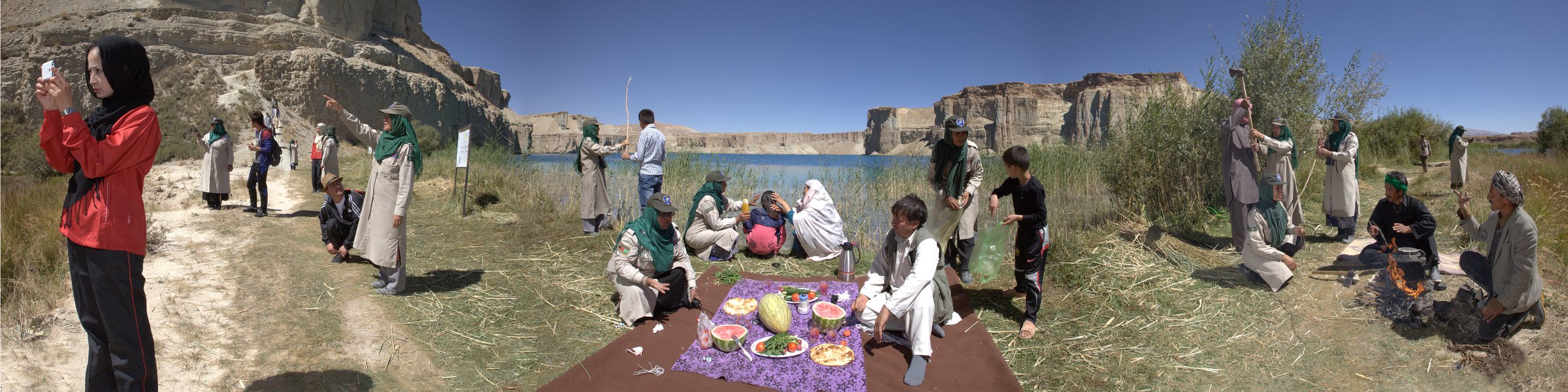
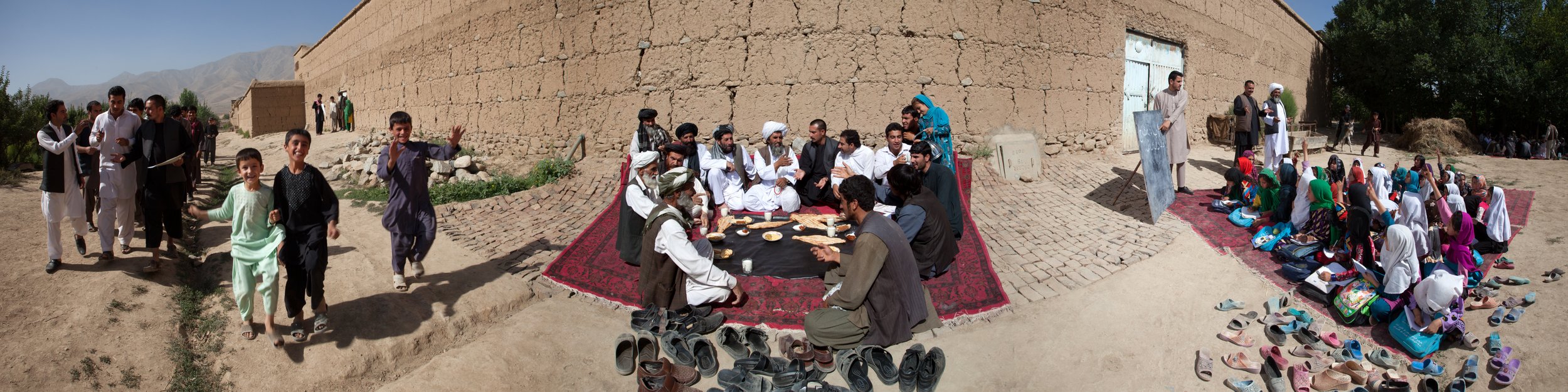
The UN Afghanistan website preserves the UN70 “Strong UN. Strong Afghanistan.” campaign, an archived collection of stories, photographs, messages and media about the organisation’s work with Afghan communities. Although the campaign has finished and the website is no longer active, its focus on Afghan people and local contributions remains useful for understanding how community-based initiatives create lasting value.
For an Australian audience, the idea is familiar. Public libraries in Melbourne, Sydney, Brisbane and regional towns often serve as study rooms, internet access points, meeting places and children’s activity centres. Afghan community libraries operate in different circumstances, yet the principle is similar: reading access can strengthen confidence, widen opportunity and connect people across generations.
Why Community Libraries Matter
A local library can reduce the distance between a learner and the information they need. In Afghanistan, that distance may involve limited household income, disrupted schooling, scarce books, travel restrictions or the absence of a nearby formal library. A modest collection held in a school, community centre or partner organisation can therefore make a meaningful difference.
Books support several kinds of learning at once. Children may practise reading in Dari or Pashto, students may find material for schoolwork, and adults may use practical information related to health, agriculture, livelihoods or civic life. A reading room also creates a shared routine, giving families a reason to value study and encouraging children to see books as part of everyday life.
Libraries can support social connection as well as literacy. Reading circles, storytelling sessions and supervised study periods allow participants to learn from one another. They can also give girls and boys structured opportunities to spend time in a safe educational setting, subject to local conditions and the arrangements established by community leaders and implementing partners.
How Book Donations Reach Readers
Book donations are most effective when they respond to local needs rather than simply sending whatever material is available. A useful collection requires age-appropriate stories, school-level texts, reference works and culturally relevant content. Language matters as well. Books that children can read comfortably are more likely to be borrowed, discussed and returned to the shelf.
Organisations supporting Afghan libraries may work with schools, local groups, education specialists and community representatives to identify suitable materials. Selection, transport, storage and distribution all require planning. A large shipment of unsuitable or damaged books can create costs without improving access, while a carefully selected smaller collection may be used intensively.
The Australian second-hand book market offers a helpful comparison. Donations gathered through op shops, school clear-outs, community book sales or local library exchanges can be valuable, but organisers usually need a clear sorting process before material is passed on. Books with torn pages, obsolete information or content that does not match the intended readers may need to be recycled or redirected rather than shipped.
Long-term value also depends on replenishment. A library needs basic cataloguing, safe shelving, simple borrowing records and people who can keep the collection organised. Donations should therefore be viewed as part of a broader reading programme, rather than as a one-off delivery that ends when the boxes are opened.
Reading Programmes Build Confidence
A reading programme turns books into regular activity. Sessions might include shared reading, storytelling, quiet study, reading aloud or discussions about a story’s characters and ideas. These approaches can help learners develop vocabulary and comprehension while making reading less intimidating for people who have had interrupted education.
Children often benefit from activities that connect books with conversation and creativity. Drawing a scene, retelling a story, acting out a passage or writing a short response can make a new text easier to understand. For older students, guided reading can support examination preparation and independent research without replacing formal schooling.
Community participation is central to a sustainable programme. Teachers, volunteers, parents, elders and youth leaders may help decide opening times, suitable books and appropriate activities. When residents have a role in managing the space, the library is more likely to reflect local priorities and remain trusted.
A reading room may also support women and girls through carefully designed programmes that reflect community circumstances. Access, staffing, privacy and safeguarding need to be considered from the beginning. The purpose is to create genuine educational opportunity while working responsibly with local partners and the realities of each area.
Trust, Care And Everyday Management
A library needs more than shelves and donated books. It requires clear responsibilities for opening the room, recording loans, repairing material, managing volunteers and reporting problems. Transparent arrangements help communities understand how resources are used and who can make decisions about the collection.
Everyday infrastructure matters, too. Lighting, heating or cooling, seating, water and reliable access to the building all influence whether people can use a library comfortably. Even in Australia, where public library services are generally well established, a branch can become difficult to use if transport, opening hours or basic facilities do not meet local needs. Afghan community libraries may face far more serious limitations.
Public-service accountability is relevant to these practical questions. When a community organisation occupies a shared building, it may need to understand basic responsibilities around services, maintenance and communication; general guidance on utility customer rights illustrates why clear information helps people manage essential services responsibly. The exact arrangements vary by location, but the underlying principle is consistent: users should know how a service operates and how concerns can be raised.
Safeguarding must remain part of library management. Volunteers should understand respectful conduct, supervision and privacy. Borrowing records should be handled carefully, particularly where children are involved. Small measures such as a sign-in process, a designated adult contact and a clear complaints pathway can strengthen confidence in the space.
What Australian Readers Can Learn
Australian communities often associate libraries with digital access, children’s story time, homework clubs and cultural events. In cities such as Sydney and Melbourne, libraries may provide multilingual collections and activities for residents from many backgrounds. In regional Australia, libraries can serve as essential gathering points for people separated by long distances.
Those experiences offer useful lessons without suggesting that the two contexts are identical. An Afghan community library may operate with fewer books, limited technology and uncertain facilities, while serving people whose education has been interrupted. Its strength may come from volunteer commitment, local knowledge and the willingness of families to protect a shared resource.
Book Week, school reading challenges and library holiday activities show how Australian organisations make reading visible and social. Similar principles can be adapted through storytelling days, family reading hours or peer-led study sessions in Afghanistan. The content and format should be chosen locally, with attention to language, age, cultural relevance and safety.
Australians who donate books should also recognise the cost of international logistics. Freight, customs, storage and sorting can absorb funds that might otherwise support local purchasing or programme staff. In some cases, a well-managed financial contribution to a trusted partner may provide more useful books than an unsolicited parcel. The best approach is guided by the receiving community’s stated needs.
Ways To Strengthen A Library Collection
A responsible donation programme usually starts with a simple assessment. Partners can record the number of readers, age groups, languages, school levels and subjects most requested. They can then compare those needs with available books and identify gaps that local purchasing may fill more efficiently.
Useful collection priorities may include:
- Early-reader stories with clear, accessible language
- School texts matched to local curricula
- Dari and Pashto books by relevant local or regional authors
- Practical reference material that is current and easy to use
Quality control protects the dignity of readers. Books should be clean, complete and suitable for the intended age group. Donors should avoid sending material that depends on outdated technology, contains culturally inappropriate assumptions or presents information that could mislead learners.
The Australian market provides many potential sources, including independent bookshops, library sales, education suppliers and community fundraising events. Partnerships with publishers or wholesalers may make it easier to obtain multiple copies of high-demand titles. For Afghan libraries, local or regional procurement can also reduce transport costs and improve language relevance.
Measuring Benefits Beyond Book Numbers
Counting donated books is straightforward, but it does not show whether a library is being used well. Partners may also track attendance, repeat visits, borrowing patterns, reading sessions and feedback from children, parents and educators. These measures help identify which activities are working and where adjustments are needed.
A small set of practical indicators can keep reporting manageable:
- Regular attendance by children, students and adult learners
- Number of reading sessions held each month
- Books borrowed, returned and requested by readers
- Volunteer participation and staff training completed
Stories from participants add important context to these figures. A student who gains confidence reading aloud, a parent who begins sharing stories at home or a teacher who uses the collection for lessons can show the library’s wider effect. Consent and privacy should be respected when personal stories or photographs are collected.
Sustainability should be measured over time. A library that remains open after initial funding, keeps accurate records and continues to attract volunteers has developed local ownership. That ownership is central to the broader UN message of a strong Afghanistan: international support can help establish opportunity, but communities give that opportunity its continuing life.
The archived UN Afghanistan campaign provides a valuable record of this community-centred approach. Its photographs and stories place Afghan individuals and local contributions at the centre, rather than presenting development as something delivered by outsiders alone. Community libraries fit this perspective because their success depends on readers, families, volunteers and local leaders using and caring for the resource.
Supporting reading in Afghanistan requires thoughtful action: suitable books, dependable partnerships, safe spaces and programmes shaped by the people who will use them. Australian libraries, schools, bookshops and community groups can contribute through informed donations, fundraising, professional exchange and respect for local priorities. Explore the archived UN Afghanistan stories, share the value of community libraries and support credible organisations working to keep books and reading within reach.