
Making a Difference
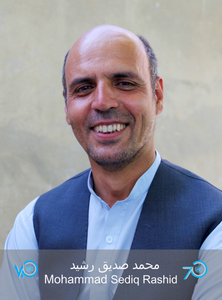


UN support for Afghan small businesses after conflict
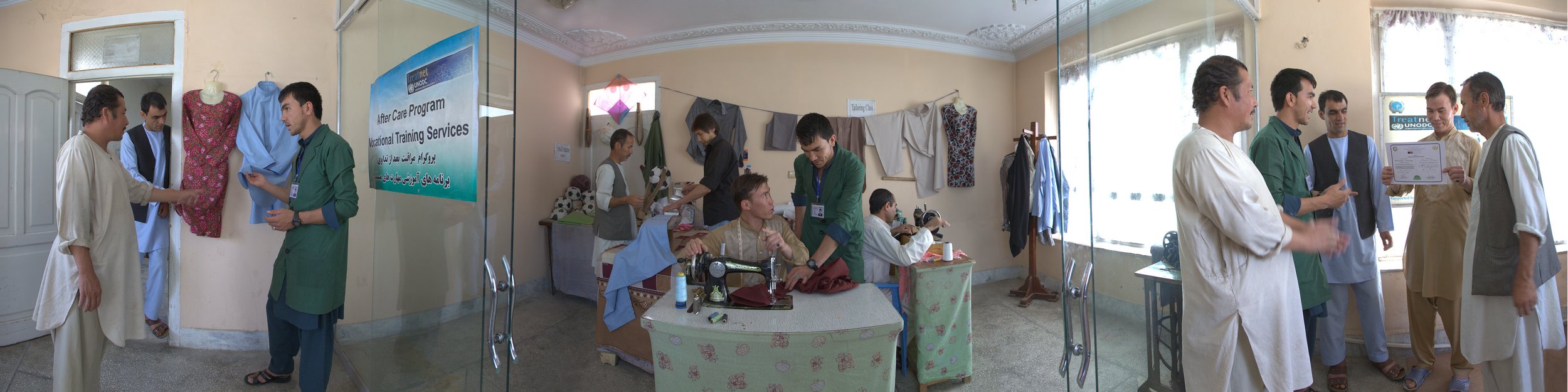
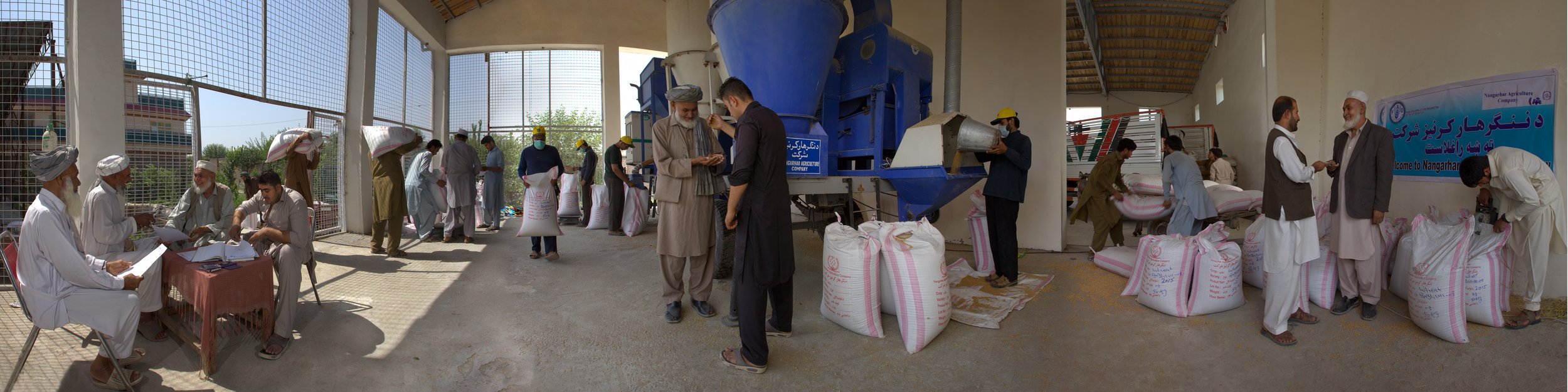
Small businesses are among the first institutions to reconnect daily life after conflict. A bakery reopens before a large factory, a tailor resumes work with a few tools, and a transport operator restores links between villages and markets. These enterprises generate income, preserve practical skills, and give families a reason to plan beyond immediate survival.
In Afghanistan, the recovery of local commerce has always been closely connected to stability. Conflict, displacement, damaged infrastructure, restrictions on movement, drought, financial disruption, and reduced purchasing power have placed pressure on household enterprises and formal companies alike. Support for Afghan small businesses therefore needs to address more than access to cash. It must help owners find customers, manage risk, obtain supplies, and employ people safely.
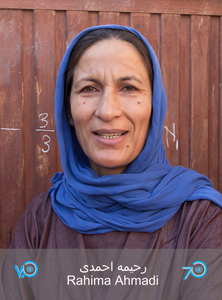
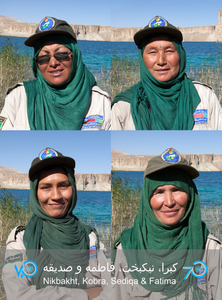
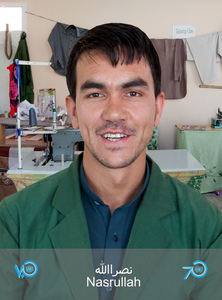
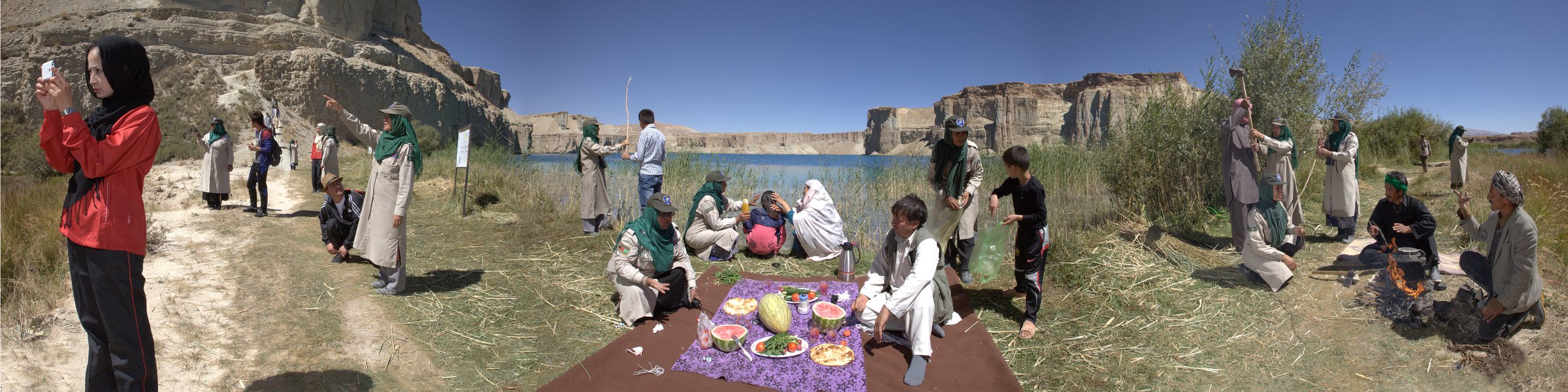
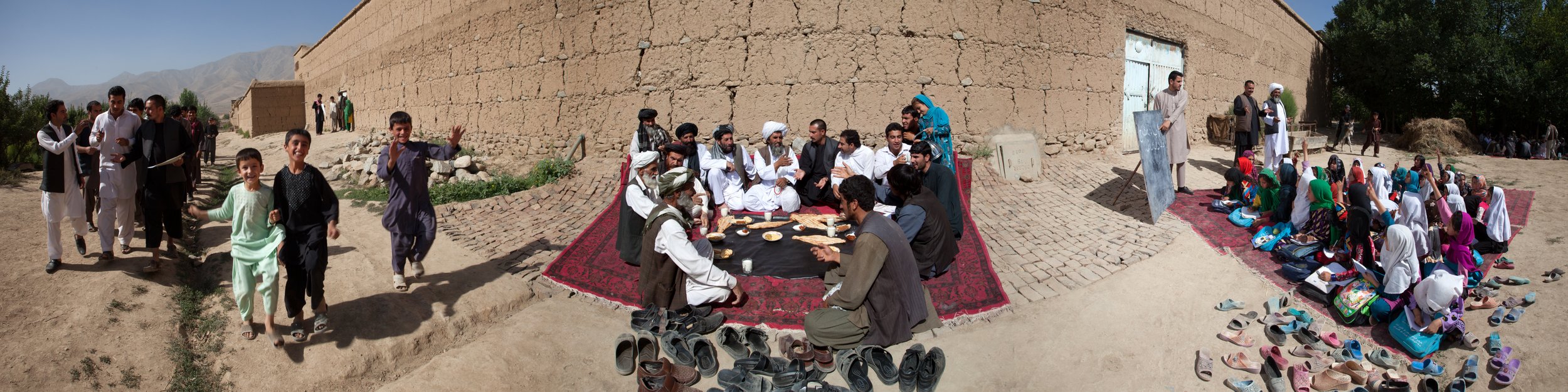
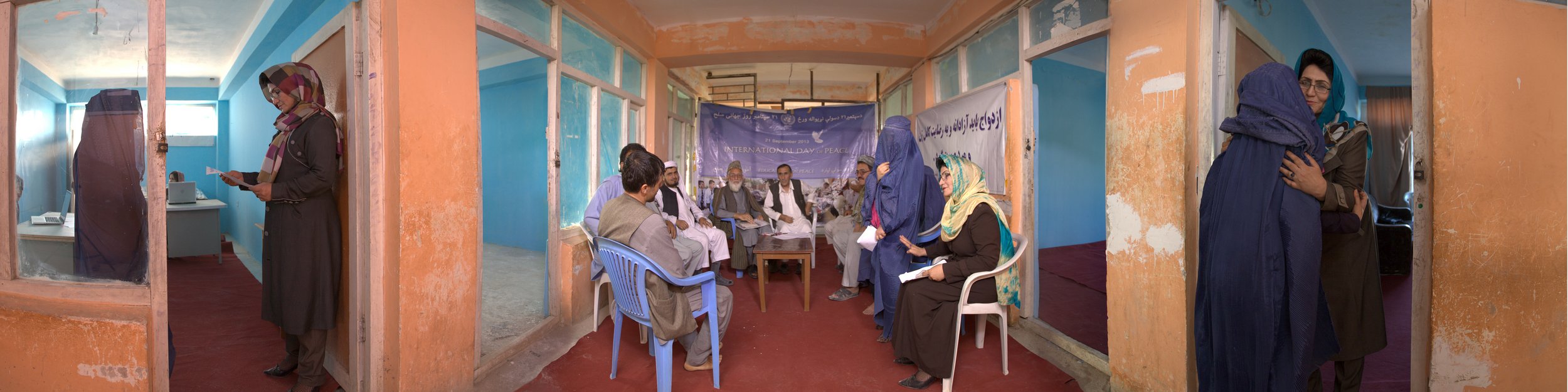
The United Nations has worked with Afghan communities and national partners across humanitarian, development, and peacebuilding fields. The archived UN Afghanistan campaign site provides context for that wider partnership through stories, photographs, messages, and examples of Afghan contributions. Although the campaign is complete and the snapshot is no longer active, its central idea remains relevant: resilient communities are essential to a strong Afghanistan.
Why small firms matter after conflict
Small and medium-sized enterprises support a large share of household income in fragile economies. They include farmers who process crops, women producing handicrafts, mechanics repairing essential equipment, shopkeepers serving neighbourhoods, and service providers working from home. Many operate informally, without registration, collateral, insurance, or reliable bookkeeping. Their modest scale can make them vulnerable, yet it also allows them to respond quickly to local needs.
When a conflict-affected area begins to recover, local businesses provide more than goods and services. They create social connections between producers, consumers, suppliers, and workers. A functioning market can help displaced families settle, enable returnees to earn a living, and reduce dependence on emergency assistance. Business income may also help households pay for education, health care, transport, and food.
This contribution is especially significant for women and young people. Where formal employment is scarce or movement is restricted, home-based production, agriculture, food processing, online services, and small retail activities may offer a practical source of income. Support must be designed around the actual conditions people face, including security concerns, care responsibilities, limited digital access, and uneven control over household finances.
What international support can address
UN assistance after conflict is usually part of a broader system involving Afghan ministries, local authorities, civil society organizations, donors, banks, chambers of commerce, producer groups, and community leaders. The UN can help coordinate these actors, identify gaps, support evidence-based planning, and connect immediate humanitarian action with longer-term recovery. It can also promote standards that protect vulnerable people and reduce exclusion.
Financial services are one area where targeted support can make a difference. Small grants, revolving funds, credit guarantees, savings groups, and carefully designed loans may help owners replace tools, purchase stock, repair premises, or restart production. Financing should be matched with business training and realistic repayment terms. Debt that ignores unstable markets or seasonal income can increase vulnerability rather than support recovery.
Technical assistance is equally important. Entrepreneurs may need help with accounting, pricing, packaging, quality control, market research, procurement, digital payments, or legal registration. Producers can benefit from shared equipment, storage facilities, cold chains, irrigation systems, and transport links. Such investments lower costs for many firms at once and can strengthen entire value chains rather than subsidizing isolated businesses.
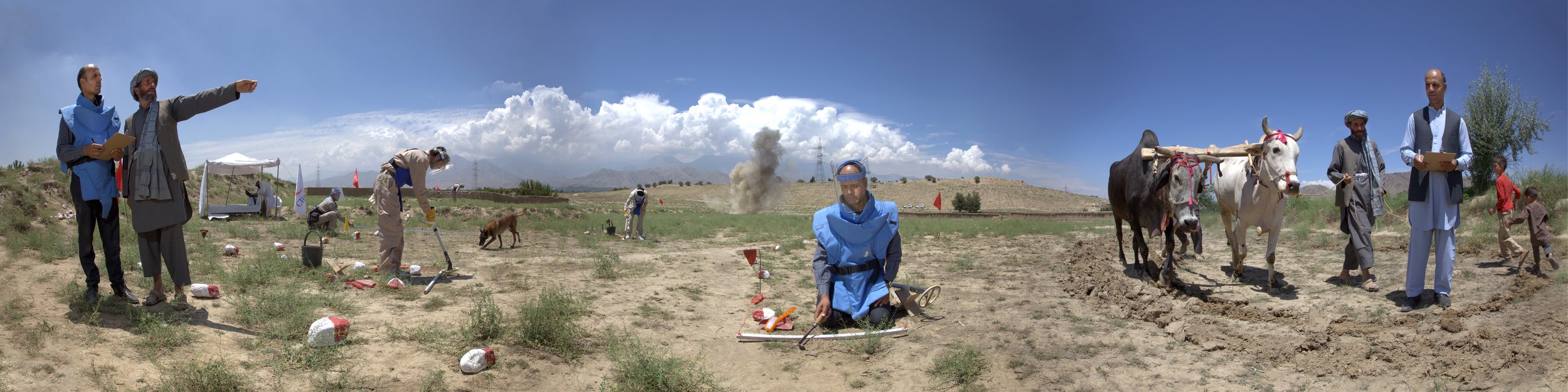
Support should also consider the risks created by conflict. Businesses may face extortion, damaged assets, interrupted electricity, land disputes, unexploded ordnance, or sudden border and transport closures. A recovery program that funds a shop without improving the conditions around it may have limited impact. Business continuity planning, community dialogue, and reliable local information can help owners make safer decisions.
Moving from relief to recovery
Humanitarian assistance protects lives during crisis, but small-enterprise recovery requires a gradual shift toward income generation and local economic renewal. The two approaches should be connected rather than treated as separate phases. Cash assistance can preserve demand in a community, while livelihood grants can help vendors, farmers, and service providers meet that demand. Public works can repair roads, irrigation channels, and markets while paying workers who need immediate income.
A useful recovery model follows the path of a real business. It begins with an assessment of demand, available skills, supplies, infrastructure, and security. It then provides an appropriate combination of finance, mentoring, equipment, and market access. Follow-up support checks whether the enterprise is earning enough, whether workers are being paid fairly, and whether new difficulties require an adjustment.
| Area of support | Practical contribution | Safeguard for lasting results |
|---|---|---|
| Working capital | Restores inventory, tools, and basic operations | Use transparent selection and realistic repayment terms |
| Skills and mentoring | Improves planning, bookkeeping, quality, and pricing | Offer continued coaching rather than a single training session |
| Market access | Connects producers with buyers, institutions, and suppliers | Build fair contracts and prevent excessive intermediary fees |
| Infrastructure | Repairs roads, marketplaces, irrigation, storage, and power systems | Prioritize shared assets that serve several communities |
| Digital services | Expands payments, information, promotion, and record keeping | Provide accessible training and protect personal data |
| Women’s enterprise support | Increases income opportunities and household resilience | Account for mobility, safety, care work, and control of earnings |
| Risk management | Helps firms prepare for shocks and interruptions | Link business plans with local protection and contingency systems |
The most effective programs are likely to combine these areas according to local conditions. A rural producer may need storage and transport more urgently than a loan. An urban repair business may need electricity, tools, and customer information. A home-based food enterprise may require safe workspace, packaging, and connections to reliable buyers. Uniform packages can miss these differences.
Making assistance accessible and accountable
Many entrepreneurs do not know which support programs exist or whether they are eligible. Information may be concentrated in provincial capitals, communicated in unfamiliar language, or distributed through channels that exclude women, people with disabilities, older people, and displaced households. Clear public information, local outreach, and simple application procedures are essential. Community organizations can help explain requirements without becoming gatekeepers.
Accountability also matters when resources are limited. Selection criteria should be published in understandable language, and applicants should have safe ways to report favoritism, fraud, harassment, or misuse of funds. Monitoring should include people who are often overlooked, such as female-headed households, minority communities, returnees, and entrepreneurs operating outside formal registration systems.
Partnerships with financial institutions require particular care. Banks and microfinance providers may be able to expand services, but they may also avoid clients without collateral or formal records. Credit guarantees, alternative forms of business verification, mobile banking, and savings-led models can reduce barriers. Consumer protection must be built in so that borrowers understand fees, repayment obligations, and the consequences of default.
Digital tools can improve access, yet connectivity and literacy remain uneven. A mobile payment system is useful only when people have a functioning phone, network coverage, identification documents, and confidence in the service. Blended approaches—combining digital tools with local agents, printed guidance, and in-person support—are more suitable for many communities.
Priorities for durable local enterprise
A practical agenda for UN-supported economic recovery should connect livelihoods with local institutions and community priorities. It should recognize that businesses are part of a wider social and environmental system. Water scarcity, climate shocks, energy costs, and unsafe roads can determine whether an enterprise succeeds as much as its owner’s skill.
Programs can also strengthen trust between public institutions and the people they serve. When permits are predictable, market spaces are managed fairly, and public procurement is transparent, entrepreneurs are more willing to invest. Local authorities can become partners in recovery when they have the resources and training to maintain shared infrastructure and communicate clearly with residents.
- Direct finance toward viable enterprises while protecting households from unsustainable debt.
- Include women, youth, returnees, displaced people, and persons with disabilities in design and monitoring.
- Build market links through producer associations, local procurement, fairs, and responsible private-sector partnerships.
- Pair business grants with mentoring, bookkeeping support, digital literacy, and risk planning.
- Invest in shared infrastructure such as storage, energy, water systems, roads, and safe marketplaces.
These priorities work best when decisions are made close to the communities affected. Local knowledge can reveal which products are in demand, which routes are unsafe, and which groups are excluded from existing networks. National coordination remains necessary, but local participation gives recovery efforts a better chance of fitting real economic conditions.
Measuring whether recovery reaches businesses
The number of grants distributed is an incomplete measure of success. A stronger assessment asks whether enterprises remain open after six or twelve months, whether revenue has recovered, whether workers have gained stable employment, and whether households have reduced harmful coping strategies. It should also examine whether assistance reached remote areas and groups facing discrimination.
Indicators should reflect both economic and social outcomes. Useful measures include changes in sales, production, savings, debt, wages, market access, and business registration where registration is appropriate. Programs should track women’s control over income rather than simply counting women as beneficiaries. They should assess whether young people find decent work and whether environmental pressures are increasing as production expands.
Feedback from business owners is essential. Surveys, focus groups, complaint systems, and independent evaluations can show when a well-intended intervention is creating new barriers. For example, a requirement for formal premises may exclude home-based entrepreneurs, while a training course scheduled during peak agricultural work may have low participation. Adaptive management allows partners to correct these problems instead of waiting for a final report.
The UN’s role can be especially valuable in bringing different forms of evidence together. Humanitarian assessments may identify urgent livelihood risks, development programs may measure enterprise growth, and peacebuilding initiatives may reveal tensions around land, markets, or access to services. Shared analysis can prevent overlapping projects and direct resources toward gaps that communities identify themselves.
A practical path forward
Afghan entrepreneurs have repeatedly shown initiative under severe pressure. Their efforts deserve support that is predictable, inclusive, and connected to the realities of local markets. Recovery is stronger when business owners are treated as partners with knowledge, rather than as passive recipients of assistance.
The next phase of support should preserve the link between emergency relief and long-term development. Governments, UN agencies, donors, financial institutions, civil society groups, and private companies can invest in the conditions that allow small firms to operate: safety, infrastructure, skills, finance, fair regulation, and access to customers. Readers and organizations working on Afghanistan can use the UN’s public materials to understand the wider partnership and help keep community-led economic recovery visible.