
Making a Difference
Language And Culture In UN Support For Afghan Communities
Afghanistan is home to many peoples whose languages, customs and cultural traditions form an essential part of the country’s identity. Dari and Pashto are widely used, while Uzbeki, Turkmeni, Balochi, Pashai, Nuristani, Pamiri and other languages connect communities across different provinces and generations. For minority groups, the ability to learn, communicate and celebrate in their own language is closely connected to equal participation in public life.
The United Nations has supported this principle through human rights monitoring, education work, community engagement and cultural protection. The archived UN Afghanistan website, including material connected with its UN70 campaign, presented stories of Afghan people and communities contributing to a stronger country. That record helps explain how language rights and cultural events fit into broader efforts to promote dignity, inclusion and social cohesion.
Afghanistan’s Rich Linguistic Landscape
Afghanistan’s linguistic diversity reflects centuries of movement, trade, scholarship and local settlement. Hazaras have strong cultural and linguistic ties to Dari, while Uzbeki and Turkmeni are widely spoken in northern areas. Nuristani, Pashai, Pamiri and Balochi communities maintain languages with their own histories and oral traditions. Religious minorities, including Sikh and Hindu Afghans, have also contributed to the country’s cultural life through worship, commerce, music and community institutions.
Language is more than a method of conversation. It can determine whether a child understands a lesson, whether a family can use a public service, and whether a person feels recognised by government institutions. When official communication is available only in a language that some citizens cannot easily understand, the result can be exclusion even where formal rights exist.
UN engagement with minority groups therefore needs to consider local language use when gathering information, consulting communities and explaining rights. Interpreters, translated materials and trusted community organisations can make human rights reporting more accurate. They can also help international agencies avoid treating Afghanistan as a single cultural or linguistic community.
The Legal Basis For Language Rights
Afghanistan’s constitutional framework has recognised Dari and Pashto as official languages, while allowing other languages to receive official status in areas where they are spoken by a majority. The constitution also identifies several regional languages, including Uzbeki, Turkmeni, Pashai, Nuristani and Balochi, as important parts of the country’s linguistic heritage. These provisions create a basis for inclusive education, public information and cultural expression.
International human rights standards reinforce this approach. The right to take part in cultural life, the protection of minorities and the principle of non-discrimination all support the use and preservation of minority languages. The Convention on the Rights of the Child also links education with a child’s cultural identity and language. United Nations agencies can use these standards when advising institutions, documenting restrictions or supporting programmes for vulnerable communities.
Legal recognition does not automatically produce equal access. A language may be acknowledged in law yet remain underrepresented in textbooks, broadcasting, court interpretation or government forms. Monitoring must therefore examine practical outcomes: whether communities can obtain essential information, whether children can understand early education, and whether people can report abuse without relying on someone from another group to translate for them.
Education And Public Information
Education is one of the clearest areas where language rights affect daily life. Children who begin learning in a familiar language are more likely to understand basic concepts, participate in class and develop confidence. As they progress, learning additional national and international languages can expand employment and further education opportunities. A multilingual approach can strengthen national connection without requiring children to abandon their home language.
UN-supported education and child protection work can encourage teaching materials that reflect local communities. This may include bilingual primers, teacher training, storybooks, audio resources and culturally relevant examples. The goal is not to create separate systems that isolate minority children. It is to ensure that language differences do not become a barrier to literacy, safety or participation.
Public information has a similar responsibility. Health advice, humanitarian notices, election-related information and emergency guidance need to reach people in forms they can understand. Radio remains especially important in Afghanistan, where access to the internet and reliable electricity varies significantly. Local broadcasters, women’s networks, elders and civil society groups can help translate information while preserving accuracy and confidentiality.
Inclusion, Safety And Equal Participation
Minority communities can face several forms of exclusion at once. A person may experience discrimination because of ethnicity, religion, gender, disability, displacement or poverty. Hazaras, Sikhs, Hindus and other communities have faced serious security concerns, while some linguistic minorities live in areas with limited services and few opportunities to influence national decision-making. Women and girls within minority communities may encounter additional restrictions on education, work and public participation.
The UN’s human rights role includes documenting patterns of discrimination, engaging authorities and drawing attention to attacks against civilians. This work depends on safe consultation. Community members must be able to share information without being exposed to retaliation, and women must have meaningful ways to speak with female staff or trusted local organisations where cultural norms require it.
Language access is part of protection. A survivor who cannot explain an incident in a language they trust may struggle to obtain assistance. A displaced family may miss registration information if notices are not translated. A person with limited literacy may need an oral explanation through radio or a community meeting. Effective support combines interpretation with confidentiality, disability access and respect for local customs.
Cultural Events As Community Bridges
Cultural events give minority groups a public way to maintain identity and build relationships. Nowruz, poetry gatherings, traditional music performances, craft exhibitions, religious observances and local storytelling can bring people together around shared cultural values. Such events may be organised by community groups, schools, municipalities, cultural centres or humanitarian partners.
The United Nations can support this space by promoting inclusive participation, documenting cultural traditions and encouraging dialogue between communities. Events work best when they are shaped by local people rather than presented as displays for outsiders. A Hazara poetry programme, a Turkmen carpet demonstration or a Pamiri music gathering carries meaning because community members decide what should be shared and how it should be represented.
Cultural activity can also contribute to peacebuilding. When people meet through music, food, literature or sport, they have opportunities to challenge stereotypes and develop practical relationships. The value is not symbolic alone. A community festival may create links between local leaders, youth groups, women’s organisations and service providers that remain useful after the event ends.
Safety planning is essential. Organisers need to consider venue access, threats against minority communities, gender-sensitive arrangements and the risk that cultural gatherings could be politicised. Support should protect freedom of expression without placing participants in unnecessary danger.
Protecting Heritage And Cultural Memory
Afghanistan’s cultural heritage includes monuments, manuscripts, archaeological sites, textiles, music, languages and forms of oral knowledge. Minority traditions are often preserved through family stories, religious practice, craft skills and songs rather than formal archives. Conflict, displacement, poverty and the loss of older generations can put this knowledge at risk.
UN cultural work, including cooperation associated with UNESCO, can help document and safeguard heritage. Digital archives, community museums, recordings and language projects can preserve material for future generations when they are managed with consent. Documentation should recognise community ownership and avoid removing valuable objects or knowledge from the people who created them.
Cultural protection also requires attention to living traditions. A language cannot be preserved only in a catalogue if speakers are prevented from using it in education, media or public life. Likewise, a historic site has limited meaning if the community connected to it is excluded from decisions about its future. Heritage programmes should therefore link conservation with local employment, education and participation.
For displaced Afghans, cultural memory can continue beyond national borders. Families may teach songs, prepare regional foods or celebrate Nowruz in new countries. These practices support identity while allowing younger generations to build relationships in their new homes.
The Role Of Media And Community Voices
Afghan journalists, writers, artists and community broadcasters have a vital role in representing minority experiences. Dari and Pashto media reach large audiences, while regional-language programming can provide information that national outlets overlook. Interviews with local people, minority-language news and storytelling by women can broaden public understanding of Afghanistan’s social fabric.
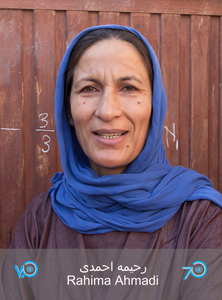
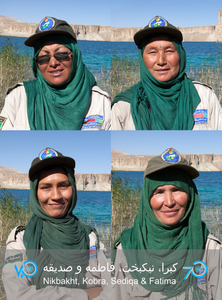
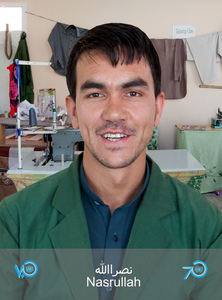
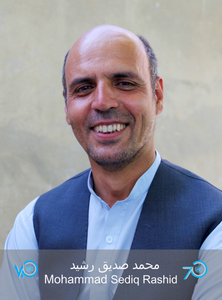
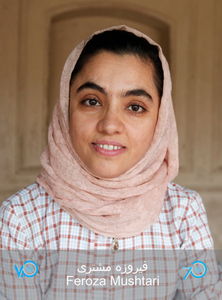
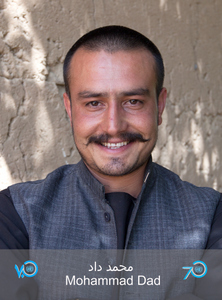
UN media and public information work can amplify these voices by sharing verified stories, explaining humanitarian issues and presenting people as contributors rather than passive recipients of aid. The UN70 campaign on the archived UN Afghanistan site followed this people-centred approach by highlighting Afghan individuals and their contributions. Such storytelling can challenge portrayals that reduce communities to conflict, poverty or displacement.
Digital platforms provide new opportunities for language preservation, including podcasts, online dictionaries, video lessons and social media in regional languages. Access remains uneven, however. Internet costs, electricity shortages, censorship, threats against journalists and restrictions on women’s participation can limit who is heard. Offline radio, printed materials and face-to-face communication remain necessary.
The best communication is collaborative. Community members should help choose subjects, approve sensitive material and identify appropriate language. Translation must preserve meaning rather than simply replace words. This is particularly important when discussing trauma, religion, gender or security incidents.
Afghan Communities And Australian Connections
Australia is home to established Afghan communities in Melbourne, Sydney, Adelaide and other cities. Areas such as Melbourne’s Dandenong and Sydney’s western suburbs include Afghan restaurants, grocers, community organisations and family networks. These spaces often support Dari- and Hazaragi-speaking newcomers with settlement information, employment contacts and practical help navigating schools, health services and the local market.
Australian cultural customs can create useful points of connection. Community groups may mark Nowruz, organise Eid gatherings, hold poetry evenings or participate in Harmony Week activities through councils, schools and libraries. These events give young Australian Afghans a way to value family traditions while building friendships with neighbours from many backgrounds.
The local market also reveals how culture travels. Afghan bakeries, halal food businesses, carpet sellers and grocery shops create employment and make familiar products available to families far from their places of origin. Markets in Melbourne, Sydney and Adelaide can become informal meeting points where language, recipes and news are exchanged. Supporting these businesses helps preserve cultural visibility while strengthening local economic participation.
Australian institutions can contribute through professional interpreting, multilingual library collections, culturally safe services and partnerships with Afghan-led organisations. Schools can recognise different Afghan languages without assuming that every Afghan student speaks the same one. Councils can consult communities when planning cultural events, ensuring that inclusion is reflected in practical arrangements such as accessible venues, women’s participation and transport.
Use the archived UN Afghanistan material as a reference point for the principle that Afghan people should shape the stories told about their country. Support Afghan-led cultural groups, choose services that provide accurate language access, and share reliable information about minority rights and cultural heritage. Small, respectful actions in Australian communities can help keep languages, traditions and human dignity visible.