
Making a Difference
UN Support for Afghan Journalism and Female Reporters
Independent journalism is essential to public life in Afghanistan. Reporters document displacement, education, health care, drought, conflict and the experiences of communities that may otherwise remain invisible. For women journalists, this work carries an additional burden: restrictions on movement, threats from armed groups, harassment online and pressure from families or local authorities can all affect whether a story can be reported safely.
United Nations support for Afghan journalism has included training, protection referrals, advocacy and practical assistance for media workers. Safety training for female reporters is part of a wider effort to preserve access to reliable information while helping journalists manage physical, digital and psychological risks. The aim is not to dictate editorial content, but to create conditions in which Afghan reporters can work with greater security and professional independence.
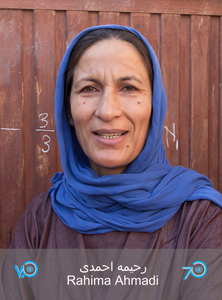
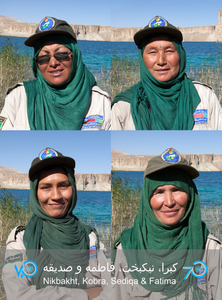
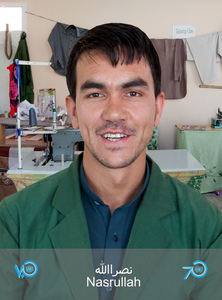
The UN Afghanistan website was created as an official platform for the organisation’s work with Afghan communities and partners. Its archived UN70 campaign, built around the message “Strong UN. Strong Afghanistan.”, highlighted Afghan people and their contributions. Although that campaign is no longer active, its emphasis on local voices remains relevant to discussions about press freedom and women’s participation in public life.
For an Australian audience, the issue can be understood through familiar media connections. Newsrooms in Sydney, Melbourne, Brisbane and regional centres rely on professional safety standards when sending reporters into floods, protests, courtrooms or remote communities. Afghan women journalists face a far more restrictive environment, yet the underlying principle is similar: accurate reporting depends on the safety, preparation and freedom of the person gathering the news.
Why Female Reporters Need Specialised Protection
Female reporters in Afghanistan often work under overlapping pressures. A journalist may face a direct threat because of a story, gender-based intimidation because she is a woman, and restrictions that prevent her from travelling or interviewing people without permission. She may also be responsible for children or other relatives, making an unexpected relocation especially difficult.
Safety training therefore needs to go beyond general advice about avoiding dangerous locations. It can cover route planning, emergency contacts, safe transport, incident reporting, first aid, protective equipment and procedures for checking in with an editor. Female journalists may also need guidance on dealing with harassment at checkpoints, unwanted contact from sources and threats delivered through social media.
Digital security is equally important. Reporters can be exposed through hacked accounts, spyware, doxxing, impersonation and the seizure of phones. Training may include stronger passwords, multi-factor authentication, encrypted communications, secure file storage and careful separation of personal and professional accounts. These measures are practical forms of risk reduction, especially when a journalist’s identity, location or sources could be exposed through a single compromised device.
A credible programme must also address wellbeing. Repeated threats, censorship, surveillance and exposure to traumatic events can lead to anxiety, exhaustion and isolation. Confidential counselling, peer support and referral pathways help journalists continue working without treating distress as a personal failure. For women reporters, confidential services are particularly important where speaking openly about harassment could create further risks.
How United Nations Support Strengthens Local Media
The United Nations can support Afghan journalism through several complementary channels. UNESCO has a long-standing international mandate relating to press freedom, journalist safety and media development. UNAMA has used public advocacy and engagement with Afghan authorities and civil society to draw attention to human rights concerns, including restrictions affecting journalists. Other UN entities and local partners may contribute expertise on gender equality, protection, humanitarian access and community communication.
Training is most effective when it is designed with Afghan journalists rather than delivered as a generic package. Local media organisations understand which roads are unsafe, how local power structures operate and what kinds of threats are likely to be dismissed by outsiders. Female reporters can identify barriers that may be overlooked in mixed training groups, including the need for women-only sessions, female trainers, private venues and safe transport.
Professional networks provide another layer of protection. A reporter who has an editor, colleague or partner organisation to contact after an arrest, threat or assault is less isolated than someone working alone. Safety networks can help verify incidents, connect journalists with legal or medical assistance and document patterns of abuse. Documentation matters because an individual threat may appear isolated, while records can reveal systematic pressure against the media.
The UN’s role is also diplomatic and public. Statements, briefings and human rights reporting can keep journalist safety visible when domestic institutions are unable or unwilling to provide effective protection. That advocacy does not replace local action, but it can give Afghan media workers and civil society organisations a recognised international channel for raising concerns.
Practical Skills Covered In Journalist Safety Training
A strong hostile-environment and emergency-response course begins with risk assessment. Journalists learn to consider the assignment, location, source, transport, communications and likely consequences before leaving the office. A simple plan can identify safe meeting points, an agreed check-in time, emergency contacts and the circumstances that should trigger a withdrawal.
Physical safety modules may include movement in areas affected by conflict, crowd awareness, checkpoint behaviour, basic trauma care and what to do during detention or questioning. The correct advice depends on the context. Training should avoid presenting a single universal rule and should instead help reporters make informed decisions based on local conditions and current intelligence.
Digital safety often requires ongoing practice rather than a one-day lecture. Journalists may be shown how to update devices, recognise phishing attempts, review app permissions, protect contact lists and create secure backups. Editors also need training because a newsroom’s systems can expose every reporter if files, email accounts or messaging groups are poorly protected.
Source protection is a core journalistic responsibility. A female reporter may interview women, displaced families, activists or people criticising local authorities. If the identities of those sources are revealed, the danger can extend beyond the journalist. Secure note-taking, careful photography, consent procedures and the removal of unnecessary identifying details can reduce harm without weakening the public value of the story.
Safety training should include legal and ethical guidance as well. Reporters need to understand relevant media rules, accreditation requirements and available complaint mechanisms, while editors need to know when an assignment creates unacceptable danger. Ethical reporting is especially significant in crisis settings, where publishing a name, image or precise location may put a vulnerable person at risk.
The Wider Value Of Women’s Journalism
Women journalists bring expertise and access that can broaden public understanding. In some Afghan communities, women reporters may be better placed to interview women and girls, enter spaces where male journalists are not welcome or discuss subjects such as maternal health, domestic violence and access to education. Their participation helps media outlets reflect more accurately the lives of the people they serve.
Their work also counters the loss of information caused by censorship and fear. When female reporters are pushed out of newsrooms, stories about women’s rights and everyday hardship are more likely to receive limited coverage. Supporting women in journalism protects a professional workforce and preserves a channel for communities to communicate their needs.
The benefits extend to humanitarian work. Reliable local reporting can help communities understand where services are available, how assistance is distributed and what public health information means. UN agencies and non-government organisations can use responsible local media partnerships to communicate in appropriate languages and to hear concerns from people who may not attend formal meetings.
Australian media consumers may recognise a similar principle in public-interest reporting from remote and regional areas. A journalist based in Darwin, Alice Springs or a rural New South Wales town may have knowledge and relationships that a visiting reporter lacks. Local experience improves accuracy. In Afghanistan, supporting women reporters strengthens that local capacity under much more severe security and political constraints.
The local media market also matters. Afghan outlets may have limited advertising revenue, fragile equipment and few resources for insurance, legal support or staff wellbeing. Training is valuable, but it cannot sustain journalism by itself. Longer-term support may include small grants, newsroom safety policies, equipment, mentoring, legal referrals and assistance that allows women to remain in paid media work.
Measuring Support And Keeping It Accountable
A useful programme should measure more than the number of people who attend a workshop. It should ask whether participants can apply the skills, whether newsrooms have adopted safety procedures and whether female reporters can access help after an incident. Follow-up coaching, refresher sessions and confidential feedback can show whether training remains relevant.
Accountability is essential because protection programmes handle sensitive information. Organisers should minimise the collection of personal data, explain how records will be used and avoid publishing participant names or photographs without informed consent. Training locations, travel arrangements and communications must be planned so that participation does not itself expose journalists to suspicion or retaliation.
The strongest approach combines immediate protection with institutional change. Editors can establish check-in procedures, risk assessments and emergency leave. Media owners can provide secure devices, fair contracts and access to counselling. International partners can support advocacy and referrals while respecting the leadership of Afghan journalists and organisations.
The following framework shows how different forms of support fit together:
| Area of support | Practical focus | Value for female reporters |
|---|---|---|
| Personal safety | Risk assessment, safe movement, first aid and emergency planning | Reduces avoidable danger during reporting |
| Digital protection | Account security, encrypted communication and secure storage | Helps protect identities, sources and locations |
| Workplace procedures | Check-ins, incident logs, assignment review and emergency contacts | Gives reporters a clear response when threats occur |
| Legal and human rights advocacy | Documentation, referrals and engagement with authorities | Creates channels for complaints and protection |
| Wellbeing support | Confidential counselling, peer networks and recovery time | Addresses stress, trauma and isolation |
| Career sustainability | Mentoring, equipment, grants and newsroom support | Helps women remain active in journalism |
For the UN Afghanistan campaign archive, this work also reflects a broader message: Afghan people are not passive recipients of international assistance. Female reporters are professionals, witnesses and community members who shape the public record. Support is most credible when it treats them as partners with knowledge, agency and the right to make decisions about their own safety.
Australian readers can help keep attention on this issue by following credible UN, media freedom and Afghan-led civil society organisations, sharing verified reporting and supporting outlets that maintain high standards for journalist protection. Newsrooms, universities, community groups and journalism bodies across Australia can also build informed connections with Afghan media workers through ethical training, professional exchange and public-interest partnerships.
Protecting female reporters protects the flow of information on which communities depend. Continued advocacy, carefully designed safety training and practical support can help Afghan women journalists report with greater security and preserve their place in the country’s civic life.