
Making a Difference
Legal identity and UN support for displaced Afghans
For Afghans forced to leave their homes, legal documentation can determine whether they can access education, healthcare, humanitarian assistance, housing, work and safe movement. A missing tazkira, birth certificate or other civil record may turn an ordinary administrative task into a serious barrier, especially for families who have lost papers during conflict, repeated displacement or cross-border movement.
The United Nations supports efforts that help displaced people obtain, replace or use identity and civil-status documents. This work sits within a wider protection response involving Afghan institutions, humanitarian organizations, legal aid providers and community representatives. It is intended to reduce exclusion while respecting privacy, safety and the different circumstances of internally displaced people, returnees, refugees and undocumented individuals.
Documentation assistance is therefore more than paperwork. It can help establish a person’s legal identity, confirm family relationships, support claims to housing or services and reduce the risk of exploitation. Yet documentation must be delivered carefully: people may face discrimination, unaffordable fees, unsafe travel, unclear procedures or fear that personal information could be misused.
Why legal documents matter after displacement
Displacement often separates people from the records that connect them to public institutions. Documents may be destroyed in a damaged home, left behind during a hurried departure, confiscated at a checkpoint or kept by relatives who remain elsewhere. Families can also lose papers when they move repeatedly between provinces or cross an international border.
A valid identity document can be needed to register for assistance, enrol a child in school, obtain medical care or apply for employment. Civil records have a different but related role. Birth registration can establish age and parentage, while marriage, divorce and death records may affect inheritance, family reunification and protection decisions. When records are missing, people may struggle to prove relationships or eligibility for support.
Women, children, older people, persons with disabilities and members of marginalized communities can face additional obstacles. A woman may not control household documents or may be unable to travel to an office safely. A child born during displacement may never receive a birth record. People with limited literacy may not understand application requirements, while those without money for transport or administrative fees may abandon the process.
Documentation does not automatically resolve these wider problems. A document may be difficult to obtain, rejected by an institution or unsafe to use in a particular setting. Effective assistance therefore combines document support with legal information, case management, protection referrals and practical help navigating public procedures.
How UN-backed assistance can work
United Nations agencies and partner organizations generally support documentation through several connected activities. They may provide information about requirements, identify people at risk of exclusion, refer cases to the appropriate authority, offer legal counselling and help applicants assemble evidence. In some settings, mobile teams or outreach workers can bring information closer to remote communities.
Legal assistance can be especially important when a person has no original papers. A trained adviser may explain which alternative documents, witness statements or administrative records could support an application. The adviser can also help a displaced person understand fees, appeal options and the difference between identity documentation, civil registration and protection registration.
Coordination is essential because no single organization controls every part of the process. Afghan authorities may issue national identity or civil-status documents, while humanitarian agencies help people reach services and understand procedures. UNHCR, IOM, UNICEF, UN Women, UNDP and other partners may contribute according to their mandates and the needs of a particular programme, though the agencies involved and the services available can vary by location and time.
The UN’s role is also linked to broader protection principles. Assistance should be accessible without discrimination, protect personal data and avoid exposing applicants to retaliation or stigma. Staff and partners need to explain what information is collected, why it is needed, who may receive it and what limits apply to confidentiality.
Barriers faced by displaced families
Cost is one of the most visible barriers, but it is rarely the only one. Applicants may need to pay for transport, photographs, copies, translation, administrative charges or the services of an intermediary. For a family living in an informal settlement, even a small expense can compete with food, rent and medicine.
Distance and insecurity create further difficulties. A person may have to travel from a temporary settlement to a provincial centre, sometimes through areas where movement is restricted or dangerous. Women and girls may need a trusted escort or may face rules that limit their ability to approach an office independently. People with disabilities can encounter buildings, queues and communication systems that are inaccessible.
Administrative uncertainty can discourage applicants as well. Requirements may differ between offices, local officials may provide inconsistent information, and a person displaced from one area may not know which authority is responsible. Language, literacy and digital access also matter. Online information is useful for some applicants but cannot replace in-person or telephone support for households without connectivity.
The loss of documents can carry emotional as well as legal consequences. A family may have spent years trying to preserve a record of identity, land, education or family relationships. When that record disappears, the process of reconstructing it can feel intrusive and exhausting. Sensitive assistance should allow time for explanation and should avoid treating a missing document as evidence of wrongdoing.
Comparing documentation needs and responses
Different displaced groups do not face identical documentation problems. An internally displaced family may need to replace a tazkira or register a child’s birth, while a returnee may need documents recognized across borders. A refugee may require civil records from the country of asylum, proof of nationality or documentation needed for voluntary return.
The right response depends on the individual case. Registration with a humanitarian agency is not the same as national identity documentation, and a service card does not necessarily prove citizenship or legal residence. Clear explanations help people avoid relying on a document that an employer, school, court or government office may not accept.
| Group or situation | Common documentation concern | Useful support approach |
|---|---|---|
| Internally displaced households | Lost identity papers, unregistered births or limited access to local offices | Mobile information, legal counselling, referrals and help with civil registration |
| Returnees from abroad | Recognition of identity, family records or documents issued in another country | Cross-border case guidance, referral to relevant authorities and translation support |
| Refugees and asylum-seekers | Civil records, proof of family links and safe access to services | Confidential advice, protection referrals and coordination with host-country systems |
| Women and girls | Restricted mobility, missing personal records or dependence on relatives | Female outreach staff where possible, safe referral channels and accessible information |
| Children separated from caregivers | Proof of age, parentage or guardianship | Best-interests procedures, birth registration support and family-tracing referrals |
| Persons with disabilities or older people | Physical, communication or financial barriers | Home-based or accessible services, accompaniment and adapted communication |
These categories can overlap. A child may be internally displaced and separated from family; a woman may be a returnee with no original identity document; an older person may have difficulty proving land ownership after a village has been destroyed. Case workers should assess the whole situation rather than offer a standard form or single referral.
Safeguards for privacy and protection
Documentation programmes handle sensitive information, including names, dates of birth, family links, addresses and sometimes biometric data. Poor information management can expose people to discrimination, harassment, fraud or unwanted disclosure. Data collection should therefore be limited to what is necessary for a clearly explained purpose.
Consent and confidentiality are central safeguards. Applicants should receive information in a language and format they can understand. They should know whether providing information is voluntary, what services depend on it and how to raise a concern. Children require additional protection, and information about survivors of violence, people at risk of persecution or individuals with disputed identity must be handled with particular care.
Safe referral systems also matter. A person seeking documentation may reveal a protection issue, such as forced eviction, family separation, trafficking or gender-based violence. The organization receiving the case should have a responsible way to connect the individual with specialized services without requiring repeated disclosure of traumatic details.
UN-supported work should reinforce, rather than replace, accountable public systems. Humanitarian agencies can help people reach the right authority, but they should not create confusion about which documents have legal validity. Communication materials should distinguish between assistance registration, legal identity, civil registration and other forms of evidence.
Connecting documentation with durable solutions
Legal documentation is closely linked to durable solutions for displacement. People returning home may need identity and civil records to reclaim property, enrol children in school or rebuild livelihoods. Those integrating into a new community may need proof of identity to access local services and participate in the economy. Families considering relocation need reliable information about what documents will be recognized at their destination.
Housing, land and property claims are particularly sensitive. A missing deed or identity document can weaken a person’s ability to contest an eviction or demonstrate a connection to land. Legal aid cannot guarantee a successful claim, but it can explain available procedures, help preserve evidence and refer complex disputes to competent institutions.
Education and health services also depend on practical recognition. Schools may require proof of age or previous study, while health systems may need consistent names and dates of birth to maintain records. Flexible procedures, temporary attestations and referral mechanisms can prevent children and adults from being excluded while formal documents are being processed.
For communities, documentation initiatives work best when they are paired with public awareness and local dialogue. Community leaders, women’s groups, disability organizations, youth representatives and displaced people themselves can identify unsafe procedures and clarify which services are actually reachable. Their experience should shape outreach rather than be treated as an afterthought.
The UN’s wider public role in Afghanistan
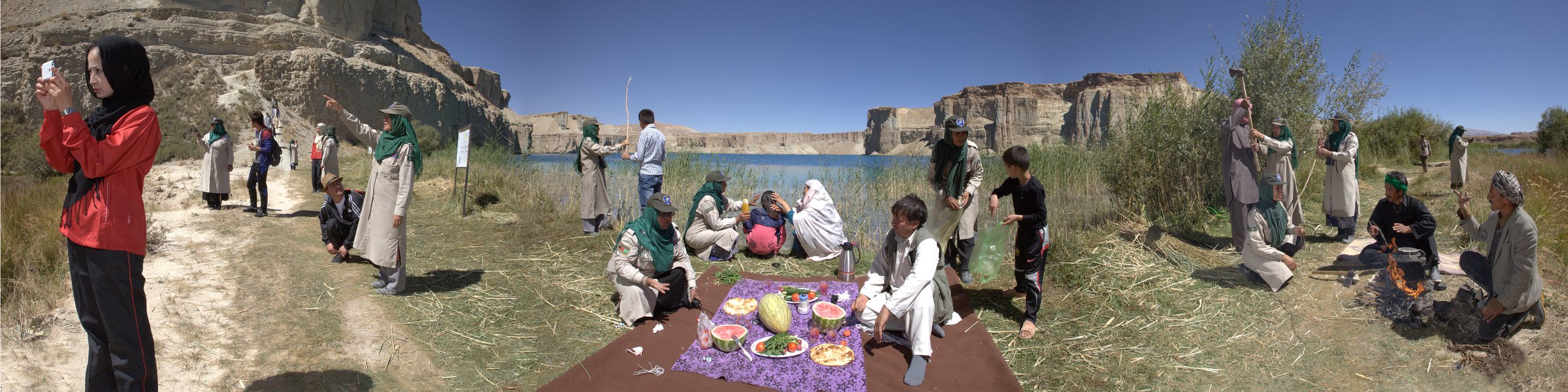
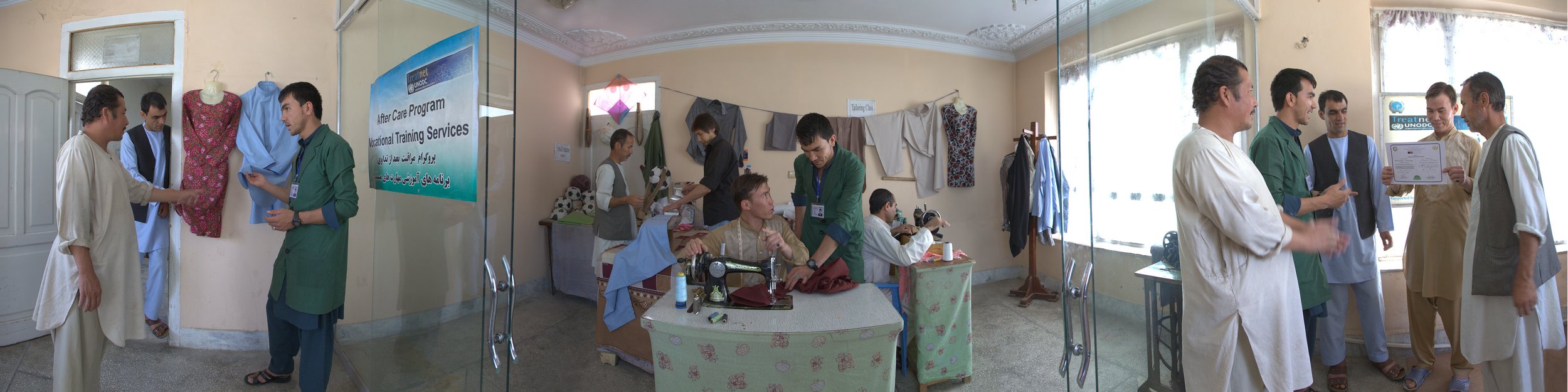
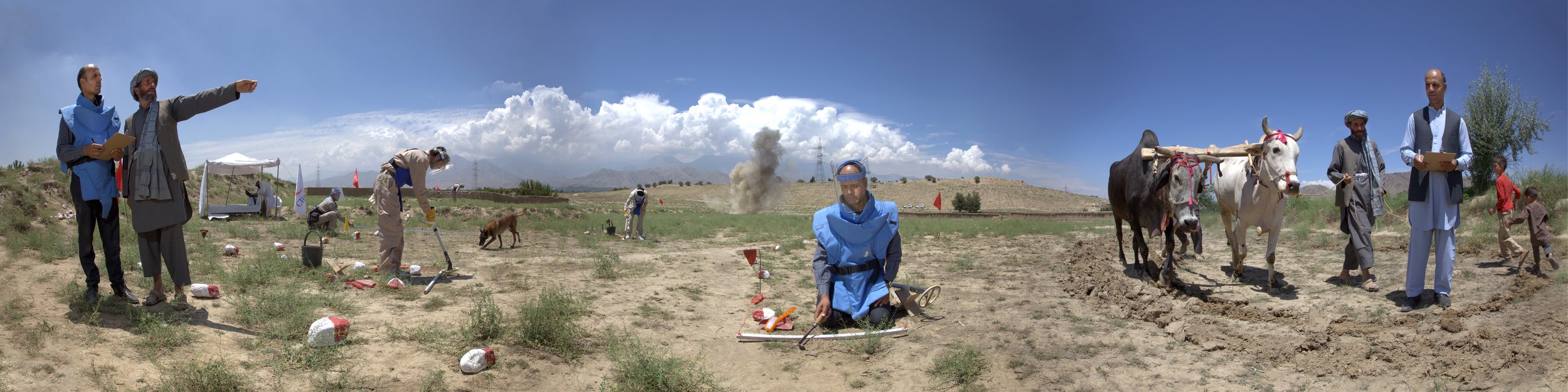
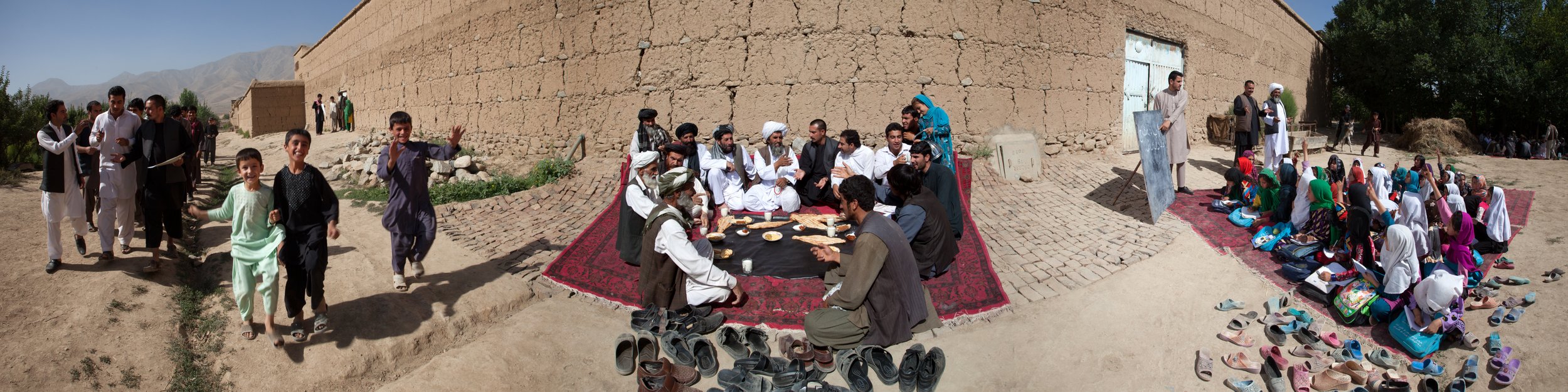
The UN’s public communication in Afghanistan has often connected institutional work with the experiences of Afghan people. The archived UN70 campaign, built around the message “Strong UN. Strong Afghanistan.”, highlighted individuals and communities whose efforts contributed to the country’s future. Although that campaign is no longer active, the UN Afghanistan platform provides context for the organization’s country presence and public-facing work.
That broader perspective is useful when considering documentation. Legal identity support is one part of a larger effort involving protection, humanitarian assistance, basic services, livelihoods, gender equality and community resilience. The value of a document is realized through the systems around it: an accessible school, a functioning health service, a fair administrative process and institutions able to respond to people’s needs.
Public information should remain accurate about what the UN can and cannot provide. Availability may differ by province, agency, funding cycle and security conditions. People should be directed to verified local offices, recognized humanitarian partners or established legal aid channels rather than encouraged to share personal information with unverified intermediaries.
Accessible communication also helps counter fraud. Clear explanations about official procedures, possible costs and realistic processing times can reduce dependence on brokers who promise documents quickly. Information should be shared through several channels, including community outreach, radio, print materials and trusted service providers, so that people without internet access are not left behind.
Priorities for more inclusive documentation support
- Bring legal information and referral services closer to displaced communities through mobile teams, help desks and trained outreach workers.
- Reduce practical barriers by addressing transport, accessibility, language, literacy and, where appropriate, administrative costs.
- Expand birth registration and child-protection referrals for children born during displacement or separated from caregivers.
- Use strong data-protection procedures, plain-language consent and confidential complaint channels.
- Coordinate with Afghan authorities and humanitarian partners so that people receive consistent information about valid documents and available services.
These priorities should be measured by outcomes, not by the number of forms distributed. A successful programme helps a person complete a process safely, understand the status of an application and use the resulting document without facing new risks. Feedback from displaced people should be collected regularly and used to correct procedures that are confusing, inaccessible or unsafe.
Sustained support also requires investment in local capacity. Training civil registrars, legal aid workers, community advocates and protection staff can improve continuity when international projects change. Partnerships with local organizations can make services more trusted and culturally appropriate, provided those organizations receive adequate resources and operate under clear protection standards.
Every displaced Afghan who obtains or restores legal documentation gains a stronger connection to public services and formal protections. Governments, UN agencies, civil society organizations and donors can help by funding safe legal aid, supporting inclusive civil registration and treating identity documents as a protection issue. Sharing verified information and directing families to qualified assistance are practical steps toward making that support reachable.